Carbide Burrs for Tight Spaces: Choosing the Right Shape
Tackling tight spaces with the wrong carbide burrs wastes time and risks damaging your work. Choosing the right burr shape makes all the difference when working around detailed contours or narrow spots. This guide breaks down the best carbide burr for tight spaces, helping you pick tools that slide into those tricky areas with precision and control. Your next project will benefit from sharper cuts and smoother finishes where it counts most. For more insights, check out this resource.
Understanding Carbide Burrs
To grasp the power of carbide burrs, you need to see them as the unsung heroes of precision work. They turn intricate designs into reality, especially in tight spots.
What Are Carbide Burrs?
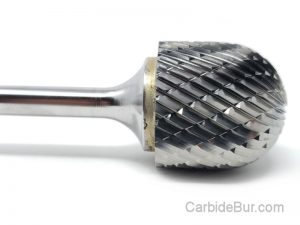
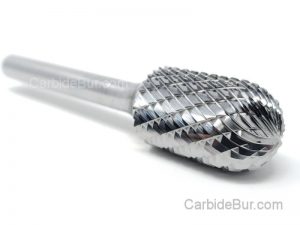
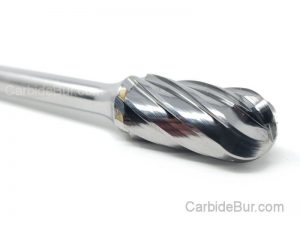
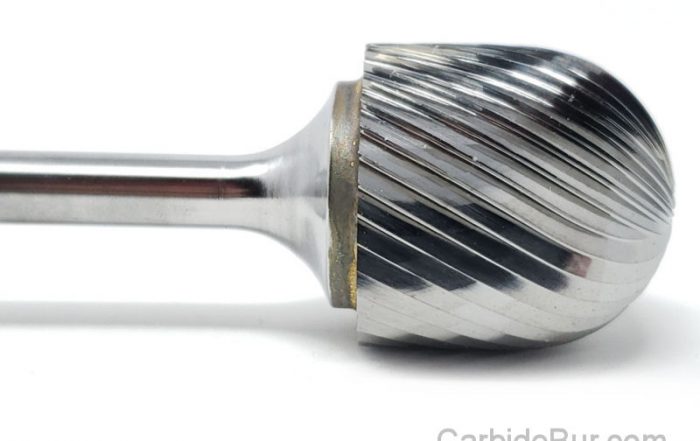
Carbide burrs are small, rotary tools that help shape, grind, and cut materials. Crafted from tough tungsten carbide, these tools handle a variety of tasks. You can find them in workshops, helping with metal, wood, and even stone projects. Their durability makes them a favorite among professionals. They maintain their shape and sharpness, providing consistent results every time you use them.
Importance of Shape in Tight Spaces
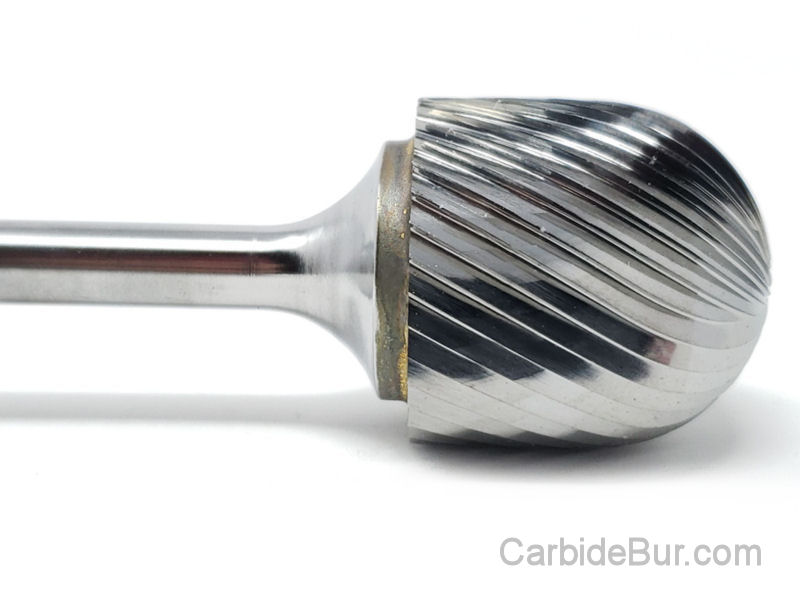
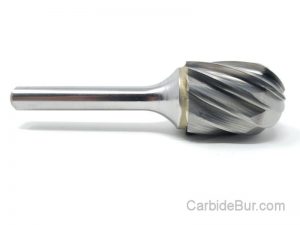
The shape of a carbide burr can make or break your project. Different shapes offer unique advantages when working in confined spaces. When navigating around complex contours, the right shape ensures control and accuracy. This is crucial when working on detailed tasks like automotive repair or jewelry making. The right shape helps you avoid mistakes, saving both time and material. For an in-depth look at selecting burrs, visit this guide.
Popular Burr Shapes for Confined Spaces
Once you understand carbide burrs, it’s time to explore the most common shapes that excel in tight areas. Each shape offers distinct advantages.
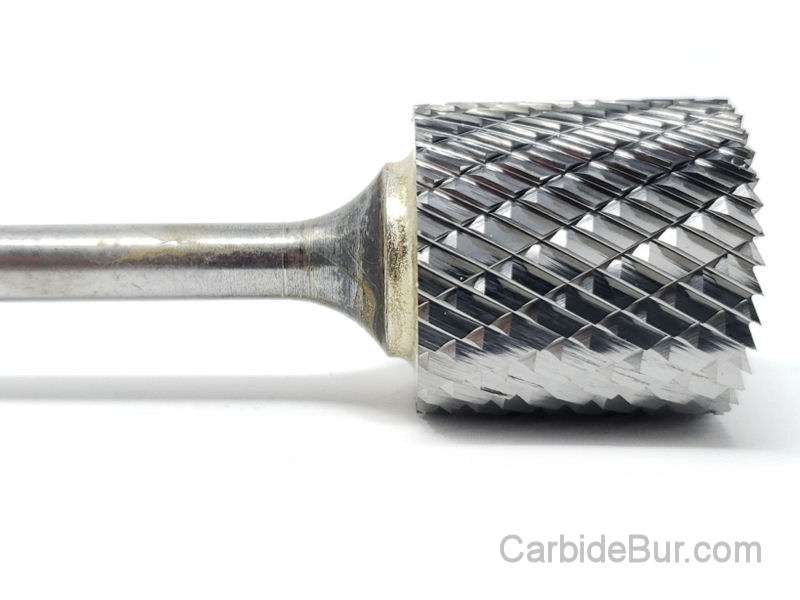
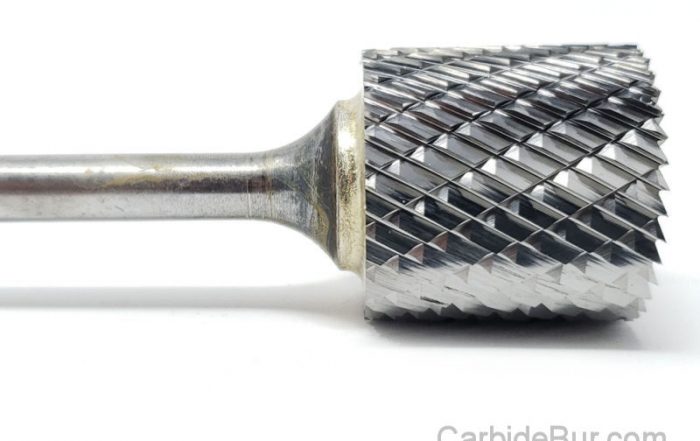
Cylinder Burrs: Straight and Narrow
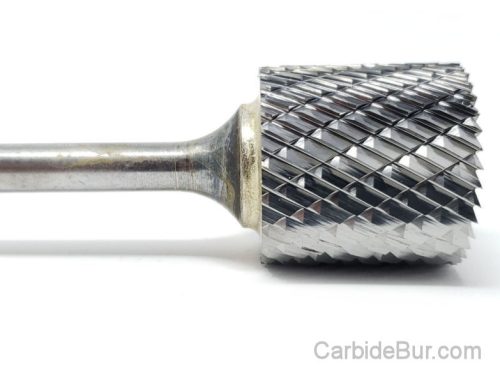
Cylinder burrs are perfect for flat surfaces and right angles. Their straight design makes them ideal for precise, linear cuts. Use them when you need to remove material evenly. These burrs excel in creating smooth, flat surfaces, especially in metalworking. They’re your go-to for achieving clean lines and defined edges.
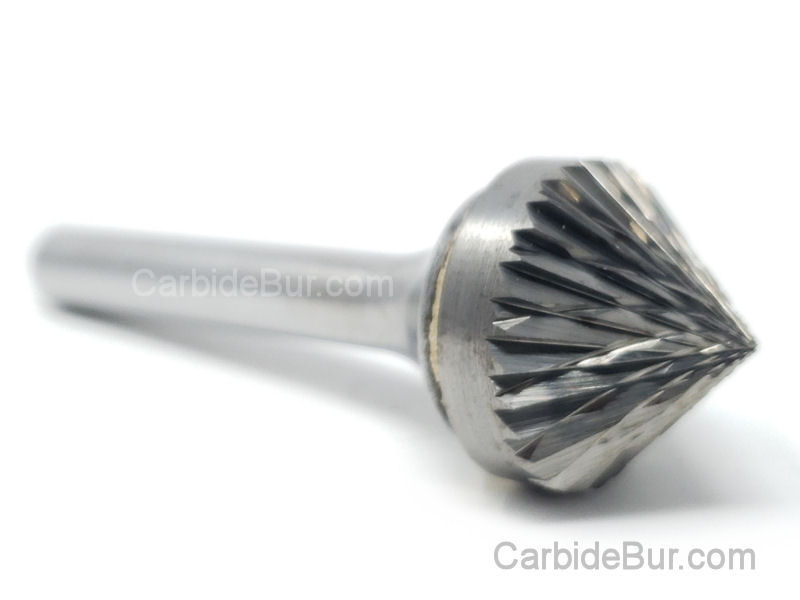
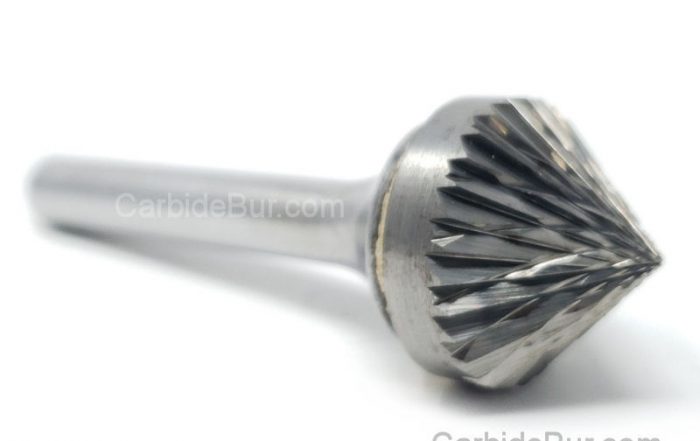
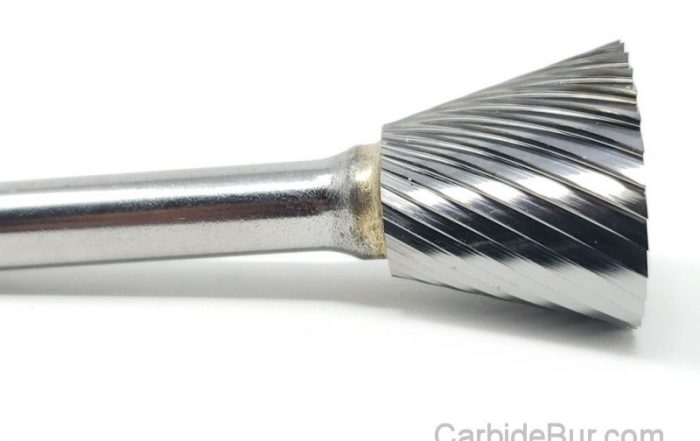
Cone Burrs: Tapered Precision
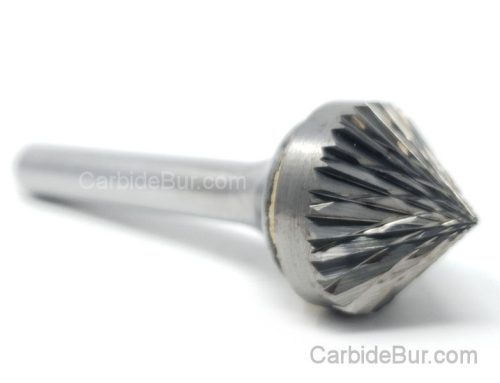
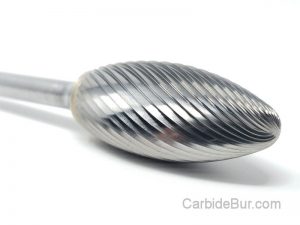
Cone burrs bring versatility to your toolkit. Their tapered design allows you to reach into narrow spaces effortlessly. They are ideal for beveling, deburring, and working on angled surfaces. When you need to taper edges or create fine details, these burrs perform exceptionally well. They offer control and precision, making them a favorite in jewelry making.
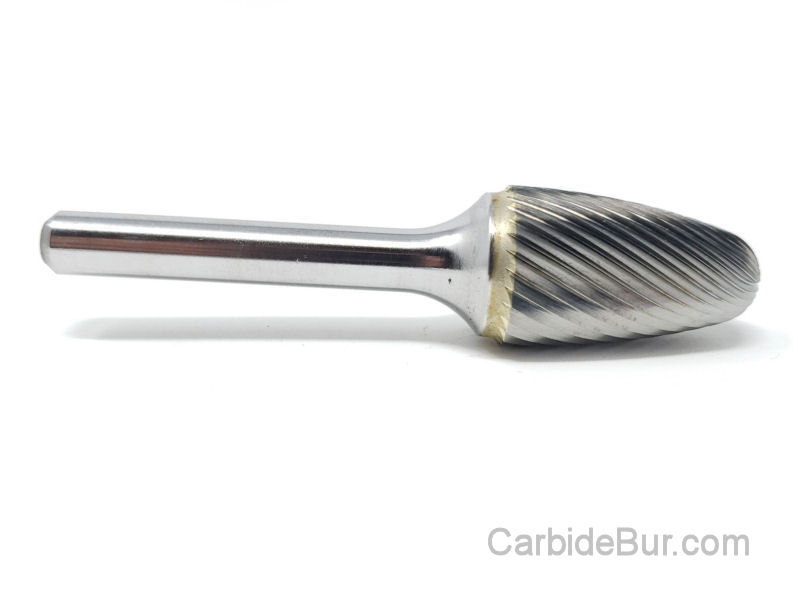
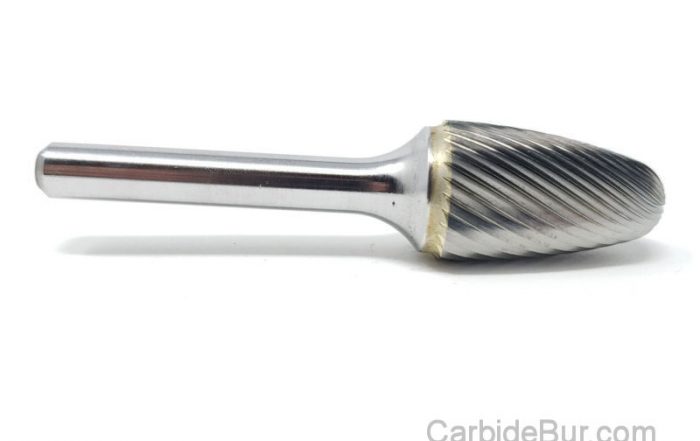
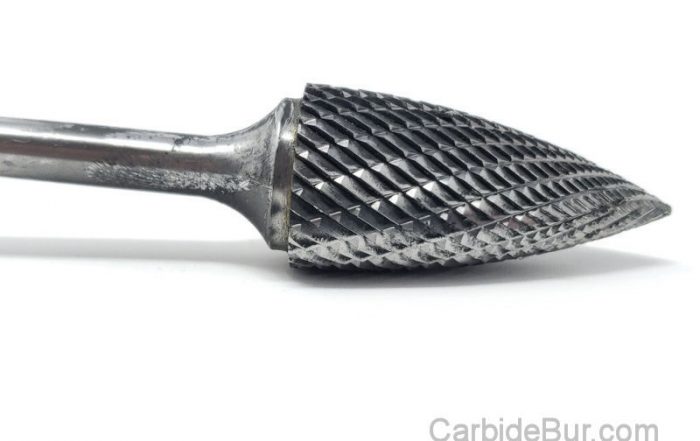
Tree Burrs: Navigating Curves
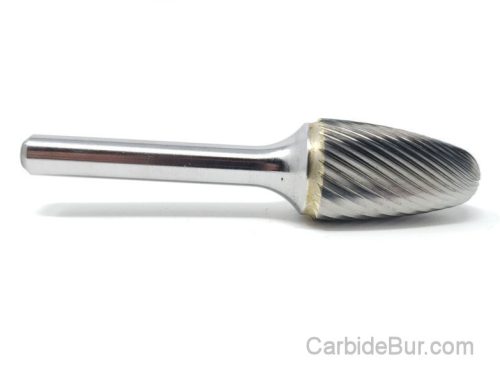
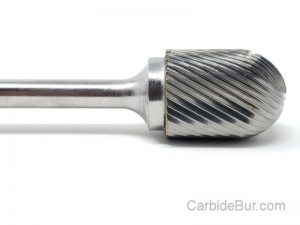
Tree burrs are the masters of curved surfaces. With a pointed tip, they navigate contours and concave areas with ease. Use them to carve out intricate designs or smooth out uneven surfaces. They offer the flexibility needed to handle complex shapes. This makes them invaluable in projects where precision is paramount. Discover more about their versatility here.
Choosing the Right Burr for Your Project
Selecting the right burr shape involves understanding both your material and project needs. Let’s explore what you should consider.
Factors to Consider
When choosing a burr, think about the material you’re working with and the desired outcome. Consider the project’s complexity and the level of detail required. The burr’s size, shape, and cut type also play significant roles. A well-chosen burr can streamline your work, reducing the time it takes to achieve your goals.
Matching Burr Shape to Material
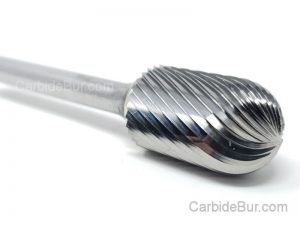
Each material reacts differently to various burr shapes. Metalworking may require a different approach than wood or stone. For instance, when working with metal, choosing a burr like those recommended here can enhance performance. Matching the burr to your material ensures better results and prolongs tool life.
Benefits of Proper Burr Selection
Choosing the right burr can transform your project outcomes. Let’s see how this choice impacts different fields.
Enhancing Precision in Metalworking
In metalworking, precision is key. The right burr offers control, allowing you to make accurate cuts and shapes. This precision reduces waste and enhances the quality of the final product. Metalworkers often achieve superior finishes and intricate details by selecting the appropriate burr.
Perfecting Designs in Jewelry Making
Jewelry making demands attention to detail. Using the correct burr ensures cleaner cuts and enhances design precision. It allows jewelers to execute intricate patterns and smooth edges effectively. This precision leads to stunning pieces that stand out.
Maintenance and Care Tips
Proper care extends the life of your carbide burrs. Let’s explore some maintenance tips to keep them in top shape.
Ensuring Longevity of Your Tools
Maintain your burrs by cleaning them after each use. Use a brush to remove material buildup. Store them in a dry place to prevent rust and damage. Regular maintenance ensures they perform at their best and last longer.
Safe Practices for Burr Usage
Safety should always be a priority. Wear protective gear, such as goggles and gloves, when using carbide burrs. Ensure your workspace is well-lit and free from clutter. Proper handling reduces the risk of accidents and ensures your projects go smoothly.
Frequently Asked Questions
What are carbide burrs used for?
Carbide burrs shape, grind, and cut various materials. They are essential in metalworking, woodworking, and jewelry making for their precision and durability.
How do you choose the right burr shape?
Choose based on your material and project needs. Consider factors like the material’s hardness, the desired finish, and the complexity of the task.
What is the best burr for tight spaces?
Cone and tree burrs excel in tight spaces. Their shapes allow for precision work around detailed contours and narrow areas.
How can I maintain carbide burrs?
Clean burrs after each use and store them in a dry space. Regular maintenance, like removing buildup, keeps them sharp and effective.
Are carbide burrs safe to use?
Yes, with proper precautions. Always wear protective gear and ensure your workspace is safe. Follow guidelines to minimize risks while using these tools.
Looking for Carbide Bur Tools?
Check out our entire selection of USA made carbide bur die grinder tool bits
Follow us on Twitter

Return to CarbideBur.com
Carbide Burs – 1/4″ on 1/8″ Shanks – Accessories – Aluminum Cut – Bur Sets – End Mills – Long Shank – Solid Burs
Carbide Burrs for Tight Spaces: Choosing the Right Shape
Carbide Burrs for Tight Spaces: Choosing the Right Shape Tackling tight spaces with the wrong carbide burrs wastes time and risks damaging your work. Choosing the right burr shape makes all the difference when working [...]
Can Carbide Burrs Remove Paint From Metal?
Can Carbide Burrs Remove Paint From Metal? Stripping paint from metal often feels like a tough chore that risks damaging the surface underneath. Many turn to carbide burrs hoping they can speed things up without [...]
How to Grind a Groove in Metal With a Carbide Burr
How to Grind a Groove in Metal With a Carbide Burr Most metalworkers struggle to cut clean grooves without wasting time or ruining their workpiece. Many try different metalworking tools but end up with uneven [...]
Can Carbide Burrs Cut Through Welds?
Can Carbide Burrs Cut Through Welds? Cutting through welds can feel like a battle, especially when you need clean results without harming the base metal. Carbide burrs offer a sharp edge in this fight, but [...]
How to Use a Carbide Burr With a Die Grinder
How to Use a Carbide Burr With a Die Grinder Most people treat a carbide burr like just another tool, but using it with a die grinder takes skill. If you’ve struggled with burr installation [...]
1/8 vs 1/4 Inch Carbide Burrs: What’s the Difference?
1/8 vs 1/4 Inch Carbide Burrs: What's the Difference? Choosing between a 1/8 inch carbide burr and a 1/4 inch carbide burr can change how your project turns out. Many machinists and hobbyists overlook how [...]
Best Carbide Burr for Removing Flash From Castings
Best Carbide Burr for Removing Flash From Castings Removing flash from castings is a task that can slow down your entire metalworking process if you don’t have the right tools. Picking the best carbide burr [...]
What RPM Should You Use for a 1/4 Inch Carbide Burr?
What RPM Should You Use for a 1/4 Inch Carbide Burr? Most machinists guess the right speed for a 1/4 inch carbide burr and hope for the best. Using the wrong carbide burr RPM can [...]
Long Shank Carbide Burrs: When Do You Need One?
Long Shank Carbide Burrs: When Do You Need One? Most machinists overlook the power of long shank carbide burrs until a project demands precision in tight spaces. When your usual tools can’t reach intricate contours, [...]
How Deep Can a Carbide Burr Cut Metal?
How Deep Can a Carbide Burr Cut Metal? Carbide burrs often get praised for their precision, but many users hit a wall wondering how deep they can actually cut metal. The truth is, cutting depth [...]
How to Use Carbide Burrs for Port Matching
How to Use Carbide Burrs for Port Matching Most engine builds hit a wall when airflow doesn’t flow smoothly between the ports and manifolds. If your engine isn’t breathing right, your performance stalls. Using the [...]
Best Carbide Burr for Porting Intake Manifolds
Best Carbide Burr for Porting Intake Manifolds Porting intake manifolds can make or break your engine’s airflow, yet many struggle with the right tools for the job. Choosing the best carbide burrs is key to [...]