How to Use Carbide Burrs for Port Matching
Most engine builds hit a wall when airflow doesn’t flow smoothly between the ports and manifolds. If your engine isn’t breathing right, your performance stalls. Using the right carbide burrs for port matching can clean up those rough transitions, improving how air moves through your engine. This guide breaks down which burr shapes to use and how to handle manifold transitions to boost your engine efficiency. For more details, you can check out this resource on burr shapes for porting success.
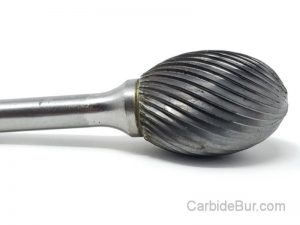
Introduction to Carbide Burrs
Carbide burrs are essential tools in the world of automotive performance. They can make a significant difference in how your engine breathes, impacting overall efficiency. Let’s explore how these tools fit into the port matching process.
Understanding Carbide Tools
Carbide tools are made to withstand high-speed rotations. They are built from extremely hard materials, allowing them to cut through metals with ease. This makes them perfect for shaping and smoothing engine parts. When you’re working with engine components, you need tools that won’t wear down quickly. Carbide burrs offer durability and reliability, ensuring that you can achieve precise results without frequent replacements.
By using carbide burrs, you can address intricate details in port matching. This process involves smoothing out the pathways through which air and fuel travel in your engine. Properly matching these ports can lead to better engine performance and more efficient airflow.
Importance of Port Matching
Port matching is a crucial step in engine tuning. It involves aligning the intake and exhaust ports to ensure smooth airflow. When ports are not matched, it creates turbulence, which reduces engine efficiency. By aligning these pathways, you eliminate restrictions that hinder performance. This results in a smoother and more powerful engine operation.
Without proper port matching, you might find that your engine struggles to deliver the power you expect. It’s an often-overlooked process that can significantly improve how your engine functions.
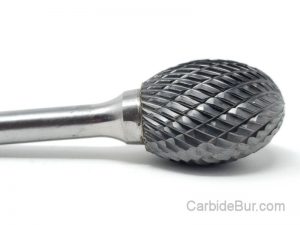
Benefits for Engine Performance
The benefits of using carbide burrs for port matching are numerous. First, you’ll notice a significant improvement in engine responsiveness. With smoother airflow, your engine can react more quickly to throttle changes. Second, there’s the potential for increased horsepower. By optimizing airflow, you allow the engine to burn fuel more efficiently, extracting more power.
Moreover, a well-matched engine has a longer lifespan. By reducing stress on the engine components, you minimize wear and tear, leading to fewer breakdowns and less maintenance.
Types of Carbide Burrs
Choosing the right carbide burrs is essential for effective port matching. Various shapes and sizes cater to different tasks within the engine. Selecting the right one can make all the difference.
Essential Burr Shapes
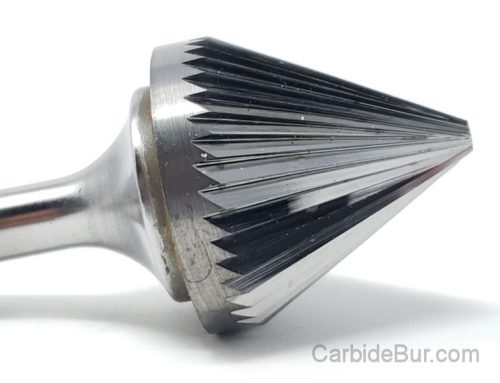
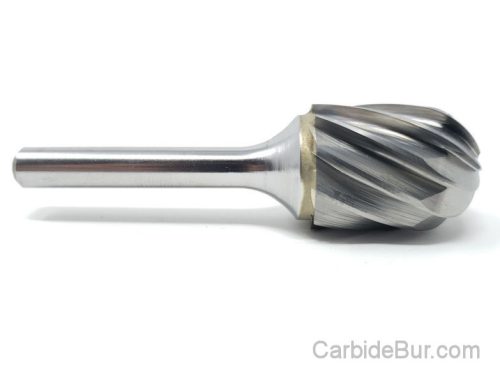
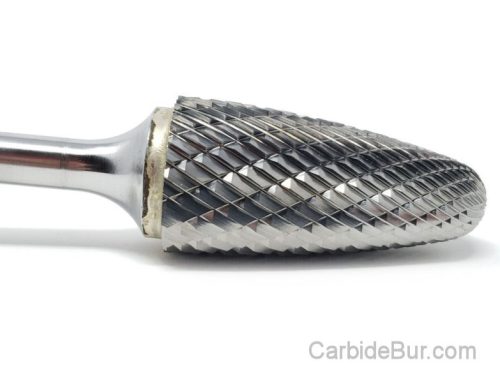
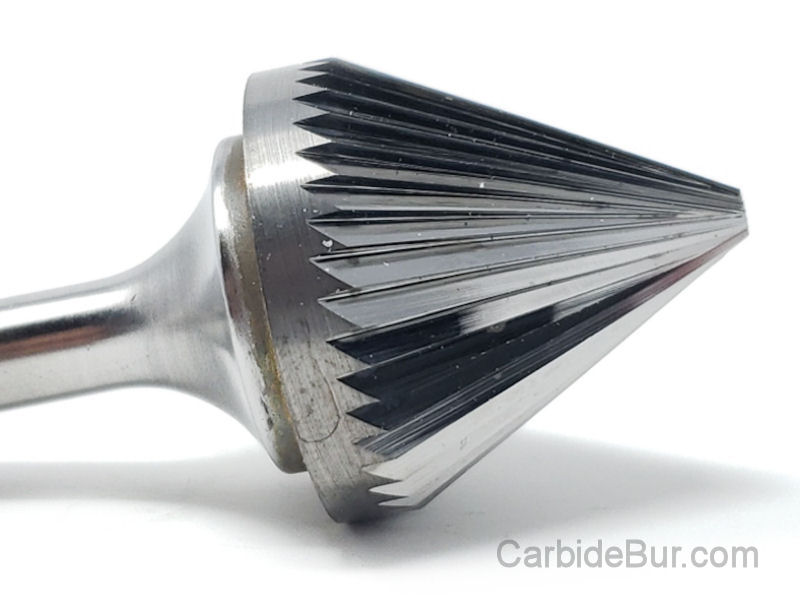
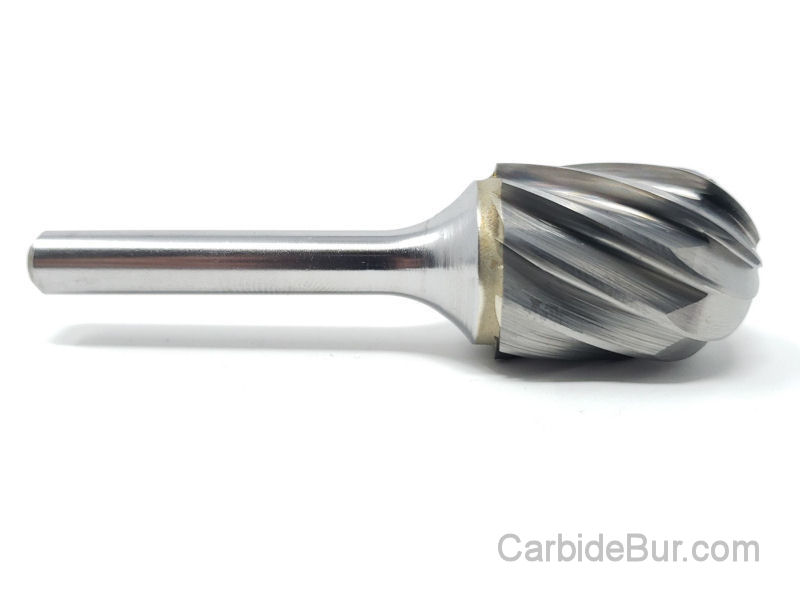
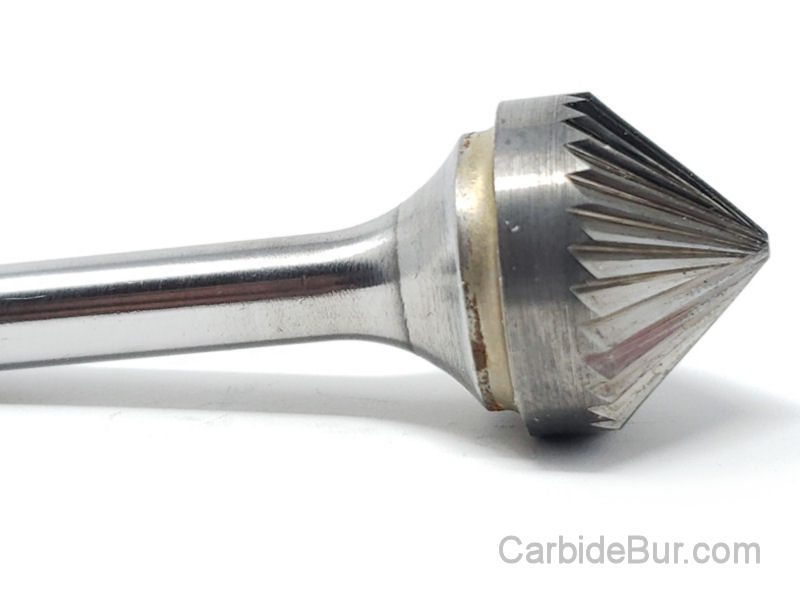
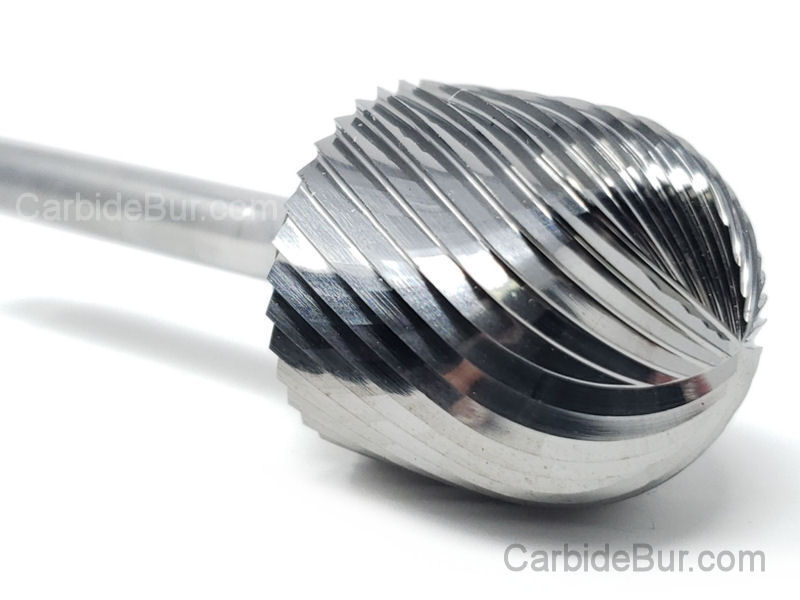
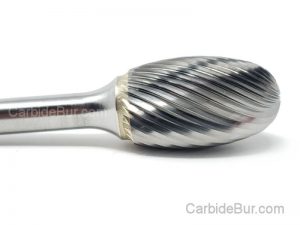
The shapes of burrs are designed for specific tasks. For instance, cylindrical burrs are perfect for flat surfaces and removal of excess material. Flame-shaped burrs are excellent for hard-to-reach corners and curves. Then there are ball-shaped burrs, which are ideal for creating concave cuts and contours.
Each shape serves a purpose, helping you achieve the exact finish you need for your ports. By understanding these shapes, you can select the best tool for each stage of port matching.
Choosing the Right Burr for Engines
Selecting the correct burr for your engine requires some know-how. Consider the material you’re working with: aluminum manifolds, for instance, require different burrs than cast iron. Aluminum is softer, so a less aggressive burr might be suitable. On the other hand, cast iron needs a burr that can withstand more punishment.
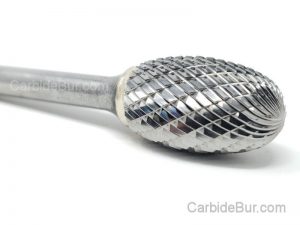
Additionally, think about the finish you desire. A rough cut removes material quickly, while a finer finish requires a more precise burr. Matching the burr to the material and desired outcome ensures the best results.
Burr Selection Tips
When choosing burrs, always look at the speed rating. Higher speeds can lead to cleaner cuts but require more control. Also, invest in quality burrs. Cheap tools might save money initially, but they wear out faster, costing more in the long run.
Regularly inspect your burrs. Dull burrs can damage your engine parts and lead to poor finishes. Keep them sharp and clean to maintain peak performance.
Techniques for Port Matching
Mastering the techniques of port matching involves preparation and precision. Knowing how to set up your workspace and execute clean transitions is key.
Preparing for Port Matching
Preparation is crucial. Begin by disassembling the engine components you’ll be working on. Clean them thoroughly to remove any debris or old gasket material. This ensures you have a clear view of the areas needing port matching.
Measure the ports to understand the adjustments needed. Use a good light source to inspect the surfaces, identifying any rough spots or misalignments. Proper preparation sets the stage for successful port matching.
Achieving Manifold Transitions
When achieving manifold transitions, focus on smoothing out the areas where the manifold meets the cylinder head. Any mismatch here can disrupt airflow. Use a cylindrical burr to remove excess material, ensuring a smooth transition path.
Work slowly, taking small amounts of material at a time. This precision prevents mistakes and ensures that the manifold aligns correctly with the ports. Consistency is critical for achieving perfect transitions.
Ensuring Seamless Port Alignments
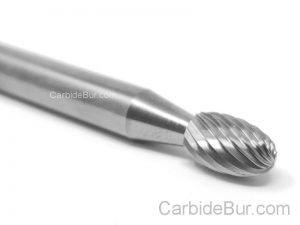
Seamless port alignments require patience and attention to detail. The goal is to ensure that the intake and exhaust ports are aligned perfectly with the manifold. Use a combination of burrs to achieve this alignment, moving from rough cuts to fine polishing.
Regularly check your progress by fitting the manifold to the cylinder head. This ensures that your alignments are on track and allows for adjustments before final assembly.
Enhancing Engine Efficiency
Improving engine efficiency requires a focus on airflow. With proper port matching techniques, you can optimize how air moves through your engine, leading to better performance.
Impact on Airflow Optimization
Airflow optimization is all about reducing resistance in the engine’s air pathways. By using the right carbide burrs, you can smooth out these paths, allowing air to move freely. This leads to a more efficient combustion process, increasing power and reducing fuel consumption.
Optimizing airflow directly impacts engine efficiency. You’ll notice a marked improvement in how your engine runs, delivering better power and fuel economy.
Boosting Engine Responsiveness
A responsive engine is a joy to drive. With properly matched ports, your engine reacts faster to input, providing quicker acceleration and a more engaging driving experience. This responsiveness comes from the reduced restrictions in the air pathways, allowing the engine to breathe more easily.
When your engine can respond swiftly, it enhances the overall driving experience. It’s one of the most rewarding outcomes of effective port matching.
Practical Tips for Better Results
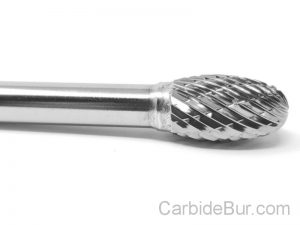
To achieve the best results, keep a few practical tips in mind. Use the right speed settings for your burrs, balancing control with efficiency. Regularly check your work, using a light to spot imperfections. Finally, practice makes perfect. The more you work with burrs, the more skilled you’ll become.
For more insights on using carbide burrs effectively, check out this guide on optimizing burr use.
Conclusion
Successfully using carbide burrs for port matching can lead to significant improvements in engine performance. Let’s recap the key takeaways and motivate you to start your next project.
Key Takeaways
Carbide burrs are essential for effective port matching. They allow for precise shaping and smoothing of engine components, leading to better airflow and improved performance. By selecting the right burr shapes and using proper techniques, you can optimize your engine’s efficiency.
Encouragement for Enthusiasts
For automotive enthusiasts, port matching is a rewarding challenge. It offers the chance to enhance engine performance and learn new skills. Don’t be afraid to experiment and refine your techniques. The results are well worth the effort.
Final Thoughts on Carbide Burrs
Carbide burrs are powerful tools that can transform how your engine performs. With the right approach, they help you achieve seamless transitions and improved efficiency. Embrace the process and discover the potential of your engine.
Frequently Asked Questions
What are carbide burrs used for in engines?
Carbide burrs are used for shaping and smoothing engine ports. They help in cleaning up rough surfaces and aligning ports for optimal airflow, improving engine performance.
How do I choose the right burr shape for port matching?
Select burr shapes based on the task: cylindrical for flat surfaces, flame-shaped for corners, and ball-shaped for concave cuts. Match the burr to the material and the desired finish.
Why is port matching important for engines?
Port matching ensures that air flows smoothly through the engine’s intake and exhaust paths. It reduces turbulence, leading to increased power and efficiency.
Can port matching increase horsepower?
Yes, by optimizing airflow, port matching can increase horsepower. It allows the engine to burn fuel more efficiently, extracting more power.
What tools do I need for port matching?
You’ll need carbide burrs, a rotary tool, measuring tools, and a good light source. These tools help in achieving precise results and proper port alignment.
Looking for Carbide Bur Tools?
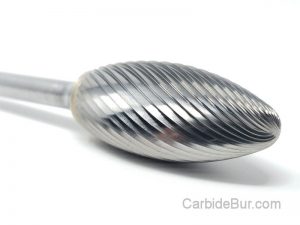
Check out our entire selection of USA made carbide bur die grinder tool bits
Follow us on Twitter

Return to CarbideBur.com
Carbide Burs – 1/4″ on 1/8″ Shanks – Accessories – Aluminum Cut – Bur Sets – End Mills – Long Shank – Solid Burs
How to Use Carbide Burrs for Port Matching
How to Use Carbide Burrs for Port Matching Most engine builds hit a wall when airflow doesn’t flow smoothly between the ports and manifolds. If your engine isn’t breathing right, your performance stalls. Using the [...]
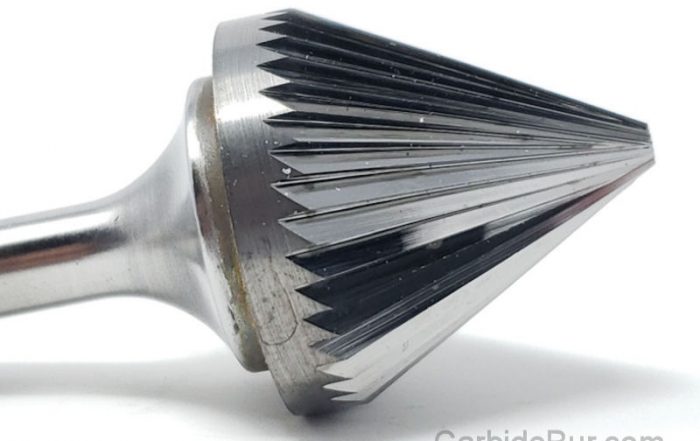
Best Carbide Burr for Porting Intake Manifolds
Best Carbide Burr for Porting Intake Manifolds Porting intake manifolds can make or break your engine’s airflow, yet many struggle with the right tools for the job. Choosing the best carbide burrs is key to [...]
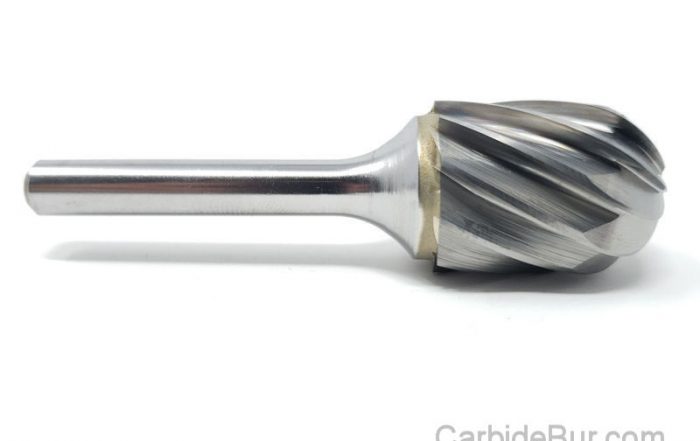
Best Carbide Burr for Concave Surfaces
Best Carbide Burr for Concave Surfaces Concave surfaces can turn a straightforward project into a frustrating challenge if you don’t have the right tool. Carbide burrs designed for these tricky curves make all the difference [...]
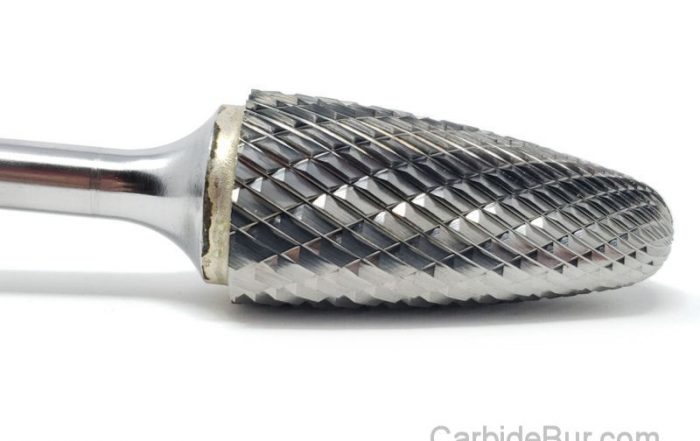
How to Grind a Slot in Metal With a Carbide Burr
How to Grind a Slot in Metal With a Carbide Burr Grinding a precise slot in metal can feel like a tricky task, especially if you’re unsure which tools to trust. Carbide burr grinding offers [...]

Best Carbide Burr for Inside Corners
Best Carbide Burr for Inside Corners Working in tight inside corners can turn even simple projects into frustrating tasks. Many carbide burrs just don’t fit or cut cleanly where you need them most. The best [...]
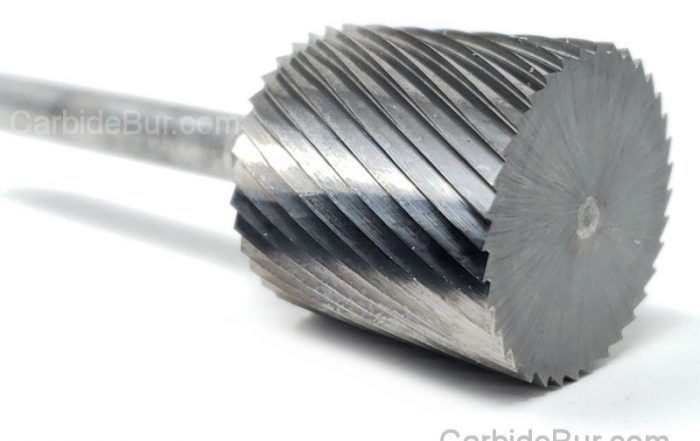
What Size Carbide Burr Do I Need?
What Size Carbide Burr Do I Need? Picking the wrong carbide burr can turn a simple project into a frustrating mess. You might have the best machining tools but still miss the mark if your [...]
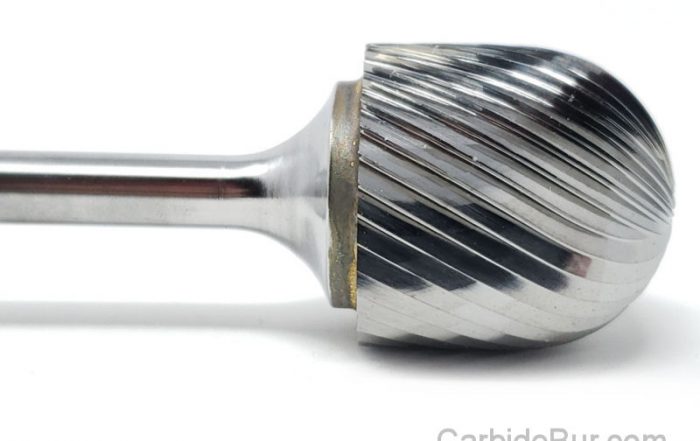
How to Smooth Sharp Metal Edges With a Carbide Burr
How to Smooth Sharp Metal Edges With a Carbide Burr Sharp metal edges can turn your project from professional to risky in seconds. If you’ve struggled with smoothing metal edges without scratching or weakening the [...]

Best Carbide Burr for Porting and Polishing Engine Heads
Best Carbide Burr for Porting and Polishing Engine Heads You’ve spent hours porting engine heads, only to find the finish isn’t quite right. Choosing the right carbide burr for porting and polishing can make all [...]
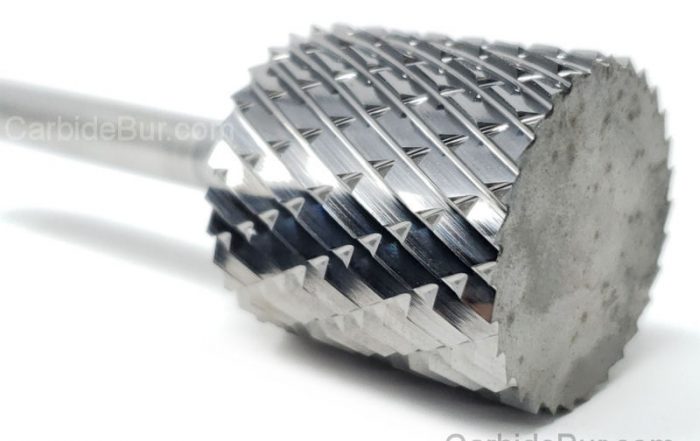
What Is a Cylinder Carbide Burr Used For?
What Is a Cylinder Carbide Burr Used For? Most metalworking tools and woodworking tools promise precision but fall short when handling tough shaping and finishing tasks. If you’ve struggled with rough edges or uneven cuts, [...]
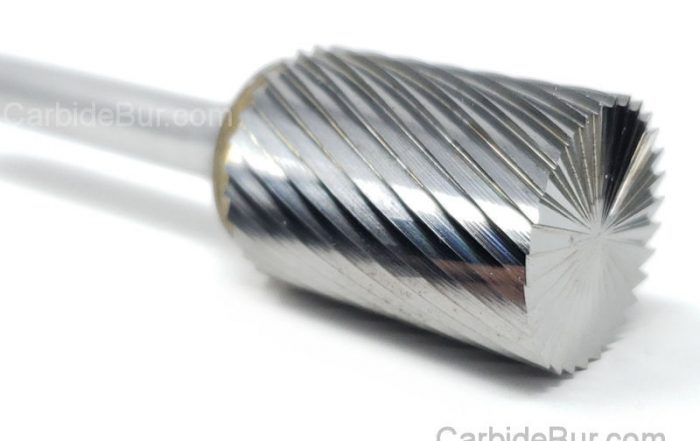
How to Clean and Maintain Carbide Burrs
How to Clean and Maintain Carbide Burrs Carbide burrs can lose their edge fast if you don’t clean them right. You might be wasting time and money by letting debris build up and dull your [...]
Carbide Burr vs. Grinding Wheel: Which Is Better for Metal?
Carbide Burr vs. Grinding Wheel: Which Is Better for Metal? Choosing the right metalworking tools can make or break your project, but picking between a carbide burr and a grinding wheel often leaves you stuck. [...]
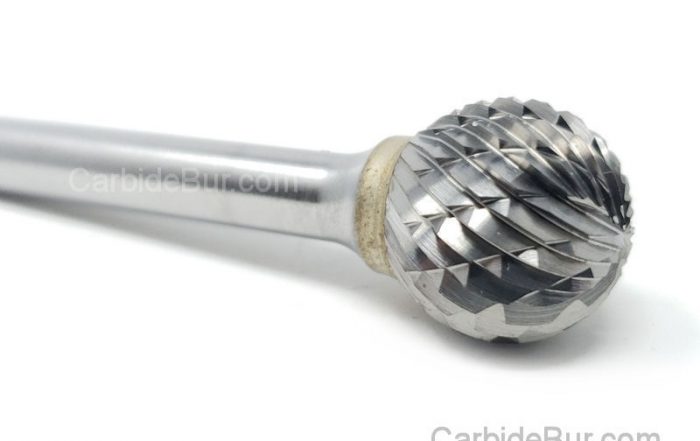
Carbide Burr vs. HSS: Which Cutting Tool Is Better?
Carbide Burr vs. HSS: Which Cutting Tool Is Better? Choosing the right cutting tool can make or break your project’s success. When it comes to carbide burrs and HSS cutting tools, knowing their strengths and [...]