
The Ultimate Guide to Engine Building Tools: Burr Shapes for Porting Success
You’ve got the tools but not all burr shapes deliver the same results for engine porting. Choosing the right carbide burr can make a huge difference in airflow optimization and performance enhancement. This guide breaks down flame, tapered, and cylindrical burr designs so you can pick the best fit for your project and get the most from your engine building tools. For more insights, check out this link.
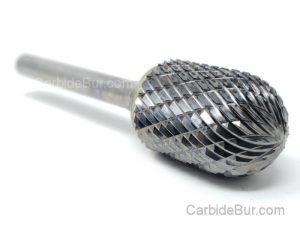
Have you tried our Carbide Burs for your job?
Choosing the Right Burr Shape
Picking the right burr shape can elevate your engine porting game. Each burr design brings unique advantages to the table.
Understanding Burr Shapes for Engine Porting
Engine porting requires precision, and choosing the right burr shape is crucial. Each shape offers different benefits. Flame burrs provide intricate detailing, tapered burrs offer flexibility, and cylindrical burrs ensure even material removal. Knowing these differences helps you make informed choices.
Key Factors in Burr Selection
A few key factors should guide your burr selection: the material you are working with, the intricacy of the design, and the desired finish. Flame burrs are perfect for detailed work on softer metals. Tapered burrs handle a variety of tasks, making them versatile. Cylindrical burrs excel in creating smooth surfaces.
Benefits of Proper Burr Usage
Efficient burr usage results in better engine performance. A well-chosen burr improves airflow and enhances combustion efficiency. This translates to more power and reduced fuel consumption. Proper use also minimizes the risk of damaging engine components, ensuring longevity and reliability.
Exploring Burr Designs
Now, let’s delve deeper into what each burr design offers. Understanding these designs will help you harness their full potential.
Flame Burr for Precision
Flame burrs are your go-to for detailed work. Their pointed tip allows for precision in hard-to-reach areas. This makes them ideal for fine-tuning combustion chambers. When working with aluminum, flame burrs prevent gouging, providing a smooth finish. Their design enhances control, reducing the chance of errors during porting.
Tapered Burr for Versatility
Tapered burrs are versatile tools in your arsenal. They adapt to various porting needs, from shaping to finishing. Their conical shape allows for easy transitions between different surfaces. This flexibility makes them suitable for both beginners and experts. Tapered burrs also handle various materials, offering a consistent finish every time.
Cylindrical Burr for Uniformity
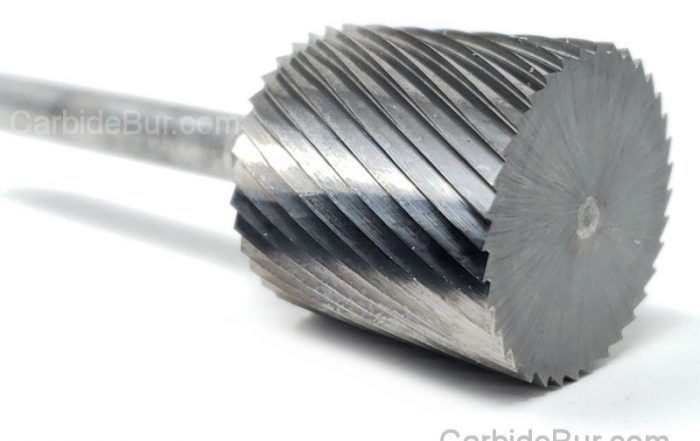
Cylindrical burrs are all about uniformity. They provide a consistent surface across larger areas. This makes them perfect for smoothing out exhaust ports. Their design ensures even material removal, maintaining symmetry. Cylindrical burrs are essential for achieving professional-grade results in engine porting.
Application-Specific Burrs
Knowing which burr to use for specific applications can significantly impact your results. Let’s explore this further.
Optimal Burrs for Chamber Shaping
Chamber shaping demands precision, and the right burr is key. Flame burrs excel here, allowing for detailed work without damaging the chamber walls. This precision ensures optimal combustion efficiency and power output. Using appropriate burrs prevents costly mistakes and ensures consistency in chamber design.
Best Burrs for Airflow Optimization
Airflow optimization requires careful material removal. Here, cylindrical burrs shine. They create smooth, even surfaces that enhance airflow. This, in turn, improves engine efficiency and performance. Choosing the right burr for airflow tasks reduces turbulence, leading to better power delivery and fuel economy.
Performance Enhancement with Burrs
Burrs play a vital role in performance enhancement. By selecting the appropriate burr shape, you can maximize your engine’s potential. Tapered burrs, with their adaptability, allow for both shaping and finishing. This versatility means you can handle a variety of tasks with a single tool, streamlining your porting process.

Tips for Successful Engine Porting
A few tips can make all the difference in your engine porting journey. Let’s cover these essential insights.
Essential Engine Building Tools
Having the right tools is crucial for successful engine porting. Apart from burrs, you’ll need a reliable grinder, safety gear, and measuring instruments. These tools ensure precision and safety throughout the process. Investing in quality tools translates to better results and fewer setbacks.
Safe Practices in Engine Porting
Safety should always be a priority. Wear appropriate safety gear like goggles and gloves. Ensure your work area is well-ventilated. Regular breaks prevent fatigue, reducing the risk of accidents. Following safe practices protects you and ensures a smoother porting experience.
Achieving Professional-Grade Results
Achieving professional-grade results requires patience and practice. Start with basic shapes before moving to complex designs. Measure twice, cut once: this old adage holds true in engine porting. Consistent practice and attention to detail will elevate your skills, delivering results that rival professionals.
Enhancing Engine Performance
Now that you’re equipped with the right knowledge, it’s time to enhance your engine’s performance.
Burr Design Comparison
Each burr design brings something different to the table. Flame burrs offer precision, tapered burrs provide versatility, and cylindrical burrs ensure uniformity. Understanding these differences allows you to choose the right tool for each task, maximizing efficiency and results.
Material Removal Techniques
Effective material removal is an art. Use light, consistent pressure to avoid gouging. Let the burr do the work: forcing it can lead to mistakes. Practice makes perfect, so don’t rush the process. Taking your time ensures a superior finish and optimal performance.
Future Trends in Porting Tools
The world of porting tools is constantly evolving. New designs and materials are emerging, offering better performance and durability. Staying informed about these trends keeps you at the cutting edge of engine building. Embracing new technologies ensures you’re always ahead of the curve. For more on future trends, visit this insightful article.
In conclusion, mastering burr shapes can transform your engine porting projects. Equip yourself with the right knowledge and tools to achieve exceptional results. The journey to engine excellence begins with the right burr in your hand.
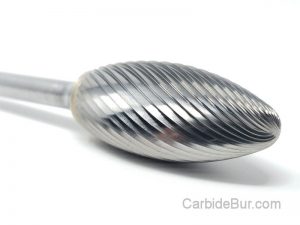
Looking for Carbide Bur Tools?
Check out our entire selection of USA made carbide bur die grinder tool bits
Follow us on Twitter

Return to CarbideBur.com
Carbide Burs – 1/4″ on 1/8″ Shanks – Accessories – Aluminum Cut – Bur Sets – End Mills – Long Shank – Solid Burs
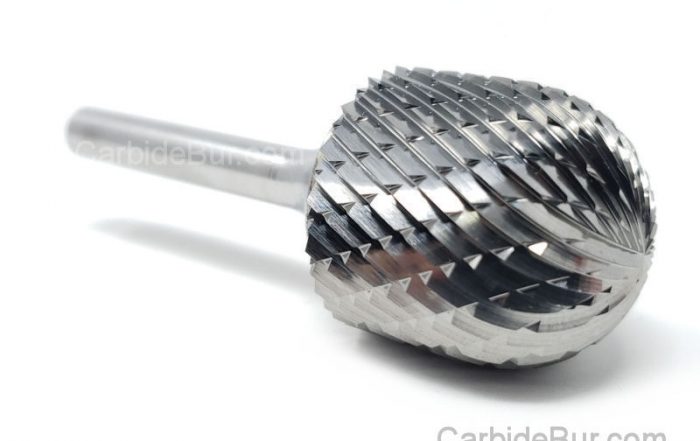
How to Use a Carbide Burr With a Die Grinder
How to Use a Carbide Burr With a Die Grinder Most people treat a carbide burr like just another tool, but using it with a die grinder takes skill. If you’ve struggled with burr installation [...]
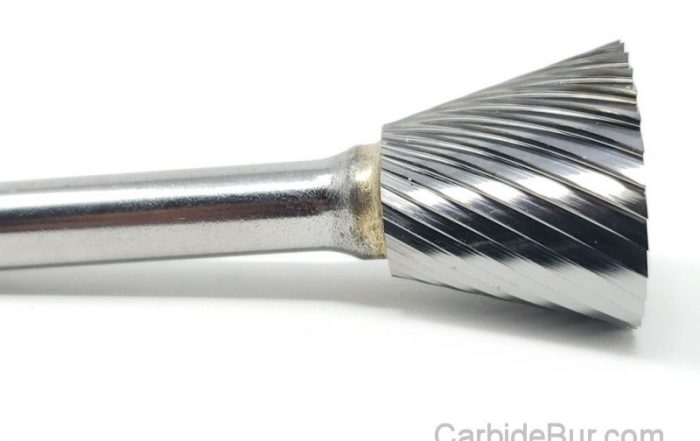
1/8 vs 1/4 Inch Carbide Burrs: What’s the Difference?
1/8 vs 1/4 Inch Carbide Burrs: What's the Difference? Choosing between a 1/8 inch carbide burr and a 1/4 inch carbide burr can change how your project turns out. Many machinists and hobbyists overlook how [...]
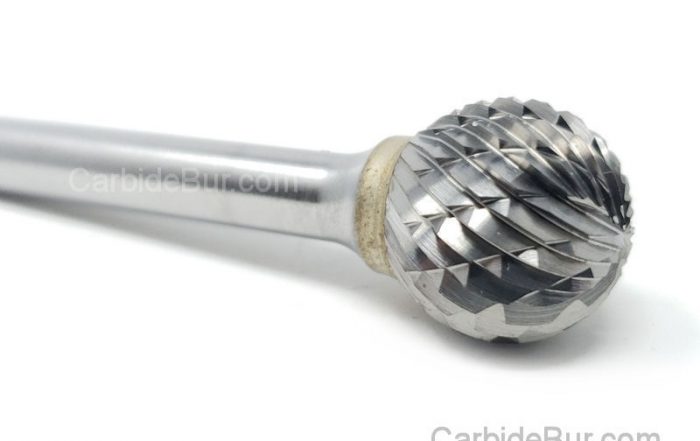
Best Carbide Burr for Removing Flash From Castings
Best Carbide Burr for Removing Flash From Castings Removing flash from castings is a task that can slow down your entire metalworking process if you don’t have the right tools. Picking the best carbide burr [...]
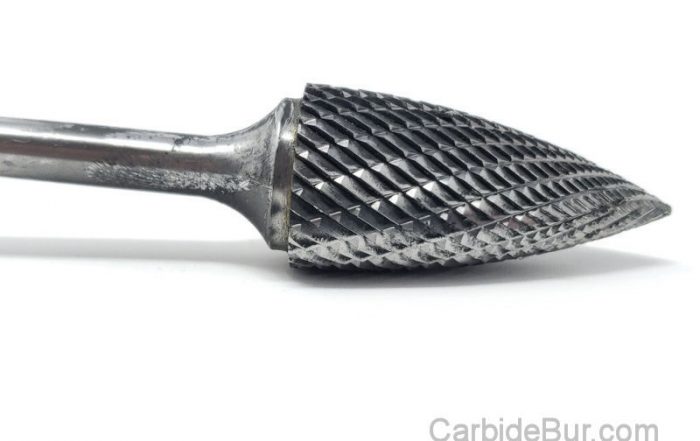
What RPM Should You Use for a 1/4 Inch Carbide Burr?
What RPM Should You Use for a 1/4 Inch Carbide Burr? Most machinists guess the right speed for a 1/4 inch carbide burr and hope for the best. Using the wrong carbide burr RPM can [...]
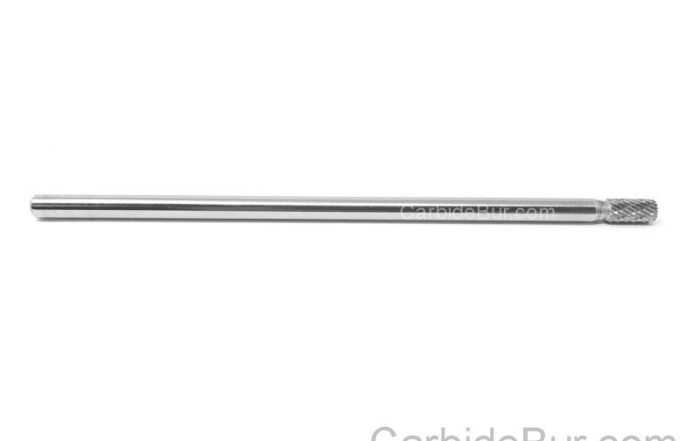
Long Shank Carbide Burrs: When Do You Need One?
Long Shank Carbide Burrs: When Do You Need One? Most machinists overlook the power of long shank carbide burrs until a project demands precision in tight spaces. When your usual tools can’t reach intricate contours, [...]
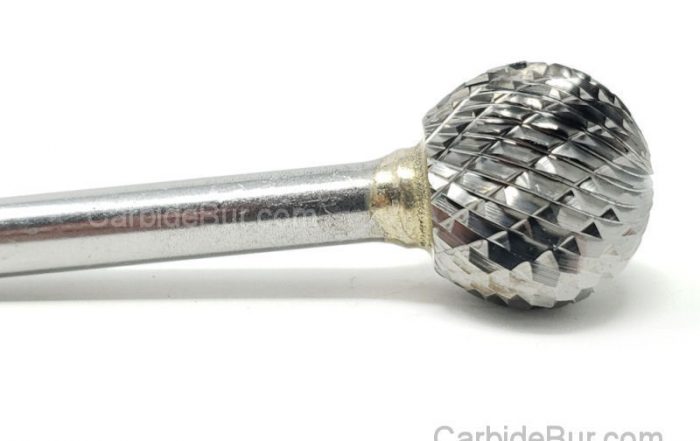
How Deep Can a Carbide Burr Cut Metal?
How Deep Can a Carbide Burr Cut Metal? Carbide burrs often get praised for their precision, but many users hit a wall wondering how deep they can actually cut metal. The truth is, cutting depth [...]
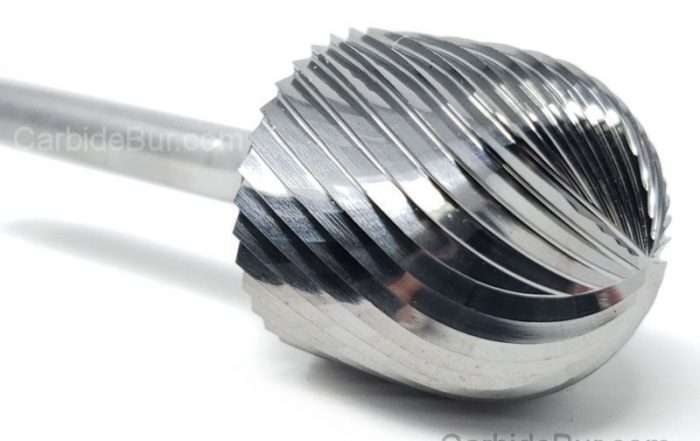
How to Use Carbide Burrs for Port Matching
How to Use Carbide Burrs for Port Matching Most engine builds hit a wall when airflow doesn’t flow smoothly between the ports and manifolds. If your engine isn’t breathing right, your performance stalls. Using the [...]
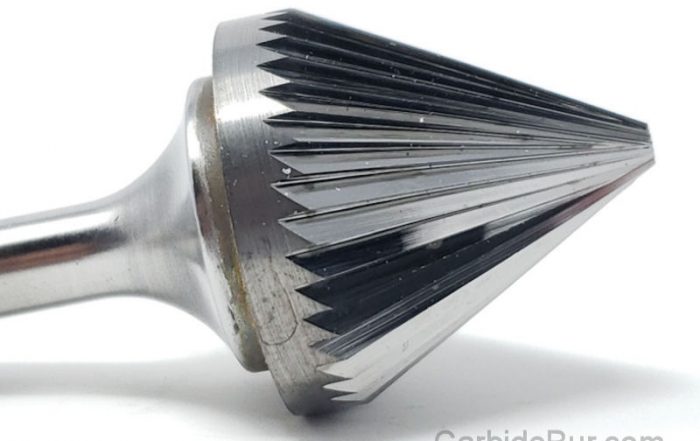
Best Carbide Burr for Porting Intake Manifolds
Best Carbide Burr for Porting Intake Manifolds Porting intake manifolds can make or break your engine’s airflow, yet many struggle with the right tools for the job. Choosing the best carbide burrs is key to [...]
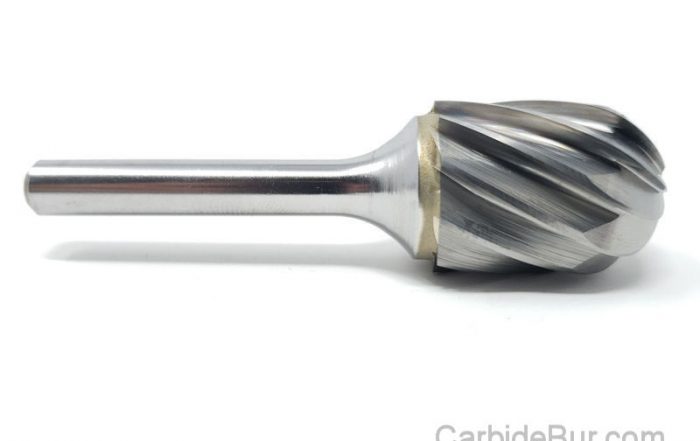
Best Carbide Burr for Concave Surfaces
Best Carbide Burr for Concave Surfaces Concave surfaces can turn a straightforward project into a frustrating challenge if you don’t have the right tool. Carbide burrs designed for these tricky curves make all the difference [...]
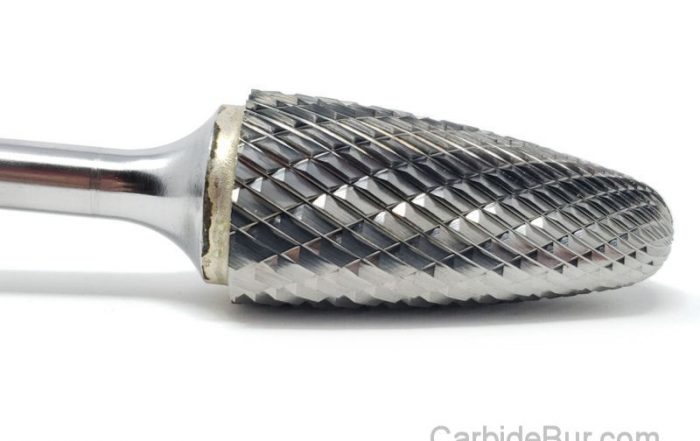
How to Grind a Slot in Metal With a Carbide Burr
How to Grind a Slot in Metal With a Carbide Burr Grinding a precise slot in metal can feel like a tricky task, especially if you’re unsure which tools to trust. Carbide burr grinding offers [...]

Best Carbide Burr for Inside Corners
Best Carbide Burr for Inside Corners Working in tight inside corners can turn even simple projects into frustrating tasks. Many carbide burrs just don’t fit or cut cleanly where you need them most. The best [...]
What Size Carbide Burr Do I Need?
What Size Carbide Burr Do I Need? Picking the wrong carbide burr can turn a simple project into a frustrating mess. You might have the best machining tools but still miss the mark if your [...]
