Best Carbide Burr for Cast Iron: What Metalworkers Should Know
Cast iron’s tough reputation often means your usual carbide burrs just don’t cut it. If you’ve struggled with tool wear or uneven finishes, you’re not alone. This guide breaks down what makes the best burrs for cast iron stand out, from the right shapes and sizes to tooth setups that keep your work smooth and your tools lasting longer. Get ready to sharpen your approach to cast iron machining with tips that keep you confident and in control. For more insights, explore this resource.
Understanding Cast Iron Properties
Cast iron machining requires understanding its unique properties to select the best tools. Let’s start with why this material can be such a challenge.
Brittleness and Challenges
Cast iron is known for being brittle, which can make machining tricky. The material tends to crack under stress rather than deform, requiring careful handling. You might find that cast iron shatters easily, which is why selecting the right tool is crucial.
In addition, cast iron contains graphite flakes that can cause wear on tools. These flakes act like tiny abrasives, wearing down cutting edges faster than other materials. This adds to the challenge of achieving a smooth finish, as the tool must be both sharp and durable. Understanding these factors helps in choosing the right tool for the job, empowering you to achieve better results.
Impact on Burr Selection
The brittleness of cast iron directly impacts burr selection. Choosing the wrong burr can lead to increased tool wear and poor surface finishes. You need burrs that are tough and can handle the abrasive nature of cast iron.
Selecting the right burr configurations can make a big difference. Carbide burrs are preferred because they are hard and resist wear better than other materials. Opt for designs that can withstand the impact of graphite flakes while maintaining cutting efficiency. This helps minimize tool changes and boosts productivity.
Choosing the Right Carbide Burrs
Picking the right carbide burrs for cast iron is key to effective machining. Here’s how to make the best choice.
Types of Carbide Burrs
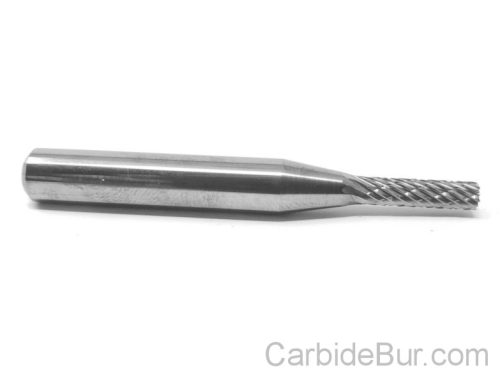
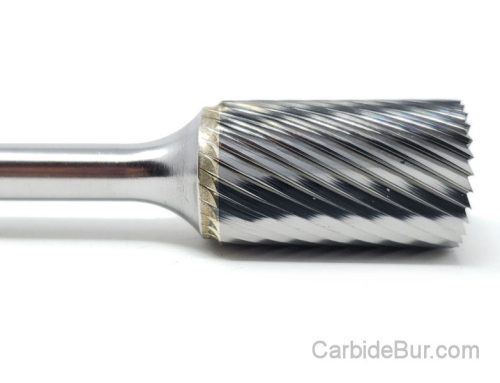
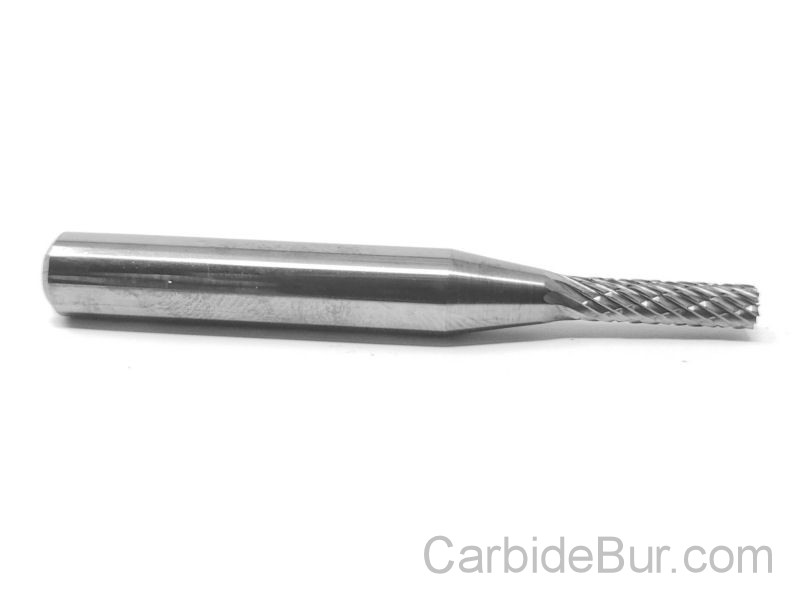
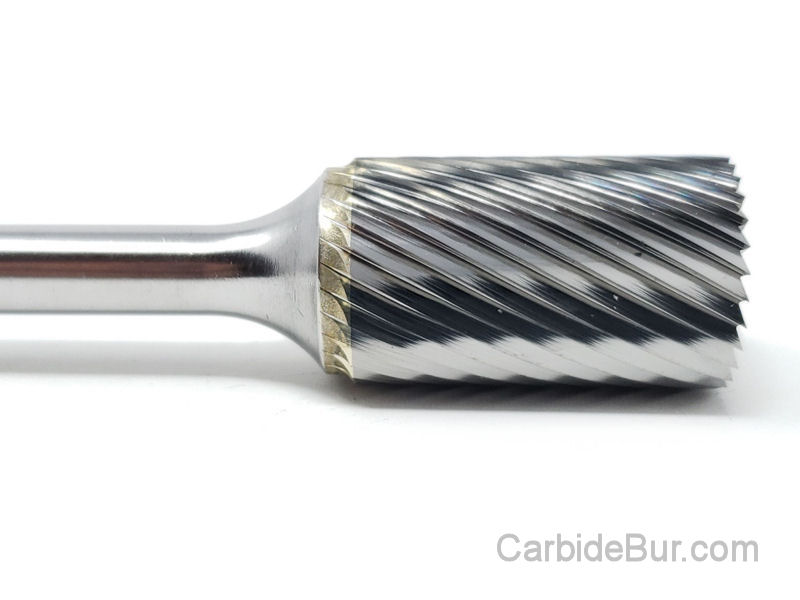
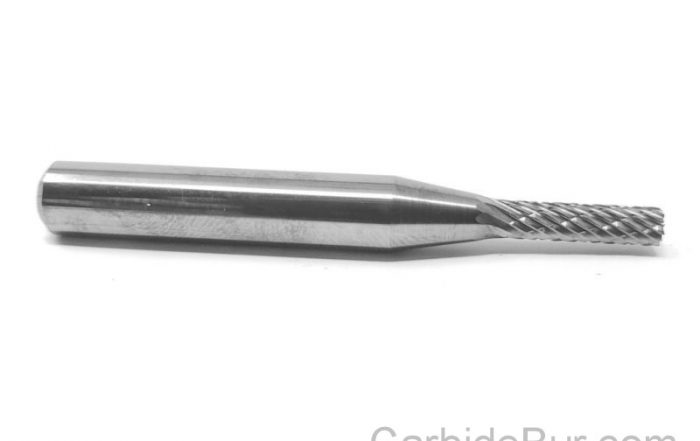
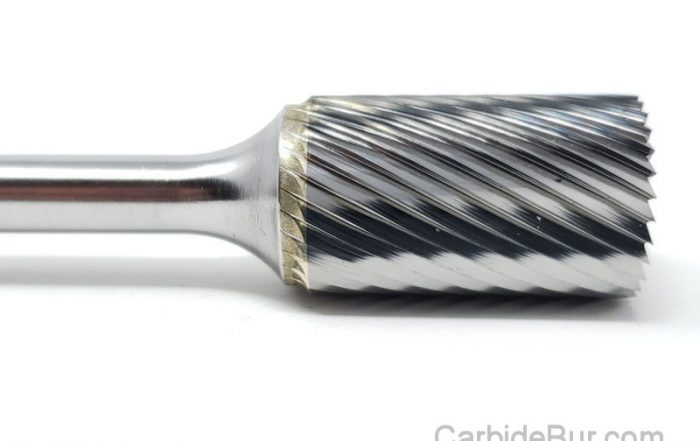
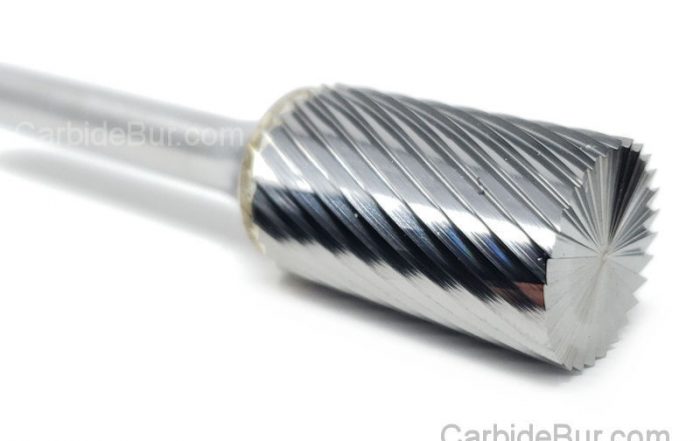
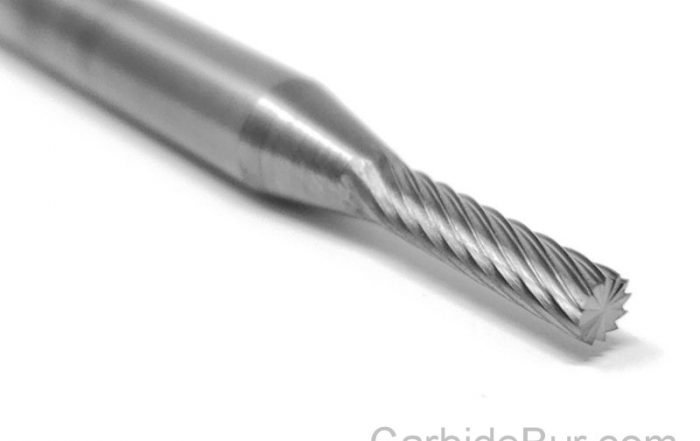
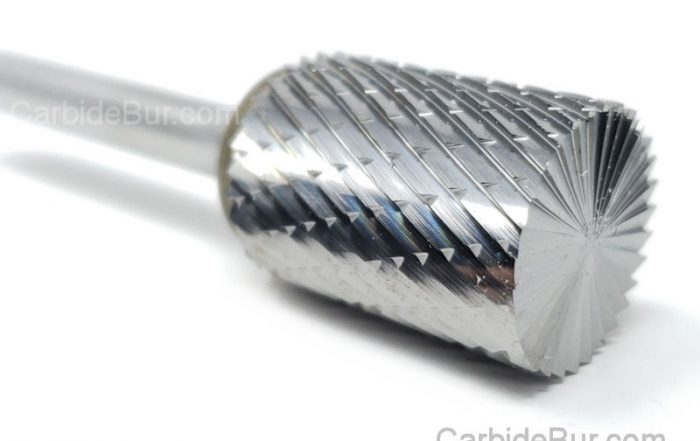
Carbide burrs come in various types, each suited for different tasks. For cast iron, it’s important to choose burrs that can endure the material’s harshness. Cylindrical burrs are ideal for removing large areas of material, while tapered burrs are better for precision work.
Using burrs designed for durability ensures you can tackle cast iron without frequent tool replacements. Some burrs are specifically crafted for cast iron, featuring designs that reduce chipping and breakage. Be sure to select burrs that match your specific machining needs.
Burr Shapes and Sizes
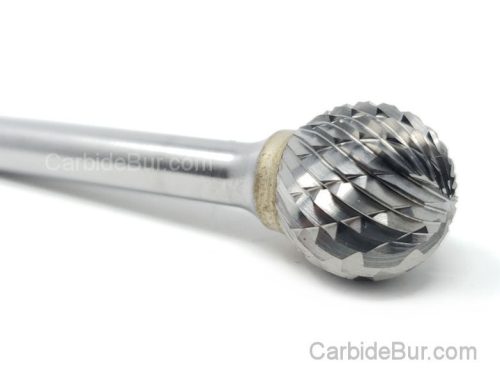
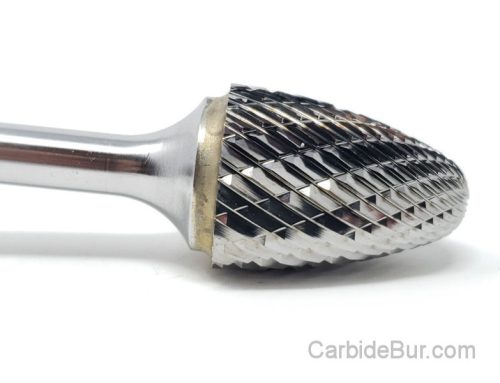
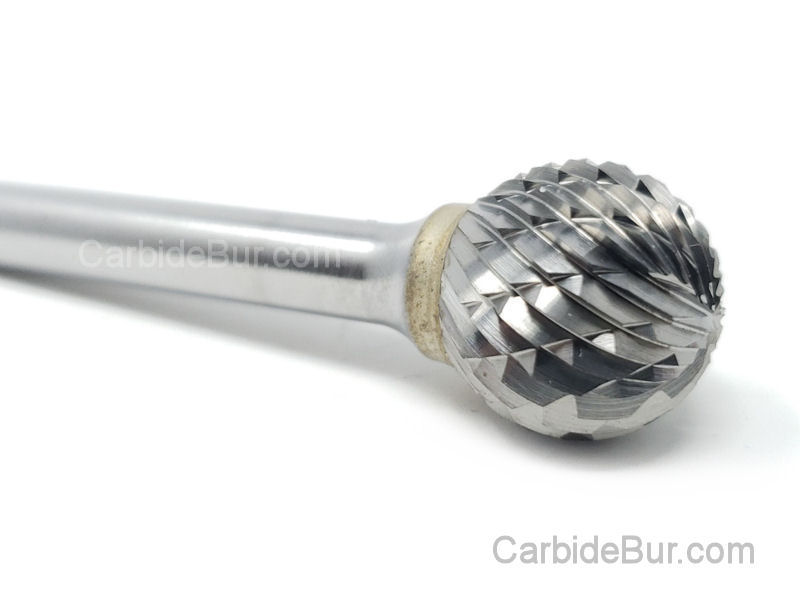
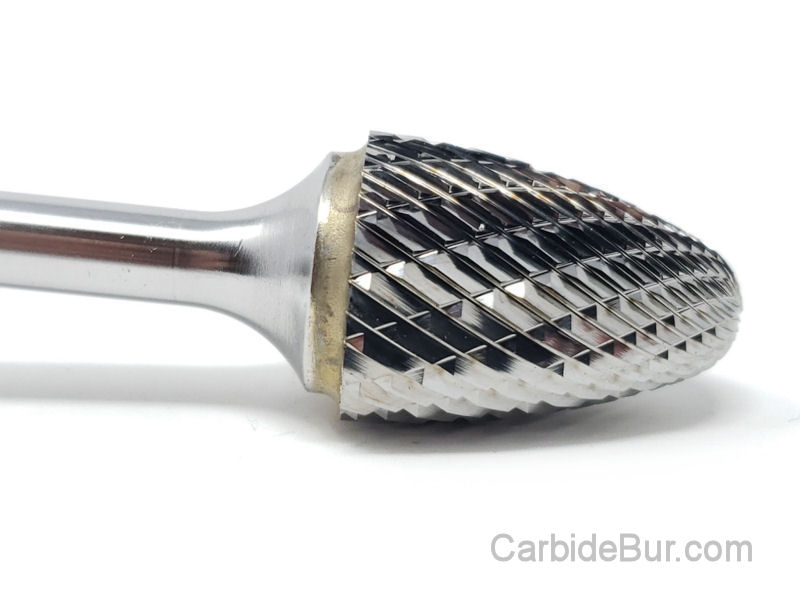
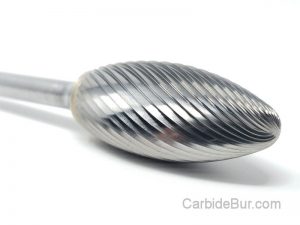
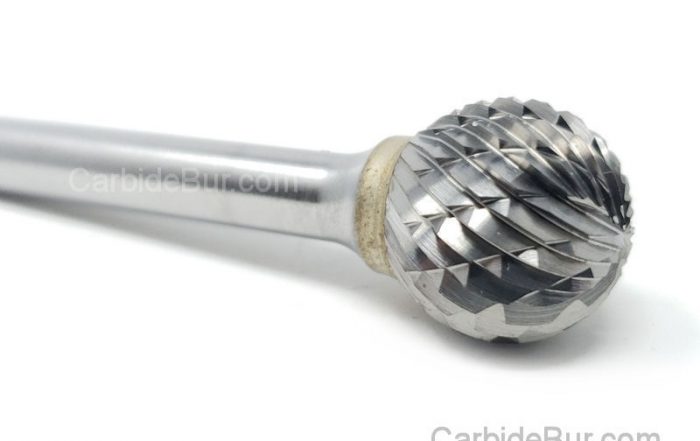
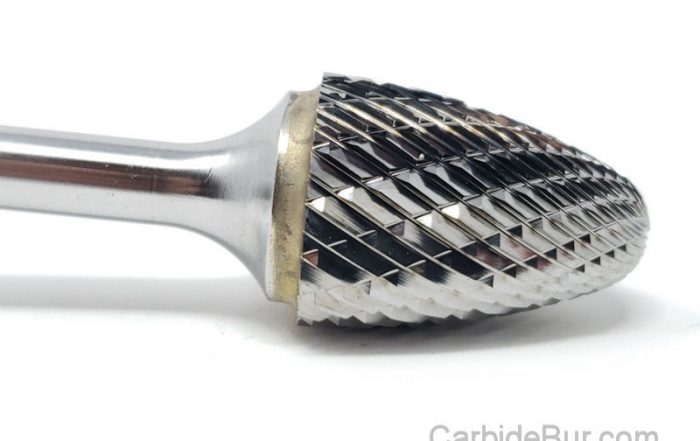
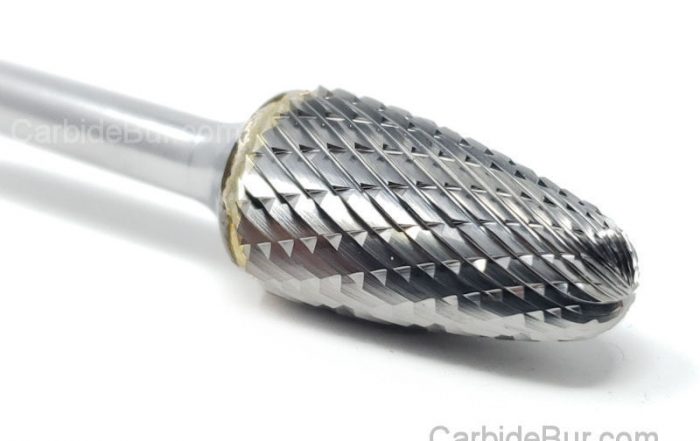
When working with cast iron, burr shapes and sizes can greatly affect your results. Larger burrs are great for extensive material removal, while smaller ones offer precision. The shape of the burr, such as ball-shaped or cylindrical, also plays a role.
Choosing the right shape helps in achieving the desired finish. Ball shapes can help in creating smooth edges, while cylindrical shapes are useful for straight cuts. Selecting the appropriate size and shape depends on the task at hand, ensuring you get the finish you’re aiming for without excessive wear on your tools.
Tooth Configurations for Cast Iron
Tooth patterns on burrs are crucial for effective cast iron machining. Here’s what you need to know.
Selecting Optimal Tooth Patterns
Picking the right tooth configuration can make a significant difference. Coarse teeth are great for heavy material removal, while fine teeth provide smoother finishes. The choice depends on the task—whether you need to remove bulk material or achieve a refined surface.
Opt for burrs with consistent tooth patterns for even performance. This consistency helps in reducing vibration, a common issue with cast iron. A burr with the right pattern ensures smooth operation and better control, leading to superior finishes and less tool wear.
Improving Surface Finish
Achieving a smooth surface on cast iron can be challenging. Selecting the right burr plays a key role in this. Burrs with fine teeth can help achieve a polished finish, minimizing the roughness that often accompanies cast iron work.
Using burrs designed for smoother finishes helps reduce the need for additional processes like sanding. This not only saves time but also extends the life of your tools. A well-chosen burr can be the difference between an average and a top-quality finish.
Maintenance and Safety Practices
Proper maintenance and safety practices are essential when working with carbide burrs. Here are some tips to keep in mind.
Essential Carbide Burr Maintenance
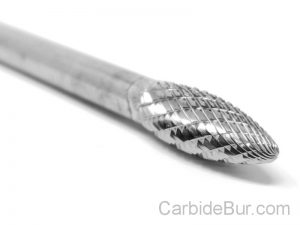
Maintaining your carbide burrs ensures longevity and performance. Regular cleaning is key. Remove debris after each use to prevent buildup that can cause wear. Inspect burrs for signs of wear or damage, replacing them as needed to avoid poor performance.
Sharpen burrs when they become dull to maintain cutting efficiency. Using a diamond wheel can help restore edges. Proper storage also plays a role—keep burrs in a dry, organized space to prevent rust and misplacement. Good maintenance practices ultimately save you time and money.
Ensuring Safe Metalworking Practices
Safety should always be a top priority in metalworking. Wear protective gear like goggles and gloves to shield against flying debris. Secure your workpiece to prevent it from moving unexpectedly during machining.
Use tools with the correct speed settings to avoid overloading burrs. This not only protects your tools but also your safety. Regularly check equipment for proper function, and never use damaged tools. By following these practices, you ensure a safer working environment and prolong the life of your tools.
Practical Tips for Metalworking
When working with cast iron, practical tips can make a big difference. Here’s how to minimize tool wear and enhance machining.
Minimizing Tool Wear
Tool wear is a common issue in cast iron machining. Choosing the right burrs helps, but technique also plays a role. Avoid excessive pressure, which can lead to premature wear. Instead, let the tool do the work—using steady, controlled movements.
Keep tools sharp and clean to reduce wear. Dull tools require more force, leading to faster wear. Regularly check and maintain your tools to prolong their life and maintain performance.
Enhancing Machining Efficiency
Efficiency in machining benefits productivity. Choose tools that match your specific needs. For instance, use larger burrs for bulk removal and smaller ones for detailed work. This approach reduces tool changes and enhances workflow.
Maintain a clean workspace to improve efficiency. A clutter-free environment helps you focus and reduces the risk of accidents. Incorporate these practices for smoother, more efficient machining processes.
Frequently Asked Questions
What are the best burrs for cast iron?
The best burrs for cast iron are made from carbide. They are tough and resist wear better than other materials, making them ideal for working with cast iron’s abrasive nature.
How do I choose the right tooth pattern for cast iron?
Choose a tooth pattern based on your task. Coarse teeth are good for removing large amounts of material, while fine teeth are better for smooth finishes. Consistent patterns help reduce vibration.
How can I minimize tool wear when working with cast iron?
Minimize tool wear by using the right burrs and techniques. Avoid excessive pressure and keep tools sharp and clean. Regular maintenance and proper usage extend tool life.
What safety practices should I follow in metalworking?
Always wear protective gear like goggles and gloves. Secure your workpiece and use tools at the correct speed settings. Regularly check and maintain your equipment for safe operation.
Why is cast iron considered difficult to machine?
Cast iron is brittle and contains graphite flakes, which can cause tool wear and make it challenging to achieve smooth finishes. Proper tool selection and technique are crucial for success.
Looking for Carbide Bur Tools?
Check out our entire selection of USA made carbide bur die grinder tool bits
Follow us on Twitter

Return to CarbideBur.com
Carbide Burs – 1/4″ on 1/8″ Shanks – Accessories – Aluminum Cut – Bur Sets – End Mills – Long Shank – Solid Burs
Carbide Burr vs. Grinding Stone: Which Is Better for Metal Removal?
Carbide Burr vs. Grinding Stone: Which Is Better for Metal Removal? When you need to remove metal, smooth a rough edge, or shape a metal component, two common options are carbide burrs and grinding stones. [...]
Carbide Burr Safety: RPM, Eye Protection, and Common Mistakes
Carbide Burr Safety: RPM, Eye Protection, and Common Mistakes Carbide burrs are versatile cutting tools used for metal fabrication, welding cleanup, engine porting, deburring, and general material removal. When used correctly, they can help remove [...]
How to Stop Aluminum from Clogging Your Carbide Burr
How to Stop Aluminum from Clogging Your Carbide Burr Aluminum is widely used in automotive work, welding, metal fabrication, aerospace components, and general machining. It is lightweight, relatively easy to machine, and versatile across many [...]
Carbide Burrs for Intake Manifolds: Shaping, Cleanup, and Fitment
Carbide Burrs for Intake Manifolds: Shaping, Cleanup, and Fitment Intake manifold work often involves more than simply bolting a component onto an engine. Depending on the application, metal intake components may have casting irregularities, rough [...]
Why Long-Shank Carbide Burrs Are Useful for Hard-to-Reach Areas
Why Long-Shank Carbide Burrs Are Useful for Hard-to-Reach Areas When working on metal parts, the area that needs grinding or shaping is not always easy to reach. Recessed openings, deep cavities, interior surfaces, and complicated [...]
Choosing Carbide Burrs for Stainless Steel Fabrication
Choosing Carbide Burrs for Stainless Steel Fabrication Stainless steel is widely used in fabrication because of its corrosion resistance, strength, and durability. However, those same properties can make it challenging to machine and finish. Removing [...]
Can You Use Carbide Burrs in a Dremel? Shank Sizes Explained
Can You Use Carbide Burrs in a Dremel? Shank Sizes Explained If you use a Dremel or another rotary tool for detail work, metal shaping, or small fabrication projects, you may wonder whether you can [...]
How to Choose the Best Carbide Burr for Welding and Metal Fabrication
How to Choose the Best Carbide Burr for Welding and Metal Fabrication Welding and metal fabrication often require more than joining two pieces of metal together. Once the welding is finished, fabricators frequently need to [...]
Carbide Burrs for Cylinder Heads: What Automotive Enthusiasts Need to Know
Carbide Burrs for Cylinder Heads: What Automotive Enthusiasts Need to Know Cylinder head work is an important part of engine building, restoration, and performance machining. Whether you are cleaning up casting imperfections, refining port surfaces, [...]
Engine Porting 101: How Carbide Burrs Help Shape Cylinder Head Ports
Engine Porting 101: How Carbide Burrs Help Shape Cylinder Head Ports Engine performance enthusiasts, automotive machinists, and engine builders often look for ways to improve airflow through an engine's cylinder heads. One technique used in [...]
When to Use a 4-Inch or 9-Inch Die Grinder Extension
When to Use a 4-Inch or 9-Inch Die Grinder Extension Metal fabrication, welding, automotive repair, and engine building often require working in places where a standard die grinder and carbide burr cannot easily reach. Recessed [...]
Why Buy USA-Made Carbide Burr Tools? What Buyers Should Compare
Why Buy USA-Made Carbide Burr Tools? What Buyers Should Compare When shopping for carbide burr tools, it's tempting to compare products based on price alone. However, professionals who use rotary cutting tools for welding, metal [...]