
Say Goodbye to Metal Debris: Carbide Bur Methods for a Safer Workshop
Metal shavings scattered across your workbench are more than just a nuisance—they’re a safety hazard waiting to happen. After using a carbide bur with your die grinder, picking up those tiny, sharp pieces can be a tedious chore that slows you down. Using a neodymium magnet wrapped in a plastic bag makes ferrous chips cleanup fast and mess-free, keeping your workshop safe and your focus on the job. Let’s explore how this simple tool can change your post-project cleanup for good. For more information, check out this resource.
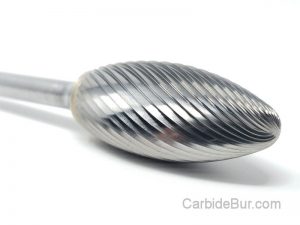
Looking for Carbide Bur Tools?
Check out our entire selection of USA made carbide bur die grinder tool bits
Introduction to Carbide Bur Safety
Workshop safety is crucial. A clean and organized space prevents accidents and helps you work more effectively. Let’s see how you can achieve this.
Importance of Workshop Safety
Your workshop is your creative space. It should be both efficient and safe. A tidy workspace reduces the risk of accidents and boosts productivity. When sharp metal debris is left unchecked, it poses a threat to your safety. 75% of minor workshop injuries are due to clutter and debris. So, keeping your space tidy is not just about aesthetics; it’s about safety and efficiency.
Common Hazards of Metal Debris
Metal debris, especially ferrous chips, can cause harm if not managed properly. They are sharp and can penetrate skin easily, leading to painful injuries. These tiny pieces can also damage your tools over time. Think of them as hidden dangers, lying in wait. If you’re not vigilant, they might cost you time and money in repairs or medical bills.
The Role of Carbide Burs
Carbide burs are essential in machining, but they require careful handling. Knowing how to use them safely can make a big difference in your projects.
Benefits of Carbide Burs in Machining
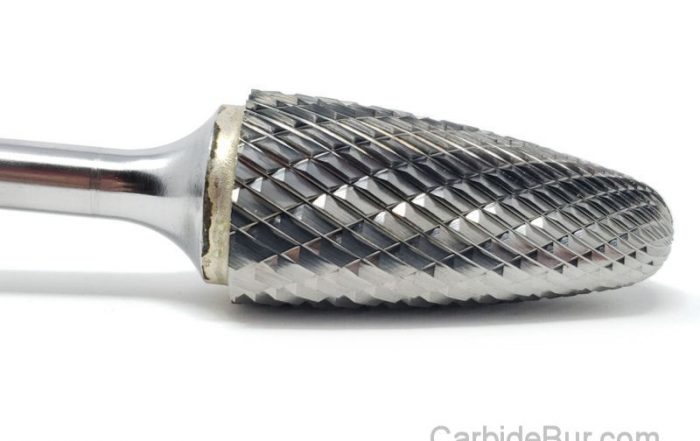
Carbide burs are popular because they are versatile and durable. They allow you to grind, shape, and de-burr metal with precision. This efficiency saves time, letting you focus more on your projects. Many machinists rely on these tools for their long-lasting performance, making them a valuable asset in any workshop.
Choosing the Right Carbide Bur
Selecting the right bur for your project is crucial. Consider the material you are working with and the shape required. A well-chosen bur enhances your work quality and reduces wear on your grinder. Always ensure your burs are sharp and correctly stored. This practice prolongs their life and maintains their performance.
Effective Metal Debris Removal
Removing metal debris efficiently keeps your workspace safe. Let’s uncover the best methods to tackle ferrous chips.
Using a Neodymium Magnet
A neodymium magnet is a powerful tool for debris cleanup. Wrap it in a plastic bag to pick up ferrous chips easily. This method simplifies your cleanup process, saving time and reducing risk. The magnet’s strength ensures that even the smallest particles are collected, keeping your space tidy and safe.
Best Practices for Ferrous Chips Cleanup
Regular cleanup is key to maintaining safety. After each project, quickly scan your work area for stray metal pieces. Use your magnet methodically, moving it over the surface where debris might be hiding. Dispose of the collected chips by peeling the bag off the magnet. This simple step ensures your workshop remains a hazard-free zone.
Enhancing Workshop Efficiency
Making your workshop efficient involves more than just cleanup. It’s about optimizing every part of your process.
Die Grinder Tips for Smooth Operation
Your die grinder is a versatile tool. Ensure it operates smoothly by maintaining it regularly. Check for wear on the burs and replace them when needed. Lubricate moving parts to prevent friction. A well-maintained tool not only lasts longer but also helps you achieve better results in your projects.
Streamlining Post-Project Cleanup
After a project, cleanup can feel daunting. But it doesn’t have to be. Use your magnet trick to quickly gather debris. Organize your tools immediately after use to keep your space clutter-free. This practice reduces stress and keeps you motivated for the next project.
Maintaining a Safe and Tidy Workspace
Keeping your workshop organized improves safety and productivity. Let’s explore how you can achieve a neat environment.
Organizing Tools for Optimal Safety
A well-organized workshop minimizes accidents. Store your tools in designated areas to make them easy to find. Use pegboards or toolboxes to keep everything in its place. Labeling can also help you quickly locate items. This organization ensures your workflow is smooth and uninterrupted.
Long-term Benefits of a Clean Workshop
A clean workshop is more than just pleasing to the eye. It promotes a safe environment, enhances productivity, and extends the life of your tools. Regular maintenance of your workspace saves you time and money in the long run. Embrace these practices and enjoy a safer, more efficient workspace.
For additional insights on starting and maintaining a well-equipped workshop, you might find this catalog helpful.
Looking for Carbide Bur Tools?
Check out our entire selection of USA made carbide bur die grinder tool bits
Follow us on Twitter

Return to CarbideBur.com
Carbide Burs – 1/4″ on 1/8″ Shanks – Accessories – Aluminum Cut – Bur Sets – End Mills – Long Shank – Solid Burs
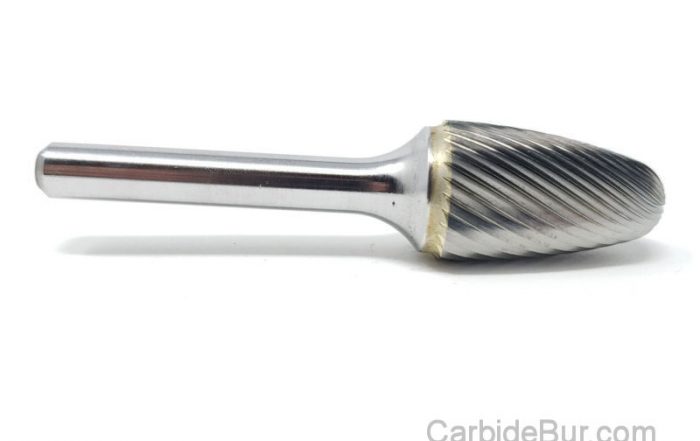
How to Grind a Groove in Metal With a Carbide Burr
How to Grind a Groove in Metal With a Carbide Burr Most metalworkers struggle to cut clean grooves without wasting time or ruining their workpiece. Many try different metalworking tools but end up with uneven [...]
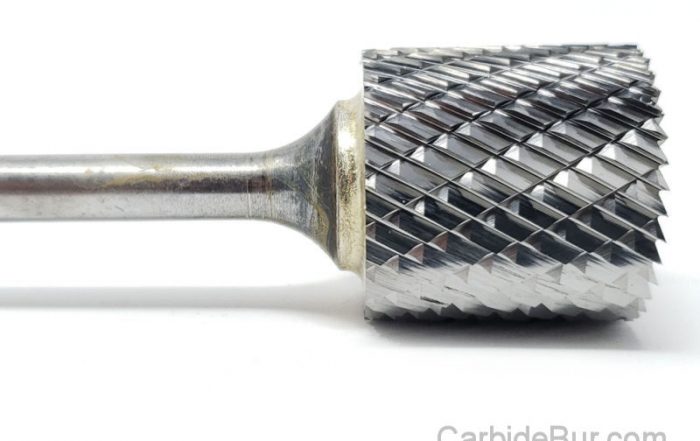
Can Carbide Burrs Cut Through Welds?
Can Carbide Burrs Cut Through Welds? Cutting through welds can feel like a battle, especially when you need clean results without harming the base metal. Carbide burrs offer a sharp edge in this fight, but [...]
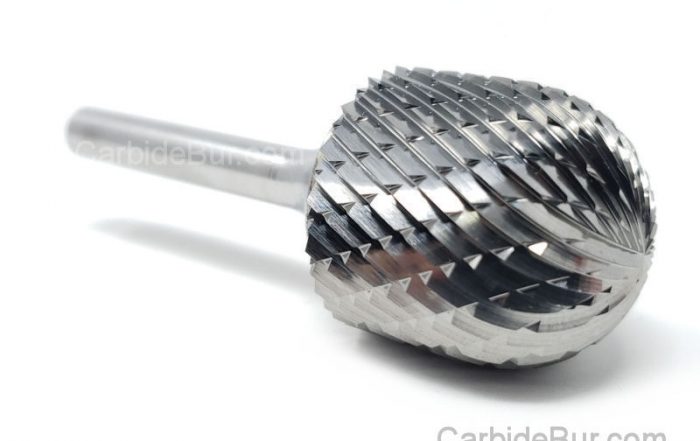
How to Use a Carbide Burr With a Die Grinder
How to Use a Carbide Burr With a Die Grinder Most people treat a carbide burr like just another tool, but using it with a die grinder takes skill. If you’ve struggled with burr installation [...]
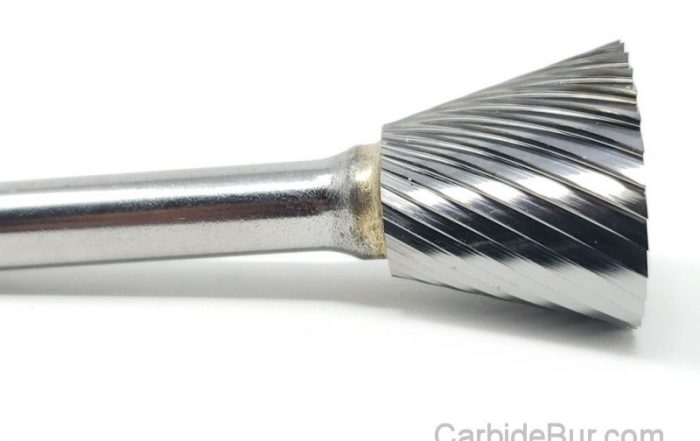
1/8 vs 1/4 Inch Carbide Burrs: What’s the Difference?
1/8 vs 1/4 Inch Carbide Burrs: What's the Difference? Choosing between a 1/8 inch carbide burr and a 1/4 inch carbide burr can change how your project turns out. Many machinists and hobbyists overlook how [...]
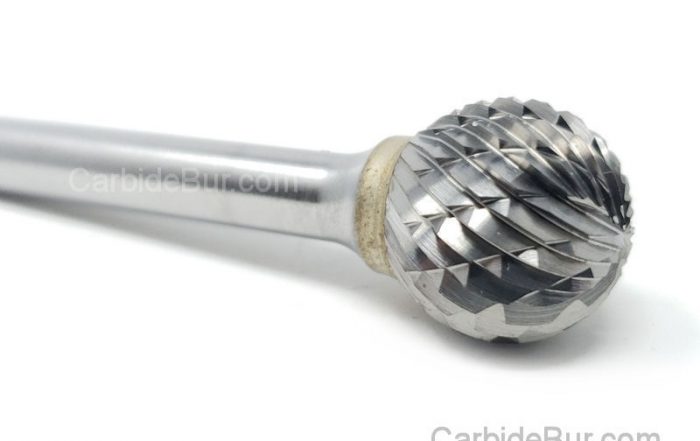
Best Carbide Burr for Removing Flash From Castings
Best Carbide Burr for Removing Flash From Castings Removing flash from castings is a task that can slow down your entire metalworking process if you don’t have the right tools. Picking the best carbide burr [...]
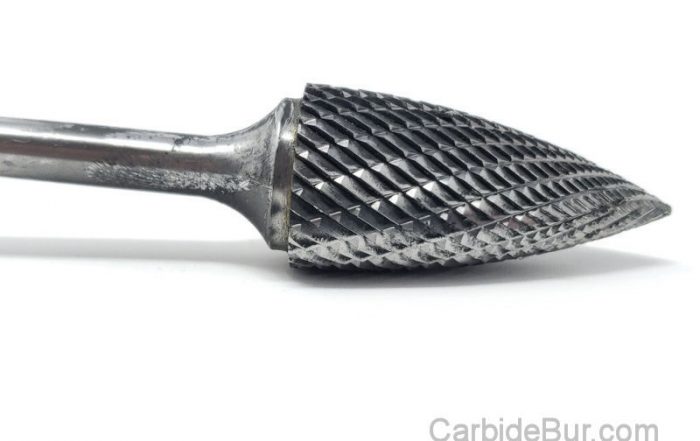
What RPM Should You Use for a 1/4 Inch Carbide Burr?
What RPM Should You Use for a 1/4 Inch Carbide Burr? Most machinists guess the right speed for a 1/4 inch carbide burr and hope for the best. Using the wrong carbide burr RPM can [...]
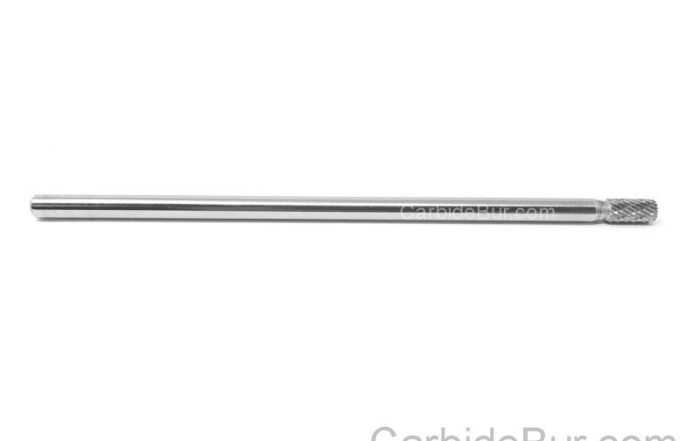
Long Shank Carbide Burrs: When Do You Need One?
Long Shank Carbide Burrs: When Do You Need One? Most machinists overlook the power of long shank carbide burrs until a project demands precision in tight spaces. When your usual tools can’t reach intricate contours, [...]
How Deep Can a Carbide Burr Cut Metal?
How Deep Can a Carbide Burr Cut Metal? Carbide burrs often get praised for their precision, but many users hit a wall wondering how deep they can actually cut metal. The truth is, cutting depth [...]
How to Use Carbide Burrs for Port Matching
How to Use Carbide Burrs for Port Matching Most engine builds hit a wall when airflow doesn’t flow smoothly between the ports and manifolds. If your engine isn’t breathing right, your performance stalls. Using the [...]
Best Carbide Burr for Porting Intake Manifolds
Best Carbide Burr for Porting Intake Manifolds Porting intake manifolds can make or break your engine’s airflow, yet many struggle with the right tools for the job. Choosing the best carbide burrs is key to [...]
Best Carbide Burr for Concave Surfaces
Best Carbide Burr for Concave Surfaces Concave surfaces can turn a straightforward project into a frustrating challenge if you don’t have the right tool. Carbide burrs designed for these tricky curves make all the difference [...]
How to Grind a Slot in Metal With a Carbide Burr
How to Grind a Slot in Metal With a Carbide Burr Grinding a precise slot in metal can feel like a tricky task, especially if you’re unsure which tools to trust. Carbide burr grinding offers [...]
