Carbide Burrs for Removing Rust: What Works Best?
Rust can turn your favorite tools into useless junk faster than you expect. Removing it without ruining the metal underneath takes more than just elbow grease—it demands the right carbide burrs. This post breaks down which burr shapes and sizes cut through rust best, how their cutting characteristics affect your work, and tips to keep your metal surface restoration smooth and safe. By the end, you’ll know exactly which carbide burr for rust removal fits your tool maintenance needs. For more insights, check out how to choose the best carbide burr tool for your material and application.
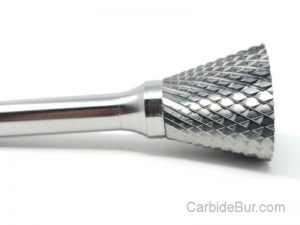
Understanding Carbide Burrs
Carbide burrs are your go-to tool for rust removal, offering precision and durability. Let’s dive into what makes them so effective.
Types of Carbide Burrs
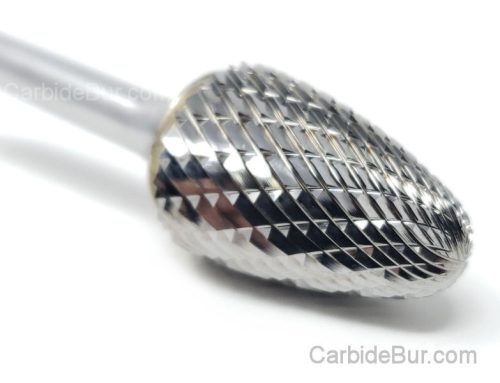
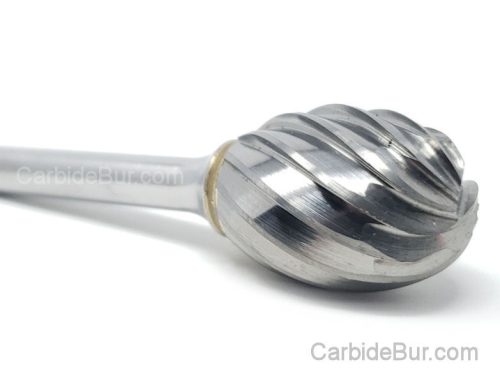
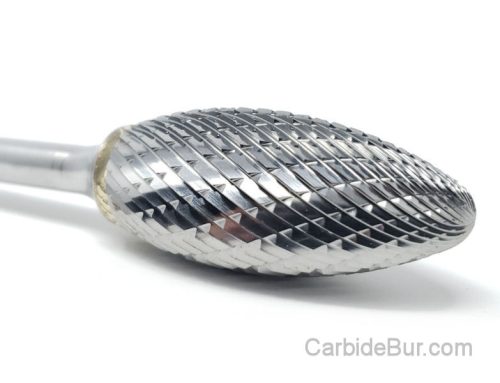
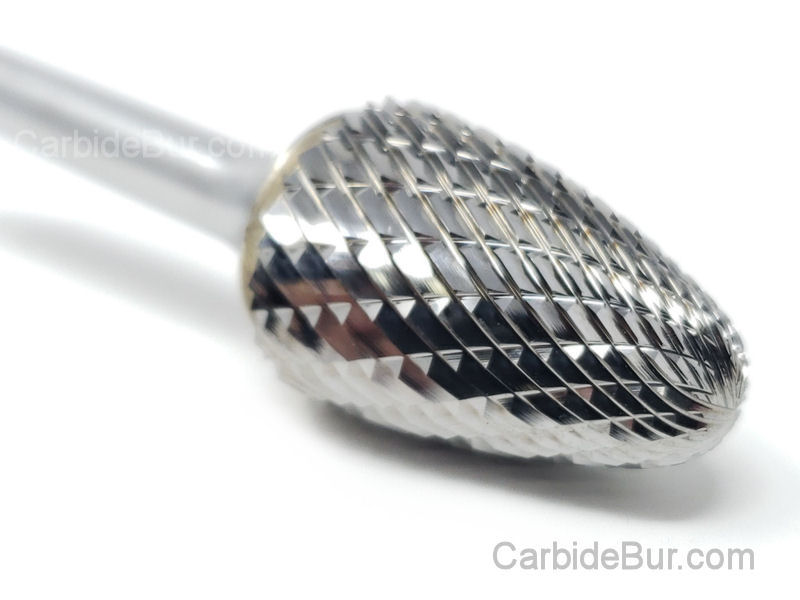
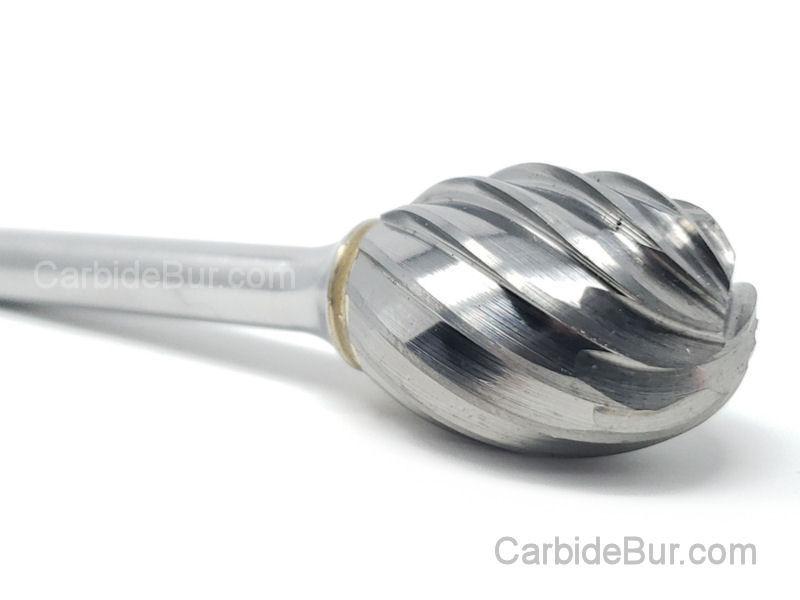
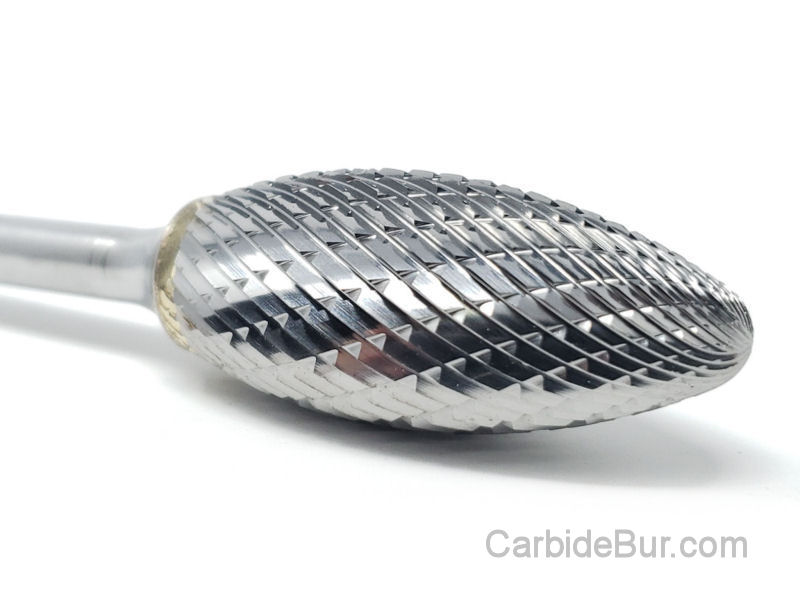
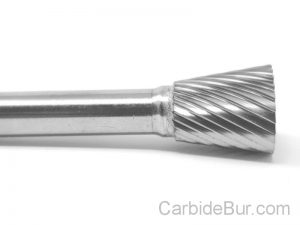
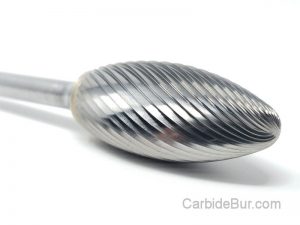
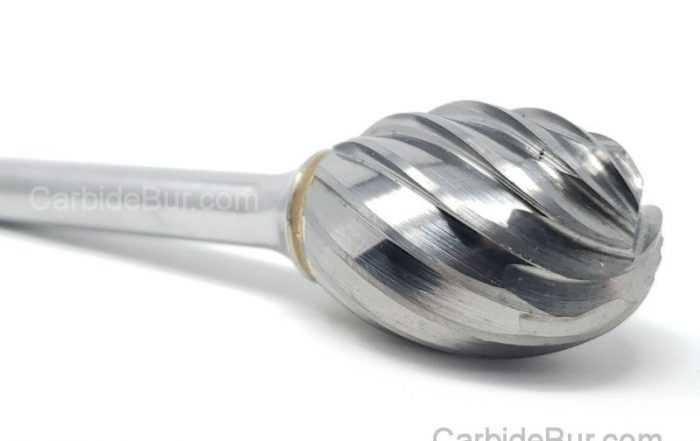
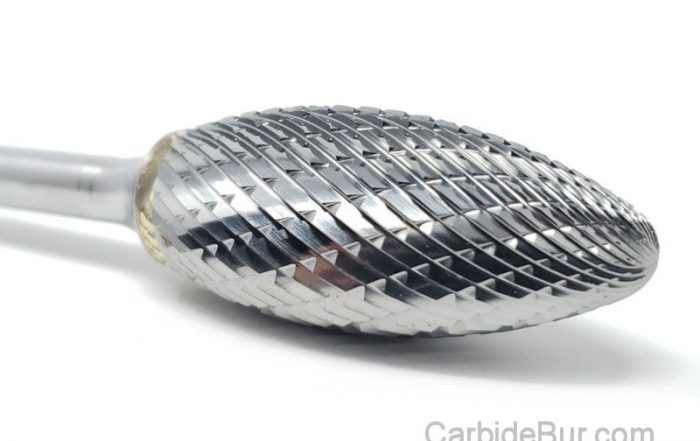
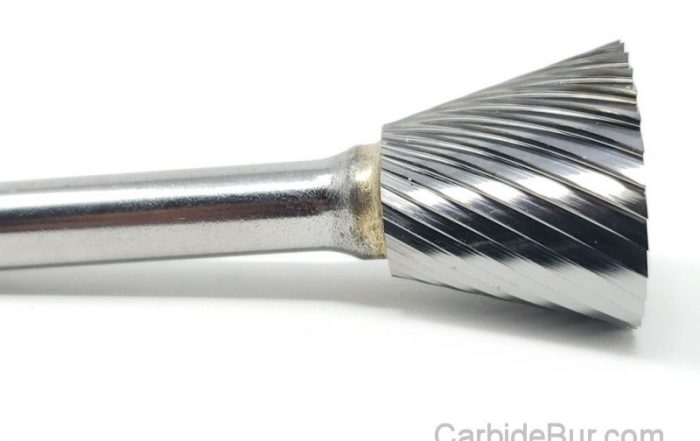
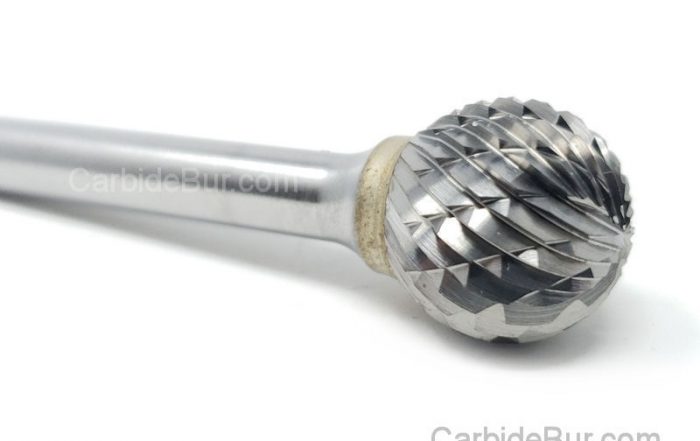
There are several types of carbide burrs, each serving a unique purpose. You have single cut burrs, which are ideal for heavy material removal, and double cut burrs, providing a smoother finish. Then, there’s the aluminum cut, perfect for non-ferrous metals. The right burr depends on your specific needs, so it’s crucial to know each one’s benefits. Opt for a single cut if you need aggressive removal, but choose a double cut for smoother results. Understanding these differences helps you select the perfect tool for your project.
How Carbide Burrs Work
Carbide burrs function by spinning at high speeds to remove material. Their design features sharp cutting edges that efficiently slice through rust without damaging the underlying metal. This precision minimizes any unwanted material loss, ensuring the integrity of your tools. The key to effective use is maintaining a steady hand and consistent pressure. When used correctly, these burrs transform rusted surfaces into smooth, clean metal. It’s a straightforward process that delivers impressive results.
Benefits of Rust Removal
Removing rust is not just about aesthetics. It prolongs the life of your tools, maintaining their functionality. Rust can cause metal to weaken and break over time, so addressing it early preserves your investment. Plus, a rust-free surface is easier to work with and ensures optimal performance. Regular maintenance with carbide burrs can save you from costly replacements and keep your tools in top condition. This proactive approach is a small effort with significant returns.
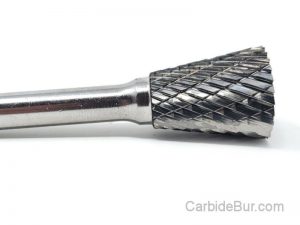
Burr Shapes and Sizes
Choosing the right burr shape and size is crucial for effective rust removal. Here’s what you need to know.
Popular Burr Shapes
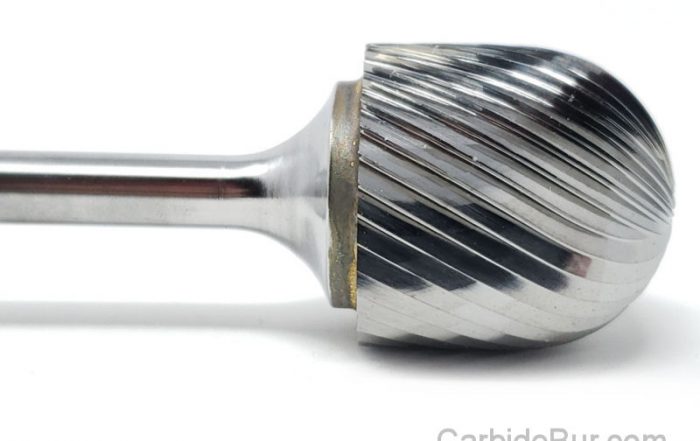
Various shapes cater to different tasks. The cylindrical shape is great for flat surfaces, while the ball shape excels at creating concave cuts. For tight corners, the pointed shape is unmatched. Each shape serves a distinct purpose, ensuring you have the right tool for every job. Selecting the correct shape enhances your efficiency and precision. Always match the burr shape to the task at hand for the best results.
Choosing the Right Size
Size matters when it comes to burrs. Larger burrs cover more surface area quickly, but smaller ones offer precision. If you’re working on a large, flat surface, opt for a bigger burr. For detailed work, a smaller size is preferable. It’s about balancing coverage and control. Assess your project needs and choose the size that offers the best balance of speed and accuracy. This thoughtful selection streamlines your rust removal process.
Impact on Rust Removal
The shape and size of your burr directly affect rust removal. Using the appropriate burr speeds up the process and improves the finish quality. A mismatched burr might work less efficiently or damage the metal. Ensuring the correct tool is used for each specific job maintains the integrity of your tools and ensures excellent results. This attention to detail makes a significant difference in your overall success.
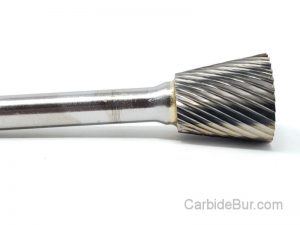
Cutting Characteristics
Understanding the cutting characteristics of your burr is essential for achieving the best results. Let’s explore these factors.
Sharpness and Durability
Sharpness determines how cleanly a burr cuts through rust. A sharp burr slices quickly and smoothly, while a dull one struggles and can damage the metal. Regularly checking and maintaining sharpness ensures your burr performs optimally. Durability also matters. High-quality burrs retain their edge longer, reducing the need for frequent replacements. Invest in durable burrs for consistent, long-term performance.
Speed and Efficiency
The speed at which a burr operates affects its efficiency. Faster speeds remove rust quickly but require skilled handling to avoid mistakes. On the other hand, slower speeds offer greater control. It’s about finding the right balance. Adjusting your speed based on the task and material ensures efficient and effective rust removal. Mastering this balance maximizes your productivity and results.
Surface Finish Quality
The finish quality depends on both the burr type and technique. Double cut burrs generally offer a smoother finish, ideal for projects where appearance matters. Maintaining consistent pressure and speed also impacts the final surface quality. Practice and precision lead to better results. Aim for a finish that meets your project’s specific requirements for a professional outcome.
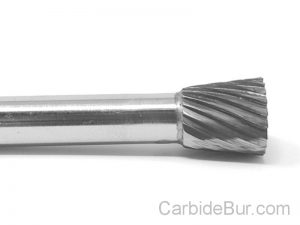
Techniques for Rust Removal
Proper technique is key to efficient rust removal. Let’s cover the best practices to achieve this.
Safe Handling Practices
Safety comes first when using carbide burrs. Always wear protective gear, like goggles and gloves, to shield yourself from debris. Ensure your workspace is well-ventilated and free of distractions. Keeping a firm grip on your tool and staying focused prevents accidents. These measures create a safe environment and promote effective work. Prioritizing safety ensures a successful rust removal process.
Optimal Speed Settings
Finding the right speed setting is crucial for effective rust removal. Start slow to gain control, then gradually increase speed as needed. Each material and situation may require different speeds. Testing on a small area first helps determine the best setting. Adjusting speed to suit your needs enhances efficiency and results. This adaptability ensures precision and protects your tools.
Preserving Metal Integrity
While removing rust, it’s important to preserve the underlying metal. Consistent pressure and controlled movements prevent accidental damage. Avoid using excessive force, which can lead to gouging. Use the right burr type and technique for the material. By focusing on precision, you maintain the metal’s integrity, ensuring long-lasting tools. This care pays off in the form of durable, well-preserved equipment.
Selecting the Best Carbide Burr
Choosing the best carbide burr involves evaluating your needs and comparing options. Here’s how to do it.
Evaluating Your Needs
Before selecting a burr, identify your specific requirements. Consider the type of metal, the extent of rust, and the desired finish. Having a clear picture of your project ensures you choose the right tool. Tailoring your selection to your needs maximizes efficiency and results. This thoughtful approach leads to better outcomes and less frustration.
Comparing Different Brands
Not all carbide burrs are created equal. Research different brands and their offerings. Read reviews, check durability, and compare prices. Look for reputable brands known for their quality and performance. Investing in high-quality burrs pays off in the long run, ensuring reliable and efficient rust removal. Make informed decisions for the best results.
Long-term Tool Maintenance
Maintaining your carbide burrs extends their life and ensures consistent performance. Clean them after each use and store them properly. Regular inspections for wear and tear help you address issues early. Proper maintenance reduces the need for frequent replacements and keeps your tools in top shape. This proactive care ensures long-term success.
Frequently Asked Questions
What is the best shape for rust removal?
The cylindrical shape is ideal for flat surfaces, while a pointed shape excels in tight corners. Each shape has its specific use, ensuring precision in various tasks.
How do I maintain carbide burrs?
Clean them thoroughly after each use and store them properly. Regular maintenance checks help identify any wear and maintain performance.
What speed should I use for rust removal?
Start slow to maintain control, then increase speed as needed. Test on a small area to find the best setting for your specific material and task.
Looking for Carbide Bur Tools?
Check out our entire selection of USA made carbide bur die grinder tool bits
Follow us on Twitter

Return to CarbideBur.com
Carbide Burs – 1/4″ on 1/8″ Shanks – Accessories – Aluminum Cut – Bur Sets – End Mills – Long Shank – Solid Burs
Carbide Burrs for Removing Rust: What Works Best?
Carbide Burrs for Removing Rust: What Works Best? Rust can turn your favorite tools into useless junk faster than you expect. Removing it without ruining the metal underneath takes more than just elbow grease—it demands [...]
How Much Pressure Should You Use With a Carbide Burr?
How Much Pressure Should You Use With a Carbide Burr? Most people think pressing harder with a carbide burr speeds up the job. That’s not true—too much pressure wears out your tool and ruins the [...]
Can You Use Carbide Burrs With an Air Die Grinder?
Can You Use Carbide Burrs With an Air Die Grinder? Most people don’t realize how well carbide burrs work with air die grinders until they try them. If you’ve ever struggled with finding the right [...]
Best Long Reach Carbide Burr for Deep Metal Work
Best Long Reach Carbide Burr for Deep Metal Work Long reach carbide burrs often promise deep metal access, but many fall short where it counts most. You need a tool that cuts cleanly, lasts through [...]
What RPM Should You Use for a 1/8 Inch Carbide Burr?
What RPM Should You Use for a 1/8 Inch Carbide Burr? Most people guess the right carbide burr RPM by feel—and waste hours redoing work. If you want cleaner cuts and longer tool life, your [...]
Carbide Burrs for Tight Spaces: Choosing the Right Shape
Carbide Burrs for Tight Spaces: Choosing the Right Shape Tackling tight spaces with the wrong carbide burrs wastes time and risks damaging your work. Choosing the right burr shape makes all the difference when working [...]
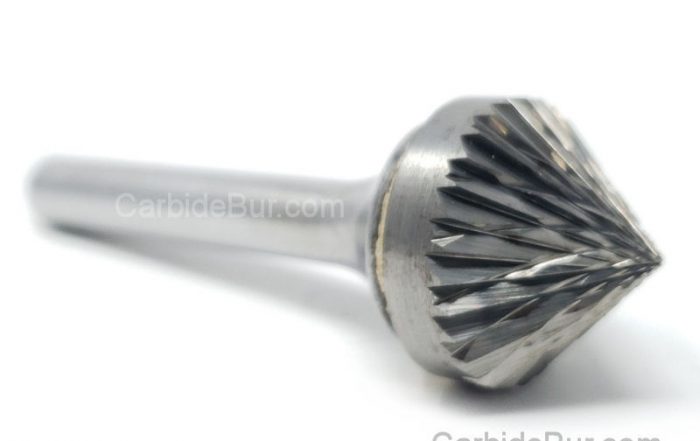
Can Carbide Burrs Remove Paint From Metal?
Can Carbide Burrs Remove Paint From Metal? Stripping paint from metal often feels like a tough chore that risks damaging the surface underneath. Many turn to carbide burrs hoping they can speed things up without [...]
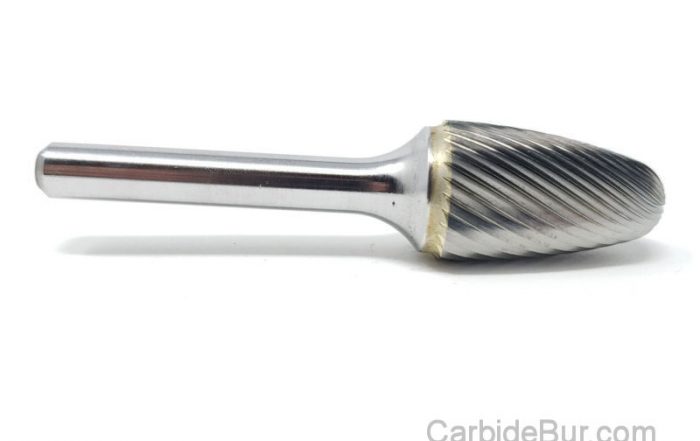
How to Grind a Groove in Metal With a Carbide Burr
How to Grind a Groove in Metal With a Carbide Burr Most metalworkers struggle to cut clean grooves without wasting time or ruining their workpiece. Many try different metalworking tools but end up with uneven [...]
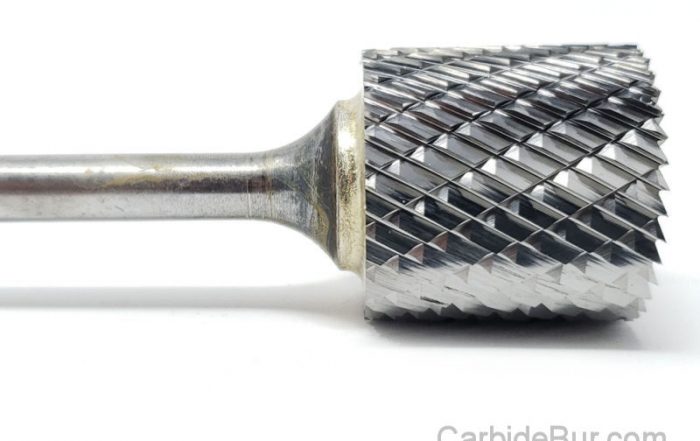
Can Carbide Burrs Cut Through Welds?
Can Carbide Burrs Cut Through Welds? Cutting through welds can feel like a battle, especially when you need clean results without harming the base metal. Carbide burrs offer a sharp edge in this fight, but [...]
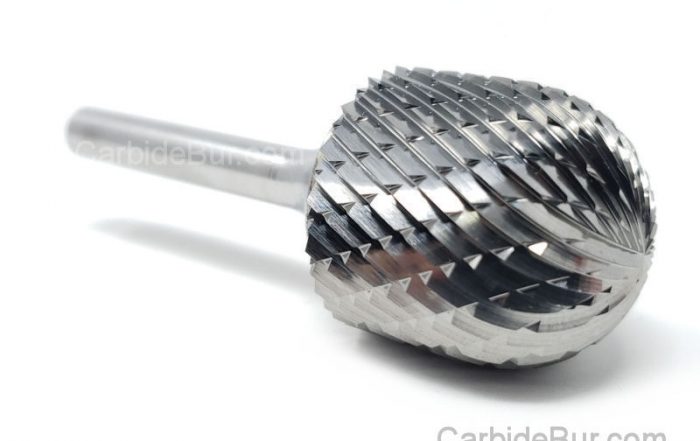
How to Use a Carbide Burr With a Die Grinder
How to Use a Carbide Burr With a Die Grinder Most people treat a carbide burr like just another tool, but using it with a die grinder takes skill. If you’ve struggled with burr installation [...]
1/8 vs 1/4 Inch Carbide Burrs: What’s the Difference?
1/8 vs 1/4 Inch Carbide Burrs: What's the Difference? Choosing between a 1/8 inch carbide burr and a 1/4 inch carbide burr can change how your project turns out. Many machinists and hobbyists overlook how [...]
Best Carbide Burr for Removing Flash From Castings
Best Carbide Burr for Removing Flash From Castings Removing flash from castings is a task that can slow down your entire metalworking process if you don’t have the right tools. Picking the best carbide burr [...]