How Much Pressure Should You Use With a Carbide Burr?
Most people think pressing harder with a carbide burr speeds up the job. That’s not true—too much pressure wears out your tool and ruins the finish. Knowing the right carbide burr pressure can save your tools and improve cutting efficiency. This post breaks down the best practices for carbide burrs and shows how to find the optimal pressure settings for your work. Learn more about best practices for optimizing carbide burrs in CNC.
Understanding Carbide Burr Pressure
Discovering the ideal pressure when using carbide burrs can significantly enhance your work quality. Let’s dive into what this pressure entails and why it matters.
Defining Carbide Burr Pressure
Carbide burr pressure refers to the force applied to the burr during use. It’s crucial to find a balance: too much force can damage both the tool and the workpiece, while too little may lead to inefficient cutting. Understanding this balance is key to improving your results and prolonging tool life.
Impact on Cutting Efficiency
Using the right pressure directly impacts cutting efficiency. When you apply just the right pressure, your burr cuts through materials smoothly, reducing the time needed for each task. This efficiency not only saves time but also enhances the quality of the cut. Applying excessive pressure, however, can cause the burr to skip, leading to uneven cuts and wasted effort.
Influence on Tool Wear
Tool wear is a significant concern when using carbide burrs. Excess pressure accelerates wear, dulling the burr faster and increasing replacement costs. By maintaining optimal pressure, you preserve the sharpness of your burr, ensuring consistent performance and extending its lifespan. For more details on maintaining tool longevity, check out this comprehensive guide.
Factors Influencing Pressure Settings
Several factors affect how much pressure you should apply with your carbide burr. Understanding these can help you make informed decisions for each project.
Material Type Considerations
Different materials require different pressure settings. Softer materials, like aluminum, need less pressure compared to harder ones like stainless steel. This difference ensures that the burr bites into the material effectively without excessive force. Adjusting your pressure based on material type is crucial for achieving the best results. To learn more about working with stainless steel, visit this guide.
Burr Design and Pressure
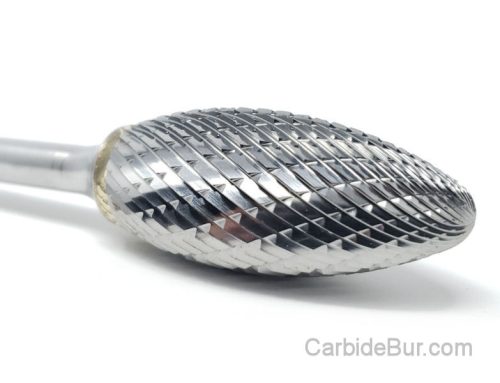
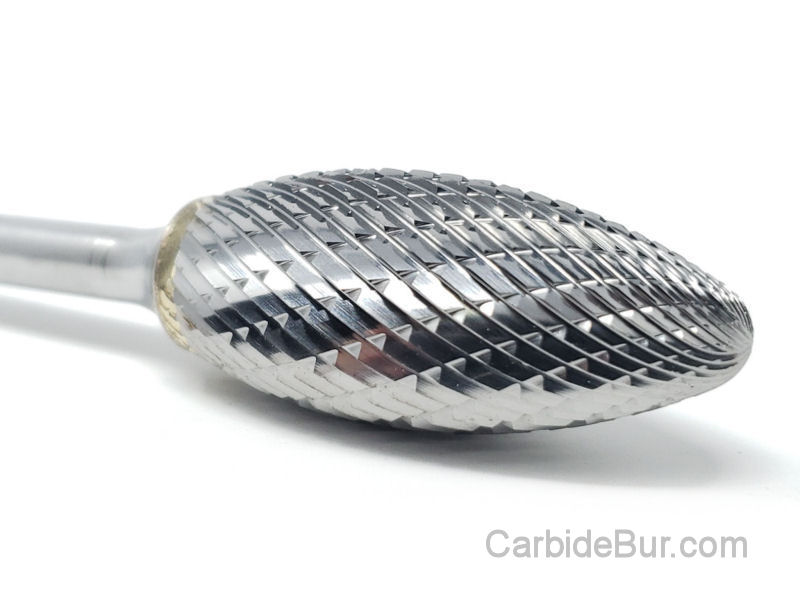
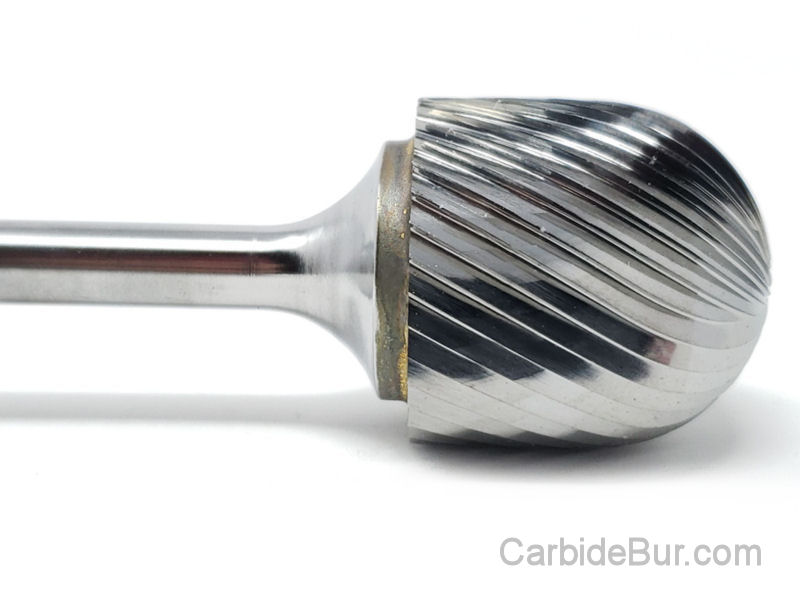
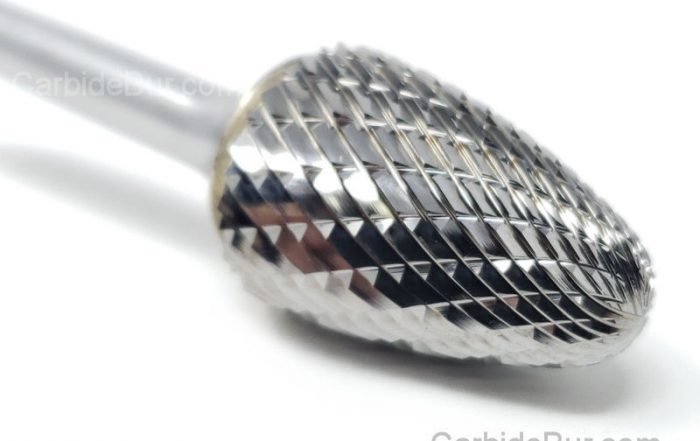
The design of the burr also influences the pressure needed. Burrs with more aggressive cutting profiles may require less pressure to achieve the desired cut, whereas finer burrs might need a bit more to work effectively. Understanding how the design interacts with your material will help you find the ideal pressure setting for your task.
Ensuring Quality Finish
The pressure you apply doesn’t just affect the cut; it also affects the finish quality. Let’s explore how to maintain a high standard.
Pressure and Surface Finish
Applying the correct pressure is essential for a smooth surface finish. Too much pressure can cause gouging, resulting in a rough finish. Conversely, too little pressure might lead to an uneven surface. Finding the sweet spot ensures a professional-looking finish that meets your standards.
Avoiding Workpiece Damage
Incorrect pressure can lead to workpiece damage, such as cracking or warping. This is especially true for delicate materials. By carefully controlling the pressure, you minimize the risk of damage, ensuring that your workpiece remains intact and of high quality. For additional insights into the versatility of carbide burrs, explore this resource.
Practical Machining Tips
Here are some practical tips to help you apply the best pressure for your projects.
Guidelines for Optimal Pressure
-
Start Light: Begin with light pressure and gradually increase until you find the perfect balance.
-
Listen to Feedback: Pay attention to how the burr feels and sounds. Smooth operation indicates optimal pressure.
-
Observe Results: Continuously check the cut quality and adjust as needed.
Adjusting to Project Needs
Every project is unique, so always be ready to adjust your pressure settings. Consider the material, burr type, and desired finish to tailor your approach. Flexibility in your methods ensures the best outcomes for each specific task.
Best Practices for Carbide Burrs
Finally, let’s look at some overarching best practices to maintain consistency and prolong tool life.
Tips for Consistent Pressure
-
Practice Regularly: The more you use carbide burrs, the better you’ll understand the necessary pressure.
-
Inspect Tools Frequently: Regular checks can help you catch wear early and adjust pressure as needed.
Maintaining Tool Longevity
-
Clean After Use: Remove debris to prevent build-up that can affect pressure.
-
Store Properly: Keep your burrs in a dry, safe place to avoid damage.
By following these guidelines, you ensure your carbide burrs perform at their best for longer, saving you time and money.
Frequently Asked Questions
How do I know if I’m using too much pressure with my carbide burr?
Signs of excessive pressure include tool skipping, uneven cuts, and rapid burr wear. If you notice these, reduce your pressure.
What happens if I use too little pressure?
Using too little pressure can lead to inefficient cutting, requiring more effort and time. It may also result in an uneven surface finish.
Can the material type really affect the pressure required?
Yes, different materials react differently to pressure. Harder materials need more pressure, while softer ones require less.
How often should I check my burrs for wear?
Regularly inspect your burrs after each use. This helps catch any wear early, allowing you to adjust pressure settings accordingly.
Is it possible to use the same pressure for all burrs?
Each burr and task might require slight pressure adjustments. It’s best to tailor pressure to the specific burr design and material.
Looking for Carbide Bur Tools?
Check out our entire selection of USA made carbide bur die grinder tool bits
Follow us on Twitter

Return to CarbideBur.com
Carbide Burs – 1/4″ on 1/8″ Shanks – Accessories – Aluminum Cut – Bur Sets – End Mills – Long Shank – Solid Burs
How Much Pressure Should You Use With a Carbide Burr?
How Much Pressure Should You Use With a Carbide Burr? Most people think pressing harder with a carbide burr speeds up the job. That’s not true—too much pressure wears out your tool and ruins the [...]
Can You Use Carbide Burrs With an Air Die Grinder?
Can You Use Carbide Burrs With an Air Die Grinder? Most people don’t realize how well carbide burrs work with air die grinders until they try them. If you’ve ever struggled with finding the right [...]
Best Long Reach Carbide Burr for Deep Metal Work
Best Long Reach Carbide Burr for Deep Metal Work Long reach carbide burrs often promise deep metal access, but many fall short where it counts most. You need a tool that cuts cleanly, lasts through [...]
What RPM Should You Use for a 1/8 Inch Carbide Burr?
What RPM Should You Use for a 1/8 Inch Carbide Burr? Most people guess the right carbide burr RPM by feel—and waste hours redoing work. If you want cleaner cuts and longer tool life, your [...]
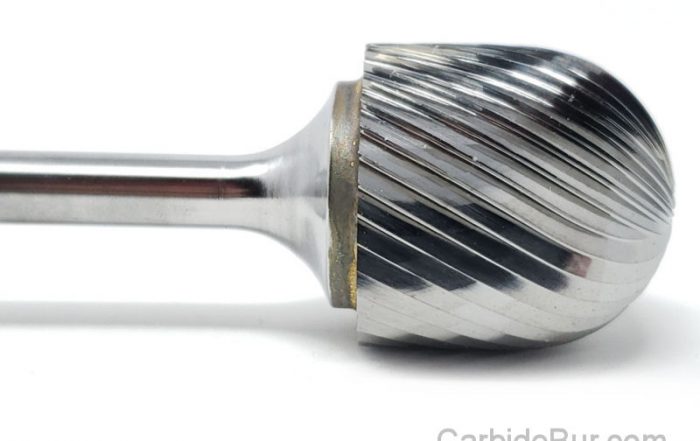
Carbide Burrs for Tight Spaces: Choosing the Right Shape
Carbide Burrs for Tight Spaces: Choosing the Right Shape Tackling tight spaces with the wrong carbide burrs wastes time and risks damaging your work. Choosing the right burr shape makes all the difference when working [...]
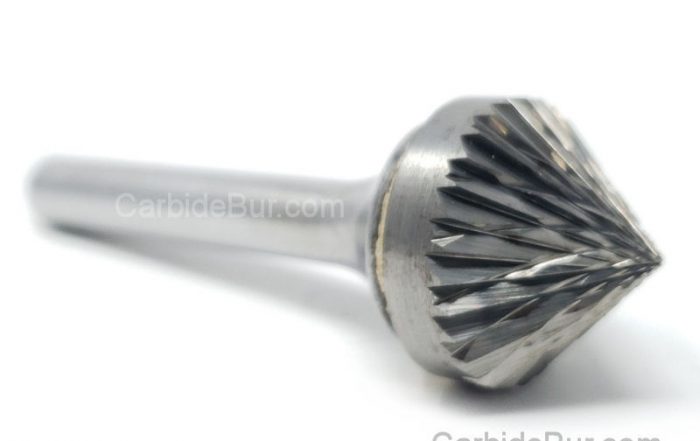
Can Carbide Burrs Remove Paint From Metal?
Can Carbide Burrs Remove Paint From Metal? Stripping paint from metal often feels like a tough chore that risks damaging the surface underneath. Many turn to carbide burrs hoping they can speed things up without [...]
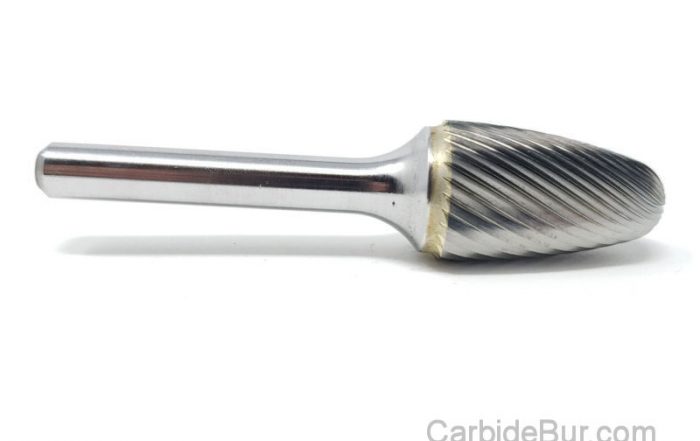
How to Grind a Groove in Metal With a Carbide Burr
How to Grind a Groove in Metal With a Carbide Burr Most metalworkers struggle to cut clean grooves without wasting time or ruining their workpiece. Many try different metalworking tools but end up with uneven [...]
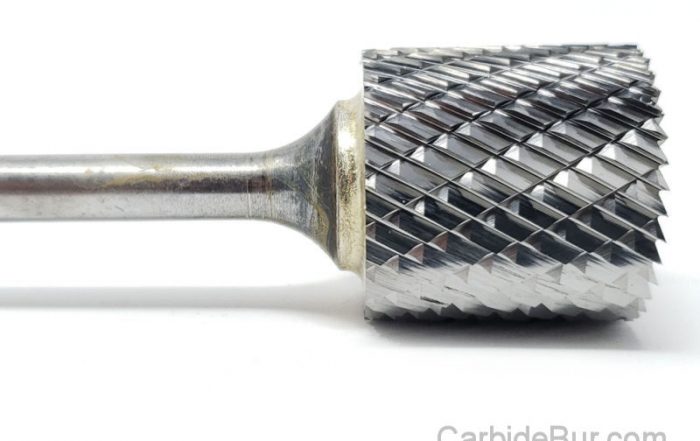
Can Carbide Burrs Cut Through Welds?
Can Carbide Burrs Cut Through Welds? Cutting through welds can feel like a battle, especially when you need clean results without harming the base metal. Carbide burrs offer a sharp edge in this fight, but [...]
How to Use a Carbide Burr With a Die Grinder
How to Use a Carbide Burr With a Die Grinder Most people treat a carbide burr like just another tool, but using it with a die grinder takes skill. If you’ve struggled with burr installation [...]
1/8 vs 1/4 Inch Carbide Burrs: What’s the Difference?
1/8 vs 1/4 Inch Carbide Burrs: What's the Difference? Choosing between a 1/8 inch carbide burr and a 1/4 inch carbide burr can change how your project turns out. Many machinists and hobbyists overlook how [...]
Best Carbide Burr for Removing Flash From Castings
Best Carbide Burr for Removing Flash From Castings Removing flash from castings is a task that can slow down your entire metalworking process if you don’t have the right tools. Picking the best carbide burr [...]
What RPM Should You Use for a 1/4 Inch Carbide Burr?
What RPM Should You Use for a 1/4 Inch Carbide Burr? Most machinists guess the right speed for a 1/4 inch carbide burr and hope for the best. Using the wrong carbide burr RPM can [...]