
From Cutting Speed to Durability: Choosing Carbide Burs for Your Welding Needs
Most welders stick with high-speed steel burs without realizing what they’re missing. When your welding tools dull too fast or can’t handle heat, your work suffers. Carbide burs offer sharper cutting speed and longer life, keeping your projects precise and tough jobs manageable. Let’s break down why carbide burs often outlast and outperform high-speed steel in real welding conditions. Learn more about the differences between carbide and high-speed steel here.
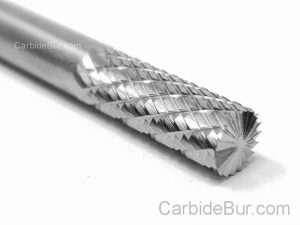
Which carbide bur tools do you use the most?
Advantages of Carbide Burs
Imagine working on a tough project, and your tool lets you down. This is a common issue with high-speed steel. Carbide burs, however, bring a new level of reliability to the table.
Superior Hardness and Heat Resistance
Think about the toughest material you’ve worked with. Carbide burs are built to face such challenges. They boast a hardness of up to 90 HRC, compared to high-speed steel’s 63 HRC. This means carbide burs can withstand heat without losing their edge.
-
Less downtime: No need to pause for tool cooling.
-
Consistent performance: Even under intense heat, carbide burs maintain their cutting prowess.
The longer you work without interruptions, the smoother your projects run. So, when heat becomes a challenge, carbide burs are your best friend.
Efficiency in Welding Scenarios
Picture a busy workshop, sparks flying, and the clock ticking. You need tools that match your pace. Carbide burs excel in this setting. They don’t just resist heat; they also cut faster.
-
Time-saving: Faster cuts mean quicker project completion.
-
Precision: Sharpness ensures accuracy with each pass.
Most people think high-speed steel is enough, but carbide offers a clear edge in both speed and precision. Ready to stay ahead of deadlines?
Comparing Cutting Speed and Durability
Switching from high-speed steel to carbide burs feels like upgrading to a faster car. Let’s explore how these tools stack up against each other in real terms.
Performance Metrics and Longevity
Carbide burs are known for their long-lasting edge. While high-speed steel wears down quickly under stress, carbide maintains its performance. Explore a detailed comparison of carbide and high-speed steel performance here.
-
Durability: Carbide burs outlast others by up to five times.
-
Cost-effectiveness: Fewer replacements mean lower costs.
Imagine not having to stock up on spare burs constantly. The initial investment in carbide pays off as you enjoy extended tool life and reduced expenses.
Precision Welding and Tool Efficiency
Precision matters. Carbide burs ensure your welds are not just strong but also neat. Their sharpness and consistency are unmatched.
-
Accuracy: Seamless cuts prevent errors and rework.
-
Efficiency: Complete tasks with fewer passes.
Most people overlook the importance of precision. Yet, with carbide, your projects reflect your skill and professionalism. Discover more on how precision impacts your projects.
Choosing the Right Tool for Professional Welders
By now, you know carbide burs are a step above the rest. But why should professional welders like you make the switch? Let’s dive into the benefits.
Investing in Quality and Productivity
Choosing carbide burs means choosing quality. Every welder deserves tools that match their talent.
-
Enhanced productivity: Spend less time on maintenance and more on welding.
-
Dependable quality: Consistent performance leads to reliable results.
The longer you wait, the more productivity you miss. Upgrade to carbide and see the difference in your workday. Learn more about investing in the right tools for your trade.
Working with Tough Materials
Every project is unique, and some materials are tougher than others. Carbide burs are up to the task, no matter the challenge.
-
Versatility: Handle a variety of materials with one tool.
-
Strength: Tackle the toughest jobs without a hitch.
Professional welders often face challenging tasks. Carbide burs offer the strength and versatility you need to succeed every time. See how carbide burs can transform your approach to difficult materials.
By choosing carbide burs, you equip yourself for success. With tools that offer speed, durability, and precision, you’re ready to elevate your craft.
Follow us on Twitter

Return to CarbideBur.com
Carbide Burs – 1/4″ on 1/8″ Shanks – Accessories – Aluminum Cut – Bur Sets – End Mills – Long Shank – Solid Burs
Can Carbide Burrs Remove Paint From Metal?
Can Carbide Burrs Remove Paint From Metal? Stripping paint from metal often feels like a tough chore that risks damaging the surface underneath. Many turn to carbide burrs hoping they can speed things up without [...]
How to Grind a Groove in Metal With a Carbide Burr
How to Grind a Groove in Metal With a Carbide Burr Most metalworkers struggle to cut clean grooves without wasting time or ruining their workpiece. Many try different metalworking tools but end up with uneven [...]
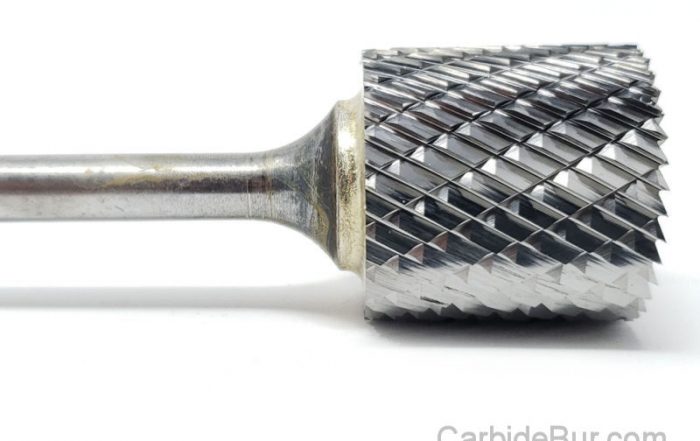
Can Carbide Burrs Cut Through Welds?
Can Carbide Burrs Cut Through Welds? Cutting through welds can feel like a battle, especially when you need clean results without harming the base metal. Carbide burrs offer a sharp edge in this fight, but [...]
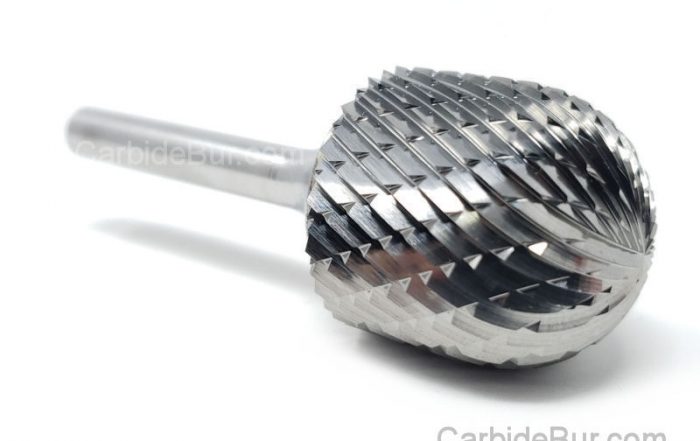
How to Use a Carbide Burr With a Die Grinder
How to Use a Carbide Burr With a Die Grinder Most people treat a carbide burr like just another tool, but using it with a die grinder takes skill. If you’ve struggled with burr installation [...]
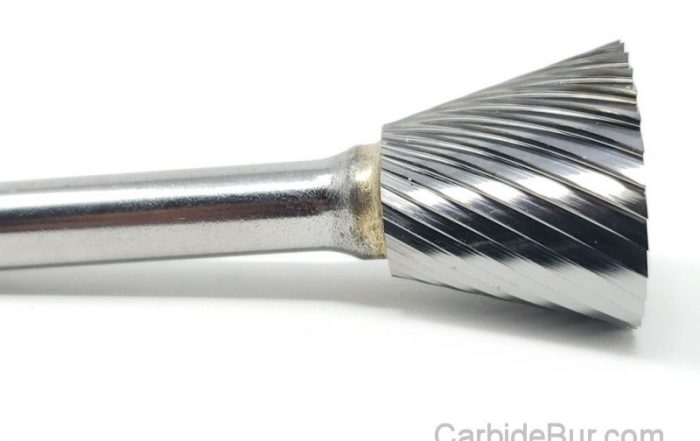
1/8 vs 1/4 Inch Carbide Burrs: What’s the Difference?
1/8 vs 1/4 Inch Carbide Burrs: What's the Difference? Choosing between a 1/8 inch carbide burr and a 1/4 inch carbide burr can change how your project turns out. Many machinists and hobbyists overlook how [...]
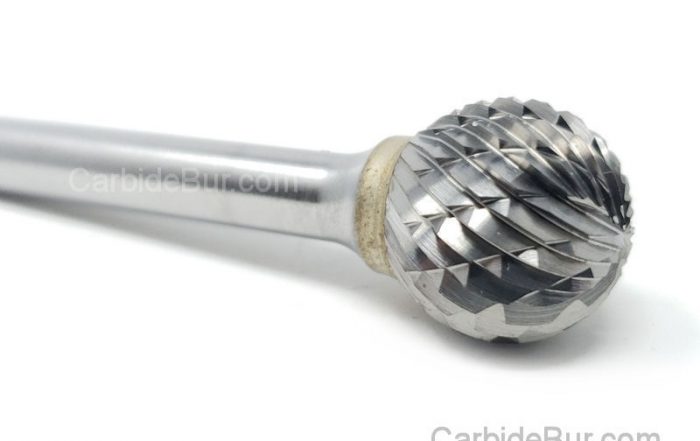
Best Carbide Burr for Removing Flash From Castings
Best Carbide Burr for Removing Flash From Castings Removing flash from castings is a task that can slow down your entire metalworking process if you don’t have the right tools. Picking the best carbide burr [...]
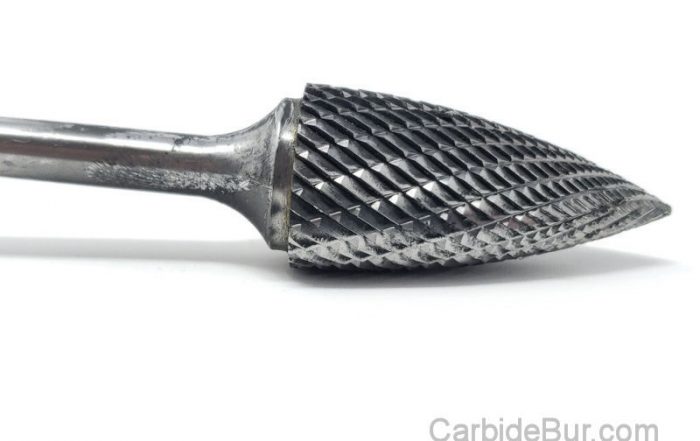
What RPM Should You Use for a 1/4 Inch Carbide Burr?
What RPM Should You Use for a 1/4 Inch Carbide Burr? Most machinists guess the right speed for a 1/4 inch carbide burr and hope for the best. Using the wrong carbide burr RPM can [...]
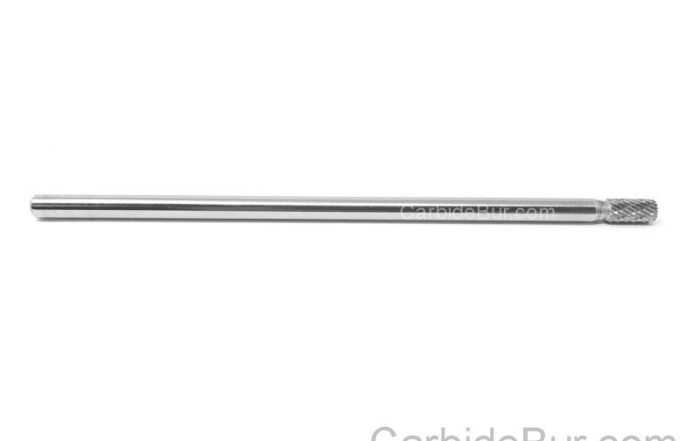
Long Shank Carbide Burrs: When Do You Need One?
Long Shank Carbide Burrs: When Do You Need One? Most machinists overlook the power of long shank carbide burrs until a project demands precision in tight spaces. When your usual tools can’t reach intricate contours, [...]
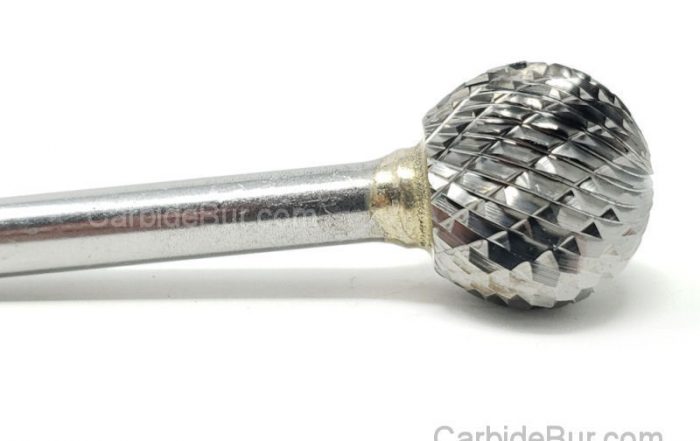
How Deep Can a Carbide Burr Cut Metal?
How Deep Can a Carbide Burr Cut Metal? Carbide burrs often get praised for their precision, but many users hit a wall wondering how deep they can actually cut metal. The truth is, cutting depth [...]
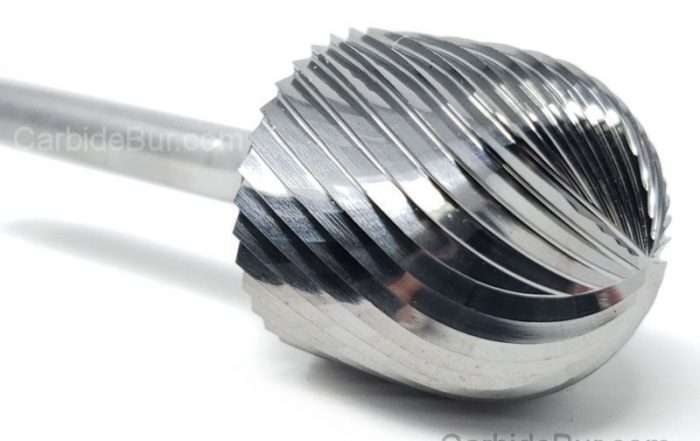
How to Use Carbide Burrs for Port Matching
How to Use Carbide Burrs for Port Matching Most engine builds hit a wall when airflow doesn’t flow smoothly between the ports and manifolds. If your engine isn’t breathing right, your performance stalls. Using the [...]
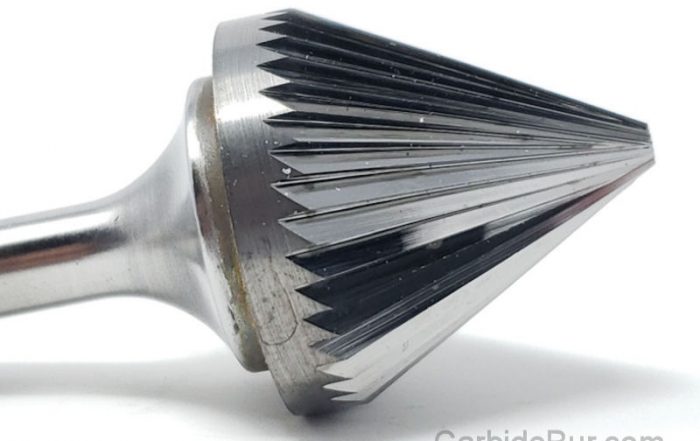
Best Carbide Burr for Porting Intake Manifolds
Best Carbide Burr for Porting Intake Manifolds Porting intake manifolds can make or break your engine’s airflow, yet many struggle with the right tools for the job. Choosing the best carbide burrs is key to [...]
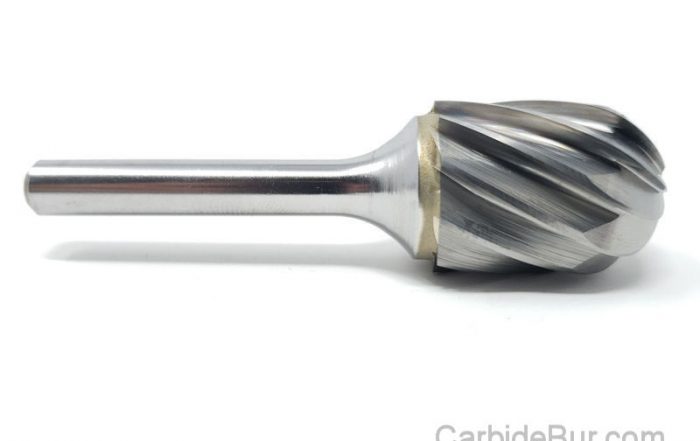
Best Carbide Burr for Concave Surfaces
Best Carbide Burr for Concave Surfaces Concave surfaces can turn a straightforward project into a frustrating challenge if you don’t have the right tool. Carbide burrs designed for these tricky curves make all the difference [...]
