
Cost and Durability: Deciding Between Carbide and Diamond Burs
Choosing between carbide burs and diamond burs can feel like guessing blind when your next project’s on the line. You want jewelry engraving tools that hold up without draining your budget or slowing your work. This burs comparison breaks down cost, burs durability, and burs performance to help you pick the best burs for engraving every time. For more information, visit this link.
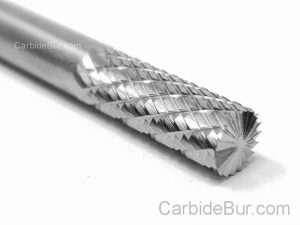
Which carbide bur tools do you use the most?
Cost and Durability: Deciding Between Carbide and Diamond Burs
Comparing Carbide and Diamond Burs
Choosing the right burs is like setting the perfect foundation for your creative projects. With your next piece in mind, let’s explore cost and durability to guide your choice.
Cost of Burs
When it comes to pricing, carbide burs generally offer a budget-friendly option. They are often more affordable upfront compared to their diamond counterparts. For those starting or working on smaller projects, this can be a significant factor. Investing in carbide burs might mean you can allocate resources elsewhere in your workshop.
Conversely, diamond burs tend to have a higher initial cost. They are known for precision and longevity, which can justify the price over time. If your projects demand intricate detailing or you foresee heavy usage, the investment could pay off in the long run. Consider your long-term needs against your budget to make an informed decision. You can find detailed insights on this comparison at Mr. Bur.
Burs Durability
Durability is crucial when choosing tools that will stand up to the demands of jewelry making. Carbide burs are known for their toughness. They can withstand a variety of materials and are less prone to wear. This makes them a reliable choice if you work with hard metals frequently.
Diamond burs, on the other hand, are unmatched in their ability to maintain sharpness. They have a longer lifespan, especially if you’re working with softer materials like wood or bone. This longevity can offset the higher initial cost, providing value over time. Understanding the materials you work with most can illuminate the best choice for durability. For more insights, visit The Carving Path.
Performance in Jewelry and Engraving
Now that we’ve navigated cost and durability, let’s delve into performance. Whether you’re engraving or crafting jewelry, the right tool can elevate your work.
Burs Performance
Carbide burs excel in their ability to cut quickly and efficiently. They are particularly adept at removing material, making them ideal for roughing out designs. If speed and efficiency are your priorities, carbide burs might be your tool of choice.
Diamond burs, revered for their precision, offer smooth finishes that bring intricate designs to life. They require a gentle touch and patience, rewarding you with exquisite detail. If your projects demand meticulous attention, diamond burs are the way to go. Dive deeper into burs performance at Rio Grande.
Best Burs for Engraving
Choosing the best burs depends on your specific needs. Carbide burs are excellent for quick, broad strokes. They’re the go-to for initial shaping and cutting through dense materials. They can be your best allies when time is of the essence.
Meanwhile, diamond burs shine when detail is the hero of your piece. They’re perfect for adding those final touches that make your work stand out. Their ability to create fine lines and smooth surfaces is unparalleled. It’s about matching the tool to your artistic vision. For detailed guidance, check out this resource.
Making the Right Choice
With performance now clear, it’s time to piece together the puzzle of which burs are right for you.
Burs Comparison
In summary, carbide burs offer affordability and resilience for heavy-duty tasks. They are straightforward and dependable. Diamond burs bring finesse and durability to your toolkit, perfect for delicate work. Each type has its strengths, so weigh what matters most to your craft.
Jewelry Engraving Tools
Ultimately, the best jewelry engraving tools are those that align with your creative goals. Whether you prioritize cost, durability, or performance, understanding your needs is key. With this knowledge, you’re empowered to choose tools that not only meet but exceed your expectations. Explore more about these tools at Bur Dental.
Follow us on Twitter

Return to CarbideBur.com
Carbide Burs – 1/4″ on 1/8″ Shanks – Accessories – Aluminum Cut – Bur Sets – End Mills – Long Shank – Solid Burs
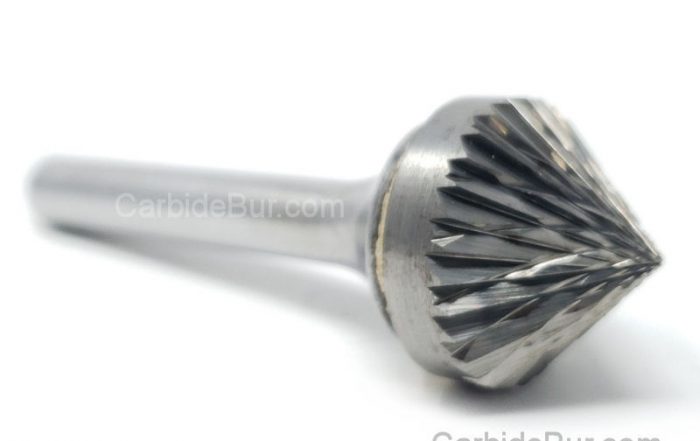
Can Carbide Burrs Remove Paint From Metal?
Can Carbide Burrs Remove Paint From Metal? Stripping paint from metal often feels like a tough chore that risks damaging the surface underneath. Many turn to carbide burrs hoping they can speed things up without [...]
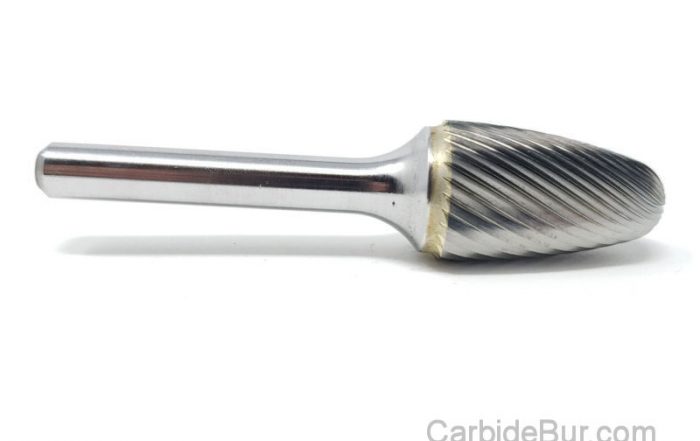
How to Grind a Groove in Metal With a Carbide Burr
How to Grind a Groove in Metal With a Carbide Burr Most metalworkers struggle to cut clean grooves without wasting time or ruining their workpiece. Many try different metalworking tools but end up with uneven [...]
Can Carbide Burrs Cut Through Welds?
Can Carbide Burrs Cut Through Welds? Cutting through welds can feel like a battle, especially when you need clean results without harming the base metal. Carbide burrs offer a sharp edge in this fight, but [...]
How to Use a Carbide Burr With a Die Grinder
How to Use a Carbide Burr With a Die Grinder Most people treat a carbide burr like just another tool, but using it with a die grinder takes skill. If you’ve struggled with burr installation [...]
1/8 vs 1/4 Inch Carbide Burrs: What’s the Difference?
1/8 vs 1/4 Inch Carbide Burrs: What's the Difference? Choosing between a 1/8 inch carbide burr and a 1/4 inch carbide burr can change how your project turns out. Many machinists and hobbyists overlook how [...]

Best Carbide Burr for Removing Flash From Castings
Best Carbide Burr for Removing Flash From Castings Removing flash from castings is a task that can slow down your entire metalworking process if you don’t have the right tools. Picking the best carbide burr [...]
What RPM Should You Use for a 1/4 Inch Carbide Burr?
What RPM Should You Use for a 1/4 Inch Carbide Burr? Most machinists guess the right speed for a 1/4 inch carbide burr and hope for the best. Using the wrong carbide burr RPM can [...]
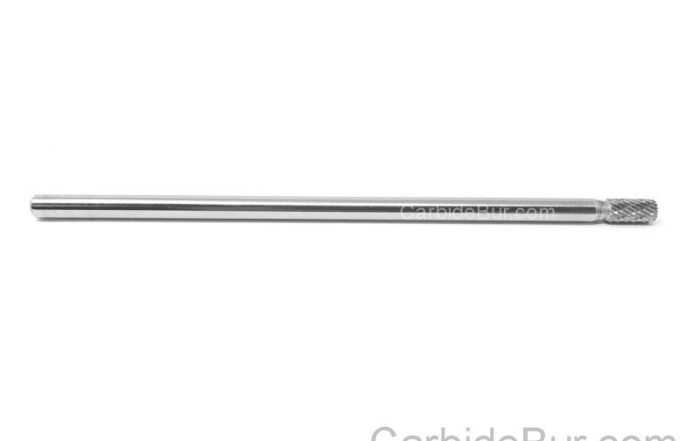
Long Shank Carbide Burrs: When Do You Need One?
Long Shank Carbide Burrs: When Do You Need One? Most machinists overlook the power of long shank carbide burrs until a project demands precision in tight spaces. When your usual tools can’t reach intricate contours, [...]
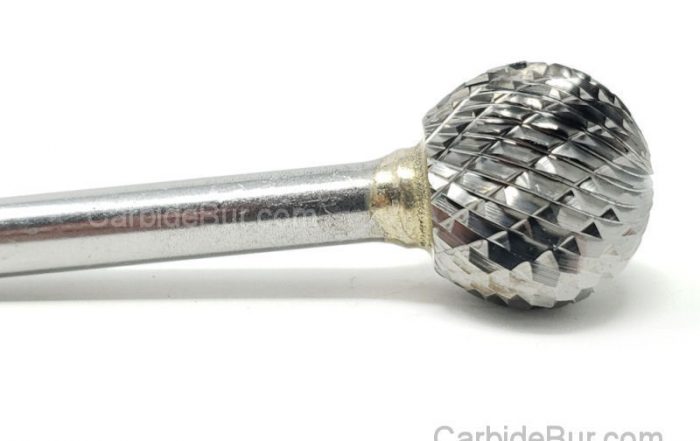
How Deep Can a Carbide Burr Cut Metal?
How Deep Can a Carbide Burr Cut Metal? Carbide burrs often get praised for their precision, but many users hit a wall wondering how deep they can actually cut metal. The truth is, cutting depth [...]
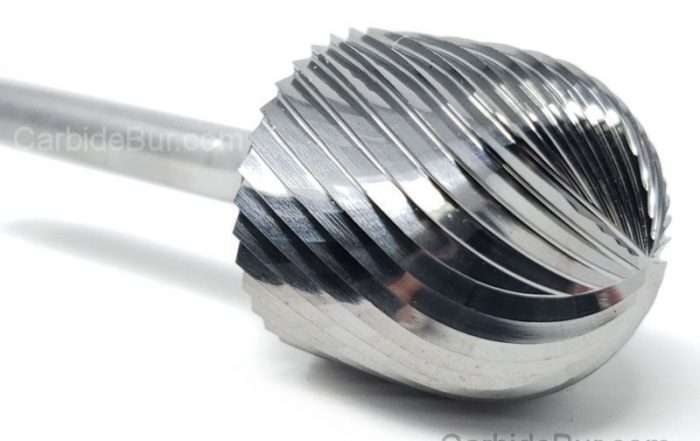
How to Use Carbide Burrs for Port Matching
How to Use Carbide Burrs for Port Matching Most engine builds hit a wall when airflow doesn’t flow smoothly between the ports and manifolds. If your engine isn’t breathing right, your performance stalls. Using the [...]
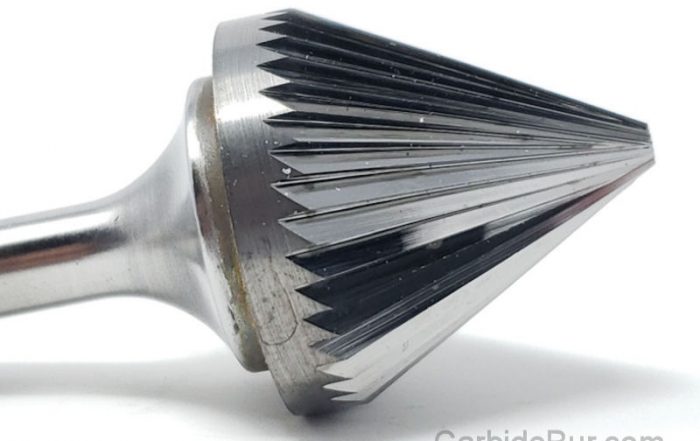
Best Carbide Burr for Porting Intake Manifolds
Best Carbide Burr for Porting Intake Manifolds Porting intake manifolds can make or break your engine’s airflow, yet many struggle with the right tools for the job. Choosing the best carbide burrs is key to [...]
Best Carbide Burr for Concave Surfaces
Best Carbide Burr for Concave Surfaces Concave surfaces can turn a straightforward project into a frustrating challenge if you don’t have the right tool. Carbide burrs designed for these tricky curves make all the difference [...]
