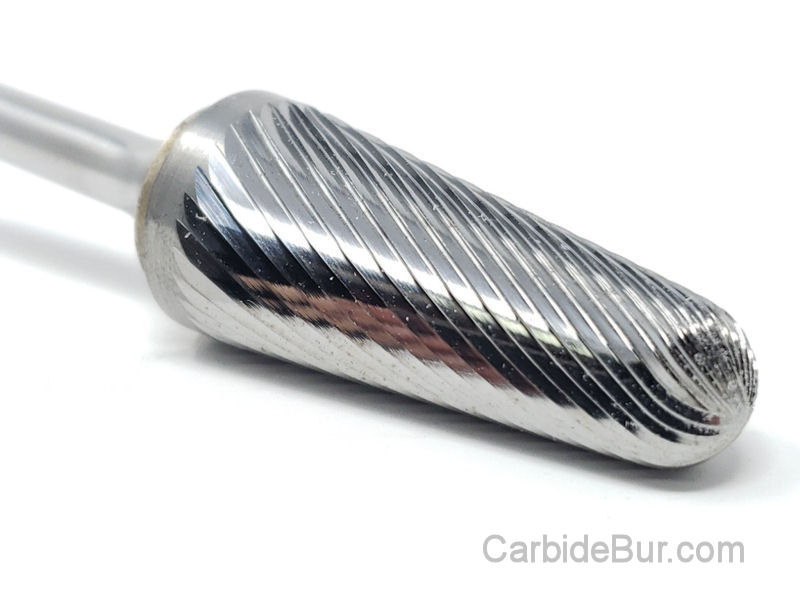
Die Grinder vs. Dremel for Carbide Burrs: Which Tool Should You Use?
Choosing the right tool for carbide burrs can make or break your project. You might be stuck deciding between a die grinder and a Dremel, unsure which one suits your needs best. This tool comparison breaks down power, speed control, ergonomic considerations, and versatility so you can pick the best tool for carbide burrs without second-guessing. Ready to find out which tool fits your work perfectly? Check out this resource for more insights: How to Choose the Best Carbide Burrs for Hard Materials.
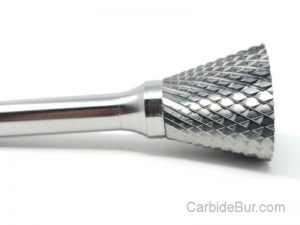
Understanding Die Grinders
Die grinders are essential in many workshops, offering strength and reliability. Their power and performance set them apart from other tools, making them ideal for heavy-duty tasks.
Power and Performance
Die grinders are known for their impressive power. They operate with high torque, which is crucial for tasks requiring significant force. This makes them perfect for heavy-duty work like grinding, sanding, and polishing. With a die grinder, you can tackle tough materials without worrying about the tool stalling or overheating. Their ability to maintain consistent power output ensures efficient material removal, saving you time and effort.
Ergonomic Considerations
Comfort is key when working with hand tools. Die grinders are designed with ergonomics in mind. Many models feature adjustable handles and trigger locks, reducing hand fatigue during prolonged use. This design not only enhances control but also minimizes the risk of injury. By investing in an ergonomic die grinder, you can work longer with less discomfort.
Tool Versatility
Die grinders offer versatility that few tools can match. Whether you need to cut, grind, or polish, they have the attachments to get the job done. The wide range of compatible accessories means you can tailor the grinder to your specific needs. This adaptability makes die grinders a valuable addition to any toolkit, especially for those handling diverse projects.
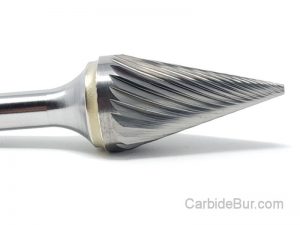
Exploring Dremel Tools
Dremel tools are compact yet mighty, offering precision in a small package. They excel in tasks requiring detailed work, making them a favorite among hobbyists.
Speed Control Features
One standout feature of Dremel tools is their variable speed control. This allows you to adjust the tool’s speed to match the task at hand. Whether you’re smoothing edges or carving intricate designs, controlling the speed helps achieve the desired finish without damaging the material. The ability to fine-tune speed settings enhances precision, providing a cleaner and more professional result.
Application Suitability
Dremel tools are perfect for detailed work. Their compact size and precise control make them ideal for tasks like engraving, carving, and intricate cutting. They are well-suited for delicate projects where accuracy is crucial. If your work involves fine details, a Dremel tool can provide the finesse needed to complete the job effectively.
User-Friendly Design
Dremel tools are designed with the user in mind. Their lightweight and compact form make them easy to handle, reducing strain during use. Many models also feature an easy-change system for quick accessory swaps. This user-friendly design ensures that even beginners can use Dremel tools confidently and efficiently.
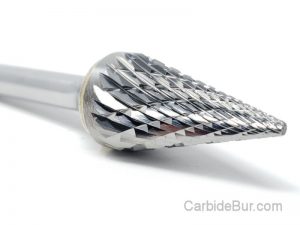
Carbide Burrs Explained
Carbide burrs are versatile tools used in a variety of applications. Understanding their types and uses can help you select the right one for your project.
Types and Uses
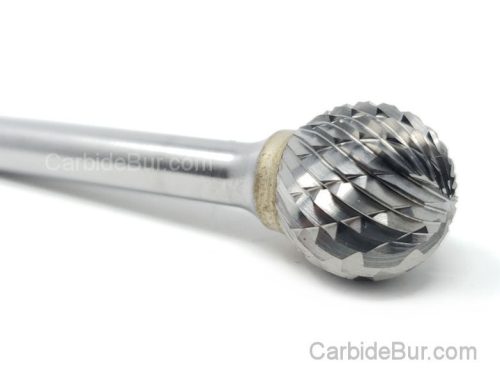
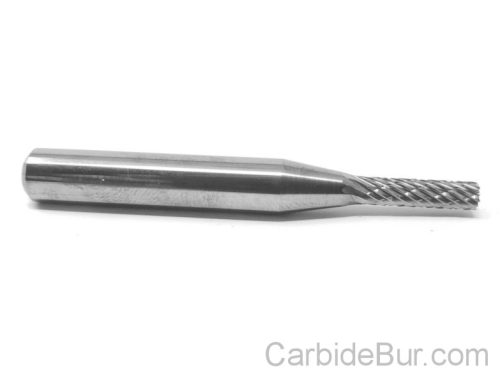
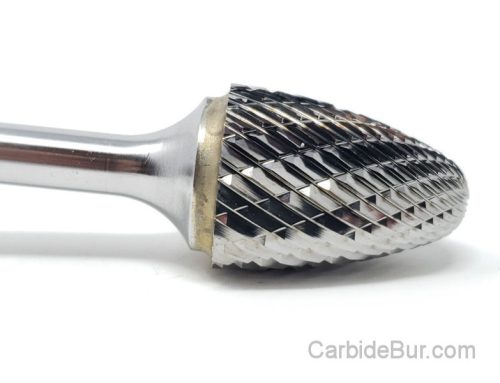
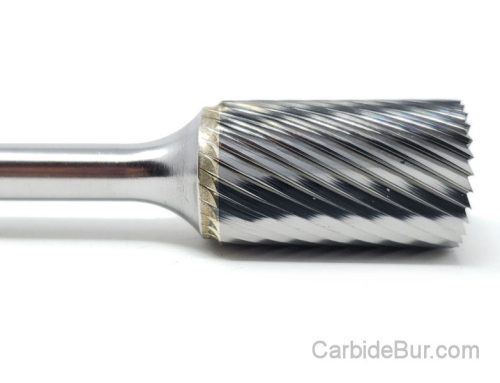
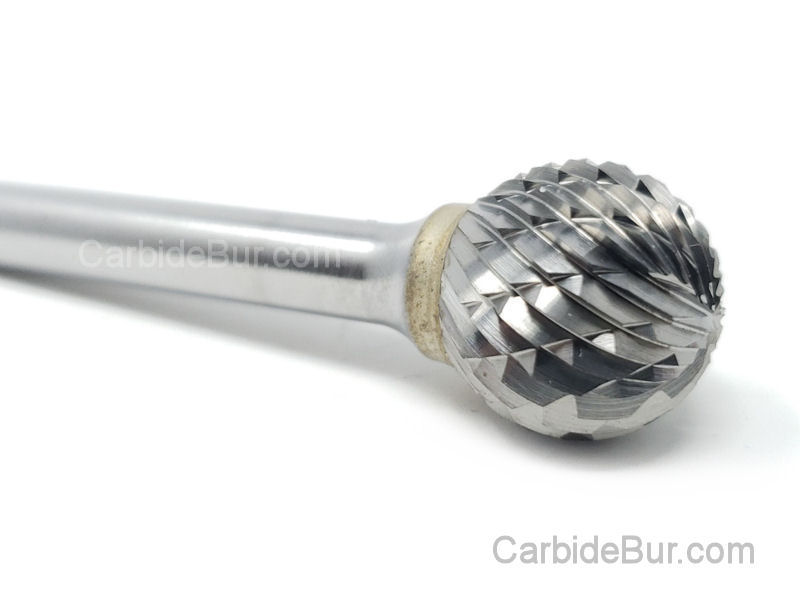
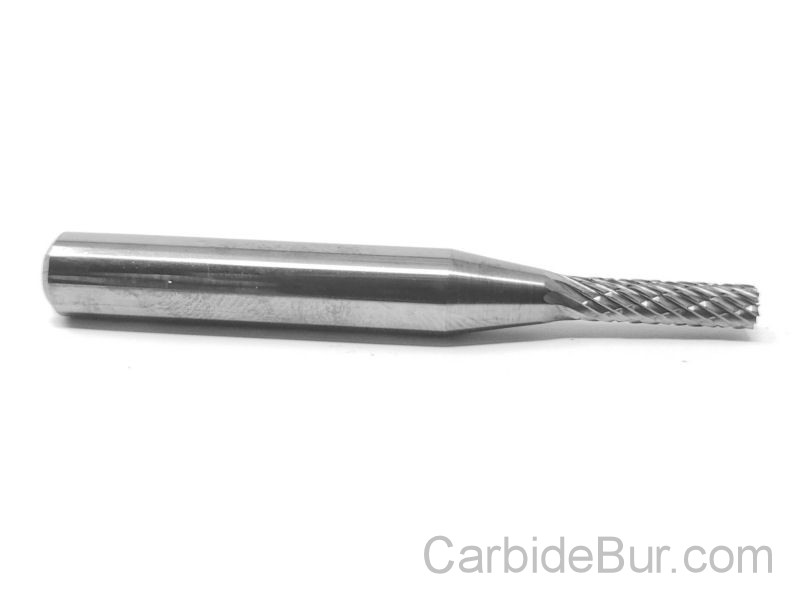
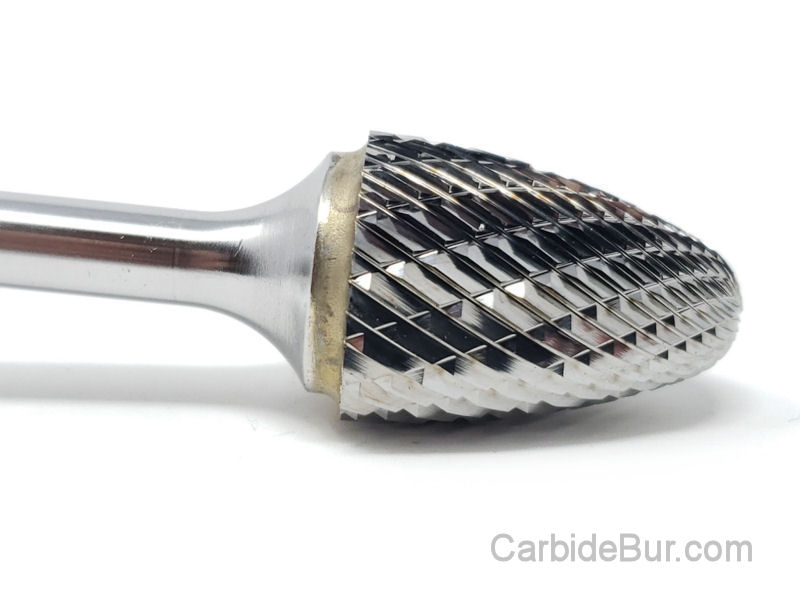
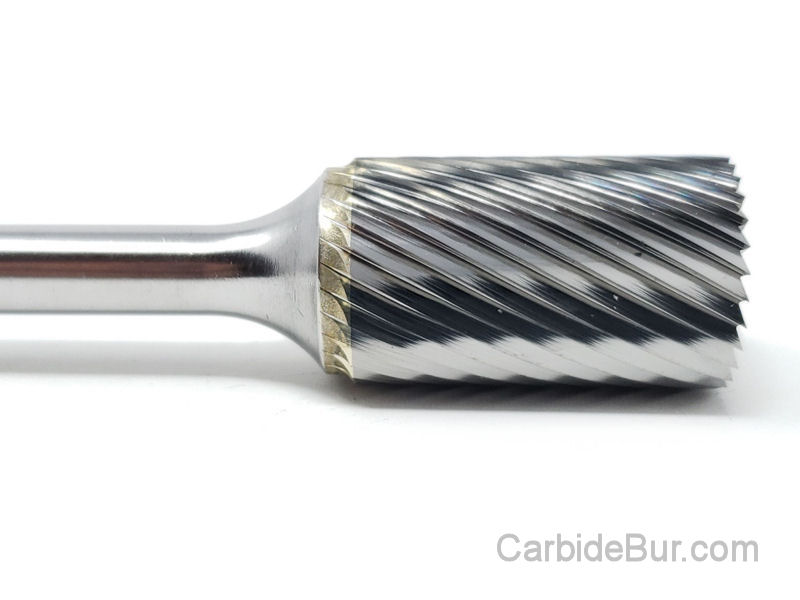
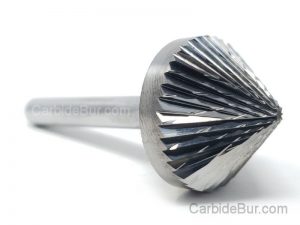
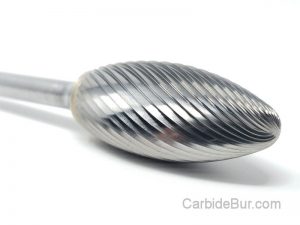
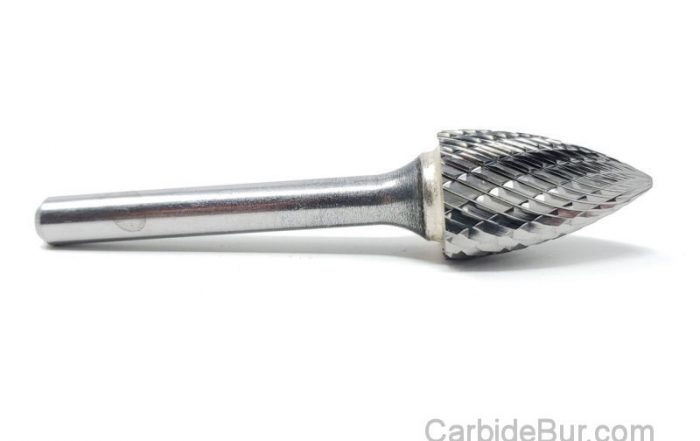
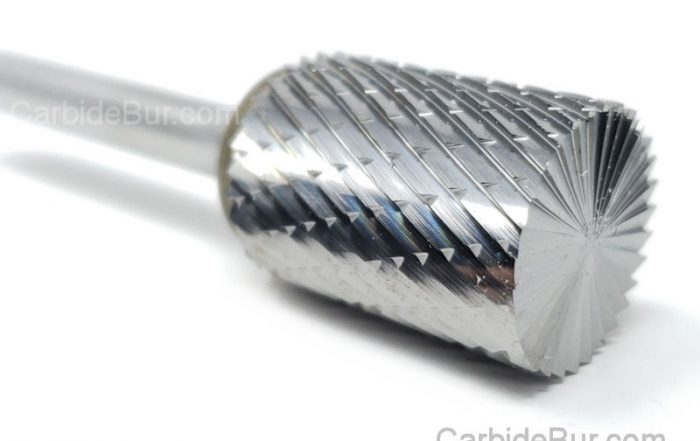
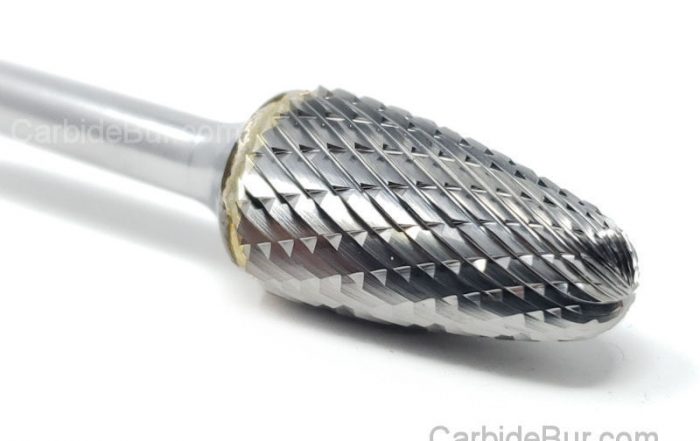
Carbide burrs come in various shapes and sizes, each suited for different tasks. Common types include cylindrical, ball-shaped, and flame-shaped burrs. Each shape serves a specific purpose, from material removal to fine detailing. Choosing the right type depends on the material you’re working with and the finish you desire. For example, cylindrical burrs are great for flat surfaces, while ball-shaped burrs excel in contouring.
Best Tool for Carbide Burrs
When using carbide burrs, consider the task and the material. Die grinders are excellent for heavy-duty work, providing the power needed for tough materials. On the other hand, Dremel tools are perfect for precision tasks requiring detailed work. The best tool depends on your specific needs: consider the scope of your project and the finish you want to achieve.
Safety Tips
Safety is paramount when working with carbide burrs. Always wear protective gear, such as goggles and gloves, to prevent injuries. Ensure your workpiece is securely clamped to avoid accidents. Regularly inspect your tools and burrs for wear or damage. Following these safety tips will help you work confidently and avoid potential hazards.
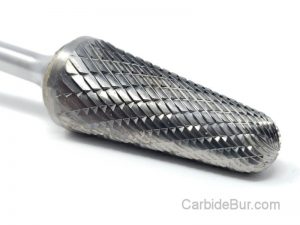
Die Grinder vs Dremel Carbide Burr
Choosing between a die grinder and a Dremel for carbide burrs depends on your priorities: strength or precision.
Performance Comparison
Die grinders deliver robust power, suitable for heavy-duty tasks. Their ability to handle tough materials sets them apart in performance. In contrast, Dremel tools offer precision, excelling in tasks that require delicate detailing. Your choice should reflect the demands of your project and the level of detail required.
Ergonomic Considerations
Both tools offer ergonomic designs, but they cater to different needs. Die grinders are built for strength, often featuring adjustable handles for better control. Dremel tools prioritize comfort and precision, with lightweight and compact designs. Consider which tool feels more comfortable for extended use.
Tool Versatility
When it comes to versatility, both die grinders and Dremel tools shine. Die grinders handle a wider range of heavy-duty tasks, while Dremel tools adapt to precision work. Evaluate your project needs: if you require a tool for various detailed tasks, the Dremel might be your best bet.
Practical Tips for Optimal Use
Maximizing the potential of your chosen tool can elevate your results. Here’s how to make the most of your die grinder or Dremel.
Enhancing Machining Experience
To enhance your machining experience, match your tool’s speed and power to the material. This ensures efficient material removal and a smooth finish. Experiment with different accessories to find the best tool for carbide burrs in your specific application.
Maintenance and Care
Proper maintenance extends the life of your tools. Regularly clean your die grinder or Dremel to prevent dust buildup. Check for wear on parts and replace them as needed. Consistent care keeps your tools in optimal condition, ensuring their longevity.
Project-Specific Recommendations
Tailor your tool choice to the project. For intricate designs, opt for the precision of a Dremel. For heavy-duty grinding, a die grinder offers the necessary power. Understanding your project requirements ensures you choose the best tool for the job, ultimately enhancing your results.
Frequently Asked Questions
What is the main difference between a die grinder and a Dremel?
A die grinder is more powerful, making it suitable for heavy-duty tasks. In contrast, a Dremel is designed for precision, ideal for detailed work.
Which tool is better for carbide burrs?
The choice depends on your project. Use a die grinder for tougher materials and a Dremel for detailed, precise tasks.
How should I maintain my tools?
Regularly clean your tools and check for wear on parts. Proper maintenance ensures longevity and optimal performance.
What safety precautions should I take when using carbide burrs?
Always wear protective gear like goggles and gloves. Ensure your workpiece is securely clamped and inspect your tools regularly for any damage.
Can I use both tools for the same project?
Yes, you can use both tools depending on the task requirements. Use a die grinder for rough work and a Dremel for finer details.
Looking for Carbide Bur Tools?
Check out our entire selection of USA made carbide bur die grinder tool bits
Follow us on Twitter

Return to CarbideBur.com
Carbide Burs – 1/4″ on 1/8″ Shanks – Accessories – Aluminum Cut – Bur Sets – End Mills – Long Shank – Solid Burs

Carbide Burr vs. Grinding Stone: Which Is Better for Metal Removal?
Carbide Burr vs. Grinding Stone: Which Is Better for Metal Removal? When you need to remove metal, smooth a rough edge, or shape a metal component, two common options are carbide burrs and grinding stones. [...]
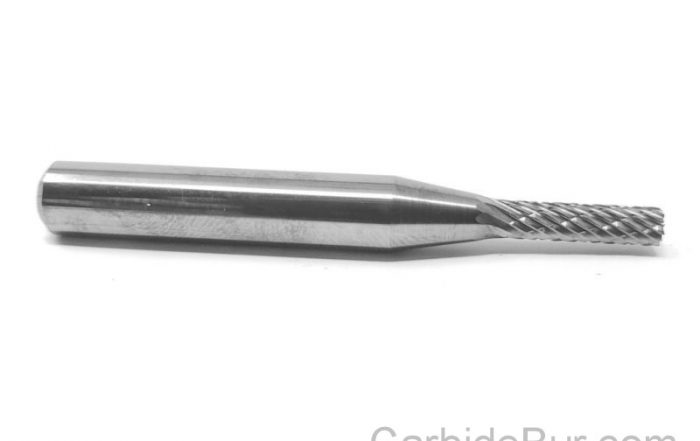
Carbide Burr Safety: RPM, Eye Protection, and Common Mistakes
Carbide Burr Safety: RPM, Eye Protection, and Common Mistakes Carbide burrs are versatile cutting tools used for metal fabrication, welding cleanup, engine porting, deburring, and general material removal. When used correctly, they can help remove [...]
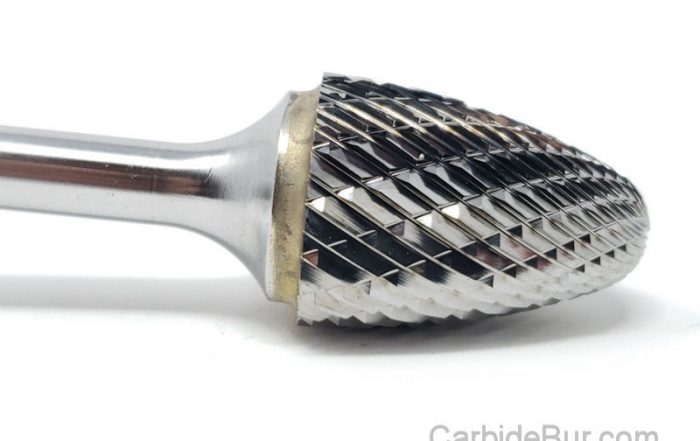
How to Stop Aluminum from Clogging Your Carbide Burr
How to Stop Aluminum from Clogging Your Carbide Burr Aluminum is widely used in automotive work, welding, metal fabrication, aerospace components, and general machining. It is lightweight, relatively easy to machine, and versatile across many [...]
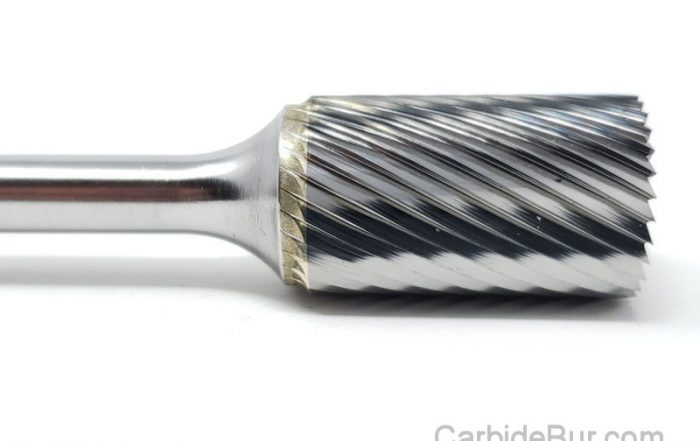
Carbide Burrs for Intake Manifolds: Shaping, Cleanup, and Fitment
Carbide Burrs for Intake Manifolds: Shaping, Cleanup, and Fitment Intake manifold work often involves more than simply bolting a component onto an engine. Depending on the application, metal intake components may have casting irregularities, rough [...]
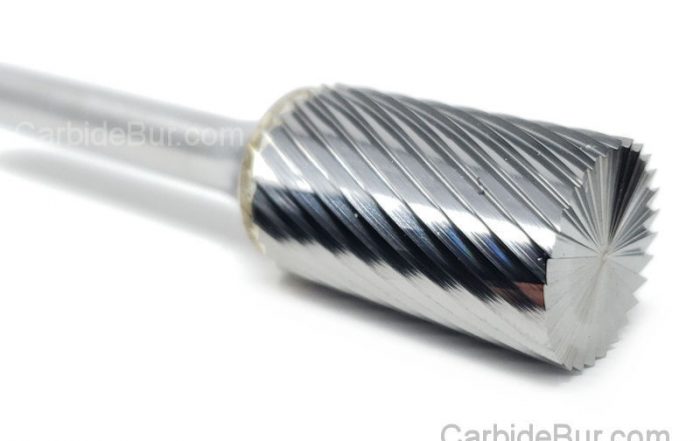
Why Long-Shank Carbide Burrs Are Useful for Hard-to-Reach Areas
Why Long-Shank Carbide Burrs Are Useful for Hard-to-Reach Areas When working on metal parts, the area that needs grinding or shaping is not always easy to reach. Recessed openings, deep cavities, interior surfaces, and complicated [...]
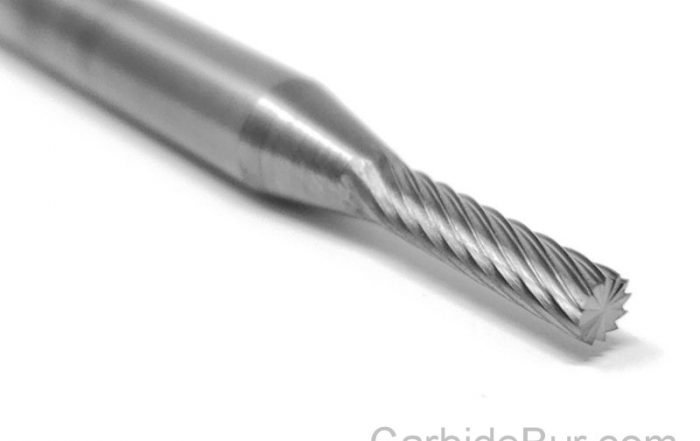
Choosing Carbide Burrs for Stainless Steel Fabrication
Choosing Carbide Burrs for Stainless Steel Fabrication Stainless steel is widely used in fabrication because of its corrosion resistance, strength, and durability. However, those same properties can make it challenging to machine and finish. Removing [...]
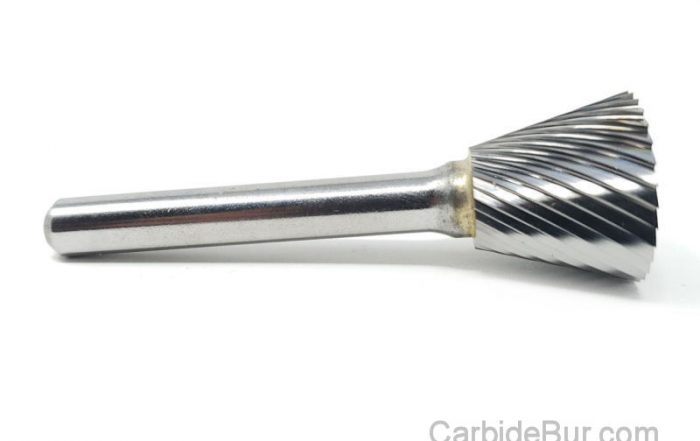
Can You Use Carbide Burrs in a Dremel? Shank Sizes Explained
Can You Use Carbide Burrs in a Dremel? Shank Sizes Explained If you use a Dremel or another rotary tool for detail work, metal shaping, or small fabrication projects, you may wonder whether you can [...]
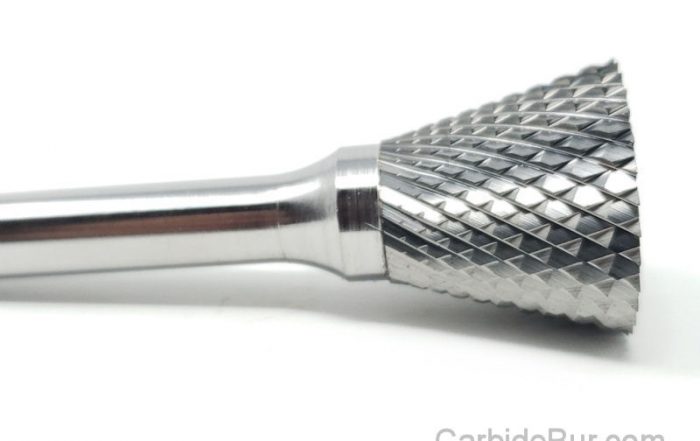
How to Choose the Best Carbide Burr for Welding and Metal Fabrication
How to Choose the Best Carbide Burr for Welding and Metal Fabrication Welding and metal fabrication often require more than joining two pieces of metal together. Once the welding is finished, fabricators frequently need to [...]
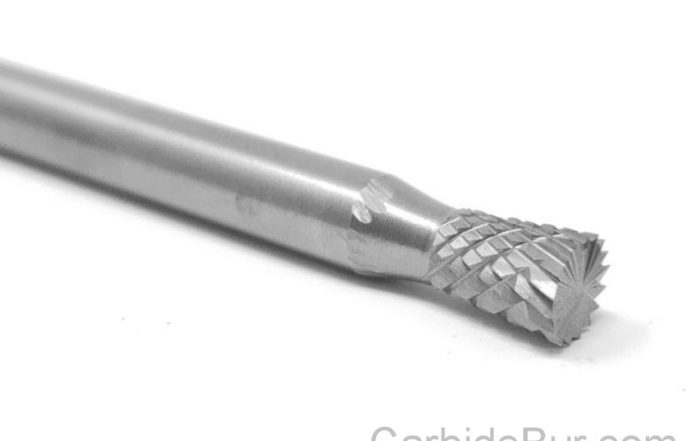
Carbide Burrs for Cylinder Heads: What Automotive Enthusiasts Need to Know
Carbide Burrs for Cylinder Heads: What Automotive Enthusiasts Need to Know Cylinder head work is an important part of engine building, restoration, and performance machining. Whether you are cleaning up casting imperfections, refining port surfaces, [...]
Engine Porting 101: How Carbide Burrs Help Shape Cylinder Head Ports
Engine Porting 101: How Carbide Burrs Help Shape Cylinder Head Ports Engine performance enthusiasts, automotive machinists, and engine builders often look for ways to improve airflow through an engine's cylinder heads. One technique used in [...]
When to Use a 4-Inch or 9-Inch Die Grinder Extension
When to Use a 4-Inch or 9-Inch Die Grinder Extension Metal fabrication, welding, automotive repair, and engine building often require working in places where a standard die grinder and carbide burr cannot easily reach. Recessed [...]
Why Buy USA-Made Carbide Burr Tools? What Buyers Should Compare
Why Buy USA-Made Carbide Burr Tools? What Buyers Should Compare When shopping for carbide burr tools, it's tempting to compare products based on price alone. However, professionals who use rotary cutting tools for welding, metal [...]