
From Aerospace to Automotive: Empowering Your Projects with Carbide Burrs and Titanium
Cutting titanium is no easy task. Its toughness and tendency to harden under pressure can stall even the best tools. Carbide burrs, known for their strength and precision, might be the solution you need to conquer this challenge. This post breaks down how to choose the right burr shapes and sizes to get clean, precise results when machining titanium for your projects. For more insights, visit this link.
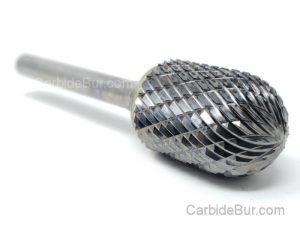
Have you tried our Carbide Burs for your job?
Understanding Titanium Properties
Titanium is fascinating yet challenging. Its unique properties set it apart, especially when machining. To truly understand its complexity, let’s dive into its characteristics.
Challenges of Machining Titanium
Machining titanium might seem daunting at first. Its resilience can wear down tools quickly, leading to frustration. Many machinists encounter this issue but don’t lose heart. With time, you’ll learn to work with titanium rather than against it.
This metal’s high strength-to-weight ratio is unmatched. It can withstand heat and stress like no other. But this toughness makes it hard to cut. Your tools need to be top-notch to handle titanium without faltering.
High-Strength Material Characteristics
Titanium’s strength is one reason it’s used in demanding fields like aerospace. Its durability means it won’t easily deform, which is great for finished products but tricky during machining. This material holds its shape under pressure.
You might wonder why titanium is chosen then. The answer lies in its lightweight nature. For projects where weight matters, titanium is a clear winner. It’s lighter than steel but offers similar strength, a balance many industries need.
Work-Hardening Tendencies
Another layer of complexity is titanium’s work-hardening tendency. When you apply pressure, it becomes even tougher. This can be a roadblock if not managed properly. Understanding this helps in choosing the right approach.
To counteract work-hardening, you need consistent cutting pressure. Allowing the tool to glide can lead to smoother results. Keep this in mind when selecting your tools and techniques.
Carbide Burrs: The Perfect Tool
Now that you know titanium’s properties, let’s explore why carbide burrs are your best bet. These tools are designed to tackle the challenges titanium presents.
Unique Features for Cutting Titanium
Carbide burrs stand out due to their strength and durability. They maintain their sharpness even when faced with titanium’s resistance. You can rely on them to cut smoothly without losing efficiency.
What makes them ideal is their material composition. Carbide is known for its hardness. This makes these burrs more resilient than others. They resist wear, ensuring you get the most out of each tool.
For more details on why carbide burrs work so well, check out this detailed resource.
Selecting the Right Burr Shapes
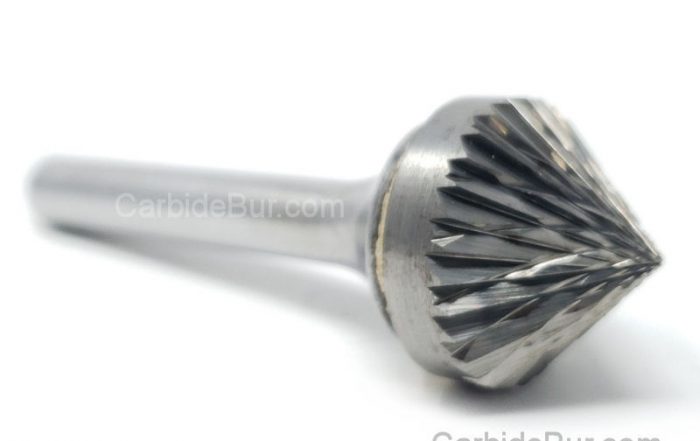
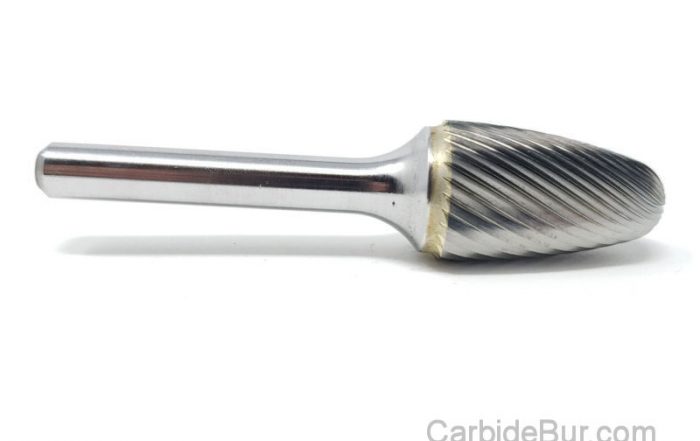
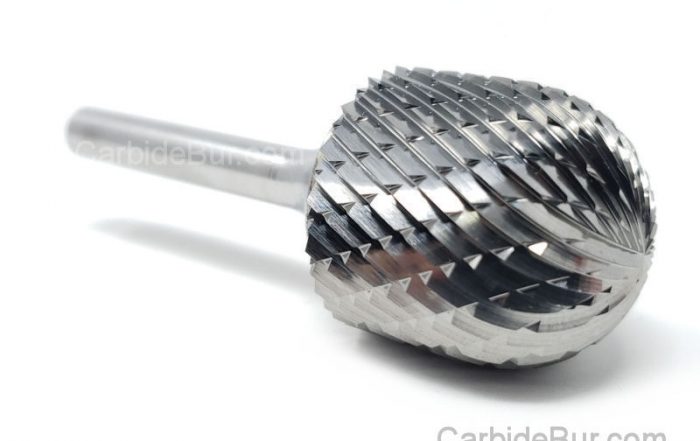
Choosing the right shape is crucial. The shape of the burr affects how it interacts with titanium. For precise cuts, opt for pointed or tapered shapes. They allow for detailed work and tight spaces.
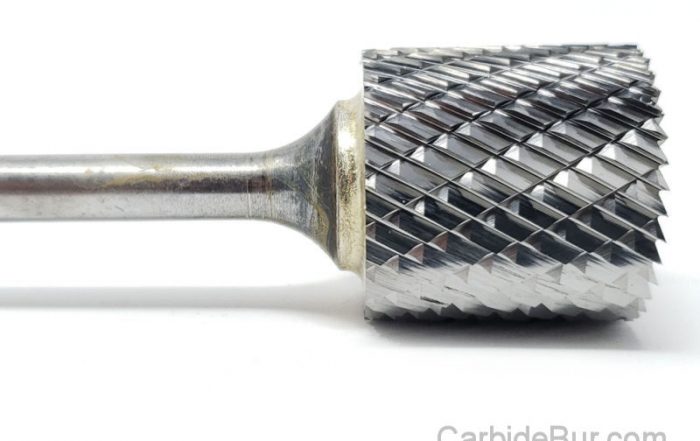
Flat or cylindrical burrs are great for removing larger areas of material. They provide even contact and can handle broader strokes. Having a variety of shapes on hand lets you adapt to different tasks with ease.
For a guide on essential burr shapes, visit this page.
Choosing Optimal Burr Sizes
Size matters when machining titanium. Larger burrs cover more area quickly, but smaller ones offer precision. Consider your project’s needs before making a choice.
Small burrs are perfect for intricate details. They give you control over delicate tasks. On the other hand, larger burrs can speed up processes where precision isn’t as critical. Balance speed and accuracy by selecting the right size for each task.
Explore various burr size options at this link.
Tips for Effective Titanium Machining
Now that you have the tools, let’s focus on techniques. Effective machining relies on precision and strategy. Here’s how you can master the art.
Enhancing Precision and Quality
Precision is key when working with titanium. Keep your tools sharp and well-maintained. This ensures accurate cuts and high-quality finishes. Regular maintenance can be the difference between success and frustration.
Consider your cutting speed too. A steady pace prevents overheating and reduces the risk of errors. Slow and steady wins this race, ensuring your results are flawless.
Avoiding Common Machining Pitfalls
Mistakes can happen, but you can avoid them with preparation. One pitfall is overheating, which can damage both the tool and the material. Use coolant to keep temperatures in check.
Another common issue is tool chatter. This can lead to rough finishes and tool wear. To prevent this, secure your workpiece firmly and maintain consistent pressure. These simple steps can save time and resources.

Techniques for Smooth Finishes
Achieving a smooth finish is often the goal. To do this, pay attention to your final passes. These should be light and controlled. Rushing can lead to scratches or uneven surfaces.
Using the right lubricant helps too. It reduces friction and allows the tool to glide effortlessly. A little attention to detail goes a long way in achieving that perfect finish.
Applications in Aerospace and Automotive
With these techniques, you’re ready to apply your skills in real-world scenarios. Let’s explore how titanium machining impacts major industries like aerospace and automotive.
Aerospace Project Considerations
In aerospace, weight and strength are critical. Titanium is often used for components that need to be both strong and light. Your machining skills can directly impact the safety and efficiency of these projects.
Precision is non-negotiable here. Each cut must be exact to ensure parts fit and perform as expected. The more precise your work, the more reliable the finished product will be.
Automotive Industry Insights
The automotive industry also benefits from titanium’s properties. It’s used in high-performance parts where weight reduction is crucial. Your machining skills can enhance vehicle performance.
Consider the role of titanium in exhaust systems or suspension components. These parts must endure stress and heat, where titanium excels. Your ability to machine this tough material can set you apart in automotive projects.
Expanding into Medical Applications
Titanium’s biocompatibility makes it ideal for medical use. From joint replacements to surgical tools, your precision machining can improve healthcare outcomes.
The medical field demands the highest standards. Each component must meet strict guidelines. Your expertise in machining titanium can contribute to safer, more effective medical devices.
Empowering Your Machining Projects
With knowledge in hand, you’re ready to tackle any project with confidence. Carbide burrs and titanium are a powerful combination for success.
Building Confidence with Carbide Burrs
Using carbide burrs gives you an edge. Their durability and precision empower you to take on challenging materials like titanium. As you gain experience, your confidence will grow.
Each project completed builds your skill set. You’ll become more adept at handling complex tasks and producing top-quality work.
Aspiring for Excellence in Machining
Strive for excellence in every project. The pursuit of perfection can drive innovation and creativity. Your dedication to quality sets you apart in the field.
Remember, each piece of work you produce reflects your expertise. Aim for nothing short of the best, and you’ll establish a reputation for excellence.
Encouraging Entrepreneurial Growth
Your skills can lead to new opportunities. Consider branching out or starting your own venture. The demand for skilled machinists is growing, and your expertise in titanium machining is valuable.
Entrepreneurship offers the chance to control your destiny. With the right tools and knowledge, you can turn your passion into a thriving business. Embrace the challenge and explore new horizons in the world of machining.
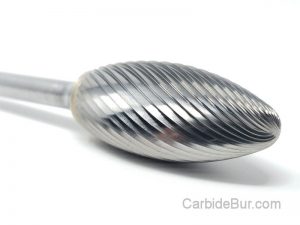
Looking for Carbide Bur Tools?
Check out our entire selection of USA made carbide bur die grinder tool bits
Follow us on Twitter

Return to CarbideBur.com
Carbide Burs – 1/4″ on 1/8″ Shanks – Accessories – Aluminum Cut – Bur Sets – End Mills – Long Shank – Solid Burs
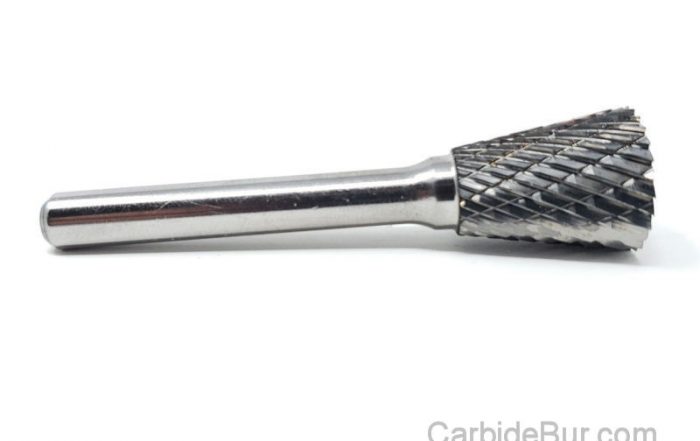
Carbide Burrs for Removing Rust: What Works Best?
Carbide Burrs for Removing Rust: What Works Best? Rust can turn your favorite tools into useless junk faster than you expect. Removing it without ruining the metal underneath takes more than just elbow grease—it demands [...]
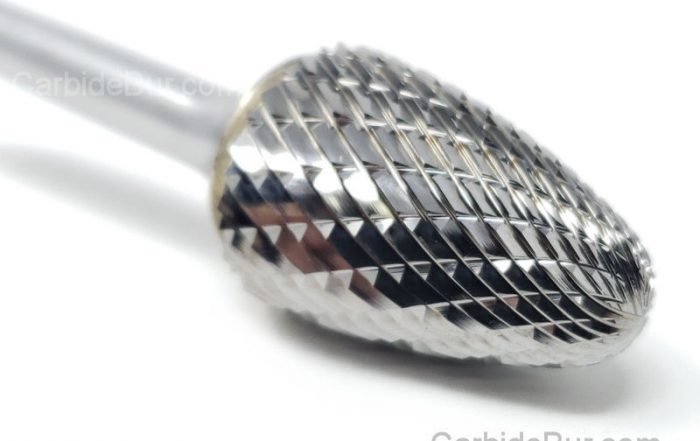
How Much Pressure Should You Use With a Carbide Burr?
How Much Pressure Should You Use With a Carbide Burr? Most people think pressing harder with a carbide burr speeds up the job. That’s not true—too much pressure wears out your tool and ruins the [...]
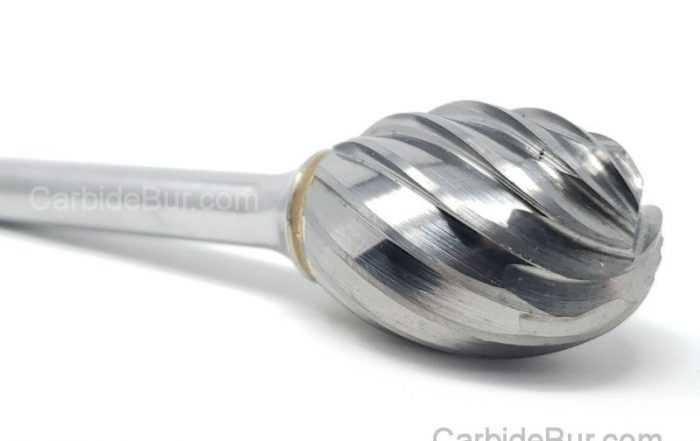
Can You Use Carbide Burrs With an Air Die Grinder?
Can You Use Carbide Burrs With an Air Die Grinder? Most people don’t realize how well carbide burrs work with air die grinders until they try them. If you’ve ever struggled with finding the right [...]
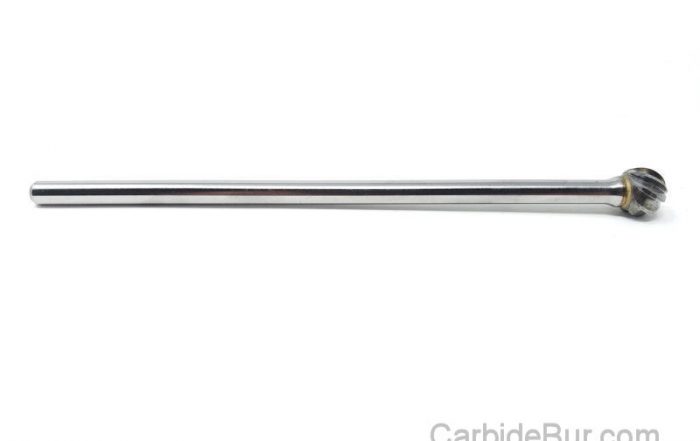
Best Long Reach Carbide Burr for Deep Metal Work
Best Long Reach Carbide Burr for Deep Metal Work Long reach carbide burrs often promise deep metal access, but many fall short where it counts most. You need a tool that cuts cleanly, lasts through [...]
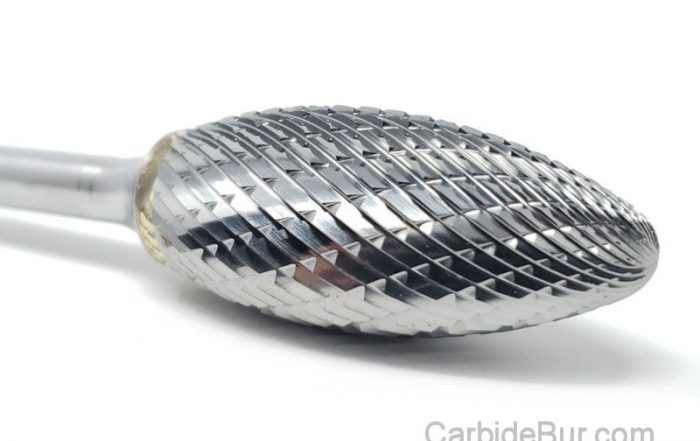
What RPM Should You Use for a 1/8 Inch Carbide Burr?
What RPM Should You Use for a 1/8 Inch Carbide Burr? Most people guess the right carbide burr RPM by feel—and waste hours redoing work. If you want cleaner cuts and longer tool life, your [...]
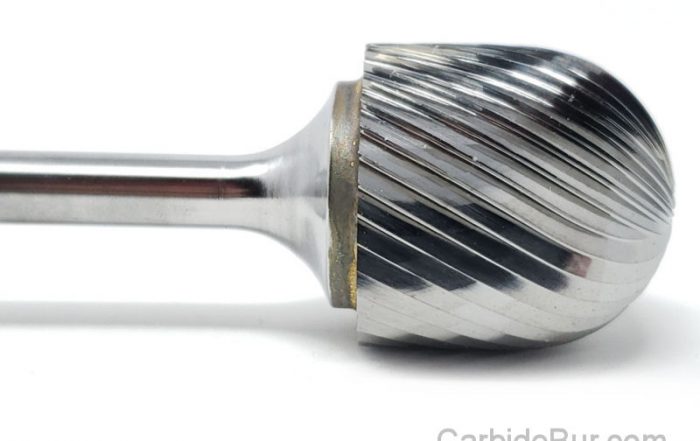
Carbide Burrs for Tight Spaces: Choosing the Right Shape
Carbide Burrs for Tight Spaces: Choosing the Right Shape Tackling tight spaces with the wrong carbide burrs wastes time and risks damaging your work. Choosing the right burr shape makes all the difference when working [...]
Can Carbide Burrs Remove Paint From Metal?
Can Carbide Burrs Remove Paint From Metal? Stripping paint from metal often feels like a tough chore that risks damaging the surface underneath. Many turn to carbide burrs hoping they can speed things up without [...]
How to Grind a Groove in Metal With a Carbide Burr
How to Grind a Groove in Metal With a Carbide Burr Most metalworkers struggle to cut clean grooves without wasting time or ruining their workpiece. Many try different metalworking tools but end up with uneven [...]
Can Carbide Burrs Cut Through Welds?
Can Carbide Burrs Cut Through Welds? Cutting through welds can feel like a battle, especially when you need clean results without harming the base metal. Carbide burrs offer a sharp edge in this fight, but [...]
How to Use a Carbide Burr With a Die Grinder
How to Use a Carbide Burr With a Die Grinder Most people treat a carbide burr like just another tool, but using it with a die grinder takes skill. If you’ve struggled with burr installation [...]
1/8 vs 1/4 Inch Carbide Burrs: What’s the Difference?
1/8 vs 1/4 Inch Carbide Burrs: What's the Difference? Choosing between a 1/8 inch carbide burr and a 1/4 inch carbide burr can change how your project turns out. Many machinists and hobbyists overlook how [...]
Best Carbide Burr for Removing Flash From Castings
Best Carbide Burr for Removing Flash From Castings Removing flash from castings is a task that can slow down your entire metalworking process if you don’t have the right tools. Picking the best carbide burr [...]
