
Mastering Aluminum Welds: Essential Carbide Bur Techniques for Perfect Smoothing
Aluminum welding is a craft that demands precision, and mastering it can set you apart in the world of metalwork. Using carbide burs for smoothing aluminum welds is an essential technique that enhances the quality and appearance of your projects. In this guide, we’ll explore the ins and outs of selecting the right carbide burs and applying effective welding techniques to achieve a flawless finish. Whether you’re a seasoned welder or a DIY enthusiast, understanding these weld smoothing tips will empower you to create professional-grade work. Get ready to refine your skills with the right welding tools and elevate your craftsmanship to new heights.## Understanding Aluminum Welding
Aluminum welding requires a deep understanding of the material’s unique properties. Welders often encounter specific challenges due to aluminum’s characteristics. This section covers the basics and common difficulties faced when working with aluminum.
Check out all our USA made carbide bur cutting tools here
Basics of Aluminum Welding
Aluminum welding involves joining aluminum pieces using various techniques. It’s essential to know that aluminum has a lower melting point and higher thermal conductivity than steel. These properties make it susceptible to warping and require precise temperature control.
Beginners should start by understanding the aluminum alloy they are working with, as different alloys can behave differently. Each aluminum alloy has its welding requirements, making it crucial to consult material-specific guidelines.
Welding aluminum typically requires specialized equipment. Tools like TIG (Tungsten Inert Gas) welders are popular for their precision and ability to handle thin materials. Visit Carbide Burr for a deeper dive into welding equipment specifics.
Common Challenges in Welding Aluminum
Common challenges in aluminum welding include oxide formation, porosity, and thermal distortion. Aluminum oxidizes quickly when exposed to air, forming a layer that needs removal before welding.
Porosity, caused by trapped gases, can weaken the weld. To prevent this, proper cleaning and using the right shielding gas are critical. Thermal distortion is another issue due to aluminum’s high thermal conductivity.
Beginners often struggle with maintaining the correct weld pool. Practice is key. Joining forums like Welding Tips and Tricks can provide community support and advice.
Selecting the Right Tools
Choosing the right tools is fundamental to successful aluminum welding. This section guides you through selecting carbide burs and essential tools for beginners.
Choosing the Best Carbide Burs
Selecting the right carbide burs is vital for a smooth finish. Carbide burs for aluminum are designed to cut efficiently and reduce material build-up.
-
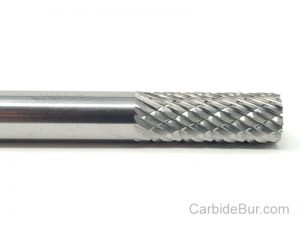
Consider the shape: Cylindrical burs are ideal for flat surfaces, while ball-shaped burs excel in contoured areas.
-
Check the cut style: Single-cut burs remove material quickly, whereas double-cut burs offer a finer finish.
-
Look for durability: High-quality burs last longer and maintain their sharpness.
For a comprehensive selection, visit Carbide Burr. They offer a range of burs suited for various tasks.
Check out all our USA made carbide bur cutting tools here
Essential Welding Tools for Beginners
Beginners need a set of basic tools to start aluminum welding. Essential items include:
-
TIG welder: Provides precise control for thin materials.
-
Welding helmet: Protects your eyes and face from UV radiation.
-
Gloves and protective gear: Safety is paramount.
-
Brushes: Stainless steel brushes help clean aluminum surfaces without contamination.
Investing in quality tools ensures better results and a smoother learning curve. Starter kits can be found on sites like Carbide Burr to help equip new welders.
Techniques for Smoothing Aluminum Welds
Smoothing welds is crucial for aesthetics and function. This section focuses on effective carbide bur techniques and key tips for weld smoothing.
Effective Carbide Bur Techniques
To achieve a perfect finish, employing the right carbide bur techniques is essential. Start by selecting the appropriate bur shape and cut for the weld area.
-
Use consistent pressure: Apply even pressure to avoid gouging.
-
Maintain the correct angle: Keeping the bur at the right angle helps in achieving a uniform surface.
-
Work progressively: Begin with a rough cut and move to finer cuts for a smooth finish.
Consistency and practice are key. Refer to Welding Tips and Tricks for more insights from experienced welders.
Key Weld Smoothing Tips
For successful weld smoothing, consider these key tips:
-
Clean the workpiece: Remove oxides and debris before starting.
-
Use the right speed: Adjust the rotary tool speed to match the material thickness.
-
Inspect regularly: Frequently check your work to prevent over-grinding.
These practical tips ensure not only a better finish but also extend the life of your equipment. More tips can be found at Carbide Burr.
Maintaining Your Tools
Proper maintenance of your tools enhances performance and longevity. Here’s how to care for your carbide burs and extend tool lifespan.
Proper Care for Carbide Burs
Maintaining carbide burs is crucial for consistent performance. Regular cleaning and proper storage can prevent premature wear.
-
Clean after each use: Remove debris and residue to keep burs sharp.
-
Store properly: Keep burs in a dry, organized space to prevent damage.
-
Inspect regularly: Check for signs of wear and replace as necessary.
Frequent maintenance ensures burs perform at their best. More maintenance tips are available at Carbide Burr.
Extending Tool Lifespan
To extend the lifespan of your welding tools:
-
Follow manufacturer guidelines: Adhere to usage instructions.
-
Regularly inspect tools: Spot potential issues early.
-
Conduct routine maintenance: Lubricate moving parts and tighten loose components.
Proper care prolongs tool life, saving money in the long run. Engage with communities like Welding Tips and Tricks for shared experiences.
Advanced Welding Techniques
For those looking to enhance their skills, advanced techniques can significantly improve your welding work. This section discusses expert techniques and mastering complex welds.
Expert Aluminum Welding Techniques
Expert techniques can transform your aluminum welding projects. Consider experimenting with advanced welding methods.
-
Pulse welding: Helps control heat input and reduce distortion.
-
Back purging: Prevents oxidation on the weld’s backside.
-
Preheating: Reduces thermal shock and improves weld quality.
These techniques require practice and patience. For a more nuanced understanding, Carbide Burr provides additional resources.
Mastering Complex Welds
Mastering complex welds demands skill and precision. Begin with simpler projects and gradually progress to more difficult tasks.
-
Plan your approach: Thoroughly understand the weld sequence.
-
Use jigs and fixtures: Aid in holding complex assemblies in place.
-
Practice regularly: Incremental practice builds confidence and skill.
Learning from peers on Welding Tips and Tricks can offer valuable insights and feedback.
Check out all our USA made carbide bur cutting tools here
1/8 vs 1/4 Inch Carbide Burrs: What’s the Difference?
1/8 vs 1/4 Inch Carbide Burrs: What's the Difference? Choosing between a 1/8 inch carbide burr and a 1/4 inch carbide burr can change how your project turns out. Many machinists and hobbyists overlook how [...]
Best Carbide Burr for Removing Flash From Castings
Best Carbide Burr for Removing Flash From Castings Removing flash from castings is a task that can slow down your entire metalworking process if you don’t have the right tools. Picking the best carbide burr [...]
What RPM Should You Use for a 1/4 Inch Carbide Burr?
What RPM Should You Use for a 1/4 Inch Carbide Burr? Most machinists guess the right speed for a 1/4 inch carbide burr and hope for the best. Using the wrong carbide burr RPM can [...]
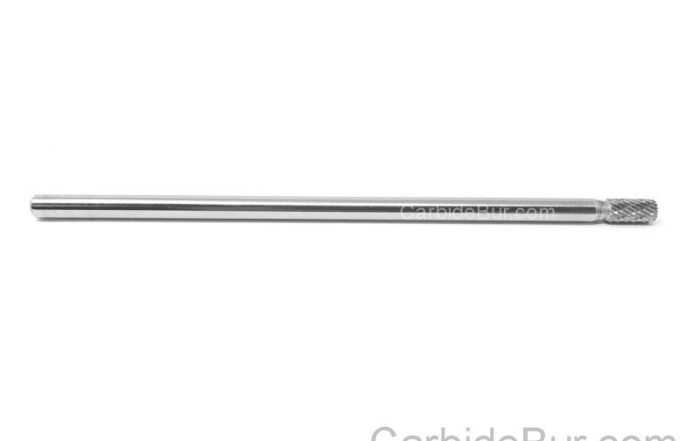
Long Shank Carbide Burrs: When Do You Need One?
Long Shank Carbide Burrs: When Do You Need One? Most machinists overlook the power of long shank carbide burrs until a project demands precision in tight spaces. When your usual tools can’t reach intricate contours, [...]
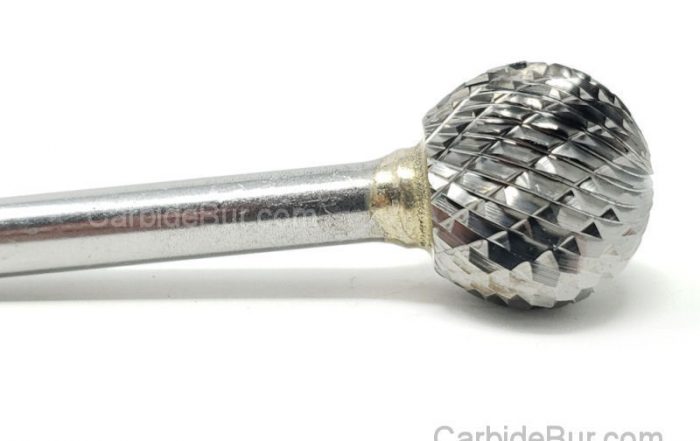
How Deep Can a Carbide Burr Cut Metal?
How Deep Can a Carbide Burr Cut Metal? Carbide burrs often get praised for their precision, but many users hit a wall wondering how deep they can actually cut metal. The truth is, cutting depth [...]
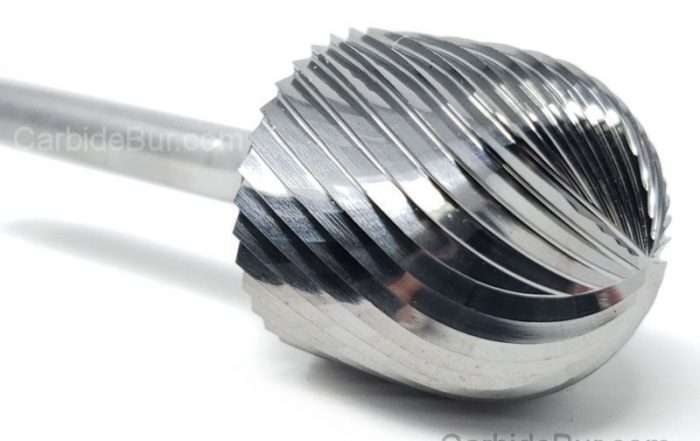
How to Use Carbide Burrs for Port Matching
How to Use Carbide Burrs for Port Matching Most engine builds hit a wall when airflow doesn’t flow smoothly between the ports and manifolds. If your engine isn’t breathing right, your performance stalls. Using the [...]
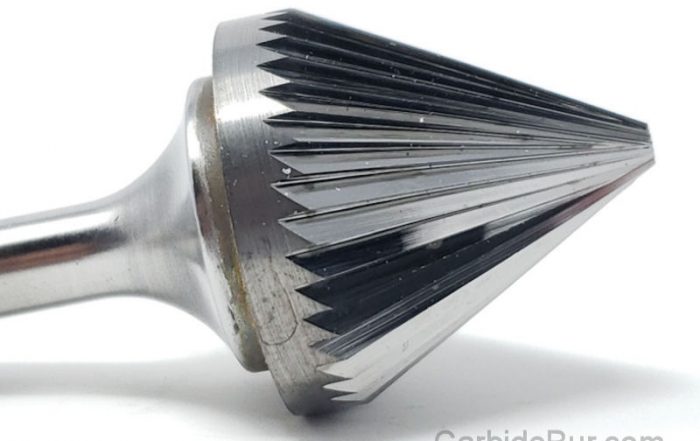
Best Carbide Burr for Porting Intake Manifolds
Best Carbide Burr for Porting Intake Manifolds Porting intake manifolds can make or break your engine’s airflow, yet many struggle with the right tools for the job. Choosing the best carbide burrs is key to [...]
Best Carbide Burr for Concave Surfaces
Best Carbide Burr for Concave Surfaces Concave surfaces can turn a straightforward project into a frustrating challenge if you don’t have the right tool. Carbide burrs designed for these tricky curves make all the difference [...]
How to Grind a Slot in Metal With a Carbide Burr
How to Grind a Slot in Metal With a Carbide Burr Grinding a precise slot in metal can feel like a tricky task, especially if you’re unsure which tools to trust. Carbide burr grinding offers [...]

Best Carbide Burr for Inside Corners
Best Carbide Burr for Inside Corners Working in tight inside corners can turn even simple projects into frustrating tasks. Many carbide burrs just don’t fit or cut cleanly where you need them most. The best [...]
What Size Carbide Burr Do I Need?
What Size Carbide Burr Do I Need? Picking the wrong carbide burr can turn a simple project into a frustrating mess. You might have the best machining tools but still miss the mark if your [...]
How to Smooth Sharp Metal Edges With a Carbide Burr
How to Smooth Sharp Metal Edges With a Carbide Burr Sharp metal edges can turn your project from professional to risky in seconds. If you’ve struggled with smoothing metal edges without scratching or weakening the [...]
