
Mastering Tree Burrs: A Locksmith’s Guide to Safe Relocker Drilling
Most locksmiths underestimate how crucial the right tree burr is when drilling safes with relocking devices. Using the wrong tool risks triggering the lock or damaging the safe’s structure beyond repair. In this guide, you’ll learn which types of tree burrs are designed for precise relocker drilling, how to handle them safely, and how picking the right size makes your job cleaner and more reliable. For more information on locksmith tools, check out this link.
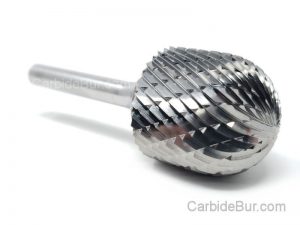
We have the perfect tools you need for safe cracking and manipulation used by professionals
Types of Tree Burrs
When it comes to drilling safes, not all tree burrs are created equal. Choosing the right one can mean the difference between success and failure.
Popular Burr Varieties
Different jobs require different burr types. Tungsten carbide burrs are a favorite because they handle tough materials like hardened steel. They’re strong and last long, which means you save time and effort. Diamond-coated burrs offer precision. They cut smoothly, reducing the risk of damaging the safe. Finally, steel burrs are versatile, suitable for softer materials. They’re cost-effective and good for less demanding tasks. Each type has unique strengths, letting you tailor your approach to the job at hand. For a deeper dive into the specifics of lock installation tools, check out this resource.
Unique Features of Each Type
Understanding the features of each burr ensures you choose the best one for your project. Tungsten carbide burrs are known for their durability. They maintain sharpness even after multiple uses. Diamond-coated burrs provide unmatched precision. The coating ensures a smooth finish, cutting down on rough edges. Steel burrs are all about flexibility. They’re great for quick jobs and are easy to replace. When you know what each burr offers, you can tackle any challenge with confidence. For expert insights, consider exploring this video tutorial.
Safety Measures During Drilling
Safety is paramount when drilling into safes. Proper precautions and practices can prevent unnecessary mishaps.
Essential Precautions
Before you start drilling, gear up with safety glasses and gloves. They protect you from metal shards and dust. Ensure that your drill is properly maintained. A well-kept drill reduces the chances of malfunctions. Always check the position of the safe’s relocking device. Knowing its location helps avoid triggering it accidentally, saving you from a costly mistake. For additional insights on safe drilling, refer to this detailed article.
Safe Drilling Practices
Maintaining a steady hand while drilling is crucial. Start with a small guide hole to ensure accuracy. This acts as a pilot, making the main hole easier to manage. Use a drill guide for stability. It keeps your drill straight, preventing slips that can damage the safe. Keep your drill speed moderate. This reduces heat and preserves the burr’s integrity. Following these practices ensures your work is clean and precise. For more help, check out this drill guide resource.
Techniques for Accurate Drilling
Mastering drilling techniques ensures accuracy and minimizes damage, making your work more reliable.
Ensuring Precise Placement
Start by marking the exact spot where you need to drill. Measure twice, drill once. This simple step prevents costly errors. Always use a center punch to create a small dent. It keeps your drill bit from wandering, ensuring you hit the mark every time. Practice makes perfect. The more you drill, the more precise you’ll become. This can establish your reputation as a skilled locksmith.
Reducing Collateral Damage
To minimize collateral damage, use the right size burr. A burr too large can cause unnecessary harm, while one too small may be ineffective. Use a steady hand and constant speed. This approach reduces stress on the safe’s material. Finally, always have a backup plan. If things go sideways, knowing your next step can save the day. Being prepared gives you the edge in challenging situations.
By mastering these techniques and choosing the right tools, you’ll ensure better outcomes in your locksmith endeavors.
We have the perfect tools you need for safe cracking and manipulation used by professionals

Can You Use a Carbide Burr With an Electric Die Grinder?
Can You Use a Carbide Burr With an Electric Die Grinder? Most people don’t realize how much a carbide burr can change the way an electric die grinder works. Using the right burr type can [...]
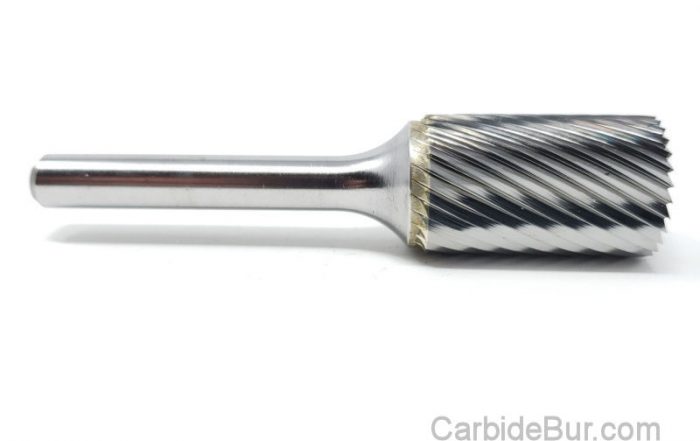
How to Deburr Holes With a Carbide Burr
How to Deburr Holes With a Carbide Burr Most people think any tool will do for deburring holes. The truth is, using the right carbide burr with the correct size and shape changes everything. In [...]
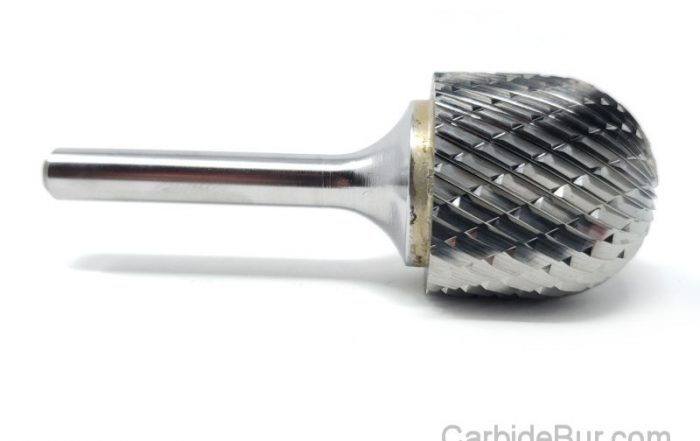
How to Choose the Correct Carbide Burr Shank Size
How to Choose the Correct Carbide Burr Shank Size Many machinists lose hours troubleshooting tool issues caused by the wrong carbide burr shank size. Using a shank that doesn’t fit your grinder can lead to [...]
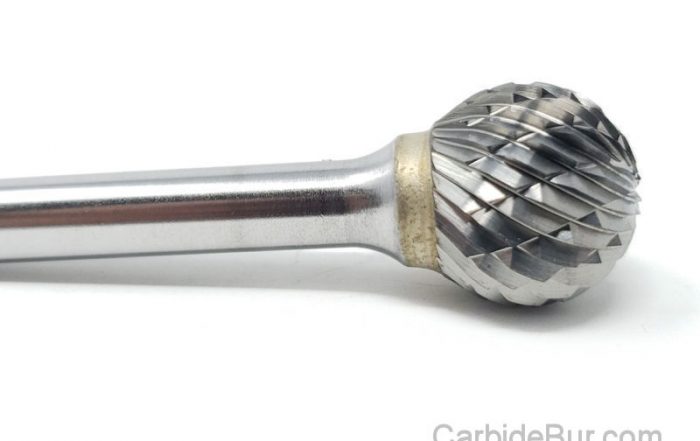
How to Remove Casting Flash With a Carbide Burr
How to Remove Casting Flash With a Carbide Burr Casting flash ruins the look and fit of your metal parts. You’ve tried sanding or grinding, but the results aren’t clean or fast enough. Learning how [...]
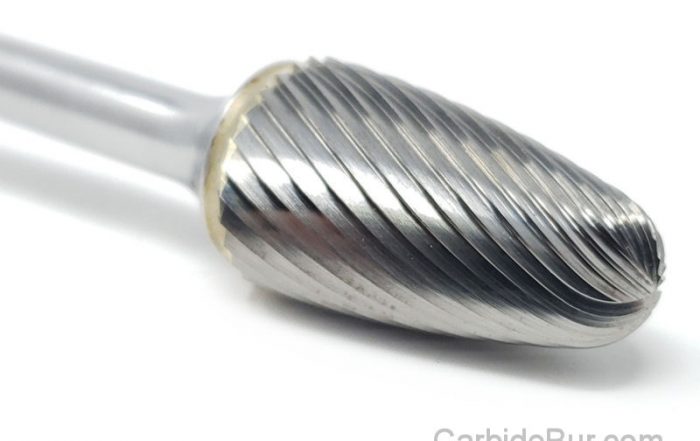
Best Carbide Burr for Enlarging a Hole in Metal
Best Carbide Burr for Enlarging a Hole in Metal When you need to enlarge a hole in metal, grabbing the wrong carbide burr can turn a simple task into a frustrating mess. Picking the best [...]
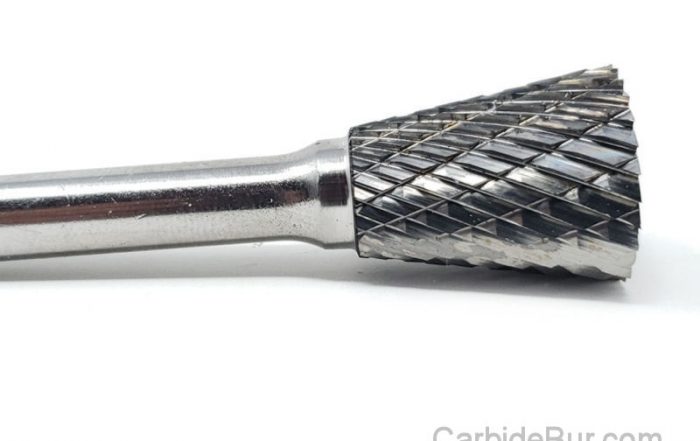
Carbide Burr Safety: 15 Mistakes That Can Cause Injury or Damage
Carbide Burr Safety: 15 Mistakes That Can Cause Injury or Damage Carbide burr safety is often overlooked until a costly mistake happens. Many metalworkers and DIYers make the same errors that lead to injuries or [...]
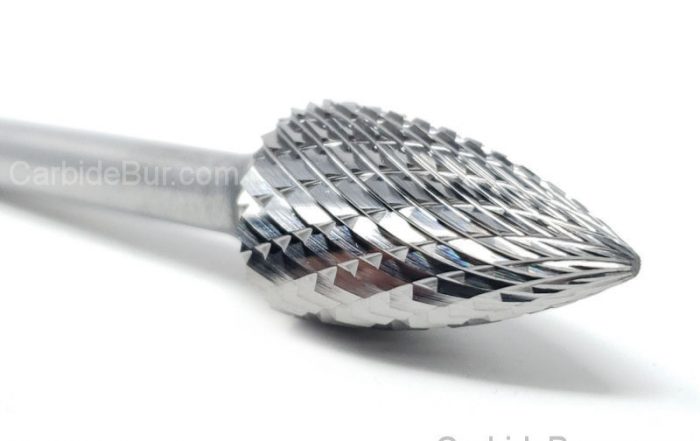
Can You Use a Carbide Burr in a Drill?
Can You Use a Carbide Burr in a Drill? Most people think a standard drill can’t handle a carbide burr, but that’s not true. Using carbide burr in the right drill can speed up your [...]
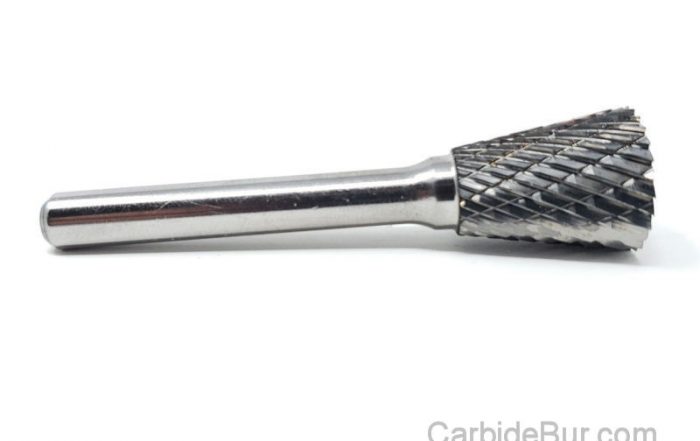
Carbide Burrs for Removing Rust: What Works Best?
Carbide Burrs for Removing Rust: What Works Best? Rust can turn your favorite tools into useless junk faster than you expect. Removing it without ruining the metal underneath takes more than just elbow grease—it demands [...]
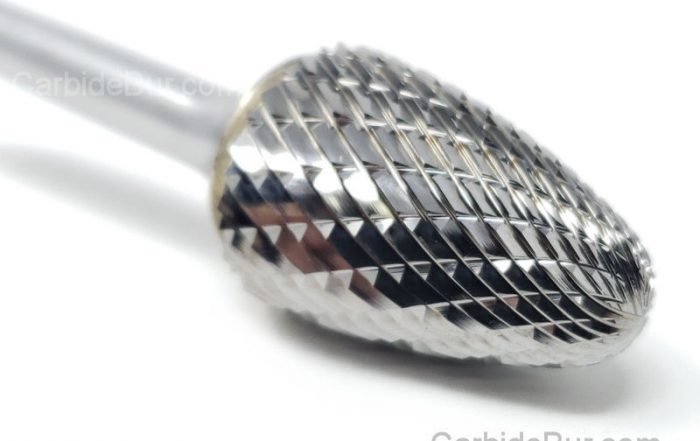
How Much Pressure Should You Use With a Carbide Burr?
How Much Pressure Should You Use With a Carbide Burr? Most people think pressing harder with a carbide burr speeds up the job. That’s not true—too much pressure wears out your tool and ruins the [...]
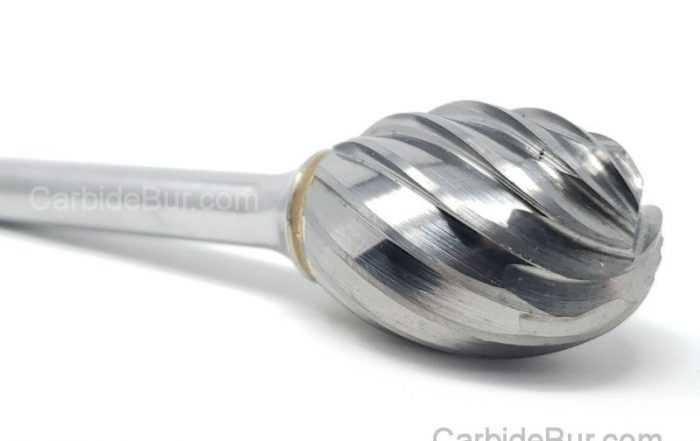
Can You Use Carbide Burrs With an Air Die Grinder?
Can You Use Carbide Burrs With an Air Die Grinder? Most people don’t realize how well carbide burrs work with air die grinders until they try them. If you’ve ever struggled with finding the right [...]
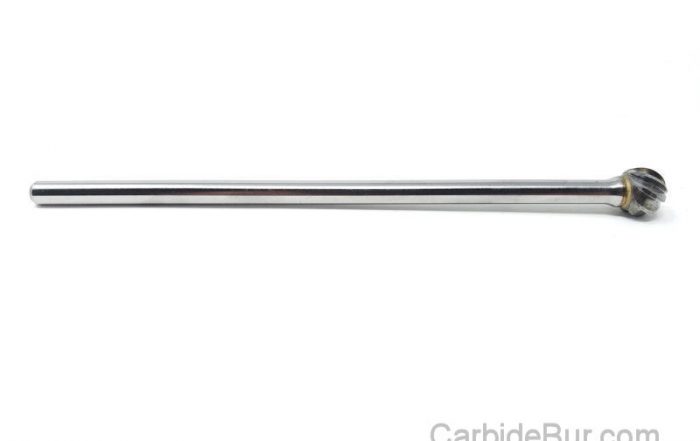
Best Long Reach Carbide Burr for Deep Metal Work
Best Long Reach Carbide Burr for Deep Metal Work Long reach carbide burrs often promise deep metal access, but many fall short where it counts most. You need a tool that cuts cleanly, lasts through [...]
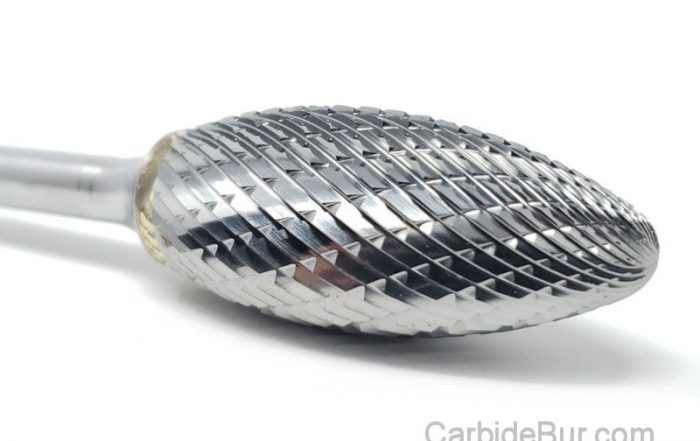
What RPM Should You Use for a 1/8 Inch Carbide Burr?
What RPM Should You Use for a 1/8 Inch Carbide Burr? Most people guess the right carbide burr RPM by feel—and waste hours redoing work. If you want cleaner cuts and longer tool life, your [...]
