
Essential Tips for Grinding Fiberglass Like a Pro
Grinding fiberglass isn’t as simple as it looks, and using the wrong tool can ruin your project fast. Dust builds up, fibers tear, and finishes end up rough when you don’t have the right gear. This guide breaks down the best tools for grinding fiberglass, from manual vs electric grinders to pneumatic fiberglass grinders, with tips to help you get smooth results every time. Stick with this and your next fiberglass project will look sharper and last longer. Check out this helpful discussion on grinding tools here.
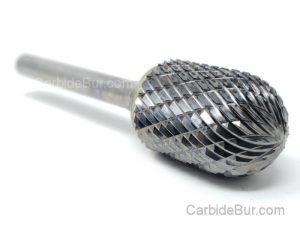
Have you tried our Carbide Burs for your job?
Understanding Fiberglass Material
Fiberglass is a versatile material found in many industries. It’s strong yet lightweight, making it ideal for marine, automotive, and construction uses. Let’s explore what makes fiberglass unique and why it requires special attention during grinding.
Characteristics and Uses
Fiberglass is known for its strength and flexibility. It consists of fine glass fibers woven together and coated in resin. This composition gives it the durability needed in boats, cars, and buildings. Its lightweight nature also makes it a favorite in DIY projects and crafts.
However, fiberglass isn’t just about strength. Its ability to resist weathering and corrosion makes it a top choice for outdoor applications. Yet, despite its benefits, working with fiberglass requires caution, especially when cutting or sanding.
Challenges in Grinding Fiberglass
Grinding fiberglass is not without its challenges. The process generates fine dust that can be harmful if inhaled. Proper ventilation and protective gear are crucial. Additionally, using the wrong tool can damage the material’s structure, leading to costly repairs.
One common issue is rough finishes. This happens when fibers tear instead of being neatly cut. The key is choosing the right tool and technique. By understanding these challenges, you can ensure a smoother, safer grinding experience.
Choosing Fiberglass Grinding Tools
Now that you know what makes fiberglass unique, it’s time to select the best tools for the job. Whether you prefer manual or electric options, or you’re curious about pneumatic grinders, the right tool makes all the difference.
Manual vs Electric Grinders
Manual grinders offer precision. They’re perfect for small tasks where control is paramount. You can easily maneuver around tight spots without risking damage. However, they require more effort and are slower for large projects.
Electric grinders, on the other hand, bring power. They’re suited for big jobs where speed matters. With adjustable settings, you can handle various surfaces with ease. Yet, they can be tricky for beginners who might struggle with control at first.
Pneumatic Fiberglass Grinders
Pneumatic grinders are powered by air. They offer a balance of power and control, making them ideal for fiberglass work. With less vibration than electric models, they reduce fatigue during extended use. Many professionals prefer them for their durability and efficiency.
For those interested in learning more about pneumatic tools, this video guide provides valuable insights. It covers setup and operation tips to get you started.
Best Tools for Grinding Fiberglass
With a clear understanding of tool types, let’s dive into the best options available. Whether you choose manual, electric, or pneumatic, each has unique benefits.
Top Manual Options
Manual tools like hand sanders provide great precision. They’re excellent for delicate tasks where control is key. You can find various grit levels to match your needs, from rough sanding to fine finishing.
For those new to fiberglass projects, manual tools offer a gentle learning curve. You can practice techniques without the high stakes of powered options. Remember, patience is your friend when working manually.
Electric Grinder Advantages
Electric grinders stand out with their power. They’re perfect for large surfaces where manual tools might fall short. Adjustable speeds let you tailor your approach, ensuring no surface is too tough.
However, electric models require a careful hand. Beginners might need practice to master them, but the payoff is well worth it. For more insights, this forum discussion shares user experiences with different brands.

Pneumatic Grinder Benefits
Pneumatic grinders offer excellent control. They’re powerful but gentle on your wrists, reducing strain during long sessions. Many models come with variable pressure settings, allowing for customized grinding experiences.
These tools are favored by professionals who need reliability. While they require an air compressor, the investment pays off with smoother results and longer tool life. Explore this community thread for more professional tips on pneumatic grinders.
Grinding Fiberglass Tips
Knowing your tools is just the start. Applying the right techniques ensures safety and quality in your fiberglass projects. Let’s cover key tips to enhance your grinding experience.
Ensuring Safety and Efficiency
Safety should always be your priority. Wear protective gear: masks, gloves, and goggles are essential. Ensure your workspace is well-ventilated to minimize dust inhalation risks.
Efficiency comes with practice. Start with small sections, testing your approach before tackling larger areas. Adjust your tools’ settings gradually to match the material’s needs. By staying cautious, you’ll protect yourself and your work.
Achieving a Smooth Finish
A smooth finish is the hallmark of successful fiberglass work. Begin with coarse grit to shape the surface, then move to finer grits for polishing. This gradual approach prevents tearing and ensures even sanding.
Keep your tools clean. Dust buildup can affect performance and finishing quality. Regularly inspect and maintain your equipment to achieve the best results. With patience and care, your projects will shine.
Maintenance and Care
Proper tool care extends their lifespan and ensures reliable performance. Let’s discuss maintaining your fiberglass grinding tools effectively.
Tool Longevity Tips
To extend your tools’ life, routine maintenance is key. Regularly check for wear and tear, replacing parts as needed. Lubricate moving components to prevent rust and ensure smooth operation.
Store tools in a dry, safe place. Moisture can damage components, reducing their effectiveness. Consider investing in protective cases for added security.
Cleaning and Storage Practices
Cleaning your tools after each use prevents residue buildup. Use a soft brush to remove dust and particles, ensuring no debris remains. For electric models, unplug before cleaning to avoid accidents.
Organize your workspace, storing tools in designated areas. This not only prolongs their life but also facilitates quick access during projects. By keeping your tools in top shape, you’ll be ready for any fiberglass task.
Remember, the longer you wait to adopt these practices, the more wear your tools endure. Keep them in peak condition to tackle projects with ease and confidence.
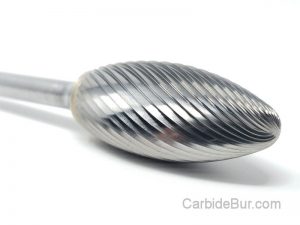
Looking for Carbide Bur Tools?
Check out our entire selection of USA made carbide bur die grinder tool bits
Follow us on Twitter

Return to CarbideBur.com
Carbide Burs – 1/4″ on 1/8″ Shanks – Accessories – Aluminum Cut – Bur Sets – End Mills – Long Shank – Solid Burs
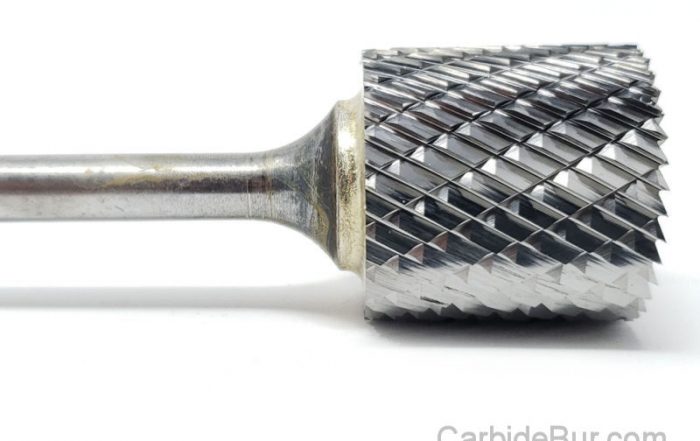
Can Carbide Burrs Cut Through Welds?
Can Carbide Burrs Cut Through Welds? Cutting through welds can feel like a battle, especially when you need clean results without harming the base metal. Carbide burrs offer a sharp edge in this fight, but [...]
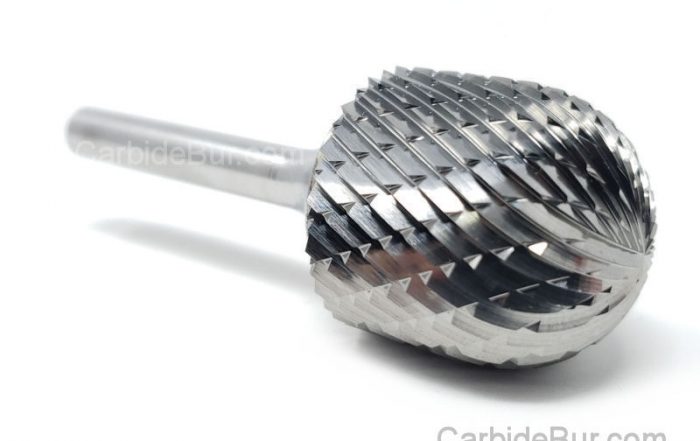
How to Use a Carbide Burr With a Die Grinder
How to Use a Carbide Burr With a Die Grinder Most people treat a carbide burr like just another tool, but using it with a die grinder takes skill. If you’ve struggled with burr installation [...]
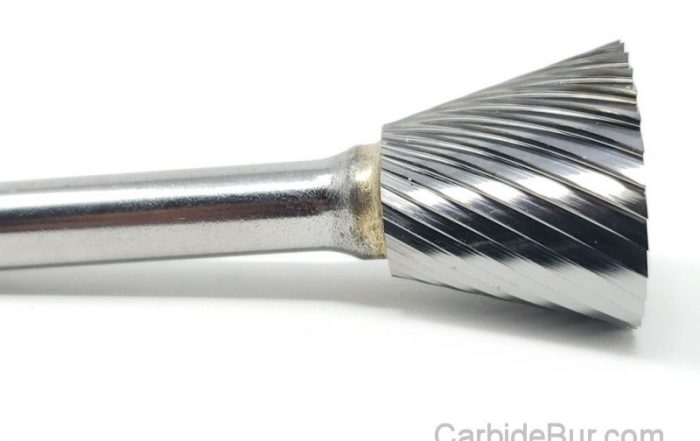
1/8 vs 1/4 Inch Carbide Burrs: What’s the Difference?
1/8 vs 1/4 Inch Carbide Burrs: What's the Difference? Choosing between a 1/8 inch carbide burr and a 1/4 inch carbide burr can change how your project turns out. Many machinists and hobbyists overlook how [...]
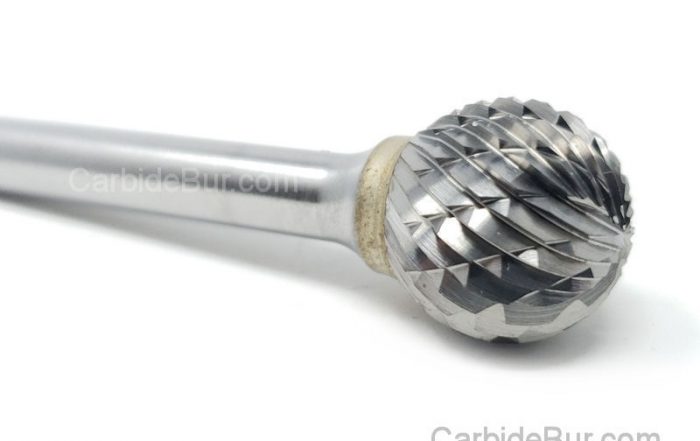
Best Carbide Burr for Removing Flash From Castings
Best Carbide Burr for Removing Flash From Castings Removing flash from castings is a task that can slow down your entire metalworking process if you don’t have the right tools. Picking the best carbide burr [...]
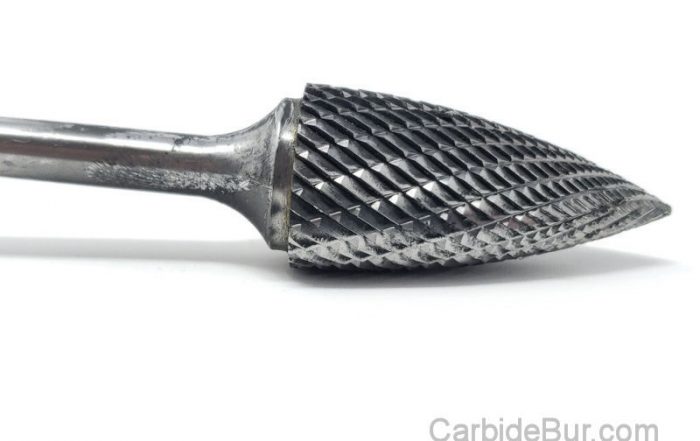
What RPM Should You Use for a 1/4 Inch Carbide Burr?
What RPM Should You Use for a 1/4 Inch Carbide Burr? Most machinists guess the right speed for a 1/4 inch carbide burr and hope for the best. Using the wrong carbide burr RPM can [...]
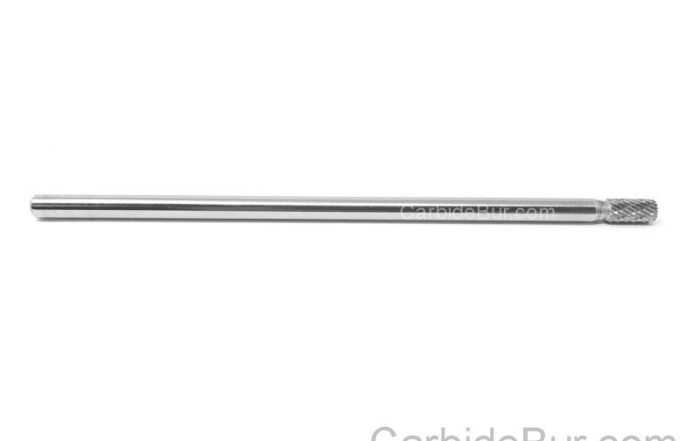
Long Shank Carbide Burrs: When Do You Need One?
Long Shank Carbide Burrs: When Do You Need One? Most machinists overlook the power of long shank carbide burrs until a project demands precision in tight spaces. When your usual tools can’t reach intricate contours, [...]
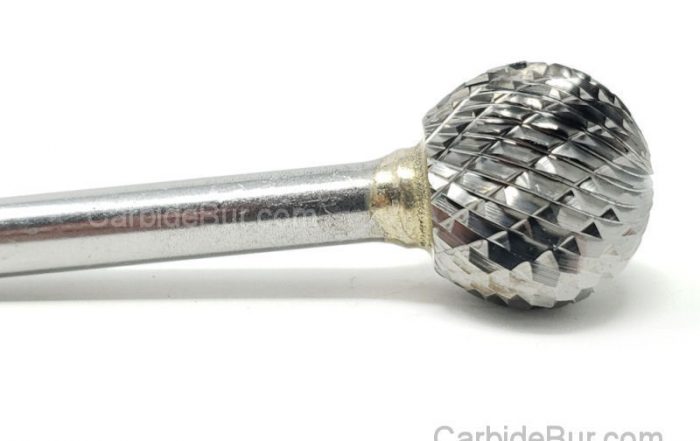
How Deep Can a Carbide Burr Cut Metal?
How Deep Can a Carbide Burr Cut Metal? Carbide burrs often get praised for their precision, but many users hit a wall wondering how deep they can actually cut metal. The truth is, cutting depth [...]
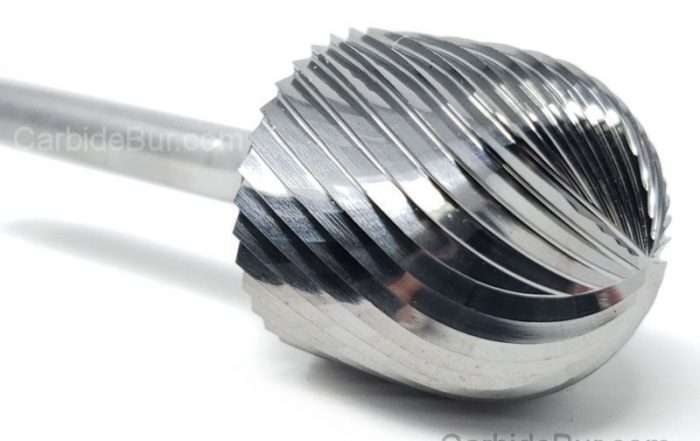
How to Use Carbide Burrs for Port Matching
How to Use Carbide Burrs for Port Matching Most engine builds hit a wall when airflow doesn’t flow smoothly between the ports and manifolds. If your engine isn’t breathing right, your performance stalls. Using the [...]
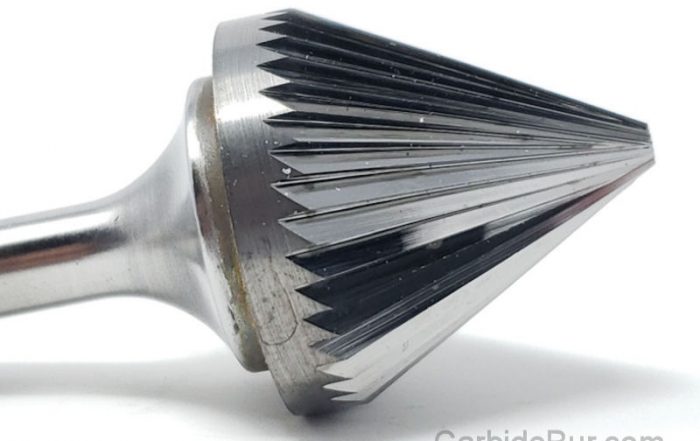
Best Carbide Burr for Porting Intake Manifolds
Best Carbide Burr for Porting Intake Manifolds Porting intake manifolds can make or break your engine’s airflow, yet many struggle with the right tools for the job. Choosing the best carbide burrs is key to [...]
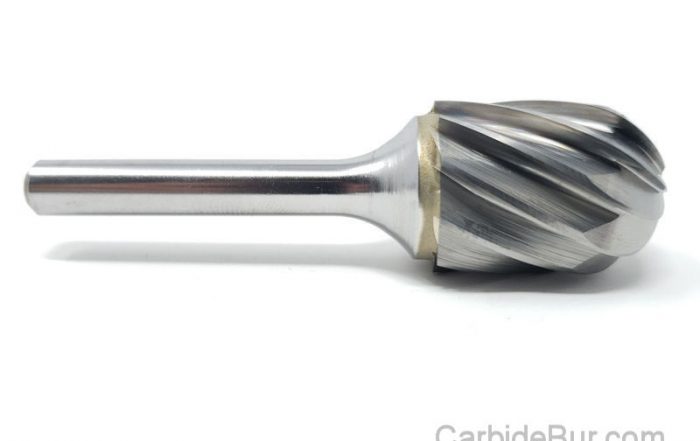
Best Carbide Burr for Concave Surfaces
Best Carbide Burr for Concave Surfaces Concave surfaces can turn a straightforward project into a frustrating challenge if you don’t have the right tool. Carbide burrs designed for these tricky curves make all the difference [...]
How to Grind a Slot in Metal With a Carbide Burr
How to Grind a Slot in Metal With a Carbide Burr Grinding a precise slot in metal can feel like a tricky task, especially if you’re unsure which tools to trust. Carbide burr grinding offers [...]

Best Carbide Burr for Inside Corners
Best Carbide Burr for Inside Corners Working in tight inside corners can turn even simple projects into frustrating tasks. Many carbide burrs just don’t fit or cut cleanly where you need them most. The best [...]
