
Mastering Mirror-Finish Welds: Expert Techniques with Carbide Bur Tools
Creating mirror-finish welds is not just a matter of aesthetics; it’s a testament to craftsmanship and precision in metalworking. For welders and metalworkers aiming to perfect their projects, mastering the use of carbide bur tools is essential. These tools are pivotal in transforming rough weld seams into polished weld surfaces that reflect light like a mirror. By understanding and applying expert welding techniques, you can achieve a level of polish that sets your work apart. In this post, we’ll explore how carbide burs can refine your welding polish techniques, offering tips and insights to achieve that flawless, shiny finish.
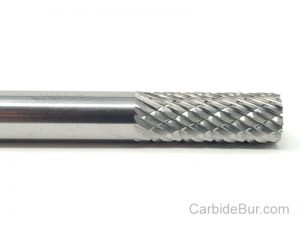
Check out all our USA made carbide bur cutting tools here
Understanding Mirror-Finish Welds
Creating a mirror-finish weld is more than just metalwork; it’s an art. Understanding the importance, benefits, and challenges can help you achieve a polished surface that stands out.
Importance of a Polished Surface
A polished surface is crucial for both aesthetic and functional reasons. A smooth, reflective finish not only enhances the appearance but also reduces the likelihood of corrosion. Polished surfaces can also improve the structural integrity of the metal, as they are less prone to harboring defects and impurities.
A high-quality finish can significantly influence the perceived value of a project. Customers often associate a mirror-like sheen with expert craftsmanship and attention to detail.
For industrial applications, polished surfaces ensure better performance. For instance, in automotive and aerospace industries, smooth finishes can reduce air resistance, enhancing efficiency and performance.
Benefits of Mirror-Finish Welds
Mirror-finish welds offer several advantages that make them desirable in various applications. First, they increase the durability and longevity of the welded item by providing a protective layer against environmental factors.
From an aesthetic perspective, a gleaming finish can transform a simple metal piece into a work of art. This is particularly important in industries like automotive and consumer goods, where appearance is key.
Moreover, a mirror finish can simplify maintenance. Dirt and grime have fewer places to cling to, making cleaning a quicker, more efficient process. The ability to easily spot and address wear and tear can also extend the life of the product.
Common Challenges Faced
Achieving a mirror finish involves overcoming several challenges. First, the process requires precision and patience. Any mistakes in the grinding or polishing stages can result in scratches or imperfections.
Equipment selection is another hurdle. Not all tools are suitable for creating a polished finish. Choosing the right carbide burs and maintaining them properly is crucial for success. For more details on equipment, this guide can be helpful.
Time is another challenge. Polishing to a mirror finish can be time-consuming. Balancing quality with efficiency is key, especially in a production environment.
Choosing the Right Carbide Bur Tools
The selection of carbide bur tools is fundamental to creating mirror-finish welds. Understanding the types and maintaining them correctly can enhance the quality of your work.
Types of Carbide Burs
Carbide burs come in various shapes and sizes, each suited for specific tasks. For instance, cylindrical burs are ideal for flat surfaces, while ball-shaped burs work best on curved areas.
Table: Types of Carbide Burs
|
Type |
Use Case |
|---|---|
|
Cylindrical |
Flat surfaces |
|
Ball-shaped |
Curved surfaces |
|
Flame-shaped |
Tight spaces and intricate details |
|
Tree-shaped |
Rounded edges and corners |
Choosing the correct type is essential for achieving the desired finish. Using the wrong bur can result in uneven surfaces and wasted time.
Selecting the Right Tool for the Job
Selecting the right tool involves understanding the material you’re working on and the finish you aim to achieve. Begin by assessing the weld shape and the material’s hardness.
-
Identify the weld shape and surface requirements.
-
Choose a bur type that matches the shape (e.g., cylindrical for flat surfaces).
-
Consider the material hardness when selecting the bur grit.
Selecting the right tool minimizes the risk of damage and ensures a smoother finish. For more detailed advice, visit this resource.
Check out all our USA made carbide bur cutting tools here
Tool Maintenance Tips
Maintaining your carbide burs is crucial for long-term performance. Regular cleaning and sharpening ensure they remain efficient and effective.
-
Clean burs after each use to remove debris.
-
Regularly inspect for wear and replace as necessary.
-
Sharpen burs with a diamond file to maintain cutting efficiency.
Proper maintenance extends the life of your tools and ensures consistent results, reducing the need for frequent replacements and saving costs.
Effective Welding Techniques
Mastering effective welding techniques is essential for achieving a mirror finish. From preparation to polishing, each step plays a vital role in the final outcome.
Preparing the Surface
Preparation is critical. A well-prepared surface allows for better adhesion and a smoother finish. Begin by thoroughly cleaning the metal to remove oils and contaminants.
-
Clean the surface with a degreaser.
-
Sand the area to remove rust or old coatings.
-
Use a wire brush to ensure all debris is cleared.
Preparing the surface in this manner not only ensures a strong weld but also sets the stage for a flawless finish.
Mastering the Weld
Mastering the welding process involves precision and control. Ensuring consistent heat and feed rates can prevent warping and uneven surfaces.
-
Maintain a steady hand and pace.
-
Use the right temperature for the material.
-
Practice on scrap pieces to refine techniques.
Consistency during welding is key to minimizing post-weld finishing work, making the polishing process more straightforward and effective.
Polishing Techniques for Welds
Polishing is the final step in achieving a mirror finish. The right technique can transform a rough weld into a smooth, shiny surface.
-
Start with a coarse grit carbide bur to remove large imperfections.
-
Progress to finer grits for smoothing.
-
Finish with a polishing compound for a reflective surface.
By systematically refining the weld, you can achieve the desired mirror finish efficiently. For additional polishing tips, refer to this article.
Safety and Best Practices
Safety must never be overlooked. Following best practices ensures a safe working environment and reduces the risk of accidents or injuries.
Essential Safety Gear
Welding and polishing require specific safety gear to protect against burns, sparks, and fumes. Essential items include:
-
Welding helmet with appropriate shading
-
Fire-resistant gloves and clothing
-
Respirator to filter out fumes
Wearing the right gear is a fundamental step in protecting yourself from the hazards associated with welding and metalwork.
Safe Handling of Tools
Proper tool handling minimizes the risk of accidents. Always follow manufacturer guidelines and keep tools in good condition.
-
Inspect tools before use for any damage.
-
Keep hands clear of moving parts.
-
Secure workpieces to prevent slipping.
Safe handling not only prevents injuries but also prolongs the life of your tools, ensuring they perform effectively.
Maintaining Work Environment
A clean and organized workspace enhances safety and efficiency. Clutter and disorganization can lead to accidents and reduced productivity.
-
Keep the workspace tidy and free from debris.
-
Ensure proper ventilation to disperse fumes.
-
Regularly check equipment and electrical connections.
Maintaining a well-organized work environment fosters safer and more productive metalworking processes.
Advanced Tips for Professionals
For seasoned welders and metalworkers, mastering advanced tips can elevate your craft. Troubleshooting, productivity, and continuous learning are key areas to focus on.
Troubleshooting Common Issues
Even experienced professionals encounter issues. Knowing how to troubleshoot can save time and improve results.
-
Identify the root cause of welding defects.
-
Adjust settings based on material and equipment.
-
Test solutions on scrap material before applying to projects.
Quick problem-solving can reduce downtime and ensure project timelines are met.
Enhancing Productivity
Increasing productivity without sacrificing quality is a common goal. Streamlining processes and using the right tools can make a difference.
-
Invest in high-quality carbide burs for faster results.
-
Implement time-saving techniques like batch processing.
-
Regularly review and refine your workflow.
These strategies can help you achieve more in less time, boosting overall efficiency.
Continuous Learning and Improvement
Staying updated with the latest techniques and tools keeps you competitive. Continuous learning is crucial in an ever-evolving field.
-
Attend workshops and training sessions.
-
Join professional forums and networks.
-
Subscribe to industry publications for the latest trends.
Embracing continuous improvement ensures that your skills remain sharp and relevant, positioning you as a leader in the field.
Check out all our USA made carbide bur cutting tools here
How to Use a Carbide Burr With a Die Grinder
How to Use a Carbide Burr With a Die Grinder Most people treat a carbide burr like just another tool, but using it with a die grinder takes skill. If you’ve struggled with burr installation [...]
1/8 vs 1/4 Inch Carbide Burrs: What’s the Difference?
1/8 vs 1/4 Inch Carbide Burrs: What's the Difference? Choosing between a 1/8 inch carbide burr and a 1/4 inch carbide burr can change how your project turns out. Many machinists and hobbyists overlook how [...]

Best Carbide Burr for Removing Flash From Castings
Best Carbide Burr for Removing Flash From Castings Removing flash from castings is a task that can slow down your entire metalworking process if you don’t have the right tools. Picking the best carbide burr [...]
What RPM Should You Use for a 1/4 Inch Carbide Burr?
What RPM Should You Use for a 1/4 Inch Carbide Burr? Most machinists guess the right speed for a 1/4 inch carbide burr and hope for the best. Using the wrong carbide burr RPM can [...]
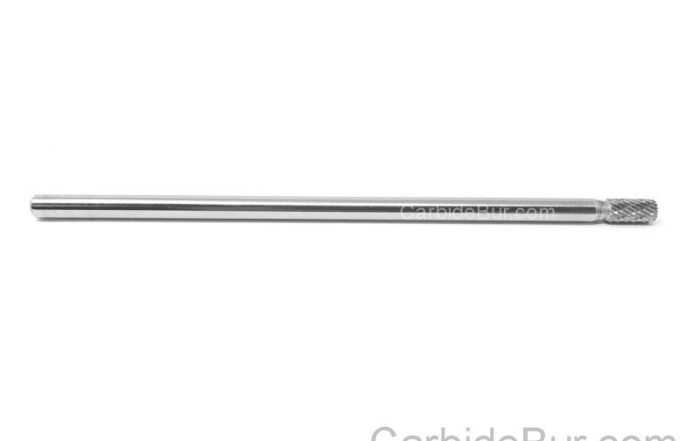
Long Shank Carbide Burrs: When Do You Need One?
Long Shank Carbide Burrs: When Do You Need One? Most machinists overlook the power of long shank carbide burrs until a project demands precision in tight spaces. When your usual tools can’t reach intricate contours, [...]
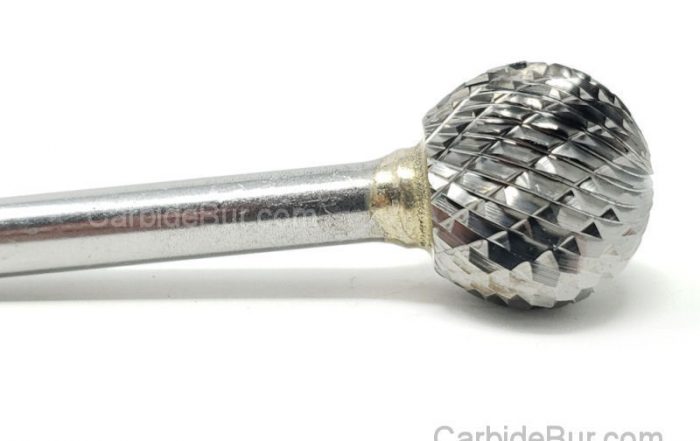
How Deep Can a Carbide Burr Cut Metal?
How Deep Can a Carbide Burr Cut Metal? Carbide burrs often get praised for their precision, but many users hit a wall wondering how deep they can actually cut metal. The truth is, cutting depth [...]
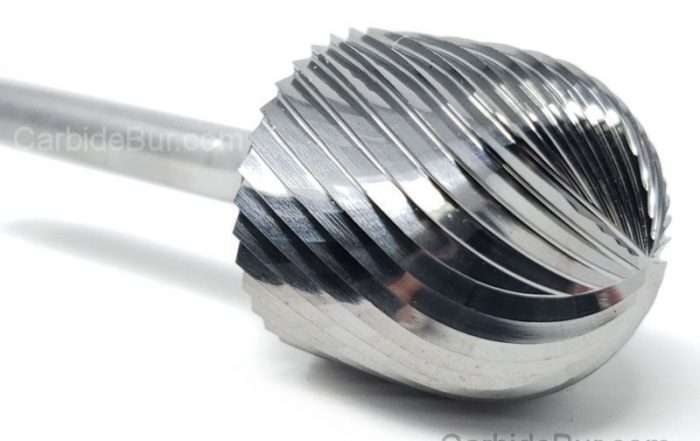
How to Use Carbide Burrs for Port Matching
How to Use Carbide Burrs for Port Matching Most engine builds hit a wall when airflow doesn’t flow smoothly between the ports and manifolds. If your engine isn’t breathing right, your performance stalls. Using the [...]
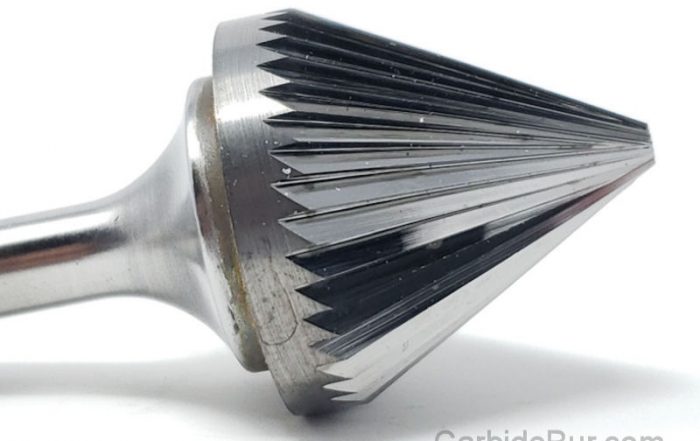
Best Carbide Burr for Porting Intake Manifolds
Best Carbide Burr for Porting Intake Manifolds Porting intake manifolds can make or break your engine’s airflow, yet many struggle with the right tools for the job. Choosing the best carbide burrs is key to [...]
Best Carbide Burr for Concave Surfaces
Best Carbide Burr for Concave Surfaces Concave surfaces can turn a straightforward project into a frustrating challenge if you don’t have the right tool. Carbide burrs designed for these tricky curves make all the difference [...]
How to Grind a Slot in Metal With a Carbide Burr
How to Grind a Slot in Metal With a Carbide Burr Grinding a precise slot in metal can feel like a tricky task, especially if you’re unsure which tools to trust. Carbide burr grinding offers [...]

Best Carbide Burr for Inside Corners
Best Carbide Burr for Inside Corners Working in tight inside corners can turn even simple projects into frustrating tasks. Many carbide burrs just don’t fit or cut cleanly where you need them most. The best [...]
What Size Carbide Burr Do I Need?
What Size Carbide Burr Do I Need? Picking the wrong carbide burr can turn a simple project into a frustrating mess. You might have the best machining tools but still miss the mark if your [...]
