
From Files to Rotary Burrs: Exploring Top Tools for Metal Fabrication
Sharp edges on metal can turn a solid project into a safety hazard. You know how crucial it is to remove those rough spots for a smooth finish and safer handling. This guide breaks down the best deburring tools—from manual hand tools like files to power options such as rotary burrs—so you can pick the right tool for your metalworking needs and get every piece looking clean and polished. For more insights, check out this resource on choosing the right metal deburring tools.
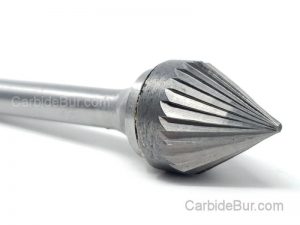
Which carbide bur tool shape do you use most?
Essential Deburring Tools
When it comes to achieving a smooth finish and safer handling, selecting the right deburring tools is essential. Let’s dive into the options available to you.
Manual Hand Tools Overview
Manual hand tools have been around for ages, offering precision and control. Files are the go-to choice. They come in various shapes and sizes, perfect for different surfaces. Scrapers are another option, great for those hard-to-reach spots. You might wonder if something better than a file exists. According to Practical Machinist, files remain unmatched in versatility.
Now, why opt for manual tools? They’re cost-effective and offer great control over your work. With a steady hand, you can shape and smooth edges to perfection. They’re especially useful for smaller projects or when working with delicate materials. And because they’re simple, they’re easy to maintain.
Power Tools and Their Uses
Power tools bring speed and efficiency to the table. Rotary burrs, for instance, are favoured by many for their ability to tackle tough materials quickly. You can find a range of options on Amazon. These tools use rotating bits to grind away rough edges with ease.
Electric grinders are another popular choice. They can cover more surface area in less time than manual tools. This makes them ideal for larger projects. When using power tools, remember safety first. Always wear protective gear to prevent accidents. The investment in power tools can save you time, especially in a production setting.
Understanding Deburring Techniques
It’s not just about the tools. Knowing the techniques is key to achieving the best results. Each technique has its own set of benefits and applications.
Importance of a Smooth Finish
A smooth finish does more than improve aesthetics. It enhances safety by removing sharp edges that can cause injuries. Plus, it makes your pieces look professional. Whether you’re working on machinery parts or decorative items, that smooth touch makes a difference.
A smooth finish also improves the longevity of your work. By removing rough spots, you prevent potential weak points that could lead to wear and tear. It’s especially crucial in metal fabrication, where durability is a top priority.
Safety Tips for Metal Fabrication
Safety cannot be overstated in metal fabrication. Always use protective gear—gloves, goggles, and masks are essential. Ensure your workspace is well-lit and organized. This minimizes accidents and ensures you have everything within reach.
Also, regularly inspect your tools. A well-maintained tool is not only safer but also more effective. Check for signs of wear and tear, and replace any faulty equipment. By staying vigilant, you protect yourself and enhance your work quality.

Exploring Rotary Burrs
Rotary burrs are a game-changer in metalworking. They offer precision and versatility, making them a favourite among professionals.
Versatility in Metalworking
Rotary burrs can handle various materials, from steel to wood. They come in different shapes and sizes, allowing you to tackle any project. Whether you’re crafting intricate details or smoothing large surfaces, there’s a burr for the job.
These tools are adaptable. You can quickly switch between tasks without needing different tools. This versatility saves time and boosts productivity, especially in busy workshops.
Choosing the Right Burr for the Job
Selecting the right rotary burr can seem daunting. Focus on the material and the task. Different burrs are suited for specific materials, like carbide burrs for metal. For guidance on selecting the right tool, visit MSC Direct.
Consider the shape of the burr as well. Cone-shaped burrs are perfect for precision work, while cylindrical ones cover larger areas efficiently. By matching the burr to the job, you ensure optimal results and prolong the tool’s life.
Deburring Machines Explained
Deburring machines are a staple in industrial settings. They streamline the deburring process, making it more efficient and consistent.
Advantages for Metal Workers
Deburring machines offer several advantages. They reduce manual labour, allowing workers to focus on more complex tasks. These machines ensure consistent results, critical for high-volume production. They’re an investment, but one that pays off in productivity and quality.
Machines also enhance safety. By automating the deburring process, they minimize the risk of accidents. Workers can operate these machines from a safe distance, reducing exposure to sharp edges.
Efficiently Removing Sharp Edges
When it comes to efficiency, deburring machines excel. They can process large quantities of material quickly, ideal for busy workshops. The precision of these machines ensures that every piece is finished to the same high standard.
Moreover, machines can handle tough materials that might wear down manual tools. This capability is crucial for industrial applications, where durability is key. By efficiently removing sharp edges, these machines contribute to safer, more reliable products.
Selecting the Best Tools
Choosing the best deburring tools doesn’t have to be a challenge. Here’s what you need to know to make the right choice.
Comparing Tool Effectiveness
When comparing tools, consider factors like material, project size, and budget. Manual tools are affordable and great for small projects. Power tools, though more expensive, save time on larger tasks. Deburring machines offer speed and consistency, perfect for industrial use.
Each tool has its strengths. By understanding your needs, you can select the most effective option. Remember, it’s not just about cost; it’s about finding the right fit for your work.
Versatility in Applications
The best tools are versatile, able to handle different tasks. Look for tools that can adapt to various projects, saving time and money. Versatile tools reduce the need for multiple sets, streamlining your workspace.
Investing in versatile tools means you’re prepared for any project. Whether you’re a hobbyist or a professional, having adaptable tools ensures you’re always ready to tackle new challenges.
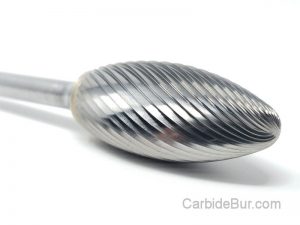
Looking for Carbide Bur Tools?
Check out our entire selection of USA made carbide bur die grinder tool bits
Follow us on Twitter

Return to CarbideBur.com
Carbide Burs – 1/4″ on 1/8″ Shanks – Accessories – Aluminum Cut – Bur Sets – End Mills – Long Shank – Solid Burs
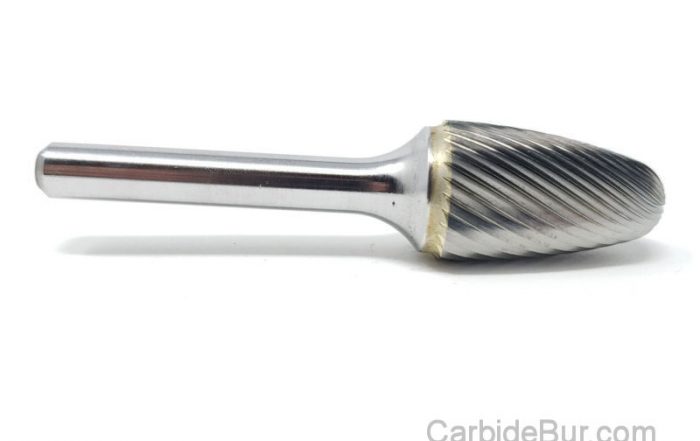
How to Grind a Groove in Metal With a Carbide Burr
How to Grind a Groove in Metal With a Carbide Burr Most metalworkers struggle to cut clean grooves without wasting time or ruining their workpiece. Many try different metalworking tools but end up with uneven [...]
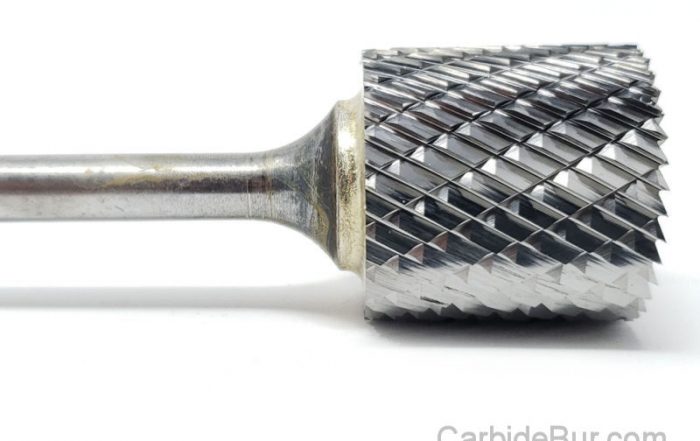
Can Carbide Burrs Cut Through Welds?
Can Carbide Burrs Cut Through Welds? Cutting through welds can feel like a battle, especially when you need clean results without harming the base metal. Carbide burrs offer a sharp edge in this fight, but [...]
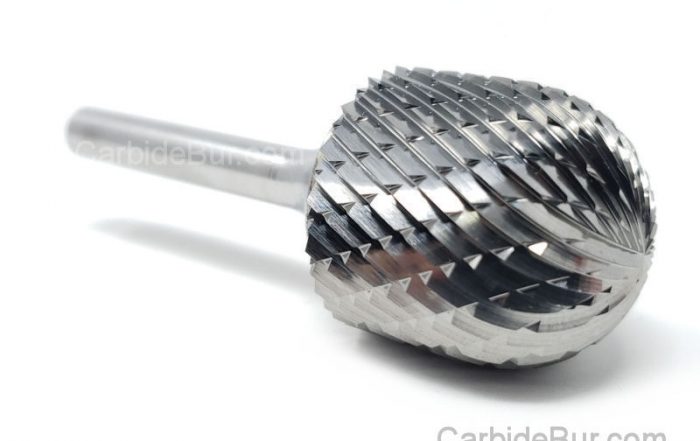
How to Use a Carbide Burr With a Die Grinder
How to Use a Carbide Burr With a Die Grinder Most people treat a carbide burr like just another tool, but using it with a die grinder takes skill. If you’ve struggled with burr installation [...]
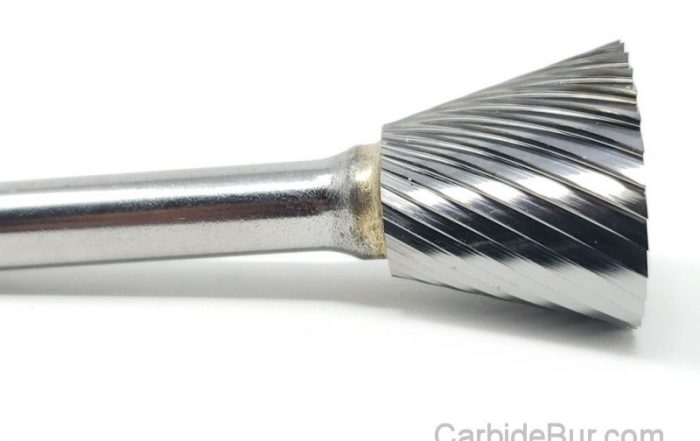
1/8 vs 1/4 Inch Carbide Burrs: What’s the Difference?
1/8 vs 1/4 Inch Carbide Burrs: What's the Difference? Choosing between a 1/8 inch carbide burr and a 1/4 inch carbide burr can change how your project turns out. Many machinists and hobbyists overlook how [...]
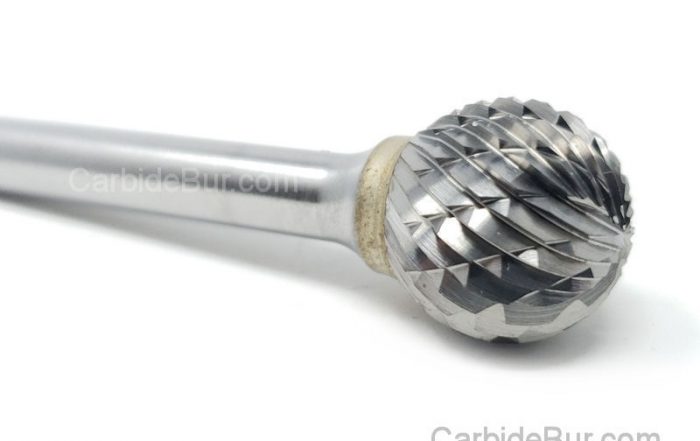
Best Carbide Burr for Removing Flash From Castings
Best Carbide Burr for Removing Flash From Castings Removing flash from castings is a task that can slow down your entire metalworking process if you don’t have the right tools. Picking the best carbide burr [...]
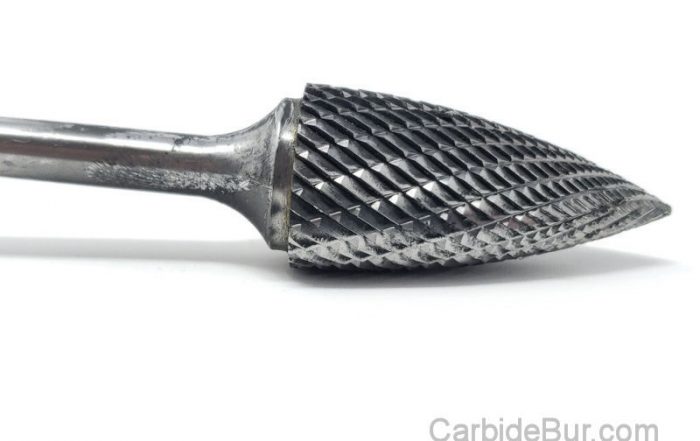
What RPM Should You Use for a 1/4 Inch Carbide Burr?
What RPM Should You Use for a 1/4 Inch Carbide Burr? Most machinists guess the right speed for a 1/4 inch carbide burr and hope for the best. Using the wrong carbide burr RPM can [...]
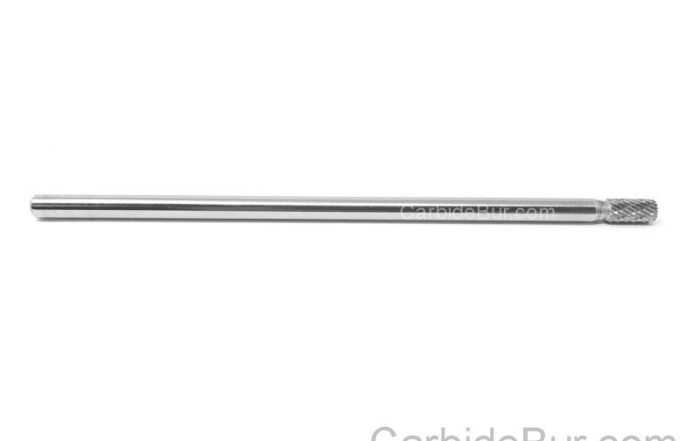
Long Shank Carbide Burrs: When Do You Need One?
Long Shank Carbide Burrs: When Do You Need One? Most machinists overlook the power of long shank carbide burrs until a project demands precision in tight spaces. When your usual tools can’t reach intricate contours, [...]
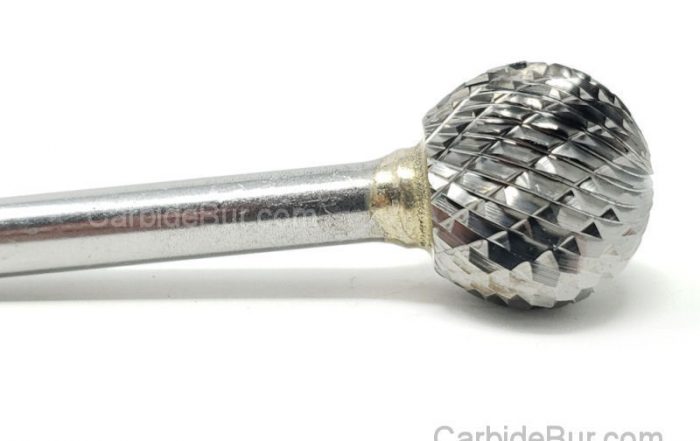
How Deep Can a Carbide Burr Cut Metal?
How Deep Can a Carbide Burr Cut Metal? Carbide burrs often get praised for their precision, but many users hit a wall wondering how deep they can actually cut metal. The truth is, cutting depth [...]
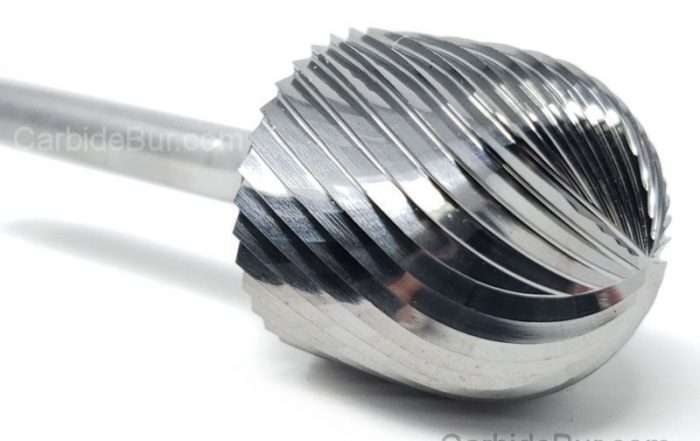
How to Use Carbide Burrs for Port Matching
How to Use Carbide Burrs for Port Matching Most engine builds hit a wall when airflow doesn’t flow smoothly between the ports and manifolds. If your engine isn’t breathing right, your performance stalls. Using the [...]
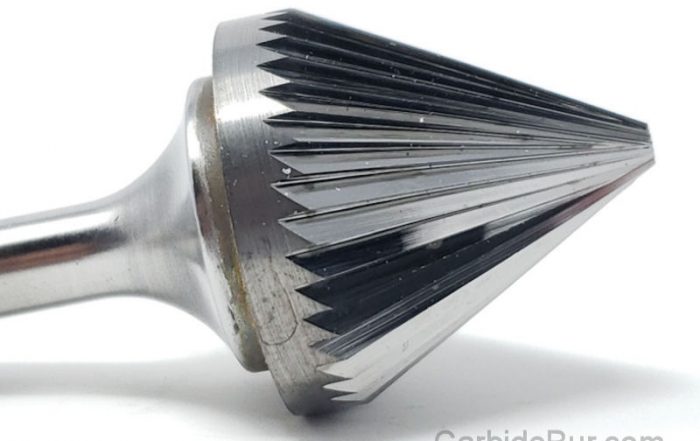
Best Carbide Burr for Porting Intake Manifolds
Best Carbide Burr for Porting Intake Manifolds Porting intake manifolds can make or break your engine’s airflow, yet many struggle with the right tools for the job. Choosing the best carbide burrs is key to [...]
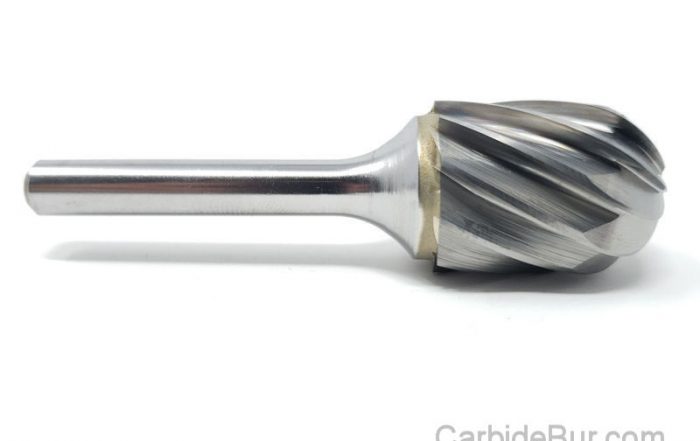
Best Carbide Burr for Concave Surfaces
Best Carbide Burr for Concave Surfaces Concave surfaces can turn a straightforward project into a frustrating challenge if you don’t have the right tool. Carbide burrs designed for these tricky curves make all the difference [...]
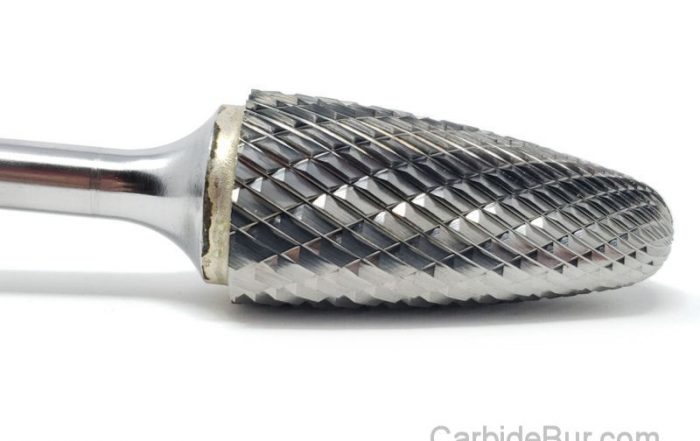
How to Grind a Slot in Metal With a Carbide Burr
How to Grind a Slot in Metal With a Carbide Burr Grinding a precise slot in metal can feel like a tricky task, especially if you’re unsure which tools to trust. Carbide burr grinding offers [...]
