
Mastering Multi-Metal Projects: How Carbide Burs Are Revolutionizing Welding Tools
Most welders struggle switching between steel, aluminum, and titanium without losing time or quality. Carbide burs change that by handling each metal with unmatched precision and strength. You’ll learn how picking the right bur for your multi-metal projects can sharpen your weld precision and speed up production like never before. For more information, visit this guide.
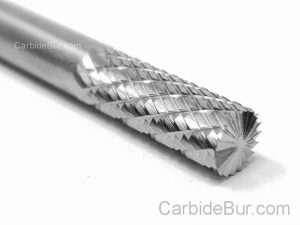
Which carbide bur tools do you use the most?
The Power of Carbide Burs
Carbide burs are game-changers in the world of metalworking. They are not only versatile but also enhance the quality of your welds. Let’s explore how these tools work wonders across different metals.
Versatility Across Metal Types
Have you ever faced the frustration of switching tools for different metals? With carbide burs, that hassle disappears. These burs are designed to handle steel, aluminum, and titanium with ease. They excel in cutting through these materials without losing edge sharpness. When working on a project, consistency is key. For instance, carbide burs maintain their cutting prowess from the first use to the last. This reliability is crucial, especially when you need to meet tight deadlines.
Not all tools can claim such adaptability. Most people assume one tool can’t tackle multiple challenges, but carbide burs defy this notion. By using one tool across various metals, you save time and reduce costs. It’s like having a Swiss Army knife for your welding tasks.
Enhancing Weld Precision
Precision is the name of the game when it comes to welding. Carbide burs help you achieve that with their sharp cutting edges. They allow you to make clean cuts and smooth finishes, which are essential for high-quality welds. Imagine working on a detailed piece where every cut counts. Carbide burs give you the control you need to execute your vision perfectly. A precise cut means less time spent on corrections and more time creating.
This accuracy doesn’t just improve your work—it boosts your confidence. Most people think they need years of experience to achieve such precision, but with the right tools, even beginners can make professional-grade welds.
Applications for Multi-Metal Projects
Carbide burs are not just about cutting; they are also about creativity and efficiency in your projects. Let’s dive into specific techniques for different metals.
Steel Machining Techniques
Steel can be tough to work with, but carbide burs make it manageable. They cut through steel like a hot knife through butter. When you’re machining steel, you need a tool that won’t wear out quickly. Carbide burs are incredibly durable, lasting longer than traditional tools.
Working with steel often means dealing with its hardness and toughness. With carbide burs, you can maintain a steady hand and achieve consistent results. This reliability means fewer tool changes and more focus on your craft. It’s a common misconception that steel requires brute force. In reality, it’s about using the right tools to make the job easier.
Aluminum Cutting Strategies
Aluminum offers its own challenges. It’s softer than steel, but that doesn’t mean it’s easy. Carbide burs handle aluminum with care, preventing chipping and deformation. They allow for clean and smooth cuts, essential for seamless welds. With carbide burs, every cut is precise, reducing the need for rework.
Many think that because aluminum is softer, any tool will do. In contrast, using carbide burs ensures quality cuts without the risk of damaging the material.
Titanium Grinding Methods
Titanium is a unique beast. It’s lightweight yet extremely strong. Carbide burs are the perfect match for this metal, offering the precision needed for delicate grinding tasks. When working with titanium, you need a tool that won’t overheat. The design of carbide burs ensures they stay cool, even during intensive use. This prevents damage to both the tool and the material.
Most assume titanium is too challenging to work with. But with carbide burs, you can handle it like a pro. It’s about working smarter, not harder.
Choosing the Right Carbide Bur
Now that you know how they work, it’s time to choose the right carbide bur for your project. This choice can make all the difference in your welding success.
Matching Burs to Metal
Selecting the right bur is crucial. Each metal requires a specific type of bur for optimal performance. For steel, choose a bur with a rougher texture. For aluminum, a smoother one works best. Titanium needs a precise and sharp bur. Matching the bur to the metal ensures maximum efficiency and quality in your work.
It’s a common mistake to think one-size-fits-all in tools. Understanding the specific needs of each material leads to better results.
Improving Welding Efficiency
Efficiency is not just about speed; it’s about quality and precision, too. Carbide burs improve your workflow by minimizing tool changes and maximizing output. Efficient welding means fewer errors and more completed projects. This efficiency translates into cost savings and higher profits.
Most people underestimate the impact of the right tool on efficiency. By choosing carbide burs, you’re investing in your success. The longer you wait to make this switch, the longer you’ll struggle with outdated methods.
In conclusion, carbide burs are your ally in mastering multi-metal projects. They offer versatility, precision, and efficiency, all crucial for high-quality welding. Embrace these tools and watch your skills soar.
Follow us on Twitter

Return to CarbideBur.com
Carbide Burs – 1/4″ on 1/8″ Shanks – Accessories – Aluminum Cut – Bur Sets – End Mills – Long Shank – Solid Burs
How to Grind a Groove in Metal With a Carbide Burr
How to Grind a Groove in Metal With a Carbide Burr Most metalworkers struggle to cut clean grooves without wasting time or ruining their workpiece. Many try different metalworking tools but end up with uneven [...]
Can Carbide Burrs Cut Through Welds?
Can Carbide Burrs Cut Through Welds? Cutting through welds can feel like a battle, especially when you need clean results without harming the base metal. Carbide burrs offer a sharp edge in this fight, but [...]
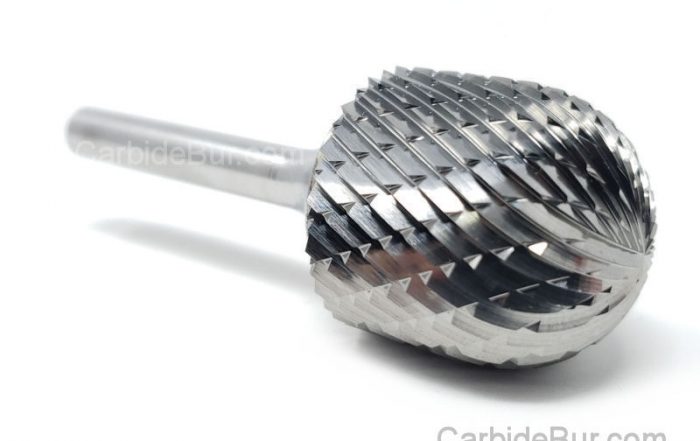
How to Use a Carbide Burr With a Die Grinder
How to Use a Carbide Burr With a Die Grinder Most people treat a carbide burr like just another tool, but using it with a die grinder takes skill. If you’ve struggled with burr installation [...]
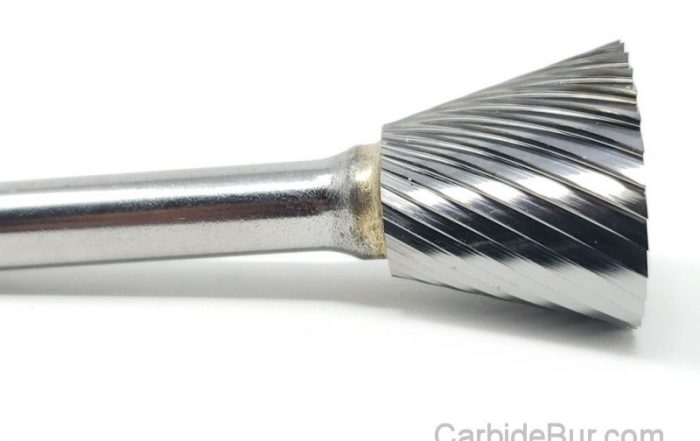
1/8 vs 1/4 Inch Carbide Burrs: What’s the Difference?
1/8 vs 1/4 Inch Carbide Burrs: What's the Difference? Choosing between a 1/8 inch carbide burr and a 1/4 inch carbide burr can change how your project turns out. Many machinists and hobbyists overlook how [...]
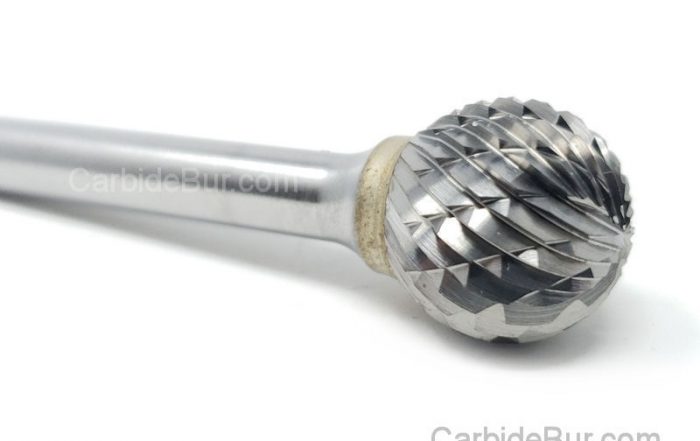
Best Carbide Burr for Removing Flash From Castings
Best Carbide Burr for Removing Flash From Castings Removing flash from castings is a task that can slow down your entire metalworking process if you don’t have the right tools. Picking the best carbide burr [...]
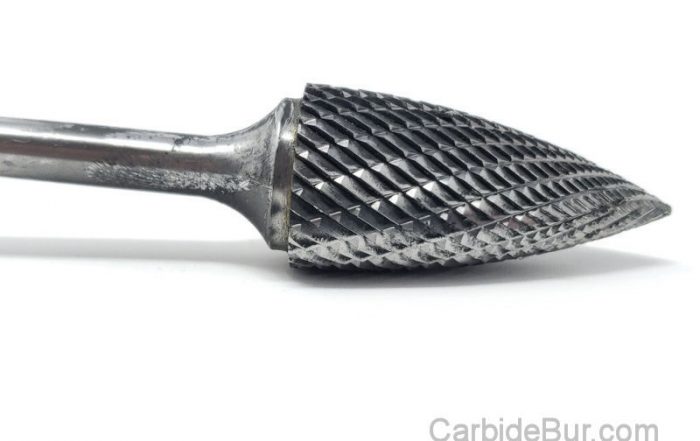
What RPM Should You Use for a 1/4 Inch Carbide Burr?
What RPM Should You Use for a 1/4 Inch Carbide Burr? Most machinists guess the right speed for a 1/4 inch carbide burr and hope for the best. Using the wrong carbide burr RPM can [...]
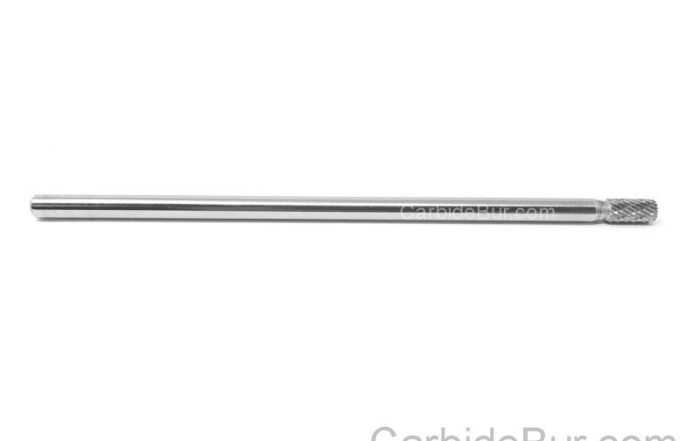
Long Shank Carbide Burrs: When Do You Need One?
Long Shank Carbide Burrs: When Do You Need One? Most machinists overlook the power of long shank carbide burrs until a project demands precision in tight spaces. When your usual tools can’t reach intricate contours, [...]
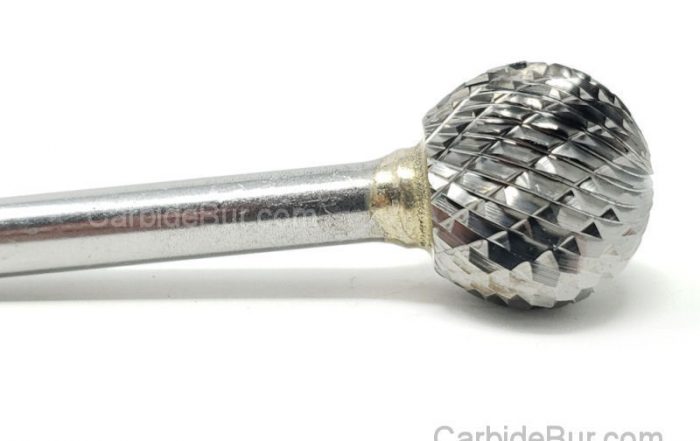
How Deep Can a Carbide Burr Cut Metal?
How Deep Can a Carbide Burr Cut Metal? Carbide burrs often get praised for their precision, but many users hit a wall wondering how deep they can actually cut metal. The truth is, cutting depth [...]
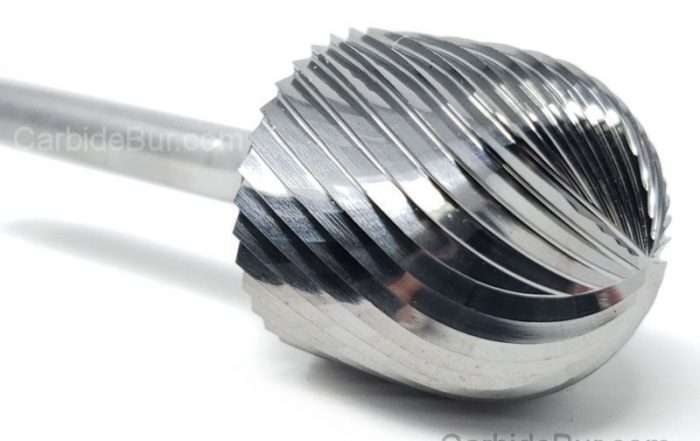
How to Use Carbide Burrs for Port Matching
How to Use Carbide Burrs for Port Matching Most engine builds hit a wall when airflow doesn’t flow smoothly between the ports and manifolds. If your engine isn’t breathing right, your performance stalls. Using the [...]
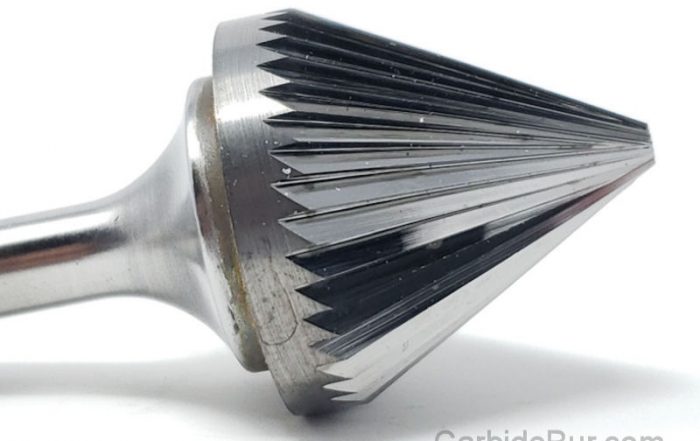
Best Carbide Burr for Porting Intake Manifolds
Best Carbide Burr for Porting Intake Manifolds Porting intake manifolds can make or break your engine’s airflow, yet many struggle with the right tools for the job. Choosing the best carbide burrs is key to [...]
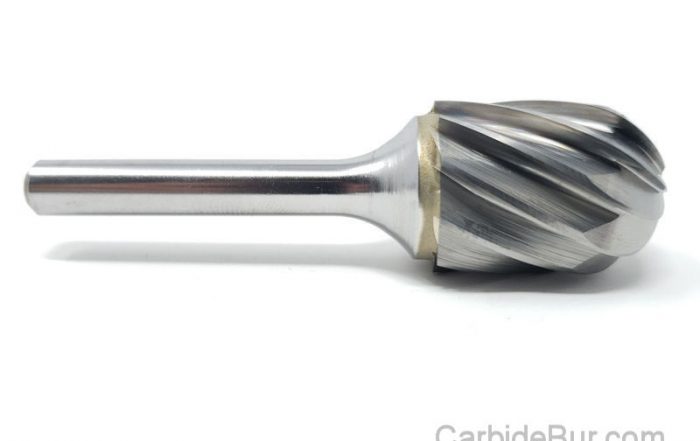
Best Carbide Burr for Concave Surfaces
Best Carbide Burr for Concave Surfaces Concave surfaces can turn a straightforward project into a frustrating challenge if you don’t have the right tool. Carbide burrs designed for these tricky curves make all the difference [...]
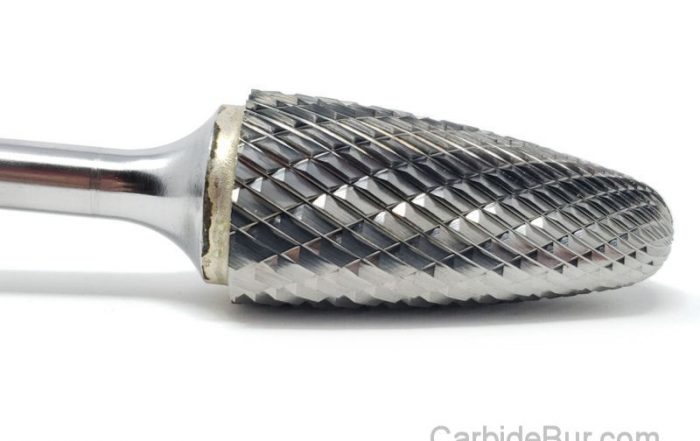
How to Grind a Slot in Metal With a Carbide Burr
How to Grind a Slot in Metal With a Carbide Burr Grinding a precise slot in metal can feel like a tricky task, especially if you’re unsure which tools to trust. Carbide burr grinding offers [...]
