
Cutting Tools for Engines: How Carbide Burs Enhance Performance Upgrades
In the world of engine performance upgrades, the right tools can make all the difference. Carbide burs have emerged as a favorite among automotive engineers and performance enthusiasts, thanks to their superior material properties. These cutting tools for engines excel in precision tasks like porting, enhancing flow and boosting overall efficiency. By exploring the unique characteristics of carbide burs, you can gain insight into why they are the ideal choice for machining techniques. As you consider performance upgrades, understanding the role of carbide burs in engine performance becomes crucial to achieving the results you desire.
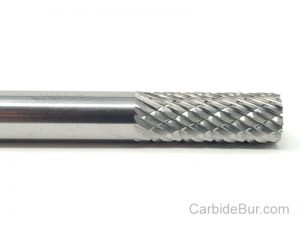
Check out all our USA made carbide bur cutting tools here
Understanding Carbide Burs
Carbide burs have become instrumental in engine modifications due to their unique properties. This section delves into what makes these tools stand out.
Material Properties of Burs
Carbide burs are renowned for their strength and resilience. The material’s hardness ensures that they maintain sharpness over extended use. This makes them ideal for precise work like engine porting. Tungsten carbide, a key component of these burs, is significantly harder than traditional steel, enhancing its cutting capabilities.
The heat resistance of carbide burs is another advantage. This property prevents deformation under high temperatures, ensuring consistent performance during intensive tasks. For automotive engineers, this means reliable tools that won’t fail mid-operation.
Also, the wear resistance of carbide burs contributes to their longevity. This durability reduces the frequency of tool replacements, saving time and costs. These properties collectively underscore why carbide burs are preferred in demanding applications.
Cutting Tools for Engines
When it comes to cutting tools for engines, carbide burs are at the forefront. Their robust design allows them to handle the rigors of machining engines with precision. The ability to maintain a sharp edge enables them to cut through tough materials efficiently.
Cylinder head porting is a common task where carbide burs excel. Their design facilitates smooth and even cutting, optimizing airflow in the engine. This enhancement translates to improved engine performance and efficiency.
Moreover, the range of shapes and sizes available caters to various engine components. From fine detailing to bulk material removal, carbide burs provide versatile solutions across different tasks.
Tool Material Comparison
|
Material |
Hardness |
Heat Resistance |
Durability |
|---|---|---|---|
|
Steel |
Moderate |
Low |
Moderate |
|
Carbide |
High |
High |
High |
|
Ceramic |
High |
Moderate |
Moderate |
Carbide offers superior hardness and heat resistance, making it the preferred choice for demanding applications. Steel tools may be sufficient for less intensive tasks, but carbide burs outperform in precision and longevity.
Enhancing Engine Performance
Improving engine performance involves meticulous tasks where precision is key. Carbide burs are crucial in this process, offering the tools needed to achieve desired outcomes.
Check out all our USA made carbide bur cutting tools here
Porting Tasks Explained
Porting tasks involve modifying the intake and exhaust ports of an engine to improve airflow. This process is essential for enhancing engine efficiency and power. Carbide burs play a vital role due to their precision and ability to handle complex shapes.
-
Identify areas in the engine that need porting.
-
Select the appropriate carbide bur based on the task requirements.
-
Use the bur to carefully remove material, enhancing airflow and performance.
Porting requires skill and expertise, as improper execution can lead to reduced engine performance. The use of carbide burs helps ensure precise modifications, enhancing overall engine efficiency.
Machining Techniques Overview
Machining techniques in engine enhancements rely heavily on the versatility of carbide burs. These tools allow for detailed work, such as smoothing surfaces and removing imperfections.
-
Contour finishing: Achieves smooth, even surfaces.
-
Deburring: Removes sharp edges and burrs, ensuring safety and efficiency.
-
Material removal: Adjusts component dimensions for better engine fit and function.
Each technique benefits from the precise cutting and durability of carbide burs, making them indispensable in engine modifications.
Performance Upgrades with Carbide
Carbide burs facilitate significant performance upgrades in engines. By allowing precise modifications, they enhance components like the cylinder head.
Real-world examples show:
-
Increased horsepower: Through improved airflow and reduced resistance.
-
Enhanced fuel efficiency: Resulting from optimized combustion processes.
-
Prolonged engine life: Due to reduced stress on components.
These advantages make carbide burs a valuable asset in achieving the desired performance enhancements.
Science Behind Carbide Burs
Understanding the science behind carbide burs reveals why they are integral in engine performance applications.
Why Carbide is Ideal
Carbide’s hardness makes it an ideal material for cutting tools. Unlike softer materials, carbide maintains its edge longer, allowing for continued precision in cutting tasks.
Carbide’s density contributes to its strength, making it resistant to wear from engine materials. This is crucial for maintaining performance standards over extended use.
The thermal conductivity of carbide mitigates heat buildup, reducing the risk of tool failure during intensive operations. These scientific attributes underscore the preference for carbide burs in performance applications.
Advantages in Porting Tasks
In porting tasks, the advantages of carbide burs are evident:
-
Precision cuts: Ensure optimal airflow modifications.
-
Durability: Means fewer tool changes, maintaining workflow efficiency.
-
Consistency: Provides uniform results across multiple engine components.
These benefits align well with the demands of porting, making carbide burs a reliable choice in engine upgrades.
Precision and Durability
Carbide burs offer unmatched precision due to their sharp cutting edges. This precision is crucial in tasks where exact measurements impact performance.
Durability is another hallmark of carbide burs. Their ability to withstand repeated use without dulling ensures consistent performance across projects. This combination of precision and durability makes them indispensable in engine performance tasks.
Empowering Performance Enthusiasts
Carbide burs empower automotive engineers and performance enthusiasts by providing tools that enable successful engine modifications.
Benefits for Automotive Engineers
For automotive engineers, carbide burs offer several benefits:
-
Efficiency: Speeds up the modification process.
-
Accuracy: Reduces the risk of errors.
-
Cost-effectiveness: Lowers the need for frequent tool replacement.
These attributes empower engineers to deliver high-quality results efficiently.
Tips for Successful Upgrades
When undertaking engine upgrades, consider the following tips:
-
Select the right bur for the specific task at hand.
-
Ensure proper tool maintenance to prolong lifespan.
-
Practice precision to avoid damaging engine components.
Following these recommendations helps achieve successful performance upgrades.
Best Practices in Tool Selection
Selecting the right tool is crucial for optimal performance. Consider factors like:
-
Material hardness: Choose carbide for its superior cutting ability.
-
Tool shape and size: Match the bur to the specific task requirements.
-
Manufacturer reputation: Opt for trusted brands like those found on sfscarbide.com.
These practices ensure you have the right tools for effective engine modifications.
Future of Cutting Tools
The cutting tool industry continues to evolve, with trends shaping the future of engine performance.
Trends in Engine Performance
Emerging trends in engine performance focus on:
-
Sustainability: Reducing emissions through improved efficiency.
-
Electrification: Adapting engines for hybrid and electric applications.
-
Advanced materials: Using lightweight materials to boost performance.
These trends influence the demand for cutting tools that can meet new challenges.
Innovations in Tool Materials
Innovations in tool materials are driving advancements in engine performance. The development of new carbide compositions enhances cutting efficiency.
Research focuses on materials that offer improved wear resistance and precision. These innovations promise to expand the capabilities of cutting tools in engine modification.
The Role of Carbide Burs
Carbide burs remain pivotal in the future of cutting tools. Their adaptability to evolving engine technologies ensures they stay relevant.
By maintaining their edge in precision and durability, carbide burs will continue to empower performance enthusiasts and professionals alike. For more information, visit carbideburr.net.
Check out all our USA made carbide bur cutting tools here
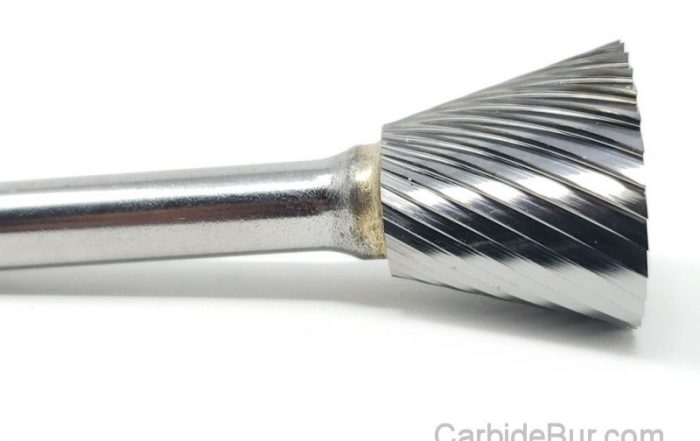
1/8 vs 1/4 Inch Carbide Burrs: What’s the Difference?
1/8 vs 1/4 Inch Carbide Burrs: What's the Difference? Choosing between a 1/8 inch carbide burr and a 1/4 inch carbide burr can change how your project turns out. Many machinists and hobbyists overlook how [...]
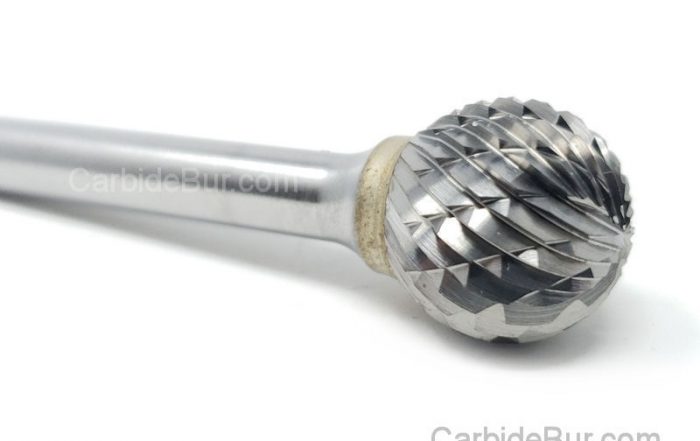
Best Carbide Burr for Removing Flash From Castings
Best Carbide Burr for Removing Flash From Castings Removing flash from castings is a task that can slow down your entire metalworking process if you don’t have the right tools. Picking the best carbide burr [...]
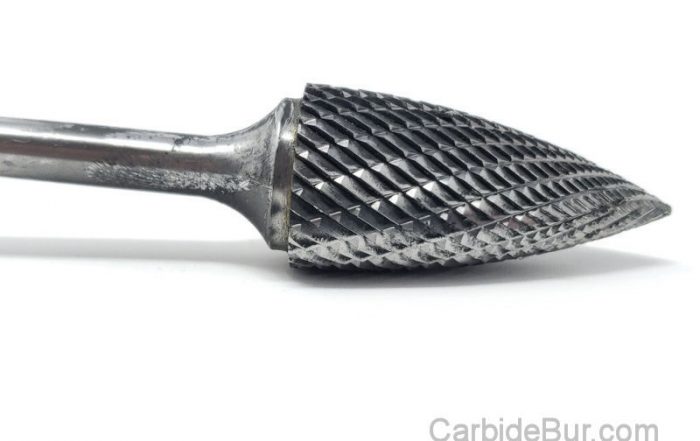
What RPM Should You Use for a 1/4 Inch Carbide Burr?
What RPM Should You Use for a 1/4 Inch Carbide Burr? Most machinists guess the right speed for a 1/4 inch carbide burr and hope for the best. Using the wrong carbide burr RPM can [...]
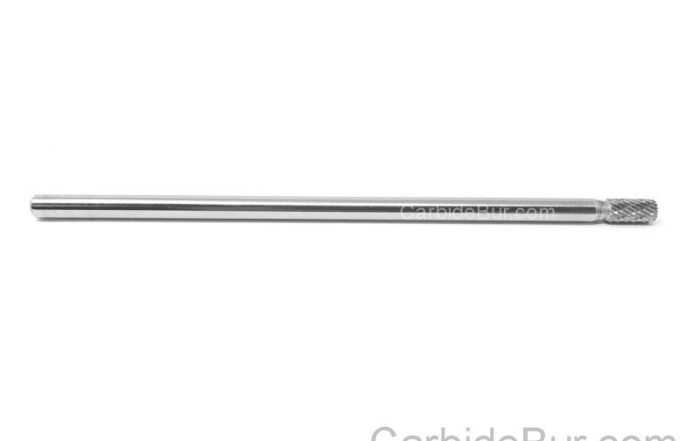
Long Shank Carbide Burrs: When Do You Need One?
Long Shank Carbide Burrs: When Do You Need One? Most machinists overlook the power of long shank carbide burrs until a project demands precision in tight spaces. When your usual tools can’t reach intricate contours, [...]
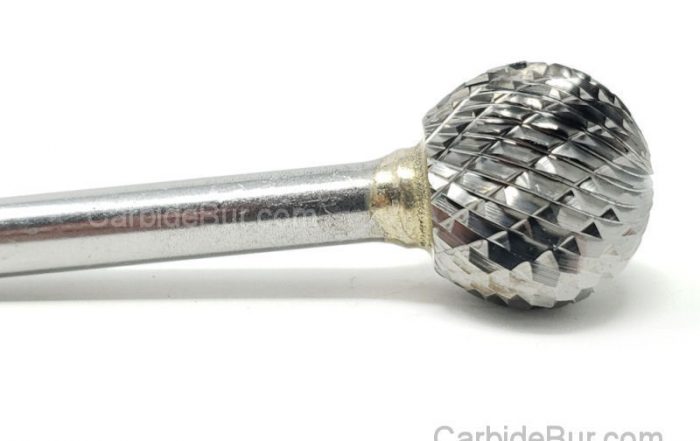
How Deep Can a Carbide Burr Cut Metal?
How Deep Can a Carbide Burr Cut Metal? Carbide burrs often get praised for their precision, but many users hit a wall wondering how deep they can actually cut metal. The truth is, cutting depth [...]
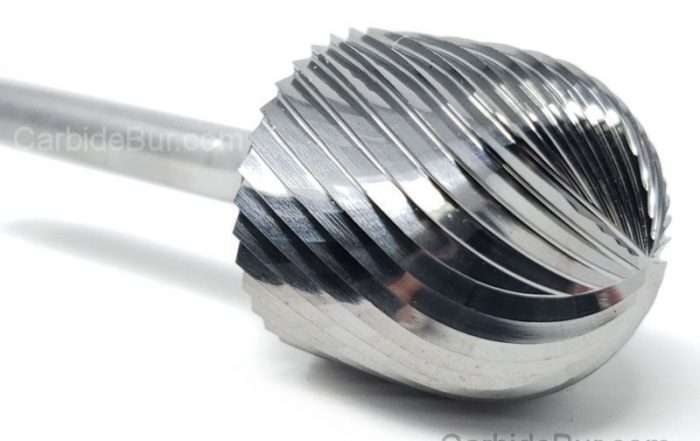
How to Use Carbide Burrs for Port Matching
How to Use Carbide Burrs for Port Matching Most engine builds hit a wall when airflow doesn’t flow smoothly between the ports and manifolds. If your engine isn’t breathing right, your performance stalls. Using the [...]
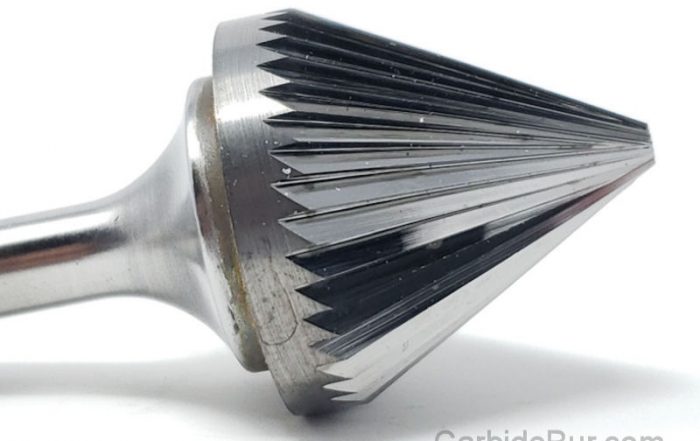
Best Carbide Burr for Porting Intake Manifolds
Best Carbide Burr for Porting Intake Manifolds Porting intake manifolds can make or break your engine’s airflow, yet many struggle with the right tools for the job. Choosing the best carbide burrs is key to [...]
Best Carbide Burr for Concave Surfaces
Best Carbide Burr for Concave Surfaces Concave surfaces can turn a straightforward project into a frustrating challenge if you don’t have the right tool. Carbide burrs designed for these tricky curves make all the difference [...]
How to Grind a Slot in Metal With a Carbide Burr
How to Grind a Slot in Metal With a Carbide Burr Grinding a precise slot in metal can feel like a tricky task, especially if you’re unsure which tools to trust. Carbide burr grinding offers [...]

Best Carbide Burr for Inside Corners
Best Carbide Burr for Inside Corners Working in tight inside corners can turn even simple projects into frustrating tasks. Many carbide burrs just don’t fit or cut cleanly where you need them most. The best [...]
What Size Carbide Burr Do I Need?
What Size Carbide Burr Do I Need? Picking the wrong carbide burr can turn a simple project into a frustrating mess. You might have the best machining tools but still miss the mark if your [...]
How to Smooth Sharp Metal Edges With a Carbide Burr
How to Smooth Sharp Metal Edges With a Carbide Burr Sharp metal edges can turn your project from professional to risky in seconds. If you’ve struggled with smoothing metal edges without scratching or weakening the [...]
