
How Precision Grinding Enhances Robotic Deburring with Carbide Burs
Robotic deburring demands tools that deliver exact, repeatable results every time. Carbide burs designed with precision grinding and tight shank tolerances fit perfectly into CNC tool changers and robotic arms. Leading brands like ATA, SGS, and Monster Tool supply robot-grade burs built to meet these strict standards. Let’s explore how these specialized carbide burs improve your deburring process with greater consistency and reliability.
Click here to see our entire selection of USA made carbide bur tools
The Role of Precision Grinding in CNC Deburring
Precision grinding is not just a technical process; it’s the backbone of successful CNC operations. It ensures each tool performs at its peak, making all the difference in deburring tasks.
Benefits of Precision Grinding
Precision grinding delivers consistent results. Each pass of the tool is exact, leading to smoother surfaces. When your tools are precisely ground, the quality of your work improves. You get fewer errors and less material waste.
-
Efficiency: Properly ground tools cut quickly, saving time.
-
Tool Longevity: Reduces wear and tear, extending tool life.
-
Quality Finish: Achieves a superior surface finish, reducing post-processing.
Imagine you’re crafting a crucial part. Precision grinding ensures that every single piece comes out just right, minimizing costly mistakes.
Importance for Robotic Deburring
Robotic systems demand tools that won’t fail. With precise grinding, burs fit perfectly into robotic arms, providing reliability and accuracy. This exactness is vital for automated processes, where even a small deviation can lead to failure.
-
Reliability: Ensures consistent performance in automated systems.
-
Compatibility: Perfect fit for CNC tool changers and robotic setups.
-
Consistency: Maintains uniformity across repeated tasks, crucial for automated environments.
Precision grinding isn’t just about the tool—it’s about raising the standard of your entire operation.
Choosing the Right Carbide Burs
Selecting the perfect carbide burs involves knowing what makes them effective for CNC and robotic systems. Let’s look at how robot-grade carbide burs stand out.
Robot-Grade Carbide Burs Overview
Robot-grade carbide burs are crafted to meet the strict demands of automated systems. They have tight shank tolerances that ensure a secure fit in any robotic arm or CNC machine. These burs stand out in demanding environments.
-
Durability: Built to withstand high-speed operations.
-
Precision: Perfectly balanced to reduce vibration.
-
Adaptability: Suitable for a variety of materials like steel or aluminum.
Whether you’re working with a CNC mill or robotic deburring, these burs provide the stability and precision needed for high-quality results.
Top Brands: ATA, SGS, and Monster Tool
When it comes to carbide burs, not all brands are equal. ATA, SGS, and Monster Tool are leaders in this field, known for their reliable and high-performing products.
-
ATA Burs: Renowned for their precise engineering and durability.
-
SGS Burs: Offer a range of options ideal for complex tasks.
-
Monster Tool: Known for innovative designs that improve efficiency.
Choosing a trusted brand is crucial. It not only affects the quality of your work but also impacts your bottom line by reducing tool replacement costs.
Applications and Advantages of Carbide Burs
Carbide burs aren’t just versatile—they’re essential in many applications. They bring significant benefits to both CNC and robotic deburring processes.
Carbide Burr Shapes for Deburring
Choosing the correct burr shape can dramatically affect the outcome of your work. Different shapes serve unique purposes, ensuring that every task is completed with precision.
-
Cylinder Shape: Ideal for flat surfaces and contours.
-
Ball Shape: Perfect for detailed work and rounded edges.
-
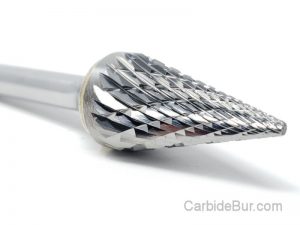
Cone Shape: Best for tight spaces and angled surfaces.
Each shape is designed to handle specific challenges, giving you flexibility in your work. Having a variety of shapes ensures you’re always prepared for any deburring task.
Best Practices for CNC and Robotic Deburring
Mastering CNC and robotic deburring involves understanding some key principles. Here’s how you can ensure success:
-
Choose the Right Speed: Adjust your speed based on the material and burr type.
-
Regular Maintenance: Keep your tools sharp and clean for optimal performance.
-
Secure Setup: Make sure everything is tightly secured to prevent errors.
Incorporate these practices, and watch your efficiency soar. Whether you’re a seasoned engineer or new to the field, these tips will enhance your deburring process.
By understanding the nuances of carbide burs and their applications, you’re not just optimizing your processes—you’re setting a new standard for precision and quality.
Click here to see our entire selection of USA made carbide bur tools
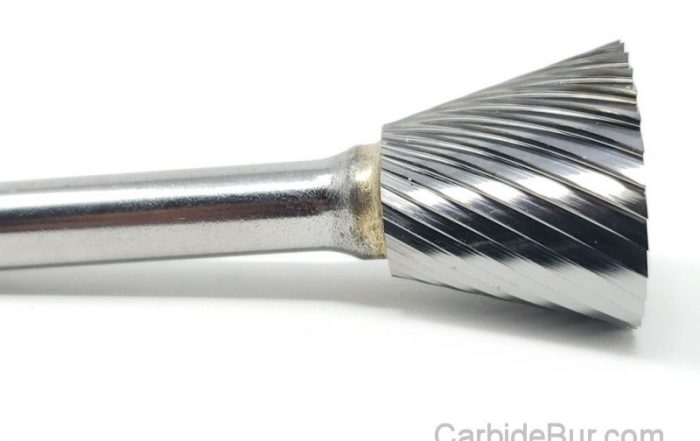
1/8 vs 1/4 Inch Carbide Burrs: What’s the Difference?
1/8 vs 1/4 Inch Carbide Burrs: What's the Difference? Choosing between a 1/8 inch carbide burr and a 1/4 inch carbide burr can change how your project turns out. Many machinists and hobbyists overlook how [...]
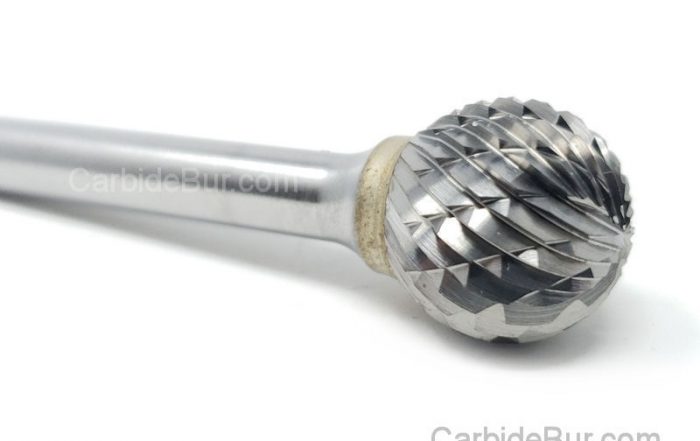
Best Carbide Burr for Removing Flash From Castings
Best Carbide Burr for Removing Flash From Castings Removing flash from castings is a task that can slow down your entire metalworking process if you don’t have the right tools. Picking the best carbide burr [...]
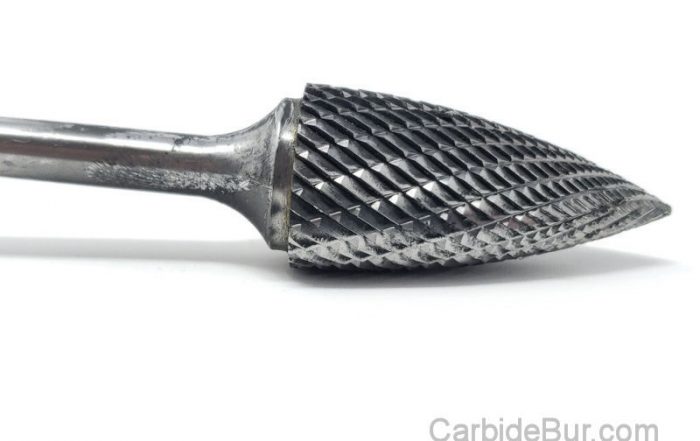
What RPM Should You Use for a 1/4 Inch Carbide Burr?
What RPM Should You Use for a 1/4 Inch Carbide Burr? Most machinists guess the right speed for a 1/4 inch carbide burr and hope for the best. Using the wrong carbide burr RPM can [...]
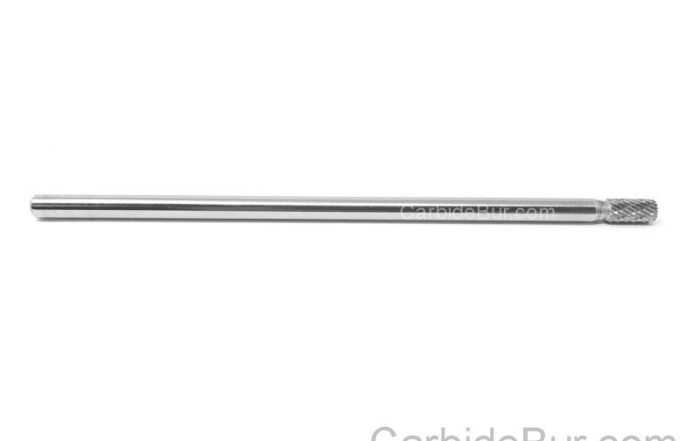
Long Shank Carbide Burrs: When Do You Need One?
Long Shank Carbide Burrs: When Do You Need One? Most machinists overlook the power of long shank carbide burrs until a project demands precision in tight spaces. When your usual tools can’t reach intricate contours, [...]
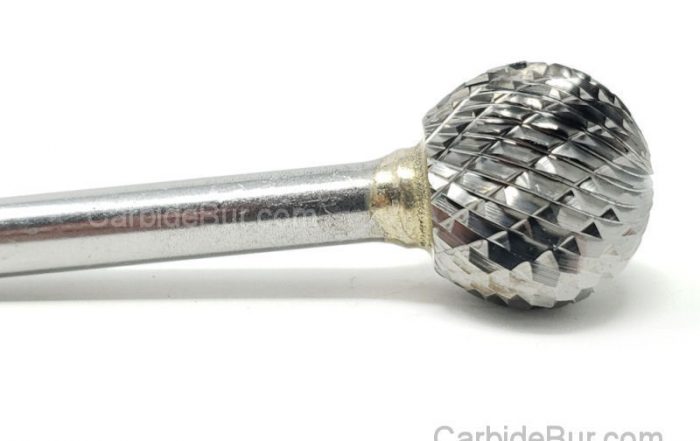
How Deep Can a Carbide Burr Cut Metal?
How Deep Can a Carbide Burr Cut Metal? Carbide burrs often get praised for their precision, but many users hit a wall wondering how deep they can actually cut metal. The truth is, cutting depth [...]
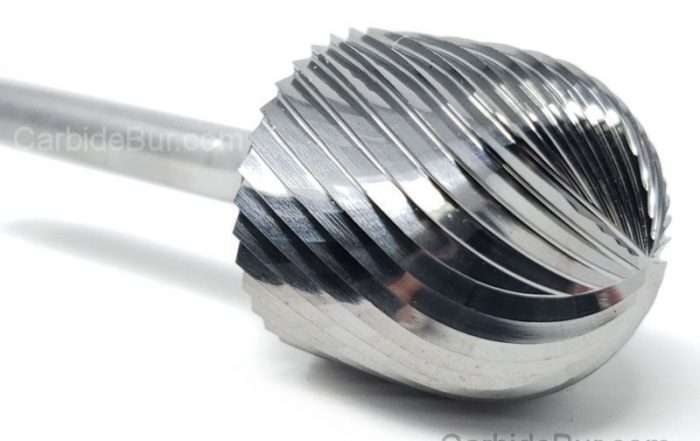
How to Use Carbide Burrs for Port Matching
How to Use Carbide Burrs for Port Matching Most engine builds hit a wall when airflow doesn’t flow smoothly between the ports and manifolds. If your engine isn’t breathing right, your performance stalls. Using the [...]
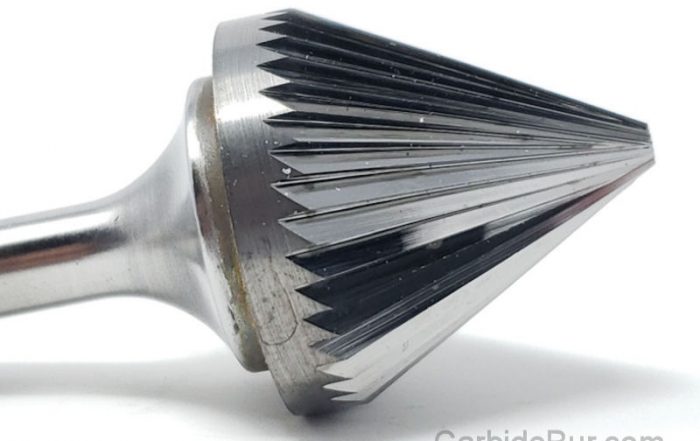
Best Carbide Burr for Porting Intake Manifolds
Best Carbide Burr for Porting Intake Manifolds Porting intake manifolds can make or break your engine’s airflow, yet many struggle with the right tools for the job. Choosing the best carbide burrs is key to [...]
Best Carbide Burr for Concave Surfaces
Best Carbide Burr for Concave Surfaces Concave surfaces can turn a straightforward project into a frustrating challenge if you don’t have the right tool. Carbide burrs designed for these tricky curves make all the difference [...]
How to Grind a Slot in Metal With a Carbide Burr
How to Grind a Slot in Metal With a Carbide Burr Grinding a precise slot in metal can feel like a tricky task, especially if you’re unsure which tools to trust. Carbide burr grinding offers [...]

Best Carbide Burr for Inside Corners
Best Carbide Burr for Inside Corners Working in tight inside corners can turn even simple projects into frustrating tasks. Many carbide burrs just don’t fit or cut cleanly where you need them most. The best [...]
What Size Carbide Burr Do I Need?
What Size Carbide Burr Do I Need? Picking the wrong carbide burr can turn a simple project into a frustrating mess. You might have the best machining tools but still miss the mark if your [...]
How to Smooth Sharp Metal Edges With a Carbide Burr
How to Smooth Sharp Metal Edges With a Carbide Burr Sharp metal edges can turn your project from professional to risky in seconds. If you’ve struggled with smoothing metal edges without scratching or weakening the [...]
