
Quality of Work Matters: How Regular Carbide Bur Checks Can Save You Time and Money
You’ve probably felt the frustration when your die grinder chatter ruins a cut just because the carbide bur was dull. Skipping a quick carbide bur inspection before starting costs more than time—it can wreck the quality of your work and your tools. Taking a few seconds to spot wear or damage keeps your cutting power sharp and your machining efficiency high. Let’s look at how regular checks save you money and keep your workshop running smooth. For more on maintaining your tools, check out this guide on tool longevity and maintenance tips.
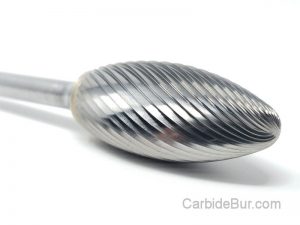
Looking for Carbide Bur Tools?
Check out our entire selection of USA made carbide bur die grinder tool bits
Importance of Carbide Bur Inspection
Checking your carbide burs regularly ensures your tools remain functional and effective. Regular inspection can make all the difference in the quality of your work and the lifespan of your tools.
Protecting Cutting Power
Your cutting power is essential to your work. A sharp carbide bur ensures clean cuts and smooth finishes. When your bur is in top condition, you can depend on it to deliver precise results every time. Keeping your tools sharp also means less effort on your part, which reduces fatigue and allows you to work longer and more efficiently. Regular checks help maintain this power, ensuring your work remains top-notch.
Preventing Costly Mistakes
Mistakes happen, but many are avoidable. Dull or damaged burs can lead to slips and errors that cost you time and materials. By inspecting your burs before each use, you can identify issues before they cause problems. This proactive approach saves you from redoing work and wasting materials, ultimately protecting your bottom line.
Enhancing Tool Lifespan
Your tools are an investment. Keeping them in good condition ensures they last longer and perform better. Regular inspections help you catch signs of wear early, allowing you to address them before they become serious. By taking care of your tools, you not only save money on replacements but also enjoy the confidence that comes with reliable equipment.
Steps for Effective Tool Maintenance
Effective maintenance is key to keeping your tools in top shape. Follow these steps to ensure your carbide burs remain sharp and ready for action.
Inspecting for Wear and Damage
Before each use, take a moment to inspect your burs. Look closely for signs of wear, such as chips or dull edges. These can affect the quality of your cuts and lead to bigger problems if not addressed. A quick visual check can save you time and trouble down the line. For more detailed maintenance tips, explore this comprehensive guide on tool care.
Identifying Dull Burs
Dull burs are less effective and can cause chatter, damaging your work surface. To spot a dull bur, look for signs like a shiny or worn surface. If your bur isn’t cutting as it should, it’s time for a replacement. Keeping an eye out for these signs ensures your work remains precise and efficient.
Replacing and Upgrading
When a bur is beyond its prime, don’t hesitate to replace it. Investing in new burs keeps your work sharp and your productivity high. Consider upgrading to higher-quality options that offer longer life and better performance. This investment pays off in the quality and speed of your work. Discover more about choosing the right burs in this ultimate guide.
Boosting Machining Efficiency
Efficiency is about more than speed—it’s about doing the job right the first time. Maintaining your tools boosts both your speed and accuracy.
Achieving Precision in Work
Precision is crucial in metalworking. Sharp, well-maintained burs allow for detailed work and fine finishes. Consistent inspections help you keep your tools in top condition, ensuring every cut is clean and accurate. This precision means less rework and more satisfied clients.
Avoiding Chatter Issues
Chatter can ruin a project and waste materials. It’s often caused by dull or damaged burs. Regular inspections help you avoid this issue by ensuring your tools are sharp and ready for action. By preventing chatter, you keep your work smooth and professional, saving both time and resources.
Saving Time and Resources
Time is money, and both are wasted when you have to redo work. Regular inspections help you catch issues before they lead to mistakes. By maintaining your tools, you ensure each project runs smoothly, saving you both time and materials in the long run. For more on improving your technique, check out this discussion on die grinder technique.
Enhancing Quality of Work
High-quality work speaks for itself. Regular tool maintenance is a key factor in achieving and maintaining that quality.
Maintaining Optimal Performance
Tools perform best when they’re in good condition. By regularly checking and maintaining your burs, you ensure they always operate at peak performance. This attention to detail is reflected in the quality of your work, setting you apart from the competition.
Ensuring Consistent Results
Consistency builds trust with your clients. Regular maintenance helps you deliver high-quality results on every job. When your tools are sharp and reliable, you can count on them to perform consistently, making your work dependable and your reputation solid.
Building a Productive Workshop
A productive workshop runs smoothly and efficiently. Regular tool checks keep your equipment in top shape, allowing you to focus on what matters most—your work. By creating an environment where tools function reliably, you boost your productivity and your bottom line.
Benefits of Regular Checks
The benefits of regular inspections go beyond the immediate. They impact your entire workflow and business success.
Long-Term Cost Savings
Regular maintenance may seem like a chore, but it saves you money in the long run. By catching problems early, you avoid expensive repairs and replacements. This proactive approach helps you manage your budget more effectively and invest in new opportunities.
Increased Productivity
Sharp tools make fast work. By keeping your burs in good condition, you reduce downtime and increase your output. This efficiency allows you to take on more projects and increase your revenue without sacrificing quality.
Improving Overall Workshop Success
Success starts with the basics. Regular inspections ensure your tools are always ready to go, leading to smoother operations and higher client satisfaction. By prioritizing maintenance, you set your workshop up for long-term success. For more insights on tool longevity, explore this resource on maintaining carbide burrs.
In conclusion, regular carbide bur inspections are a small step with big rewards. By maintaining your tools, you boost your efficiency, save money, and enhance the quality of your work. Keep your workshop thriving by making this simple practice a part of your routine.
Looking for Carbide Bur Tools?
Check out our entire selection of USA made carbide bur die grinder tool bits
Follow us on Twitter

Return to CarbideBur.com
Carbide Burs – 1/4″ on 1/8″ Shanks – Accessories – Aluminum Cut – Bur Sets – End Mills – Long Shank – Solid Burs
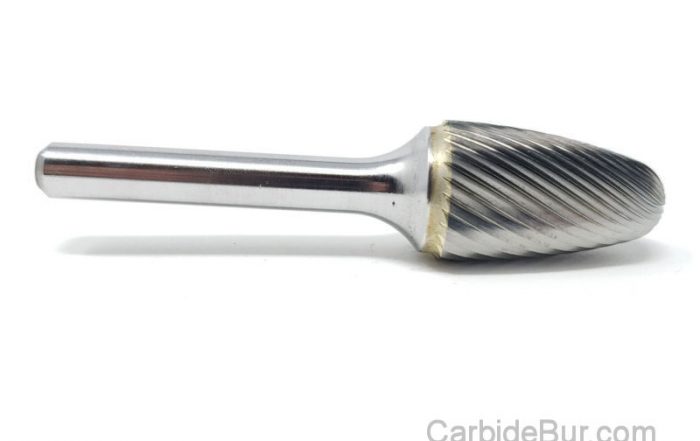
How to Grind a Groove in Metal With a Carbide Burr
How to Grind a Groove in Metal With a Carbide Burr Most metalworkers struggle to cut clean grooves without wasting time or ruining their workpiece. Many try different metalworking tools but end up with uneven [...]
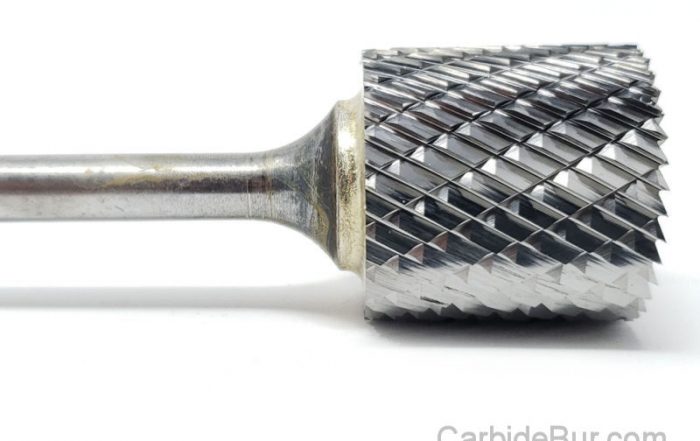
Can Carbide Burrs Cut Through Welds?
Can Carbide Burrs Cut Through Welds? Cutting through welds can feel like a battle, especially when you need clean results without harming the base metal. Carbide burrs offer a sharp edge in this fight, but [...]
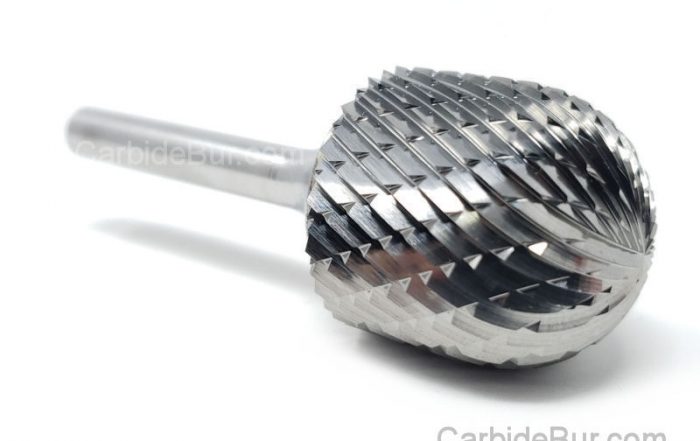
How to Use a Carbide Burr With a Die Grinder
How to Use a Carbide Burr With a Die Grinder Most people treat a carbide burr like just another tool, but using it with a die grinder takes skill. If you’ve struggled with burr installation [...]
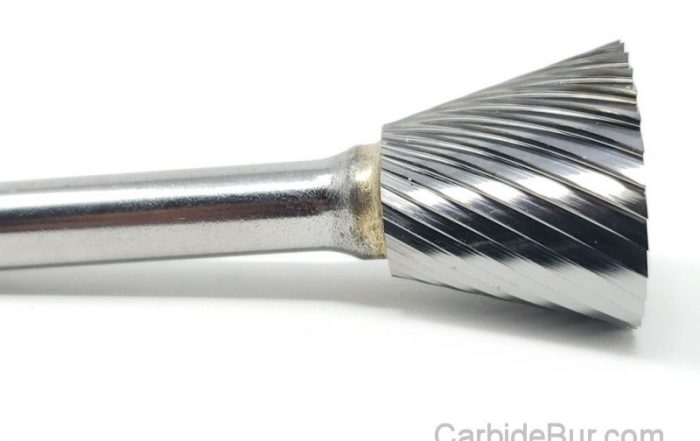
1/8 vs 1/4 Inch Carbide Burrs: What’s the Difference?
1/8 vs 1/4 Inch Carbide Burrs: What's the Difference? Choosing between a 1/8 inch carbide burr and a 1/4 inch carbide burr can change how your project turns out. Many machinists and hobbyists overlook how [...]
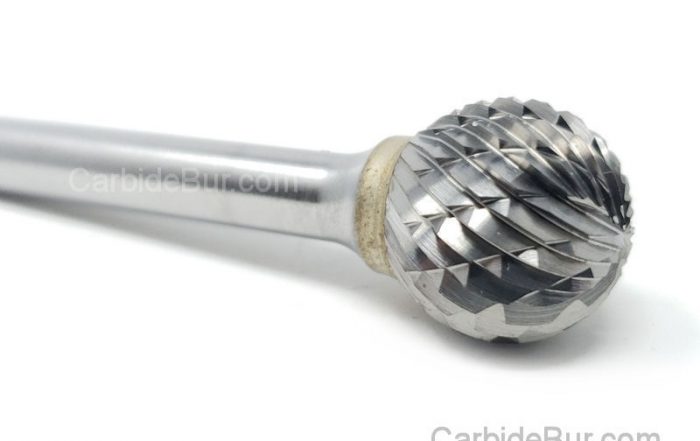
Best Carbide Burr for Removing Flash From Castings
Best Carbide Burr for Removing Flash From Castings Removing flash from castings is a task that can slow down your entire metalworking process if you don’t have the right tools. Picking the best carbide burr [...]
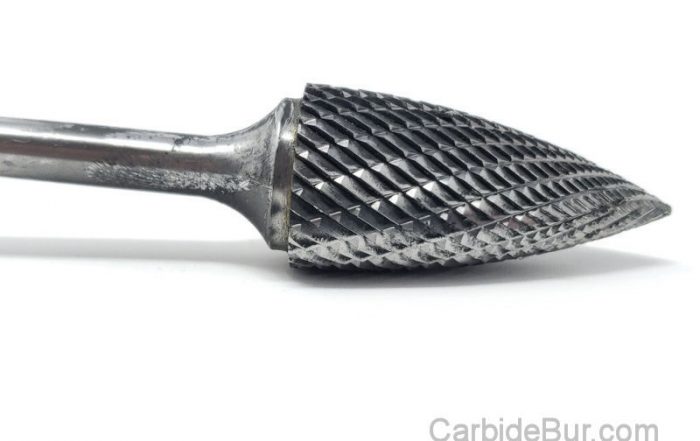
What RPM Should You Use for a 1/4 Inch Carbide Burr?
What RPM Should You Use for a 1/4 Inch Carbide Burr? Most machinists guess the right speed for a 1/4 inch carbide burr and hope for the best. Using the wrong carbide burr RPM can [...]
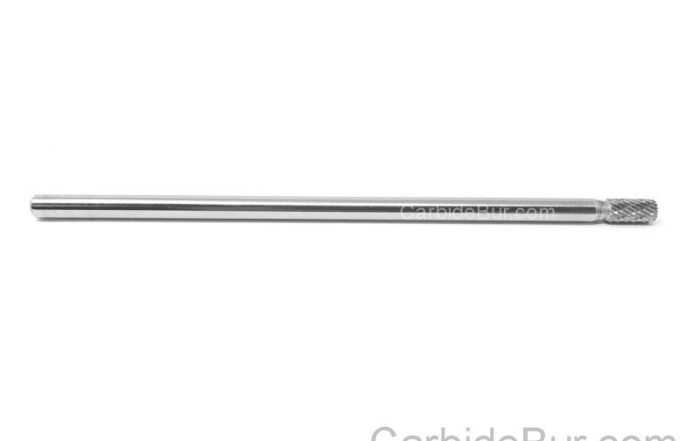
Long Shank Carbide Burrs: When Do You Need One?
Long Shank Carbide Burrs: When Do You Need One? Most machinists overlook the power of long shank carbide burrs until a project demands precision in tight spaces. When your usual tools can’t reach intricate contours, [...]
How Deep Can a Carbide Burr Cut Metal?
How Deep Can a Carbide Burr Cut Metal? Carbide burrs often get praised for their precision, but many users hit a wall wondering how deep they can actually cut metal. The truth is, cutting depth [...]
How to Use Carbide Burrs for Port Matching
How to Use Carbide Burrs for Port Matching Most engine builds hit a wall when airflow doesn’t flow smoothly between the ports and manifolds. If your engine isn’t breathing right, your performance stalls. Using the [...]
Best Carbide Burr for Porting Intake Manifolds
Best Carbide Burr for Porting Intake Manifolds Porting intake manifolds can make or break your engine’s airflow, yet many struggle with the right tools for the job. Choosing the best carbide burrs is key to [...]
Best Carbide Burr for Concave Surfaces
Best Carbide Burr for Concave Surfaces Concave surfaces can turn a straightforward project into a frustrating challenge if you don’t have the right tool. Carbide burrs designed for these tricky curves make all the difference [...]
How to Grind a Slot in Metal With a Carbide Burr
How to Grind a Slot in Metal With a Carbide Burr Grinding a precise slot in metal can feel like a tricky task, especially if you’re unsure which tools to trust. Carbide burr grinding offers [...]
