
Achieve a Professional Finish: How to Choose the Right Burr Size and Material
Most repair jobs stumble when the repair plug doesn’t sit flush, leaving your work looking amateur. The secret behind a clean finish lies in mastering the inverted cone burr and precise countersinking techniques. Knowing which burr size and material fit your project saves time and prevents damage, making your repairs look sharp and professional every time. Let’s break down how to get it right on your next project. For more information, check out this guide on inverted cone burs.
We have the perfect tools you need for safe cracking and manipulation used by professionals
Understanding Inverted Cone Burrs
When it comes to repair tasks, knowing your tools is crucial. Inverted cone burrs are unique in their shape and function, making them ideal for specific uses in woodworking and metalwork. Let’s see how they work in your favor.
Types and Uses
Inverted cone burrs come in various types, each serving different needs. Some are designed for metal, while others are perfect for wood. Each type works best for creating recessed areas, crucial for flush insertion repair plugs. You want the right burr so your repair looks clean and professional.
-
Metal-specific burrs provide smooth finishes without chipping.
-
Wood-specific burrs prevent splintering, making them ideal for delicate tasks.
Choosing the correct burr can transform your repair from beginner to expert level. If you’re curious, this article discusses the uses of inverted cone burs.
Choosing Burr Size and Material
Picking the right burr size and material can be tricky but rewarding. Your choice will depend on the material you’re working with and the size of the repair plug.
-
Smaller burrs are excellent for precision work.
-
Larger burrs save time on bigger jobs.
For instance, a 0.8mm burr might be ideal for detailed work, as noted here. The material of the burr also matters. Carbide is durable and works on tough surfaces, while high-speed steel is more versatile. Making the right choice ensures longevity and quality in your repairs.
Effective Countersinking Techniques
Countersinking requires precision. The right approach makes sure your work holds up over time. Let’s explore key techniques that safeguard your projects.
Ensuring Accuracy
Accuracy is vital in countersinking. Proper alignment and depth control make all the difference.
-
Mark your entry points precisely to avoid errors.
-
Use a drill guide to maintain correct angles.
This approach helps your repair plugs sit perfectly flush. Most people overlook this, but getting it right ensures a professional finish every time. Dive deeper into optimizing countersink results with these expert tips.
Preventing Material Damage
Avoiding damage during countersinking is crucial. The longer you wait to perfect this skill, the more likely you are to make costly mistakes.
-
Use a slow speed to reduce heat and prevent burns.
-
Apply consistent pressure to avoid splintering or cracking.
Preventing damage ensures your repair not only looks good but lasts longer. Consider these pointers the next time you’re tackling a project.
Achieving a Professional Finish
You’re almost there. The final touches ensure your repair is not just functional but also visually appealing. Here’s how you can achieve that professional look.
Flush Insertion Repair Plugs
Getting your repair plug to sit flush is the key to a seamless finish. Once you’ve mastered inverted cone burrs and countersinking techniques, this step becomes much easier.
-
Test fit your plugs before final insertion.
-
Sand down any excess for a smooth surface.
Your work will impress clients or friends with how neat it looks. Most people think they need expensive tools, but the technique is what really matters.
Tips for Optimal Results
Consistency and attention to detail are your best allies. Here’s the key insight to keep in mind:
-
Always double-check your work for precision.
-
Keep your tools sharp. Dull tools can ruin your project.
Remember, practice makes perfect. The more projects you tackle, the more skilled you become. This is what sets apart a good repair from a great one. Explore more on selecting the right tools at PMCSupplies.
Your journey to mastering these skills starts today. Keep refining your techniques, and you’ll be amazed at the professional quality you achieve with your repairs.
We have the perfect tools you need for safe cracking and manipulation used by professionals
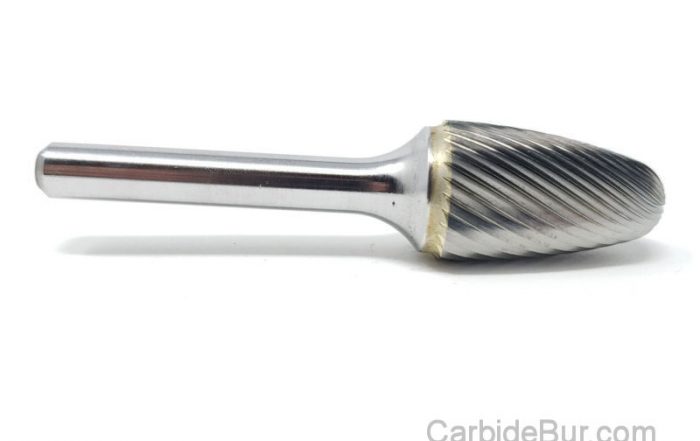
How to Grind a Groove in Metal With a Carbide Burr
How to Grind a Groove in Metal With a Carbide Burr Most metalworkers struggle to cut clean grooves without wasting time or ruining their workpiece. Many try different metalworking tools but end up with uneven [...]
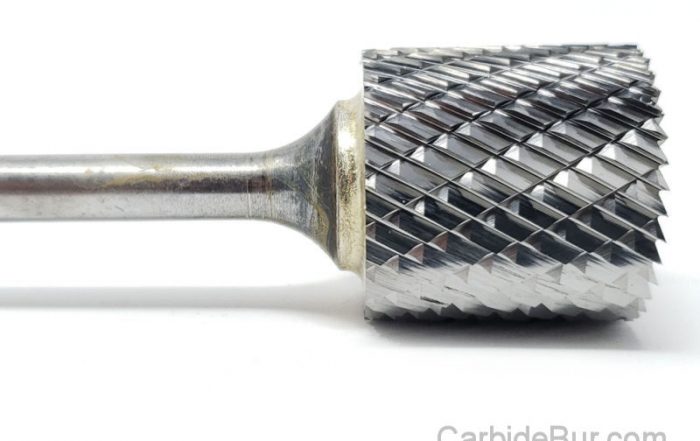
Can Carbide Burrs Cut Through Welds?
Can Carbide Burrs Cut Through Welds? Cutting through welds can feel like a battle, especially when you need clean results without harming the base metal. Carbide burrs offer a sharp edge in this fight, but [...]
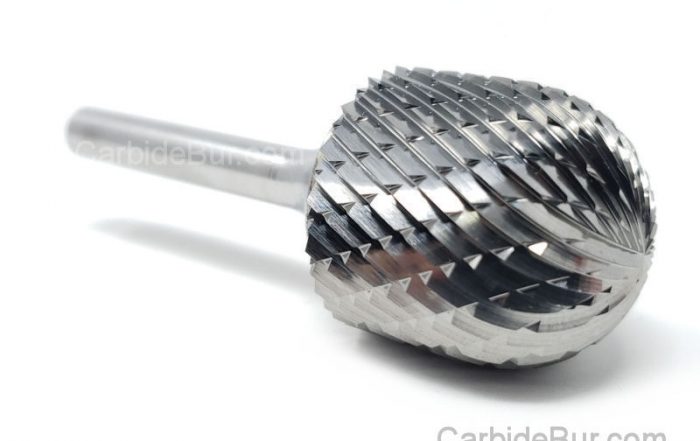
How to Use a Carbide Burr With a Die Grinder
How to Use a Carbide Burr With a Die Grinder Most people treat a carbide burr like just another tool, but using it with a die grinder takes skill. If you’ve struggled with burr installation [...]
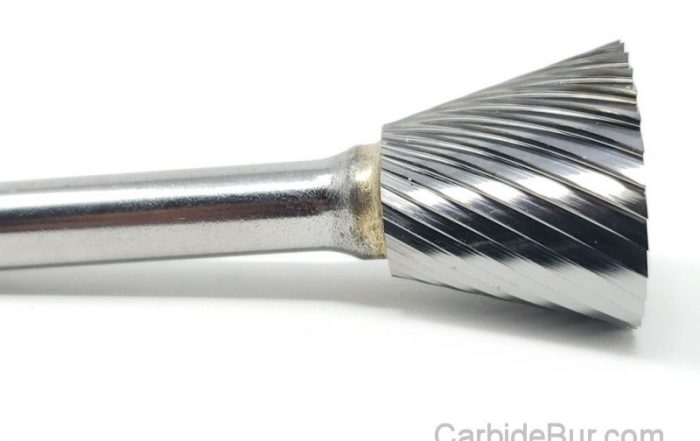
1/8 vs 1/4 Inch Carbide Burrs: What’s the Difference?
1/8 vs 1/4 Inch Carbide Burrs: What's the Difference? Choosing between a 1/8 inch carbide burr and a 1/4 inch carbide burr can change how your project turns out. Many machinists and hobbyists overlook how [...]
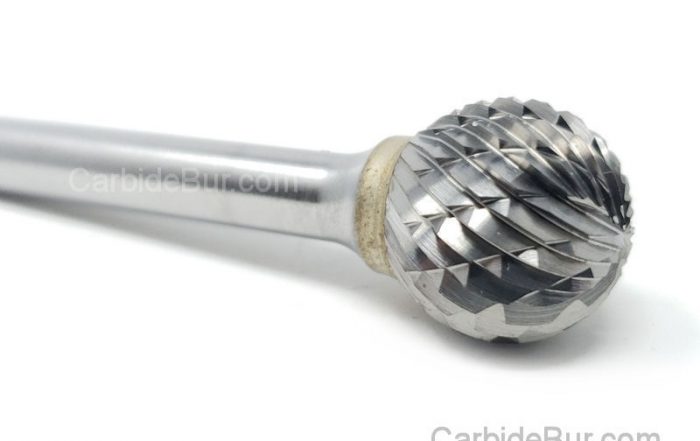
Best Carbide Burr for Removing Flash From Castings
Best Carbide Burr for Removing Flash From Castings Removing flash from castings is a task that can slow down your entire metalworking process if you don’t have the right tools. Picking the best carbide burr [...]
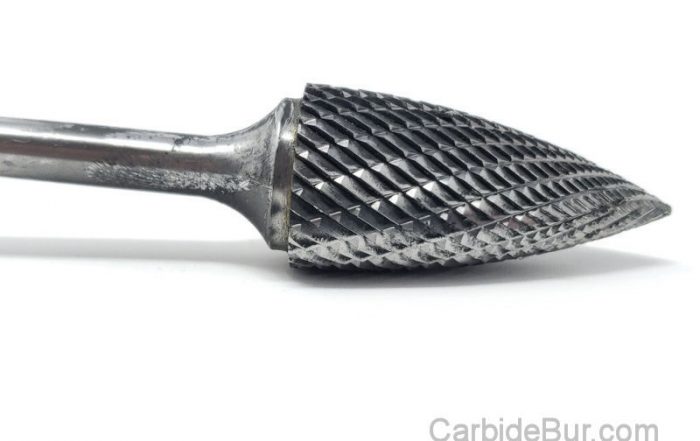
What RPM Should You Use for a 1/4 Inch Carbide Burr?
What RPM Should You Use for a 1/4 Inch Carbide Burr? Most machinists guess the right speed for a 1/4 inch carbide burr and hope for the best. Using the wrong carbide burr RPM can [...]
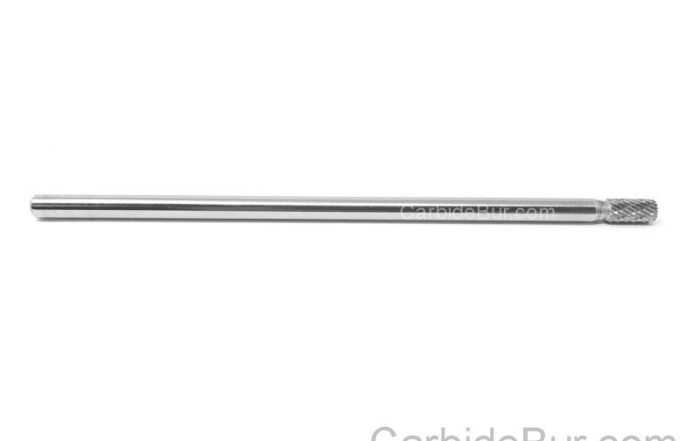
Long Shank Carbide Burrs: When Do You Need One?
Long Shank Carbide Burrs: When Do You Need One? Most machinists overlook the power of long shank carbide burrs until a project demands precision in tight spaces. When your usual tools can’t reach intricate contours, [...]
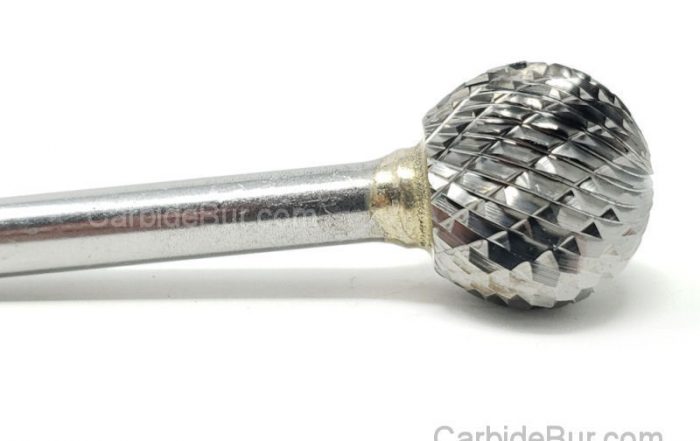
How Deep Can a Carbide Burr Cut Metal?
How Deep Can a Carbide Burr Cut Metal? Carbide burrs often get praised for their precision, but many users hit a wall wondering how deep they can actually cut metal. The truth is, cutting depth [...]
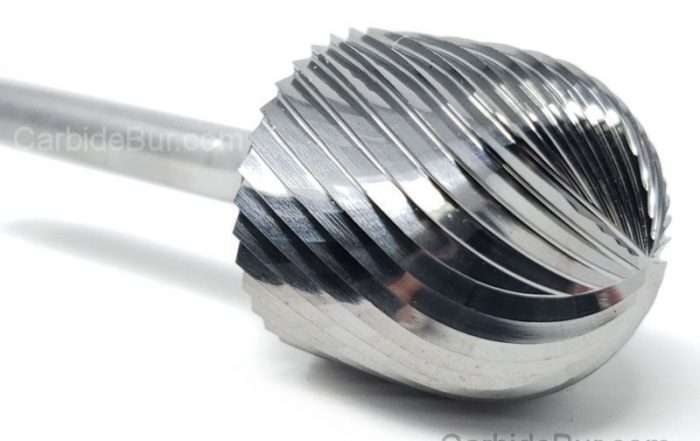
How to Use Carbide Burrs for Port Matching
How to Use Carbide Burrs for Port Matching Most engine builds hit a wall when airflow doesn’t flow smoothly between the ports and manifolds. If your engine isn’t breathing right, your performance stalls. Using the [...]
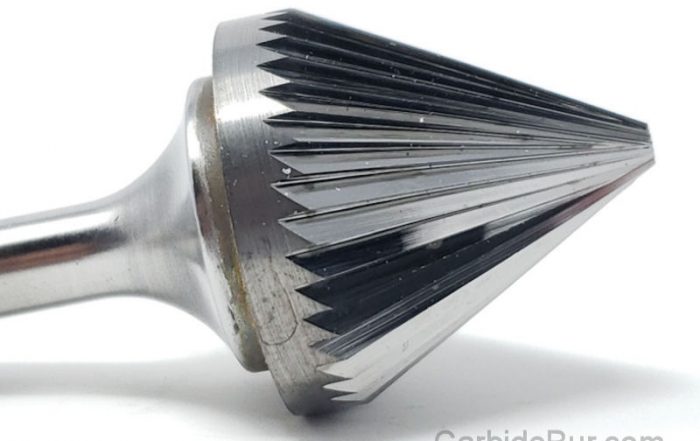
Best Carbide Burr for Porting Intake Manifolds
Best Carbide Burr for Porting Intake Manifolds Porting intake manifolds can make or break your engine’s airflow, yet many struggle with the right tools for the job. Choosing the best carbide burrs is key to [...]
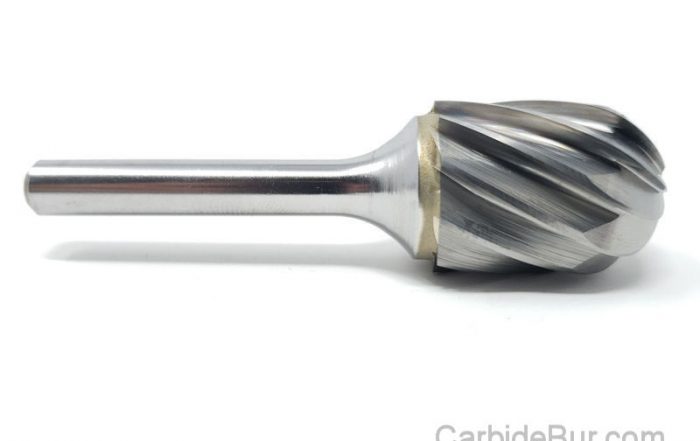
Best Carbide Burr for Concave Surfaces
Best Carbide Burr for Concave Surfaces Concave surfaces can turn a straightforward project into a frustrating challenge if you don’t have the right tool. Carbide burrs designed for these tricky curves make all the difference [...]
How to Grind a Slot in Metal With a Carbide Burr
How to Grind a Slot in Metal With a Carbide Burr Grinding a precise slot in metal can feel like a tricky task, especially if you’re unsure which tools to trust. Carbide burr grinding offers [...]
