
The Art of Finishing: How to Choose the Right Carbide Burs for Crown and Bridge Work
Most dentists underestimate how much the right carbide burs affect crown and bridge preparation. You might spend extra time tweaking tooth reduction or chamfer design without getting a perfect fit. This guide breaks down the best dental bur recommendations for every step—from shaping to finishing—so your prosthodontic tools work exactly as they should. Learn more about essential carbide burs here.
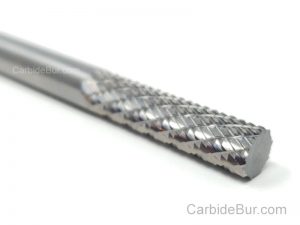
Have you checked out our selection of Carbide Bur Tools?
Choosing Carbide Burs
The tools you select play a crucial role in achieving precision in prosthodontics. Carbide burs are particularly significant in crown and bridge work due to their ability to shape and finish effectively.
Understanding Crown Preparation
Crown preparation requires attention to detail. You need burs that enable precise cutting without compromising the tooth structure. The right bur ensures that the crown fits well and functions properly. Start with a bur that shapes the tooth efficiently. This will lay a solid foundation for the rest of the procedure.
A well-prepped crown will have smooth margins and correct contouring. The initial shaping often uses a high-speed carbide bur. This helps in removing the necessary amount of tooth material. It’s crucial to maintain control during this step to avoid over-reduction. Check out a selection of carbide burs designed for crown prep.
Basics of Bridge Preparation
When preparing for a bridge, you face different challenges. You’ll need to ensure stability and retention across multiple abutments. Carbide burs are excellent for this because they provide consistent results. Begin with a bur that creates a uniform space for the bridge framework.
A common mistake is using the same bur for every step. Instead, switch to a finer bur for finishing touches. This increases the accuracy of the margins and improves the overall fit. Remember, the longer you wait to refine your technique, the more challenging it becomes to achieve the perfect bridge fit.
Importance of Tooth Reduction
Tooth reduction is not just about removing material. It’s about setting the stage for a successful prosthesis. Proper reduction with the right carbide bur can prevent issues later on. You need a bur that lets you work quickly but also precisely.
Achieve ideal tooth reduction by gauging how much material to remove. A bur with depth markers can be beneficial here. It helps ensure uniform reduction across the tooth surface. Most people think any bur will do, but choosing wisely can save you time and improve outcomes. Explore options for tooth reduction carbide burs.
Techniques for Chamfer Design
Achieving the perfect chamfer design is a game-changer. A well-done chamfer ensures a seamless fit for your prosthesis, enhancing both function and aesthetics.
Selecting the Right Finishing Burs
Finishing burs are your secret weapon for a flawless chamfer. They allow you to refine the edges of the tooth, ensuring smooth transitions. Start by choosing a bur that works well with the tooth’s shape. This helps in achieving a consistent chamfer width.
The key to a smooth finish lies in the gradual transition from coarse to fine burs. As you progress, each step should bring you closer to the final desired shape. The best finishing burs will help you maintain control while delivering exceptional results. Discover top-performing operative carbides for finishing.
Key Steps in Chamfer Creation
Creating a chamfer is more than just shaping; it’s about precision. Start with a bur that allows you to set the initial depth. Once that’s established, you can refine the margin with a more tapered bur. This method reduces the chances of undercuts.
Focus on maintaining a consistent angulation throughout the process. This consistency prevents gaps between the tooth and the prosthesis. Most dentists overlook the importance of angulation, leading to ill-fitting crowns. Learn more on the importance of dental burs in chamfer design.
Dental Bur Recommendations
Now that you understand the significance of each step, it’s time to choose the right tools. The correct burs can transform your practice, making procedures quicker and more reliable.
Essential Prosthodontic Tools
Your toolkit should include various carbide burs tailored to specific tasks. A diverse selection ensures you’re prepared for any crown or bridge work challenge. Consider burs that offer versatility for both cutting and finishing.
High-quality carbide burs last longer and provide better performance. Investing in good tools will improve your efficiency and your results. This is where most dentists make a mistake—they choose cheaper options that wear out quickly.
Making the Perfect Fit
Achieving the perfect fit is the ultimate goal. This requires meticulous work and the right burs. A precise fit prevents potential discomfort for your patients and enhances the longevity of the prosthesis.
Focus on using burs that provide a clean cut without chipping. This will ensure the edges of your workpiece align perfectly with the natural tooth structure. Remember, the right tools make all the difference in achieving a seamless fit.
In summary, the careful selection of carbide burs can elevate the quality of your dental work. By understanding the specific needs of each step in crown and bridge preparation, you enhance both precision and efficiency in your practice.
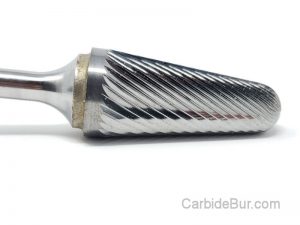
Find more information at CarbideBur.com
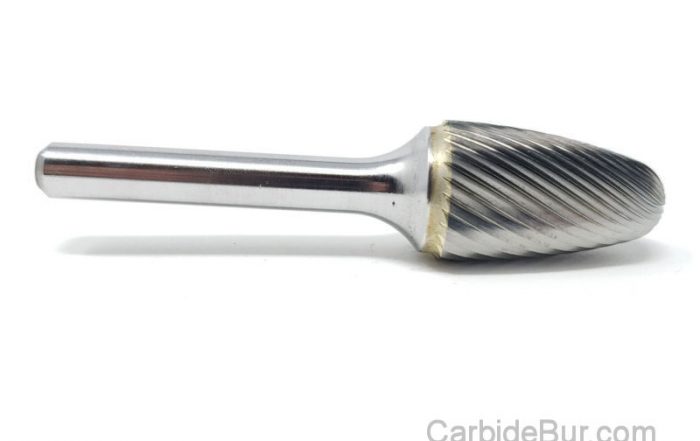
How to Grind a Groove in Metal With a Carbide Burr
How to Grind a Groove in Metal With a Carbide Burr Most metalworkers struggle to cut clean grooves without wasting time or ruining their workpiece. Many try different metalworking tools but end up with uneven [...]
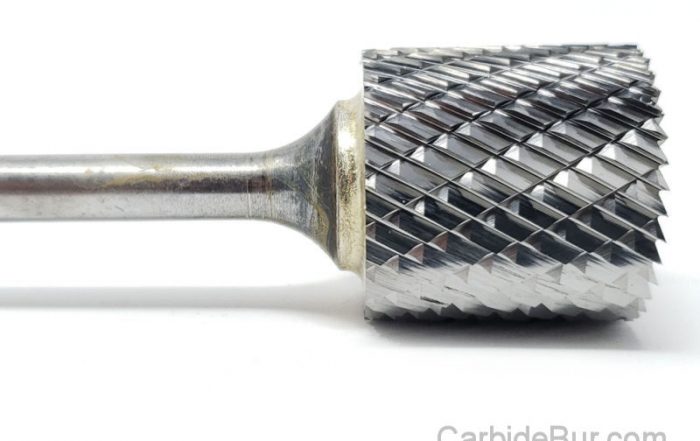
Can Carbide Burrs Cut Through Welds?
Can Carbide Burrs Cut Through Welds? Cutting through welds can feel like a battle, especially when you need clean results without harming the base metal. Carbide burrs offer a sharp edge in this fight, but [...]
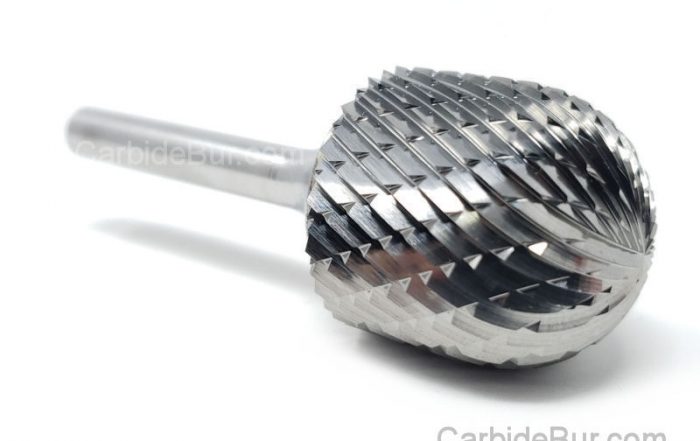
How to Use a Carbide Burr With a Die Grinder
How to Use a Carbide Burr With a Die Grinder Most people treat a carbide burr like just another tool, but using it with a die grinder takes skill. If you’ve struggled with burr installation [...]
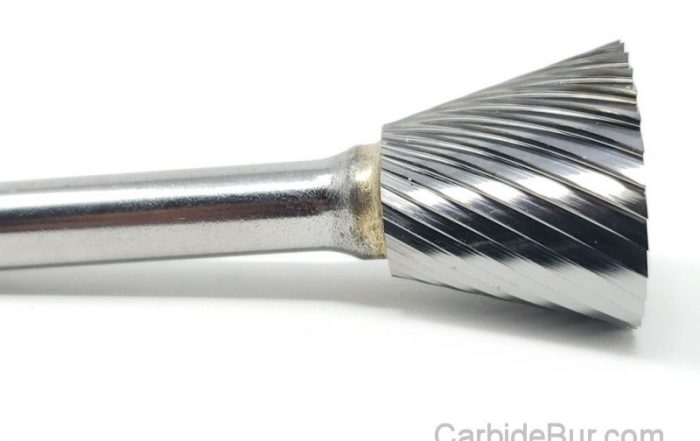
1/8 vs 1/4 Inch Carbide Burrs: What’s the Difference?
1/8 vs 1/4 Inch Carbide Burrs: What's the Difference? Choosing between a 1/8 inch carbide burr and a 1/4 inch carbide burr can change how your project turns out. Many machinists and hobbyists overlook how [...]

Best Carbide Burr for Removing Flash From Castings
Best Carbide Burr for Removing Flash From Castings Removing flash from castings is a task that can slow down your entire metalworking process if you don’t have the right tools. Picking the best carbide burr [...]
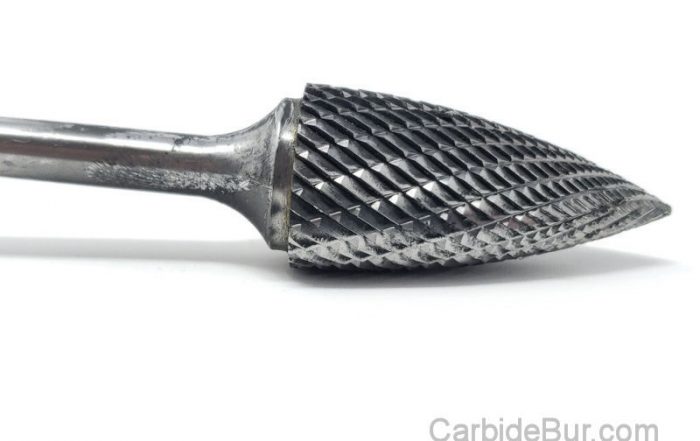
What RPM Should You Use for a 1/4 Inch Carbide Burr?
What RPM Should You Use for a 1/4 Inch Carbide Burr? Most machinists guess the right speed for a 1/4 inch carbide burr and hope for the best. Using the wrong carbide burr RPM can [...]
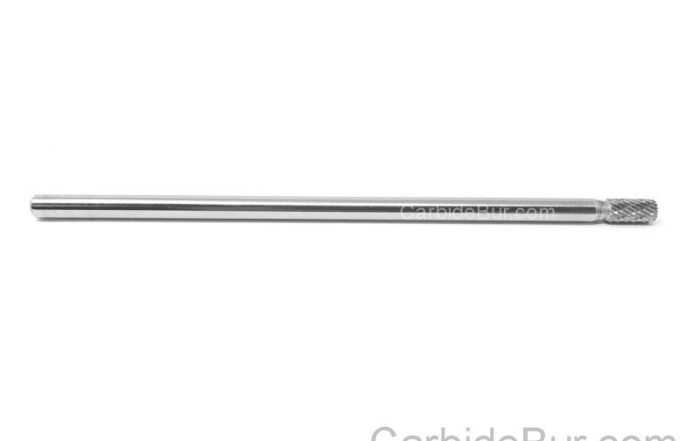
Long Shank Carbide Burrs: When Do You Need One?
Long Shank Carbide Burrs: When Do You Need One? Most machinists overlook the power of long shank carbide burrs until a project demands precision in tight spaces. When your usual tools can’t reach intricate contours, [...]
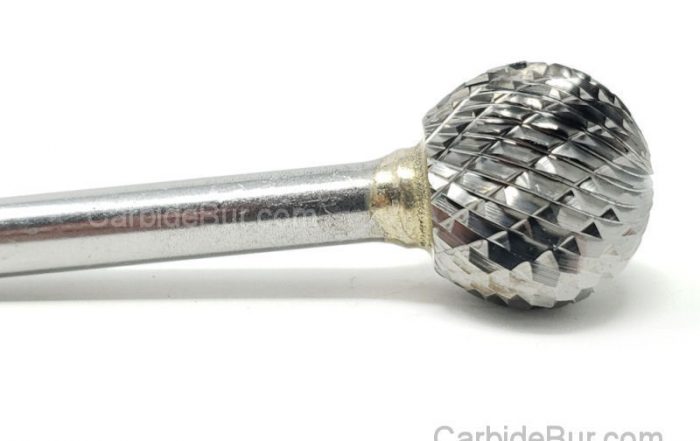
How Deep Can a Carbide Burr Cut Metal?
How Deep Can a Carbide Burr Cut Metal? Carbide burrs often get praised for their precision, but many users hit a wall wondering how deep they can actually cut metal. The truth is, cutting depth [...]
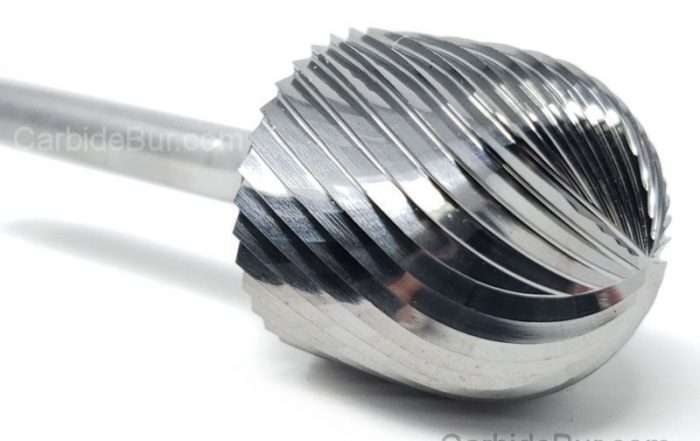
How to Use Carbide Burrs for Port Matching
How to Use Carbide Burrs for Port Matching Most engine builds hit a wall when airflow doesn’t flow smoothly between the ports and manifolds. If your engine isn’t breathing right, your performance stalls. Using the [...]
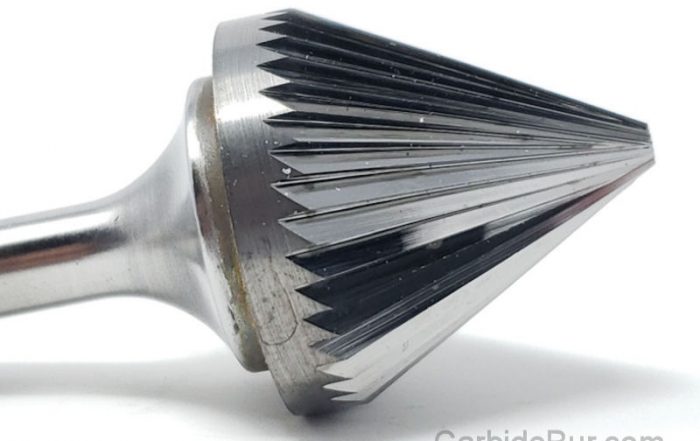
Best Carbide Burr for Porting Intake Manifolds
Best Carbide Burr for Porting Intake Manifolds Porting intake manifolds can make or break your engine’s airflow, yet many struggle with the right tools for the job. Choosing the best carbide burrs is key to [...]
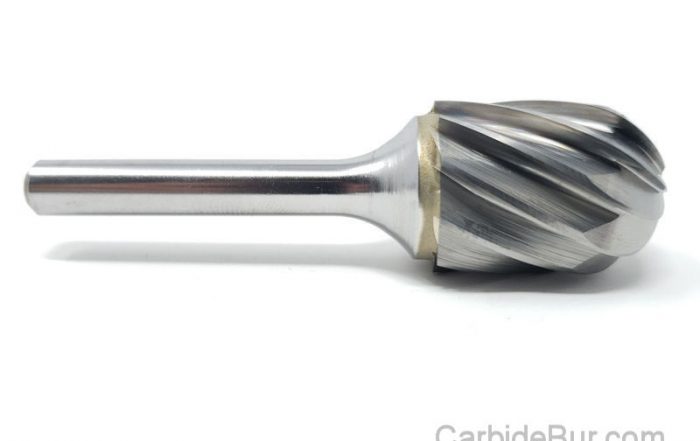
Best Carbide Burr for Concave Surfaces
Best Carbide Burr for Concave Surfaces Concave surfaces can turn a straightforward project into a frustrating challenge if you don’t have the right tool. Carbide burrs designed for these tricky curves make all the difference [...]
How to Grind a Slot in Metal With a Carbide Burr
How to Grind a Slot in Metal With a Carbide Burr Grinding a precise slot in metal can feel like a tricky task, especially if you’re unsure which tools to trust. Carbide burr grinding offers [...]
