
How To Effectively Maintain Your Carbide Burrs For Cylinder Head Porting
Many enthusiasts and professionals find that the longevity and performance of your carbide burrs are vital for achieving optimal results while porting cylinder heads. By following a few simple maintenance steps, you can extend the life of these necessary tools, ensuring they deliver precision and efficiency for countless projects. This guide will walk you through best practices for cleaning, storing, and inspecting your carbide burrs, so you can keep your engine work sharp and effective for years to come.
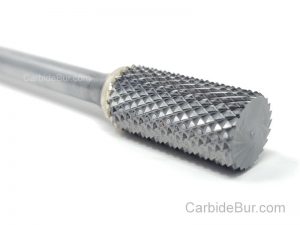
Find more carbide bur die grinder tool bits here
Mastering the Basics: Choosing the Right Carbide Burrs
Understanding Burr Shapes and Applications
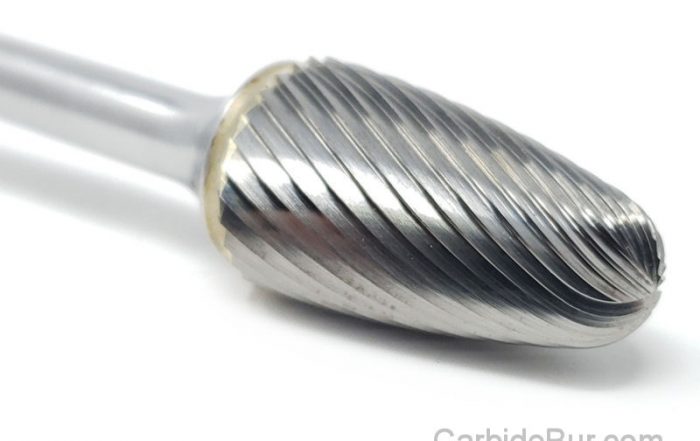
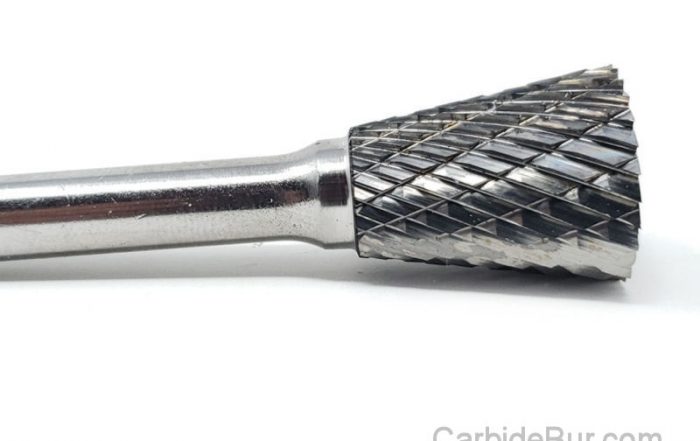
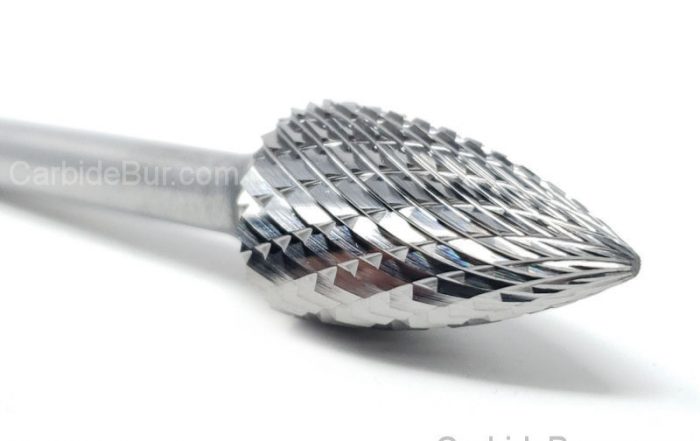
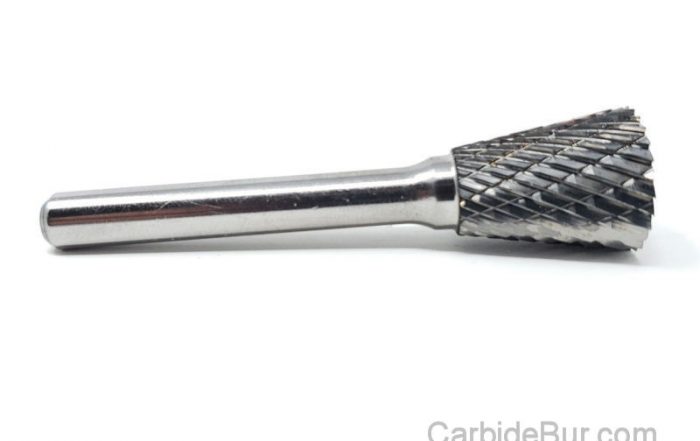
Different shapes of carbide burrs serve distinct purposes in cylinder head porting. For instance, flame-shaped burrs are excellent for blending and shaping, as they provide a tapered end that allows for detailed work in tight corners. In contrast, cylindrical burrs excel at removing material quickly from flat surfaces, making them ideal for initial port shaping where aggressive cutting is needed. The spherical burrs offer versatility and can be particularly useful for creating a smooth transition in the flow paths. These variations in burr shape allow you to tackle various tasks efficiently, improving both the quality and speed of your work.
Understanding these applications helps you utilize your burrs effectively. A ball-shaped burr, for example, would be less effective in tight areas compared to a needle burr, which can access narrow passages with more control. By familiarizing yourself with the geometry and potential applications of each shape, you can make informed decisions that streamline your porting work and deliver superior results.
Selecting Burrs for Specific Porting Tasks
Identifying the right carbide burr for specific porting tasks can drastically enhance your project’s outcome. For rough cuts and removing large amounts of material quickly, opt for larger, coarser burrs that can withstand high torque without dulling. However, as you shift to detail work, smaller, fine-toothed burrs become important for intricate areas that demand precision. If you are reshaping intake or exhaust ports, a combination of straight and tapered burrs will effectively grant you the control needed to adjust port shapes without sacrificing structural integrity.
Look for burrs made from high-quality tungsten carbide for optimal performance, as they maintain their sharpness longer and resist wear during use. Packages with varied sizes and shapes allow you to adapt quickly to different tasks without changing tools frequently, maximizing efficiency and saving time. You’ll soon find that having the right burr at hand invariably leads to smoother finishes, enhancing airflow and overall engine performance.
Precision Care: Cleaning and Inspecting Your Burrs
Effective Cleaning Techniques to Maintain Sharpness
To ensure your carbide burrs perform at their best, regular cleaning is vital. After each use, remove any debris or material buildup that accumulates on the cutting edges. A small wire brush or a soft brass brush can be effective in dislodging particles without damaging the burr. Additionally, soaking the burrs in a suitable cleaning solution helps dissolve any stubborn residues. For tougher grime, ultrasonic cleaners can be particularly effective, as they harness high-frequency sound waves to gently clean intricate details without causing harm. Always ensure that your burrs are thoroughly dried after cleaning to prevent rust, which can degrade performance.
Maintaining sharpness involves not just cleaning but also inspecting the burrs frequently. If you notice any dullness, it might indicate that the burr needs to be sharpened or replaced. An effective tip is to test the burr’s functionality on a scrap piece of material. If it struggles to cut or requires excessive force, this is a clear sign that it’s time to take action. Keeping a close eye on the burr’s condition will save you from potential setbacks during your cylinder head porting projects.
Identifying Wear and Damage: When to Replace
Visual inspection is a powerful tool in maintaining the efficiency of your carbide burrs. Look for signs of wear such as flat spots on the cutting edges, which indicate that the burr has lost its sharpness and effectiveness. You should also inspect for chips or cracks, as these can compromise the burr’s structural integrity and lead to further damage during operation. If the flutes appear clogged beyond cleaning or if the burr vibrates excessively during use, it’s likely time to replace it.
When assessing whether to replace your carbide burrs, keep in mind that the minimal investment in new burrs can result in significantly improved outcomes in your work. Burrs are designed with specific tolerances and performance standards; once these are compromised, any attempts to salvage them might yield disappointing results. Ensuring you stay equipped with high-quality, undamaged burrs not only enhances your efficiency but also contributes to the overall quality of your cylinder head porting tasks. Aim for a balance by keeping an eye on performance, wear indicators, and your workload to determine the optimal replacement schedule.
Find more carbide bur die grinder tool bits here
Storage Strategies: Protecting Your Investment
Optimal Conditions for Burr Storage
Maintaining the integrity of your carbide burrs starts with how and where you store them. The ideal storage environment features a consistent temperature and low humidity. A moderate indoor temperature between 60°F and 75°F is suitable, as extremes in heat or cold can lead to warping or cracking. A humidity level below 60 percent is ideal to prevent rust and corrosion, especially if you’re dealing with metal components that can degrade over time. Using a dehumidifier in your storage area can be a helpful investment to maintain these optimal conditions.
Additionally, consider using anti-corrosion bags or silica gel packets to absorb any excessive moisture. These options not only help extend the lifespan of your tools but also keep them sharp and ready for use. Investing in a dedicated tool cabinet or drawer specifically designed for precision instruments can further shield your burrs from the elements. You’ll effectively limit exposure to dust, debris, and other potential contaminants that can compromise their performance.
Organizing Your Burrs for Quick Access
An organized workspace can significantly improve your efficiency when working with carbide burrs. Consider using a wall-mounted rack or a storage case with labeled slots a simple drawer organizer may suffice if you’re working with a limited number of burrs. Ensuring that each burr has its dedicated space not only aids in quick identification but also reduces the risk of accidental damage due to jumbled storage. When arranging your burrs, classification by size, shape, or intended use can streamline the process even further.
Color-coding or using a numbering system can also enhance quick retrieval. For example, if you’re primarily using burrs for aluminum cylinder head porting, grouping them based on grit quality and shape—such as flame, cylindrical, or ball-shaped—can save valuable time in planning your next project. Regularly assess your inventory to discard any damaged tools, allowing you to maintain a lean and efficient toolset.
Performance Optimization: Enhancing Burr Lifespan
Techniques for Proper Use During Porting
Using carbide burrs effectively during cylinder head porting requires a combination of technique and awareness. For instance, maintaining the correct speed and pressure can significantly prolong the life of your burrs. Opt for a mid-range RPM that suits your specific burr type; excessive speed leads to overheating, which can dull the cutting edges faster. Also, applying consistent and controlled pressure rather than forcing the burr into the material allows it to cut more efficiently, reducing wear and tear.
Additionally, employing a sweeping motion rather than a straight-in approach not only increases cutting efficiency but also prevents the burr from becoming trapped or overloaded in the material. This minimizes the risk of breakage and promotes an even wear across the burr’s cutting surface. Pay attention to the angle and position of your workpiece, as ensuring proper alignment can make a substantial difference in your burs’ performance and longevity.
Maintenance Routines to Establish
Establishing a consistent maintenance routine for your carbide burrs is key to ensuring they remain in optimal condition. Regularly inspecting the cutting edges for damage or wear and using a magnifying glass can help you catch issues before they affect performance. After each use, implement a cleaning procedure to remove debris, dust, and resin buildup. A simple dip in an ultrasonic cleaner can effectively eliminate residue while preserving the burr’s sharpness.
Moreover, consider scheduling detailed inspections and cleaning sessions at predetermined intervals or after a specific number of uses. This proactive approach goes a long way in identifying any potential problems early and addressing them before they escalate. Utilizing a systematic approach to track your burr usage can aid you in recognizing wear patterns, ultimately informing replacement cycles and prolonging the life of your tools.
Incorporating a logbook to document each burr’s usage, maintenance, and condition can further streamline your routines. This not only helps in assessing when a burr should be retired but also allows you to make informed decisions about your inventory and upcoming projects. Actively engaging in these practices will ultimately lead to better performance outcomes during porting and ensure your investment is protected over the long term.
Advanced Techniques: Sharpening and Reconditioning Burrs
Sharpening and reconditioning your carbide burrs can significantly increase their lifespan and efficacy. An important aspect of maintaining performance involves not only regular cleaning but also knowing when and how to sharpen the cutting edges. Over time, burrs will lose their cutting capabilities due to wear from the materials they’re used on. Recognizing the signs that your burrs require attention—such as decreased cutting efficiency or unusual vibrations—can save you time and enhance your porting results. Two primary methods exist for reconditioning burrs: sharpening them through manual techniques or utilizing specialized machinery. Each technique has its advantages, and understanding their nuances will ensure you use the correct method for your situation. Here’s an overview of these methods:
- Hand sharpening with diamond files
- Using a dedicated burr sharpening machine
- Employing a rotary tool with a diamond wheel
- Experimenting with varying angles to achieve optimal cutting edges
Table: Sharpening Techniques Overview
| Technique | Description |
|---|---|
| Hand Sharpening | Involves using diamond files to manually reshape the cutting edges, which allows for precise control and custom sharpening angles. |
| Burr Sharpening Machine | A professional-grade machine that can automate the sharpening process, ensuring uniform results and manufacturing standards. |
Tools and Methods for DIY Burr Sharpening
A few tools can facilitate efficient DIY sharpening tasks. One popular option is using diamond files, which come in various shapes and sizes to suit specific burr designs. These files allow you to restore the cutting edges gradually and provide a level of precision that ensures you maintain the original profile of the burr. Additionally, utilizing a rotary tool fitted with a diamond grinding wheel can speed up the process. Make sure to choose the correct wheel type based on the burr design to avoid over-grinding or damaging the carbide material. Practicing the sharpening process on a couple of less expensive burrs before working on your favorite or vital ones is wise. This practice builds your confidence and lets you test various techniques, including adjusting the angle for optimal cutting efficiency. It’s all about finding what works best for you, as every porting application might have unique demands on your burrs.
When to Seek Professional Resharpening Services
As your burrs wear and develop visible signs of fatigue, certain instances will necessitate reaching out for professional resharpening services. If honing techniques fail to restore the cutting capability or if burrs are damaged beyond DIY reconditioning, engaging skilled professionals in your area is a worthwhile investment. They often have specialized equipment designed to bring precision and reliability back to your tools. The decision to use professional services can also center around the scale of your projects. For high-volume or more intricate porting jobs where performance is non-negotiable, investing in professional resharpening can lead to better results over time. Additionally, if you recognize consistent performance dips irrespective of your sharpening efforts, it may indicate that your burrs need attention from experts who can assess and address your specific challenges in detail.
To Wrap Up
Ultimately, maintaining your carbide burrs is crucial for achieving optimal performance during cylinder head porting. By implementing regular cleaning routines, inspecting your tools for wear, and storing them properly, you can extend the lifespan of your burrs and improve the quality of your work. Proper maintenance will not only enhance the efficiency of your porting process but also ensure you achieve the precision and finish that is vital for high-performance automotive applications.
Incorporating these maintenance practices into your routine allows you to get the most out of your carbide burrs, ensuring they remain sharp and effective. By taking the time to care for your tools, you invest in both the quality of your work and your overall productivity in the workshop. With these strategies in mind, you can approach your cylinder head porting projects with confidence in your tools and the results you will achieve.
Find more carbide bur die grinder tool bits here

Can You Use a Carbide Burr With an Electric Die Grinder?
Can You Use a Carbide Burr With an Electric Die Grinder? Most people don’t realize how much a carbide burr can change the way an electric die grinder works. Using the right burr type can [...]
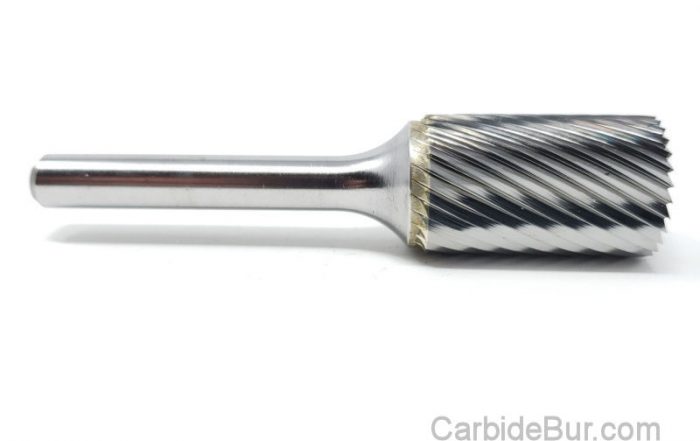
How to Deburr Holes With a Carbide Burr
How to Deburr Holes With a Carbide Burr Most people think any tool will do for deburring holes. The truth is, using the right carbide burr with the correct size and shape changes everything. In [...]
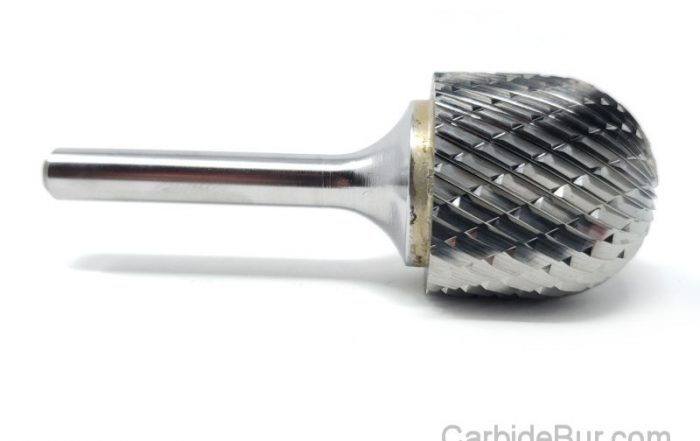
How to Choose the Correct Carbide Burr Shank Size
How to Choose the Correct Carbide Burr Shank Size Many machinists lose hours troubleshooting tool issues caused by the wrong carbide burr shank size. Using a shank that doesn’t fit your grinder can lead to [...]
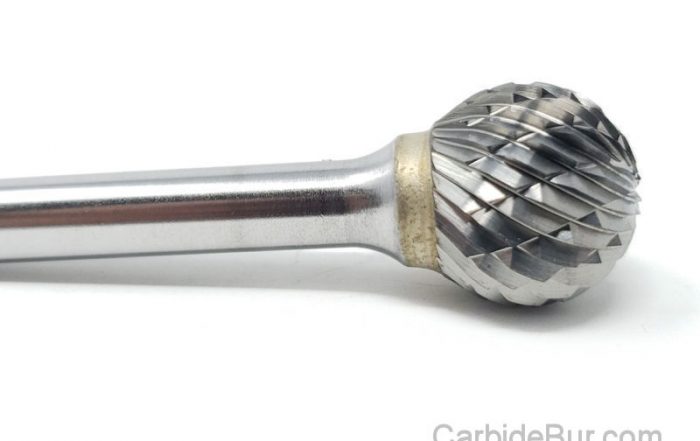
How to Remove Casting Flash With a Carbide Burr
How to Remove Casting Flash With a Carbide Burr Casting flash ruins the look and fit of your metal parts. You’ve tried sanding or grinding, but the results aren’t clean or fast enough. Learning how [...]
Best Carbide Burr for Enlarging a Hole in Metal
Best Carbide Burr for Enlarging a Hole in Metal When you need to enlarge a hole in metal, grabbing the wrong carbide burr can turn a simple task into a frustrating mess. Picking the best [...]
Carbide Burr Safety: 15 Mistakes That Can Cause Injury or Damage
Carbide Burr Safety: 15 Mistakes That Can Cause Injury or Damage Carbide burr safety is often overlooked until a costly mistake happens. Many metalworkers and DIYers make the same errors that lead to injuries or [...]
Can You Use a Carbide Burr in a Drill?
Can You Use a Carbide Burr in a Drill? Most people think a standard drill can’t handle a carbide burr, but that’s not true. Using carbide burr in the right drill can speed up your [...]
Carbide Burrs for Removing Rust: What Works Best?
Carbide Burrs for Removing Rust: What Works Best? Rust can turn your favorite tools into useless junk faster than you expect. Removing it without ruining the metal underneath takes more than just elbow grease—it demands [...]
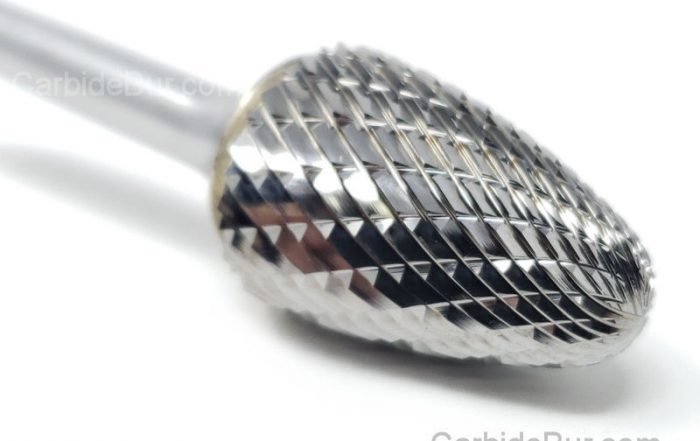
How Much Pressure Should You Use With a Carbide Burr?
How Much Pressure Should You Use With a Carbide Burr? Most people think pressing harder with a carbide burr speeds up the job. That’s not true—too much pressure wears out your tool and ruins the [...]
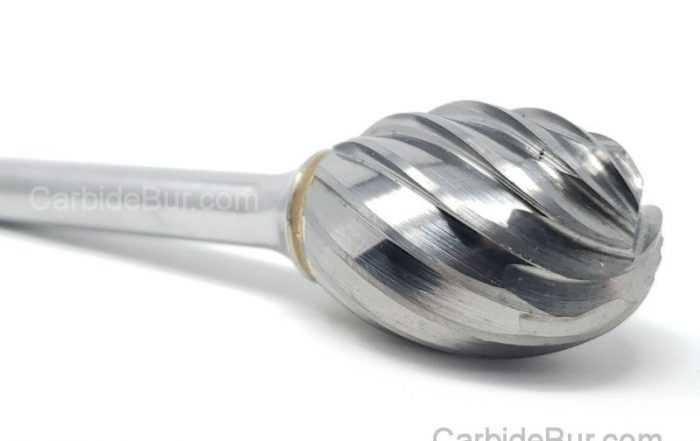
Can You Use Carbide Burrs With an Air Die Grinder?
Can You Use Carbide Burrs With an Air Die Grinder? Most people don’t realize how well carbide burrs work with air die grinders until they try them. If you’ve ever struggled with finding the right [...]
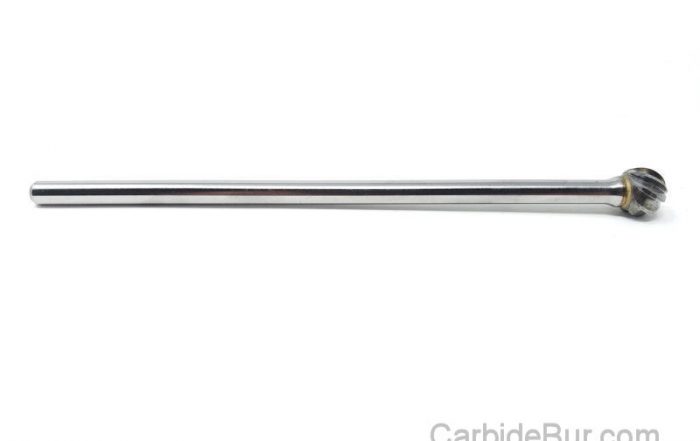
Best Long Reach Carbide Burr for Deep Metal Work
Best Long Reach Carbide Burr for Deep Metal Work Long reach carbide burrs often promise deep metal access, but many fall short where it counts most. You need a tool that cuts cleanly, lasts through [...]
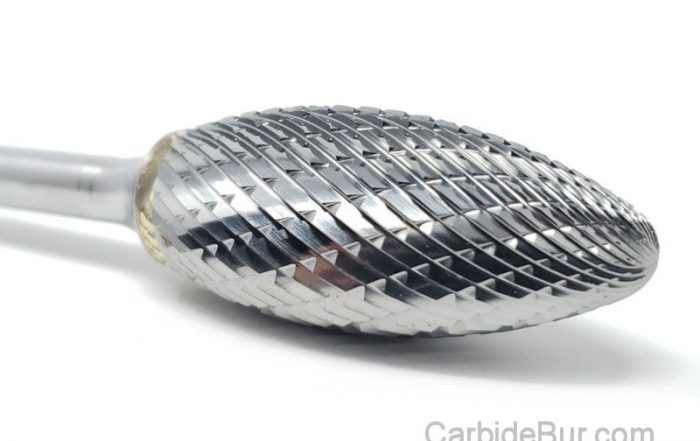
What RPM Should You Use for a 1/8 Inch Carbide Burr?
What RPM Should You Use for a 1/8 Inch Carbide Burr? Most people guess the right carbide burr RPM by feel—and waste hours redoing work. If you want cleaner cuts and longer tool life, your [...]
