
A Beginner’s Guide – How To Select The Best Carbide Bur Tools For Metalworking
This guide will equip you with the crucial knowledge needed to select the best carbide bur tools for your metalworking projects. Understanding the different types, shapes, and sizes of carbide burs can greatly enhance your efficiency and precision. As you explore your options, you’ll learn to identify the specific tools that best match your requirements. By the end of this post, you’ll be empowered to make informed decisions that will lead to superior results in your metalworking endeavors.
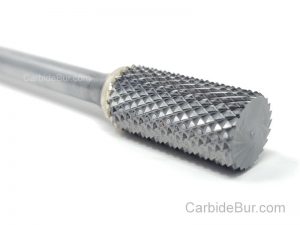
Find more carbide bur die grinder tool bits here
Decoding Your Metalworking Needs
Diving into metalworking demands an understanding of your specific needs. Identifying both the materials you work with and the requirements of your projects will directly influence your choice of carbide bur tools. Each application carries its own unique challenges that a well-selected tool can navigate efficiently, streamlining processes and ensuring precision. Taking the time to decode these elements will lead to a more productive and satisfying metalworking experience.
Identifying the Materials You Work With
The materials you encounter are foundational in determining the type of carbide bur you should use. For instance, working with softer materials such as aluminum or brass might require different bur profiles compared to harder ones like steel or titanium. Knowing these characteristics helps you choose the right bur that can handle the material’s properties without causing undue wear or disappointing results.
Understanding Your Project Requirements
Your project requirements heavily influence tool selection, encompassing factors such as desired detail, depth of cut, and milling technique. For example, if you’re fabricating intricate components with tight tolerances, you’ll need a bur with finer cutting edges. Conversely, if rough shaping is your goal, a bur with a more aggressive profile could be more suitable. Tailoring your selection to these specifics ensures that the tools you choose will meet both the demands of the project and your overall workflow efficiency.
In projects where speed is paramount, opting for high-performance carbide burs designed for rapid material removal can significantly enhance your productivity. If precision is key, consider burs with smaller diameters or specialized designs that allow for detailed work without chipping or fracturing the material. Evaluating your project needs thoroughly will pave the way for a successful and efficient metalworking process, allowing you to utilize your carbide bur tools to their fullest potential.
The Anatomy of a Carbide Bur Tool
Understanding the components of a carbide bur tool is imperative for making an informed choice. Typically, these tools consist of a shank, cutting head, and flutes. The shank is what fits into your tool’s collet or chuck, while the cutting head is designed with sharp edges to execute various tasks like shaping, grinding, or carving. Flutes serve multiple purposes including chip removal and controlling the depth of cut. By recognizing these key elements, you can better assess which carbide bur is best suited to your projects.
Key Features That Define Quality
Several characteristics mark high-quality carbide bur tools that can maximize performance and durability. Pay attention to the following key features:
- Material composition (high-grade tungsten carbide)
- Flute design for efficient chip removal
- Coating for added durability and reduced friction
- Precision in cut for superior finishing
- Variety of shapes and sizes for versatility
Assume that investing in quality tools will not only enhance your metalworking results but also extend the lifespan of your equipment.
Varieties and Their Specific Uses
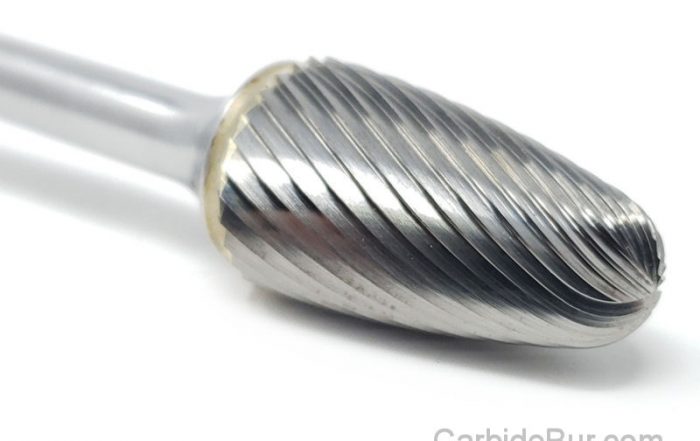
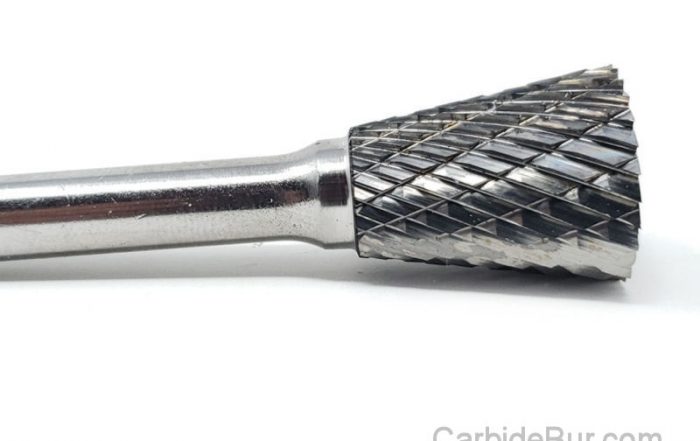
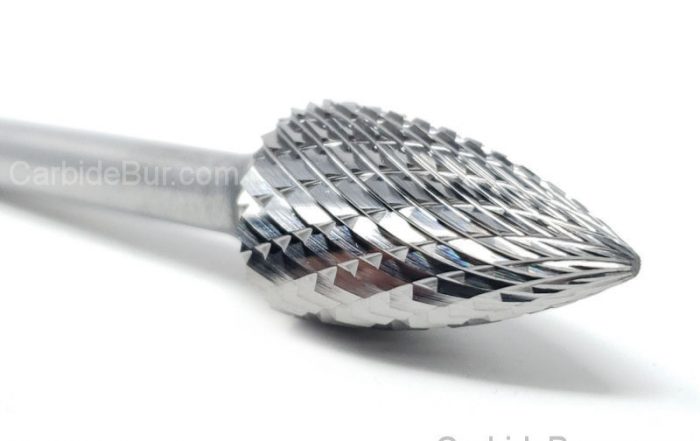
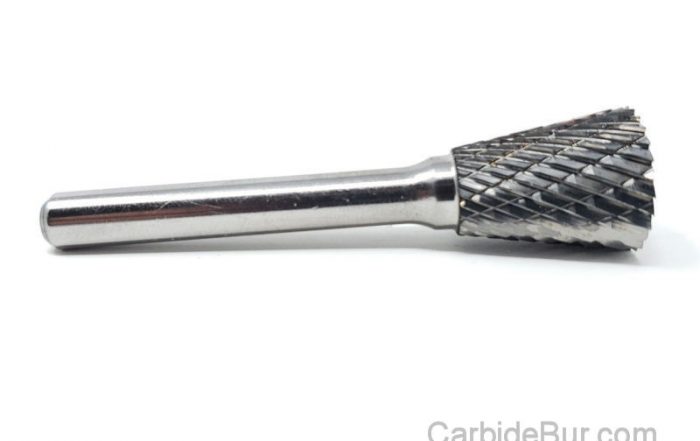
Certain carbide bur types are optimized for specific applications. For instance, ball-shaped burs excel in carving out concave shapes and hollow areas, while cylindrical burs are perfect for the tasks of smoothing and refining flat surfaces. Tapered burs can navigate tight spaces, making them ideal for detail work in intricate designs. Additionally, flame-shaped burs are especially useful in achieving a rounded finish. By selecting the appropriate type of bur for your project requirements, you ensure effective execution, ultimately enhancing your overall productivity.
Find more carbide bur die grinder tool bits here
Performance Metrics: Why They Matter
Evaluating performance metrics helps you select carbide bur tools that align with your specific metalworking tasks. Focus on cutting efficiency, durability, and overall longevity to ensure that your tools deliver optimal results and withstand the rigors of your projects. These factors ultimately affect your productivity, project timelines, and material costs, making them crucial considerations in your decision-making process.
Assessing Cutting Efficiency
Cutting efficiency refers to how effectively a carbide bur removes material while minimizing wear and tear. Selecting tools that excel in this area can significantly reduce processing time, allowing you to achieve smoother finishes and quicker results. Look for tools designed with optimized tooth geometry that enhances the cutting action, specifically aiming for designs that suit the type of metal you’re working with.
Evaluating Durability and Longevity
Durability and longevity indicate how well your tools perform over time under consistent use. High-quality carbide bur tools should withstand heat and pressure without degrading, contributing to reduced downtime and replacement costs. Pay attention to manufacturer warranties and user reviews that speak to the lifespan of the tool in real-world applications. A higher initial investment in durable tools often pays off through longer service periods.
A tool’s durability largely depends on the material composition and manufacturing processes used. Carbide bur tools fabricated with high-grade carbide or cobalt alloys are generally more resilient, resisting chipping and wear. For instance, some manufacturers offer micro-grain carbide variants that provide increased hardness and wear resistance, ideal for the demanding environments of metalworking. Researching these aspects allows you to make informed decisions, ensuring your investment translates into successful, long-term performance on your projects.
Navigating the Market: Where to Buy
Finding the right carbide bur tools requires knowing where to shop. Options range from local hardware stores to specialized online retailers. Online platforms such as Amazon and industrial supply websites offer extensive selections, while brick-and-mortar shops allow you to assess the quality firsthand. Your choice should depend on convenience, product availability, and price comparisons to get the best deals possible.
Comparing Brands and Prices
| Brand A | $10 per tool |
| Brand B | $15 per tool |
| Brand C | $12 per tool |
| Brand D | $8 per tool |
Recognizing Trusted Retailers vs. Generic Options
Trusted retailers often have recognizable brand partnerships and favorable customer reviews, which speak volumes about their quality assurance. Generic options may come at lower prices, but they can compromise on durability and performance, making it crucial to weigh quality against cost. Turn to retailers known for their solid reputations in the industry to ensure you’re making a worthwhile investment.
Brands like DEWALT or Dremel are established names within the industry, often linked to consistent quality and customer satisfaction. On the other hand, generic tools may draw you in with lower price tags but can lead to frustration down the line due to subpar performance. Always opt for retailers that clearly state product specifications, have clear return policies, and exhibit thorough customer support. This ensures you’re not only getting what you pay for but also helps avoid the risks associated with lesser-known brands.
Common Pitfalls in Selection
Many beginners encounter pitfalls when selecting carbide bur tools, which can hinder their metalworking projects. A lack of understanding of tool specifications and applications often leads to poor choices, frustrating experiences, and wasted resources. Familiarizing yourself with common mistakes can help you avoid them.
Avoiding Mismatches: Size and Shape Issues
Selecting the wrong size or shape of carbide bur can lead to inefficiencies or even damage to your workpiece. Each project requires specific tool dimensions, and using a bur that does not fit your application can cause excessive wear or poor finish quality. Always ensure that you match the bur’s profile to the task at hand—whether it’s for intricate detailing or rapid material removal.
The Dangers of Compromising on Quality
Opting for cheap, low-quality carbide bur tools may save you money initially but can result in long-term costs due to failures and inefficiencies. Tools that break easily or wear down quickly demand frequent replacements, disrupting workflow and increasing expenses. In contrast, investing in higher-quality carbide burs, despite the upfront costs, can enhance your productivity and yield superior results, helping you to achieve precision and durability in your metalworking tasks.
For example, reputable brands often guarantee higher tolerances and consistency in their manufacturing processes, leading to smoother operations and longer service life. A high-quality bur can maintain its cutting edge longer, require less pressure during use, and produce cleaner finishes. By compromising on quality, you risk not only tool performance but also the potential for damage to your projects, causing a ripple effect of setbacks and additional costs that far exceed any initial savings.
To wrap up
The process of selecting the best carbide bur tools for your metalworking tasks can significantly impact your project’s efficiency and accuracy. By evaluating factors such as material, size, shape, and grit, you can ensure that your chosen tools align with your specific needs. Taking the time to invest in quality carbide bur tools will enhance your work and lead to more successful results in your metalworking endeavors.
Find more carbide bur die grinder tool bits here

Can You Use a Carbide Burr With an Electric Die Grinder?
Can You Use a Carbide Burr With an Electric Die Grinder? Most people don’t realize how much a carbide burr can change the way an electric die grinder works. Using the right burr type can [...]
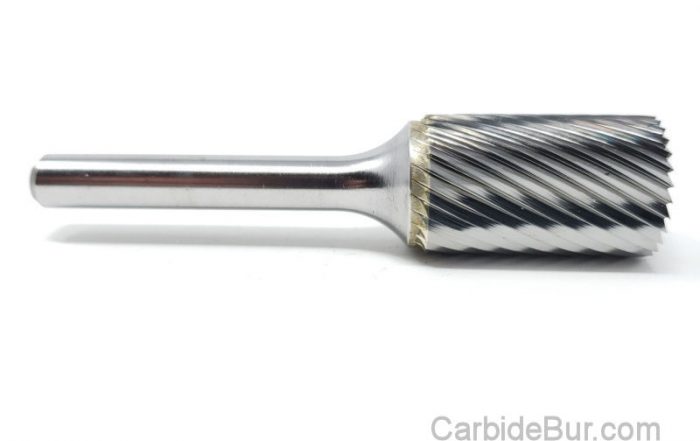
How to Deburr Holes With a Carbide Burr
How to Deburr Holes With a Carbide Burr Most people think any tool will do for deburring holes. The truth is, using the right carbide burr with the correct size and shape changes everything. In [...]
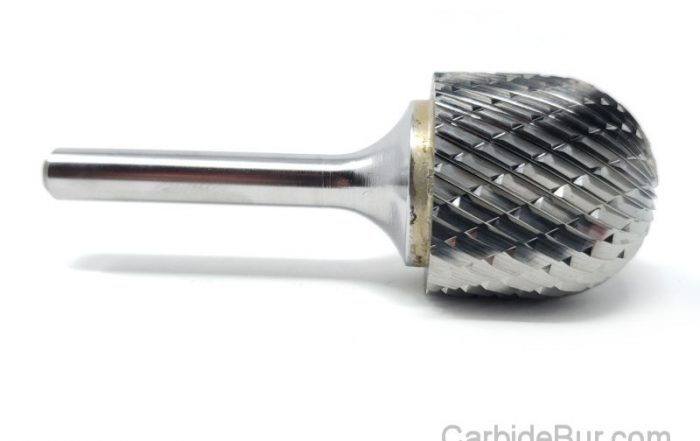
How to Choose the Correct Carbide Burr Shank Size
How to Choose the Correct Carbide Burr Shank Size Many machinists lose hours troubleshooting tool issues caused by the wrong carbide burr shank size. Using a shank that doesn’t fit your grinder can lead to [...]
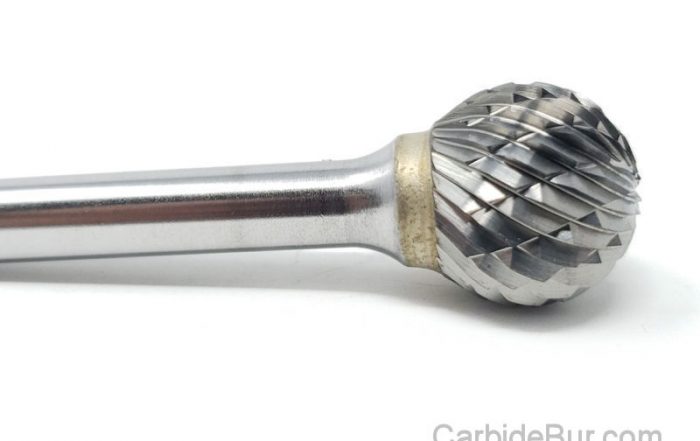
How to Remove Casting Flash With a Carbide Burr
How to Remove Casting Flash With a Carbide Burr Casting flash ruins the look and fit of your metal parts. You’ve tried sanding or grinding, but the results aren’t clean or fast enough. Learning how [...]
Best Carbide Burr for Enlarging a Hole in Metal
Best Carbide Burr for Enlarging a Hole in Metal When you need to enlarge a hole in metal, grabbing the wrong carbide burr can turn a simple task into a frustrating mess. Picking the best [...]
Carbide Burr Safety: 15 Mistakes That Can Cause Injury or Damage
Carbide Burr Safety: 15 Mistakes That Can Cause Injury or Damage Carbide burr safety is often overlooked until a costly mistake happens. Many metalworkers and DIYers make the same errors that lead to injuries or [...]
Can You Use a Carbide Burr in a Drill?
Can You Use a Carbide Burr in a Drill? Most people think a standard drill can’t handle a carbide burr, but that’s not true. Using carbide burr in the right drill can speed up your [...]
Carbide Burrs for Removing Rust: What Works Best?
Carbide Burrs for Removing Rust: What Works Best? Rust can turn your favorite tools into useless junk faster than you expect. Removing it without ruining the metal underneath takes more than just elbow grease—it demands [...]
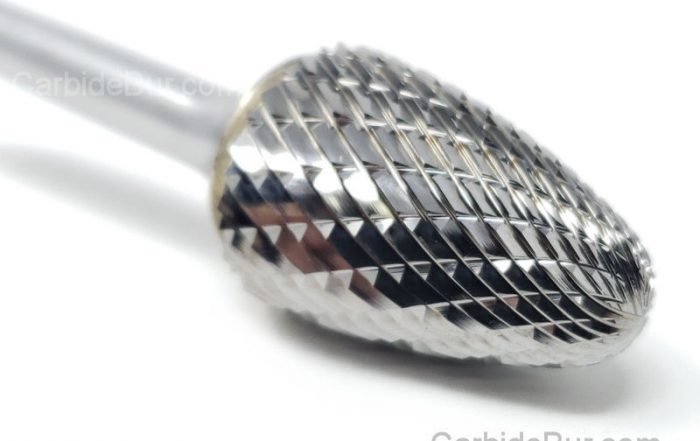
How Much Pressure Should You Use With a Carbide Burr?
How Much Pressure Should You Use With a Carbide Burr? Most people think pressing harder with a carbide burr speeds up the job. That’s not true—too much pressure wears out your tool and ruins the [...]
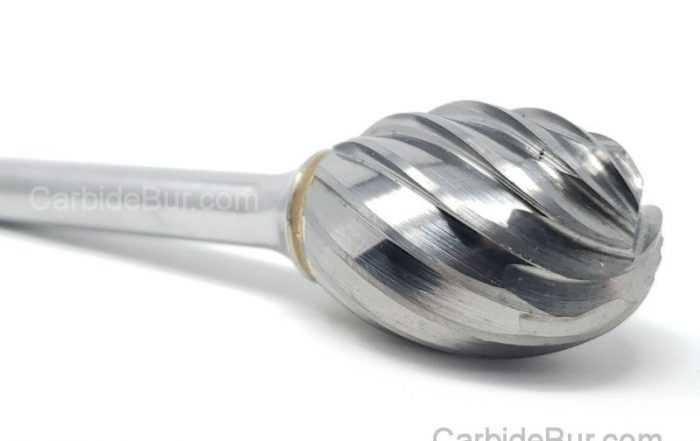
Can You Use Carbide Burrs With an Air Die Grinder?
Can You Use Carbide Burrs With an Air Die Grinder? Most people don’t realize how well carbide burrs work with air die grinders until they try them. If you’ve ever struggled with finding the right [...]
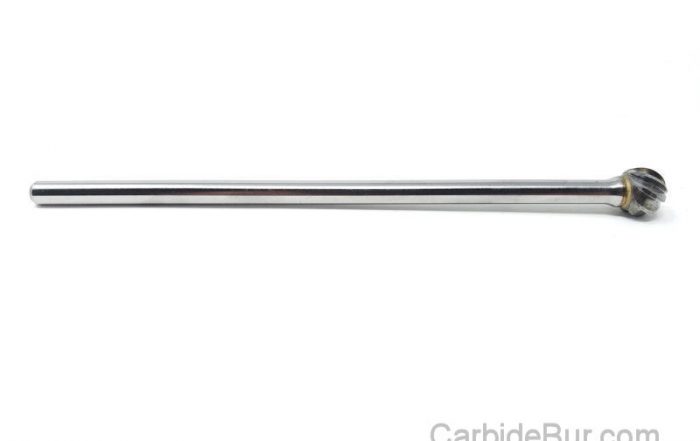
Best Long Reach Carbide Burr for Deep Metal Work
Best Long Reach Carbide Burr for Deep Metal Work Long reach carbide burrs often promise deep metal access, but many fall short where it counts most. You need a tool that cuts cleanly, lasts through [...]
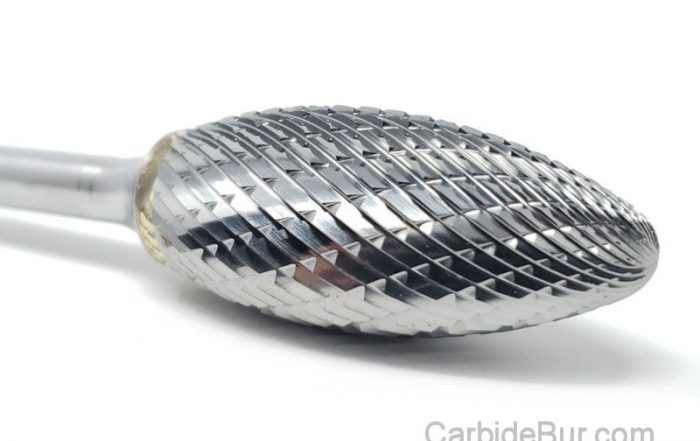
What RPM Should You Use for a 1/8 Inch Carbide Burr?
What RPM Should You Use for a 1/8 Inch Carbide Burr? Most people guess the right carbide burr RPM by feel—and waste hours redoing work. If you want cleaner cuts and longer tool life, your [...]
