
Home Mechanic Tips: Master Cylinder Head Porting with Affordable Kits
Most home mechanics spend hours sanding and scraping cylinder heads with little to show for it. You know that precise porting can boost engine performance, but professional tools often break the bank. This guide introduces a budget porting kit packed with carbide burs and essential automotive tools to help you achieve expert results without overspending. Get ready to take your DIY cylinder head porting skills to the next level. Learn more about porting kits here.
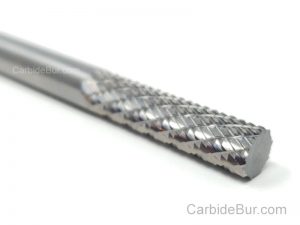
Have you checked out our selection of Carbide Bur Tools?
Building a Budget Porting Kit
Creating a budget-friendly porting kit is your gateway to better engine performance. Let’s start by identifying the tools you’ll need to get started.
Essential Automotive Tools
To begin, ensure you have a reliable set of wrenches and screwdrivers. These basic tools are crucial for disassembling and reassembling engine parts. Another must-have is a die grinder. Specifically, an electric or pneumatic one will serve you well. They are indispensable for porting tasks, allowing for precise work on the cylinder head. Don’t forget about safety gear. Goggles, gloves, and ear protection are mandatory to keep you safe during the process.
Next, consider investing in a sturdy workbench. A stable surface is essential for maintaining control over your projects. Additionally, a light source like a portable lamp can make a difference in spotting fine details. These tools lay the groundwork for effective porting, ensuring you have the right equipment to start.
Selecting the Right Carbide Burs
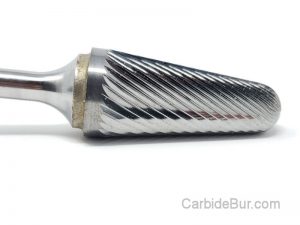
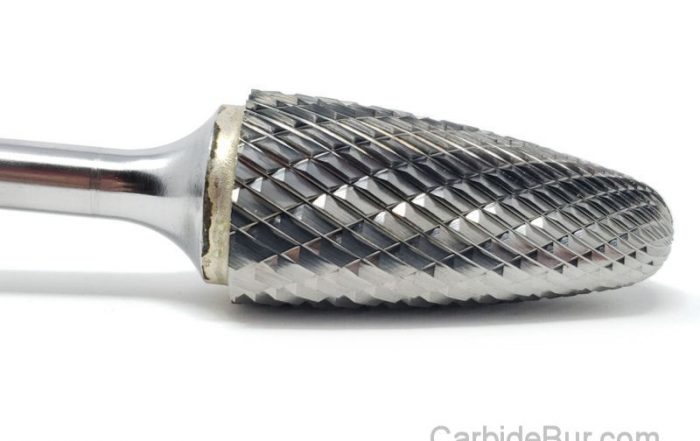
Choosing the correct carbide burs is critical for successful porting. Burs come in various shapes and sizes, and each serves a unique purpose. Flame-shaped burs are excellent for tapered areas, while cylindrical burs work well on flat surfaces. Having a diverse set will equip you for different tasks. Check out this carbide bur set for a comprehensive option.
Quality matters, too. Look for burs made from durable materials to withstand the demands of metalworking. Choosing the best burs might seem trivial, but it significantly impacts your work’s precision and finish quality. Keep this in mind as you build your kit.
Assembling Your DIY Cylinder Head Porting Kit
Now, it’s time to assemble your kit. Begin by organizing your tools and ensuring everything is within reach. Use a toolbox or organizer to keep items sorted. This setup helps maintain focus and efficiency during projects.
Consider your work environment. A clean, well-lit area minimizes distractions and errors. Also, ensure your tools are stored securely when not in use. Proper organization and preparation are key to a smooth workflow and preventing tool loss.
Mastering Cylinder Head Porting
With your kit ready, it’s time to explore cylinder head porting tactics. These tips will guide you toward achieving great results.
Home Mechanic Tips for Success
Success begins with understanding the basics. Start by studying your engine’s design. Most people dive in without proper research, but knowledge is power. Recognize how airflow affects performance and what changes can enhance it.
Always measure twice, cut once. This old saying holds true in porting. Double-check your measurements to avoid costly mistakes. Additionally, work patiently. Rushing through the process can lead to errors and uneven surfaces. Remember, precision is your friend.
Step-by-Step Porting Guide
-
Disassemble the engine: Carefully remove the cylinder head.
-
Clean the area: Use a degreaser for a spotless surface.
-
Mark the ports: Use a marker to outline the areas to be ported.
-
Begin grinding: Start with a rough carbide bur and gradually move to finer ones.
-
Check progress: Regularly inspect your work to ensure accuracy.
Following these steps will streamline your work and help you avoid common pitfalls. Each step is crucial for optimal performance.
Achieving Professional-Level Results
To achieve professional results, focus on consistency and attention to detail. Ensure each port is smooth and even. Explore online forums like this one on Reddit for real-world insights from fellow mechanics.
Testing is also vital. Once porting is complete, reassemble the engine and run tests to gauge improvements. The longer you wait, the more you delay experiencing the benefits of your hard work.
Safety and Maintenance
As you wrap up your porting project, it’s important to consider safety and tool maintenance.
Proper Tool Care and Storage
Maintaining your tools is crucial for longevity. After each use, clean your carbide burs with a brush to remove debris. Store them in a dry place to prevent rust. Regular maintenance ensures your tools remain in top condition, ready for future projects.
Invest in protective cases for your more delicate tools. Keeping them in a secure place prevents accidents and prolongs their life. Proper care is often overlooked, but it’s essential for long-term success.
Safety Equipment for Home Mechanics
Safety is paramount. Equip yourself with goggles to shield your eyes from metal shavings. Gloves protect your hands from sharp edges, while ear protection guards against noise. These items are not optional—they’re essential for a safe working environment.
Accidents happen, but with the right precautions, you can minimize risks. By incorporating these safety measures, you ensure a safe and efficient workflow, letting you focus on honing your porting skills.
Find more information at CarbideBur.com
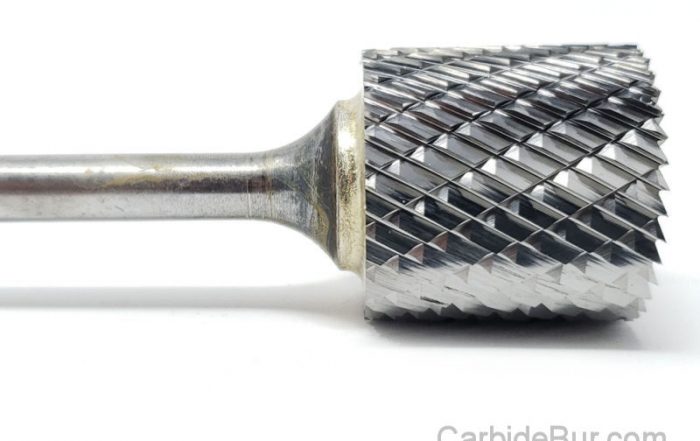
Can Carbide Burrs Cut Through Welds?
Can Carbide Burrs Cut Through Welds? Cutting through welds can feel like a battle, especially when you need clean results without harming the base metal. Carbide burrs offer a sharp edge in this fight, but [...]
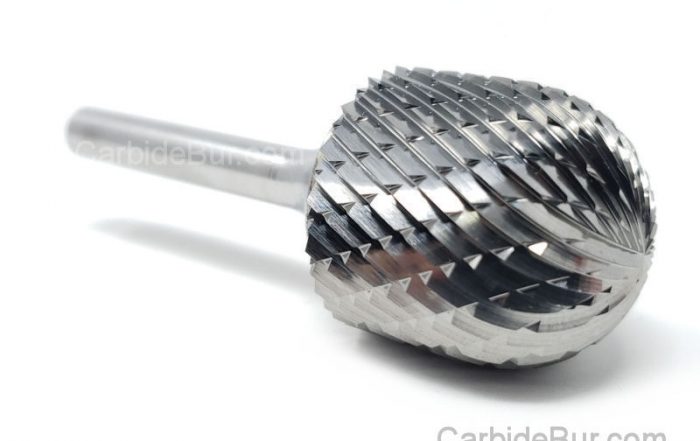
How to Use a Carbide Burr With a Die Grinder
How to Use a Carbide Burr With a Die Grinder Most people treat a carbide burr like just another tool, but using it with a die grinder takes skill. If you’ve struggled with burr installation [...]
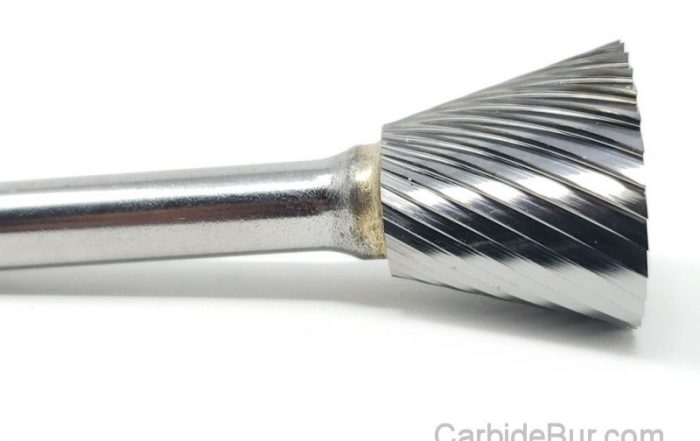
1/8 vs 1/4 Inch Carbide Burrs: What’s the Difference?
1/8 vs 1/4 Inch Carbide Burrs: What's the Difference? Choosing between a 1/8 inch carbide burr and a 1/4 inch carbide burr can change how your project turns out. Many machinists and hobbyists overlook how [...]
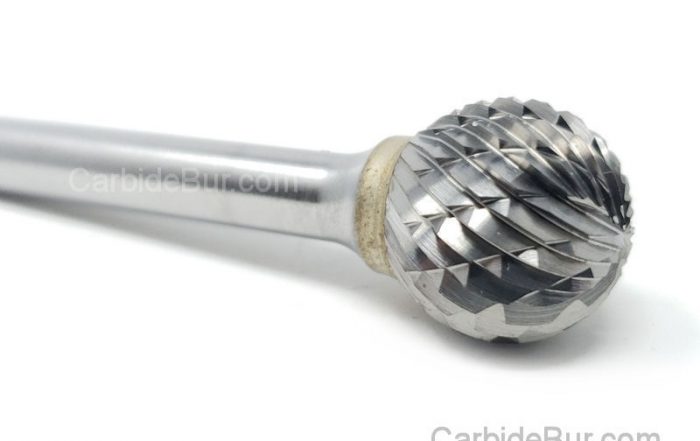
Best Carbide Burr for Removing Flash From Castings
Best Carbide Burr for Removing Flash From Castings Removing flash from castings is a task that can slow down your entire metalworking process if you don’t have the right tools. Picking the best carbide burr [...]
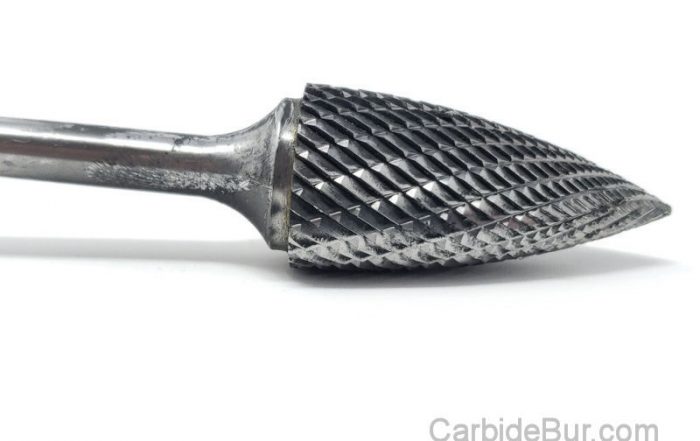
What RPM Should You Use for a 1/4 Inch Carbide Burr?
What RPM Should You Use for a 1/4 Inch Carbide Burr? Most machinists guess the right speed for a 1/4 inch carbide burr and hope for the best. Using the wrong carbide burr RPM can [...]
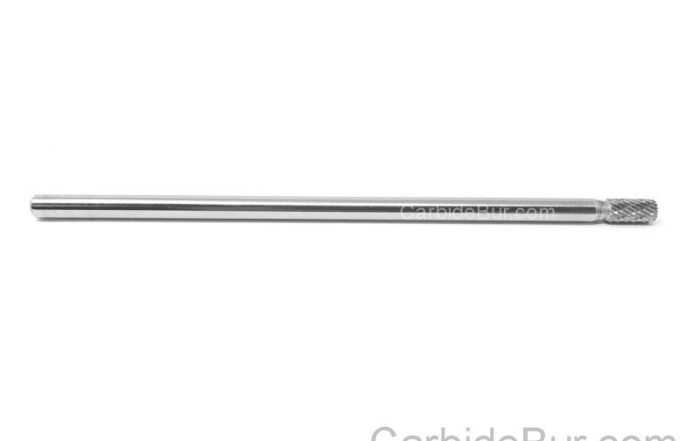
Long Shank Carbide Burrs: When Do You Need One?
Long Shank Carbide Burrs: When Do You Need One? Most machinists overlook the power of long shank carbide burrs until a project demands precision in tight spaces. When your usual tools can’t reach intricate contours, [...]
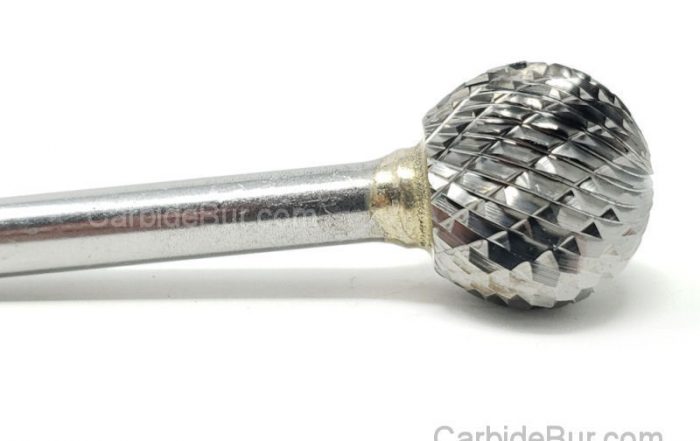
How Deep Can a Carbide Burr Cut Metal?
How Deep Can a Carbide Burr Cut Metal? Carbide burrs often get praised for their precision, but many users hit a wall wondering how deep they can actually cut metal. The truth is, cutting depth [...]
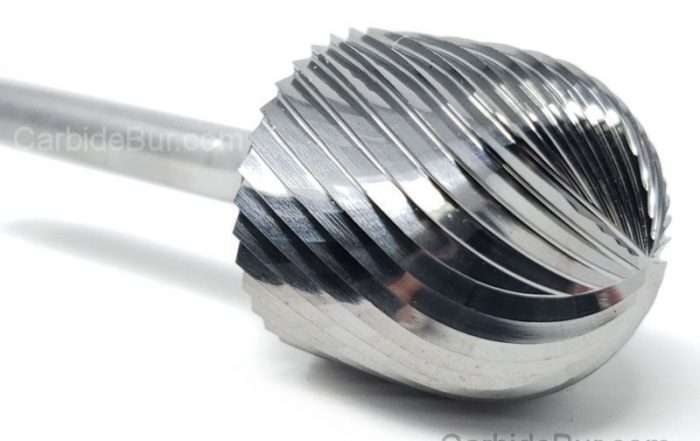
How to Use Carbide Burrs for Port Matching
How to Use Carbide Burrs for Port Matching Most engine builds hit a wall when airflow doesn’t flow smoothly between the ports and manifolds. If your engine isn’t breathing right, your performance stalls. Using the [...]
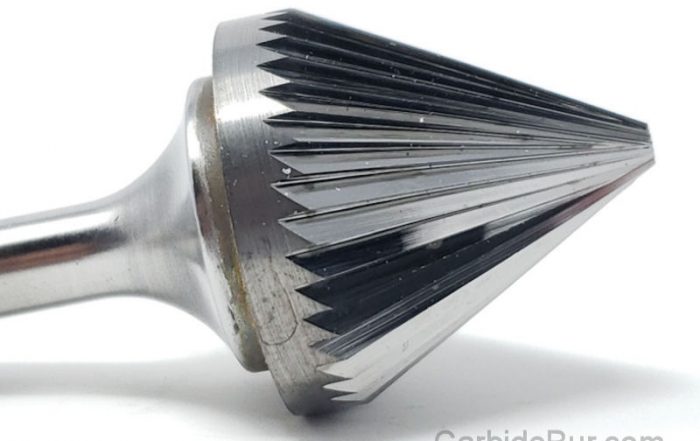
Best Carbide Burr for Porting Intake Manifolds
Best Carbide Burr for Porting Intake Manifolds Porting intake manifolds can make or break your engine’s airflow, yet many struggle with the right tools for the job. Choosing the best carbide burrs is key to [...]
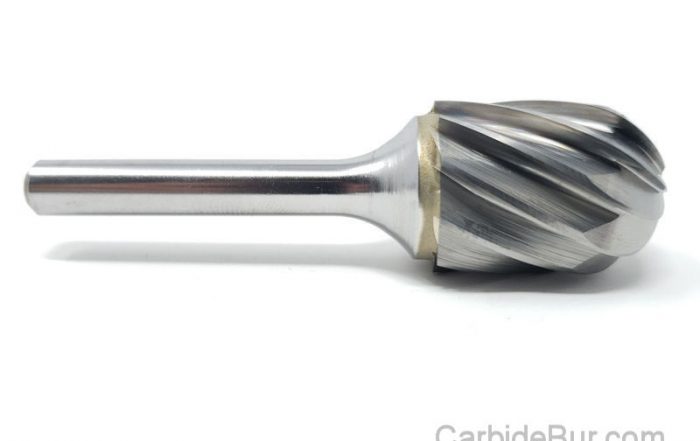
Best Carbide Burr for Concave Surfaces
Best Carbide Burr for Concave Surfaces Concave surfaces can turn a straightforward project into a frustrating challenge if you don’t have the right tool. Carbide burrs designed for these tricky curves make all the difference [...]
How to Grind a Slot in Metal With a Carbide Burr
How to Grind a Slot in Metal With a Carbide Burr Grinding a precise slot in metal can feel like a tricky task, especially if you’re unsure which tools to trust. Carbide burr grinding offers [...]

Best Carbide Burr for Inside Corners
Best Carbide Burr for Inside Corners Working in tight inside corners can turn even simple projects into frustrating tasks. Many carbide burrs just don’t fit or cut cleanly where you need them most. The best [...]
