
Elevate Your Craftsmanship: Overcome Frequent Welding Mistakes with Carbide Burs
Welding mistakes with carbide burs can silently drain your project’s quality and cut your tool’s lifespan short. Using the wrong speed settings or angle of attack often causes more damage than you realize. In this post, you’ll find clear tips on avoiding these common errors so your carbide burs stay sharp and your work hits the mark every time. For more insights, check out this guide on avoiding common mistakes with carbide burs.
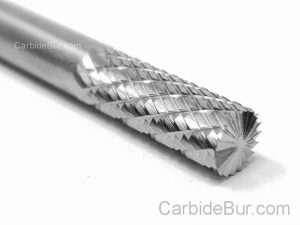
Which carbide bur tools do you use the most?
Common Welding Mistakes
Understanding frequent welding errors is key to improving your workmanship. Let’s dive into the common pitfalls.
Improper Speed Settings
The speed of your tool matters. Too fast or too slow, and you’re asking for trouble. The right speed ensures smooth cuts and a clean finish.
-
Tools running at incorrect speeds often lead to overheating.
-
Overheating can wear out your carbide burs quickly.
Finding the sweet spot for speed is crucial. Many think a faster speed will save time, but this usually leads to more issues. Get familiar with your tool’s manuals to understand the optimal speed range. For more tips, explore this resource on speed settings.
Incorrect Angle of Attack
Your approach angle affects the quality of your work. Many welders overlook this, leading to inefficient cuts.
-
A wrong angle can cause skips and gouges on the surface.
-
This not only affects the finish but also wears down the tool.
Most believe a direct approach is best, but a slight tilt often achieves better results. Adjusting the angle even slightly can improve your outcomes. Get more guidance on angle techniques here.
Inadequate Tool Maintenance
Neglecting maintenance is a silent tool killer. Proper care can extend the life of your carbide burs.
-
Regular cleaning prevents material buildup.
-
Storage in a moisture-free environment avoids rust.
Many welders think routine cleaning isn’t necessary, but a few minutes of upkeep can save hours of frustration. Discover maintenance tips at this site.
Enhancing Tool Effectiveness
Now, let’s focus on improving your tool usage and getting the most from your carbide burs.
Speed Adjustment Tips
Adjusting speed isn’t just about tweaking settings; it’s an art. Knowing when to slow down or speed up can make all the difference.
-
Start slow to get a feel for the material.
-
Gradually increase speed, watching for signs of stress.
Remember, adjusting speed isn’t about rushing. It’s about letting the tool do the work efficiently. For further insights, refer back to our previous section on speed settings.
Correct Angle Techniques
Your angle affects precision. A small change can lead to significant improvements.
-
Aim for a 15-30 degree angle for most tasks.
-
Adjust based on material hardness.
Many dismiss angle adjustments as minor, but they’re a game-changer. Practicing these small tweaks will enhance your workflow.
Maintenance Best Practices
Consistent maintenance can extend your tool’s life and performance.
-
Clean after every use.
-
Check for wear and tear regularly.
Most neglect this step, thinking it’ll save time. In reality, it prevents costly replacements. Embrace a maintenance routine for long-term benefits.
Achieving Project Success
With improved tool handling, you’re on the path to project success. Let’s see how these efforts pay off.
Extending Tool Lifespan
Proper use and care mean fewer replacements.
-
Consistent maintenance leads to greater longevity.
-
You’ll save money on replacements.
Many believe new tools are always the answer. However, maintaining what you have is more cost-effective.
Improving Welding Efficiency
Efficiency isn’t just about speed; it’s about precision.
-
With the right techniques, work is completed faster.
-
Quality results come with fewer errors.
It’s a common misbelief that faster is always better. In reality, accuracy brings efficiency.
Delivering Superior Results
Superior outcomes set your work apart.
-
Attention to detail results in flawless finishes.
-
Happy clients mean more business.
Many think perfection is unattainable. But with the right approach, superior results are within reach.
By avoiding common mistakes and refining your techniques, you can elevate your craftsmanship to new heights. Embrace these practices and watch your projects flourish.
Follow us on Twitter

Return to CarbideBur.com
Carbide Burs – 1/4″ on 1/8″ Shanks – Accessories – Aluminum Cut – Bur Sets – End Mills – Long Shank – Solid Burs
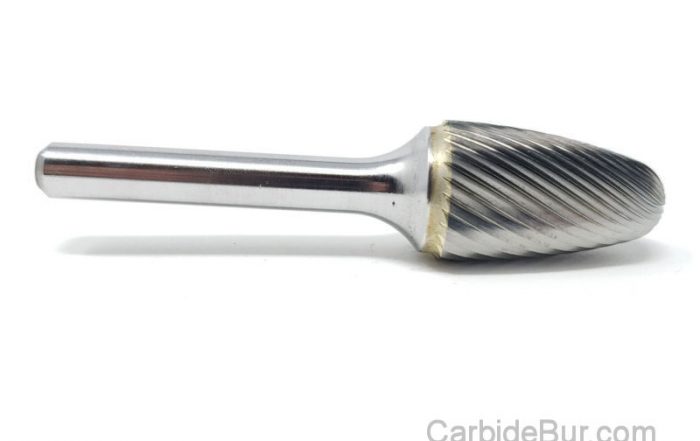
How to Grind a Groove in Metal With a Carbide Burr
How to Grind a Groove in Metal With a Carbide Burr Most metalworkers struggle to cut clean grooves without wasting time or ruining their workpiece. Many try different metalworking tools but end up with uneven [...]
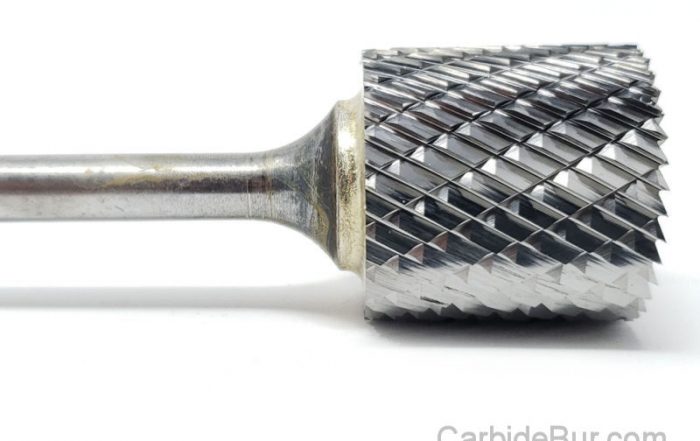
Can Carbide Burrs Cut Through Welds?
Can Carbide Burrs Cut Through Welds? Cutting through welds can feel like a battle, especially when you need clean results without harming the base metal. Carbide burrs offer a sharp edge in this fight, but [...]
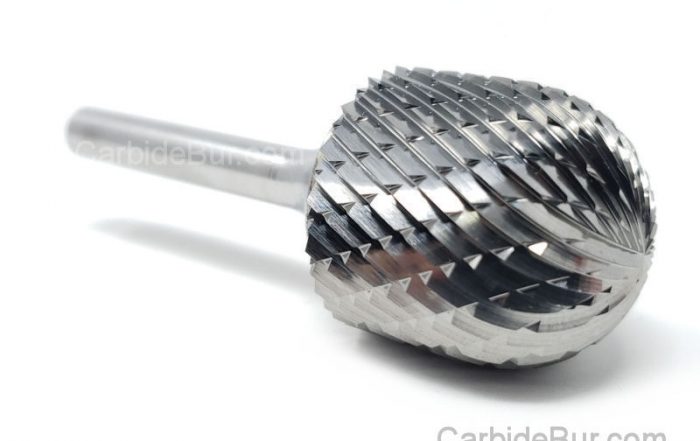
How to Use a Carbide Burr With a Die Grinder
How to Use a Carbide Burr With a Die Grinder Most people treat a carbide burr like just another tool, but using it with a die grinder takes skill. If you’ve struggled with burr installation [...]
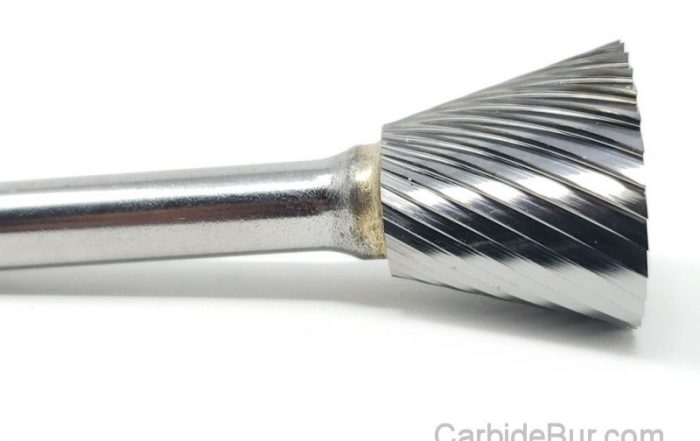
1/8 vs 1/4 Inch Carbide Burrs: What’s the Difference?
1/8 vs 1/4 Inch Carbide Burrs: What's the Difference? Choosing between a 1/8 inch carbide burr and a 1/4 inch carbide burr can change how your project turns out. Many machinists and hobbyists overlook how [...]
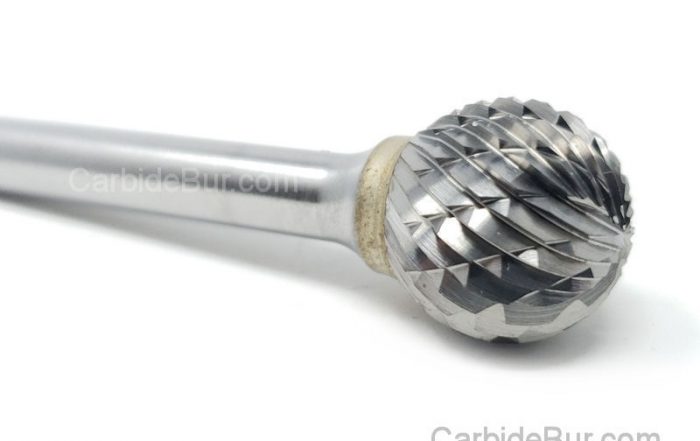
Best Carbide Burr for Removing Flash From Castings
Best Carbide Burr for Removing Flash From Castings Removing flash from castings is a task that can slow down your entire metalworking process if you don’t have the right tools. Picking the best carbide burr [...]
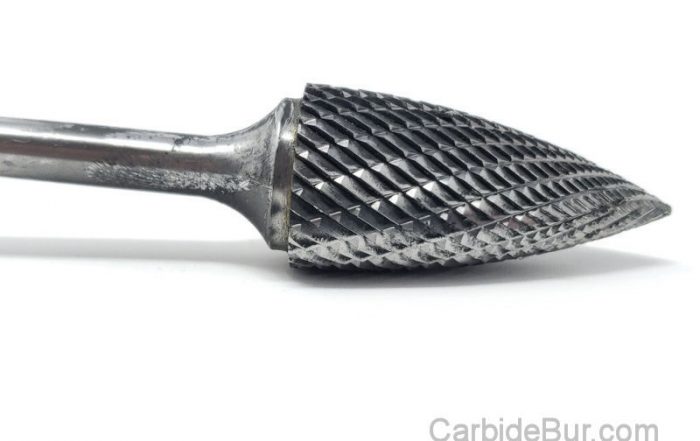
What RPM Should You Use for a 1/4 Inch Carbide Burr?
What RPM Should You Use for a 1/4 Inch Carbide Burr? Most machinists guess the right speed for a 1/4 inch carbide burr and hope for the best. Using the wrong carbide burr RPM can [...]
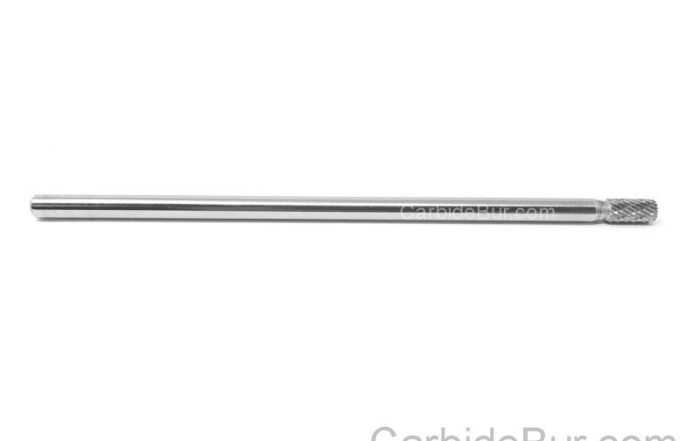
Long Shank Carbide Burrs: When Do You Need One?
Long Shank Carbide Burrs: When Do You Need One? Most machinists overlook the power of long shank carbide burrs until a project demands precision in tight spaces. When your usual tools can’t reach intricate contours, [...]
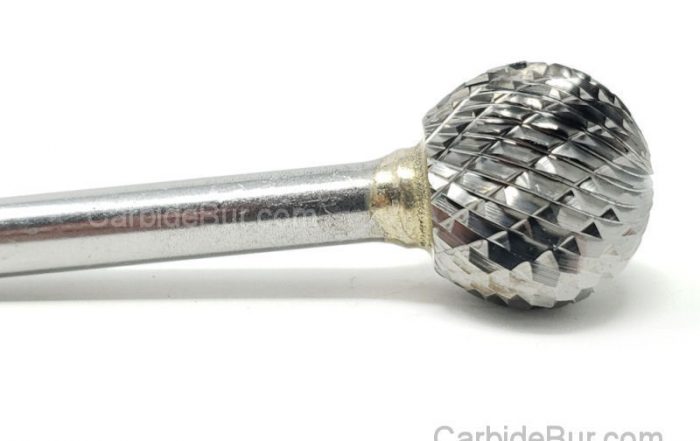
How Deep Can a Carbide Burr Cut Metal?
How Deep Can a Carbide Burr Cut Metal? Carbide burrs often get praised for their precision, but many users hit a wall wondering how deep they can actually cut metal. The truth is, cutting depth [...]
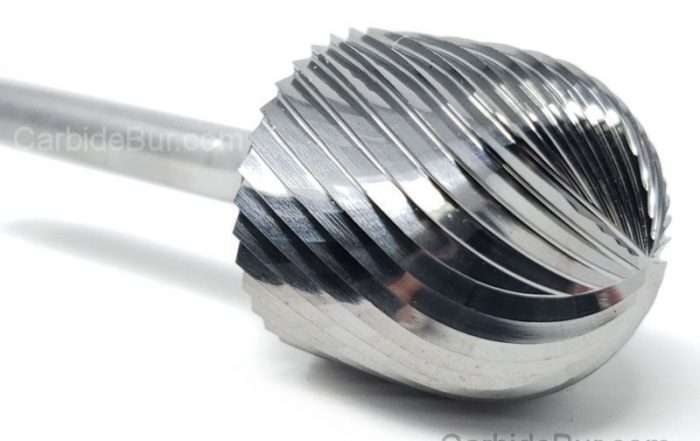
How to Use Carbide Burrs for Port Matching
How to Use Carbide Burrs for Port Matching Most engine builds hit a wall when airflow doesn’t flow smoothly between the ports and manifolds. If your engine isn’t breathing right, your performance stalls. Using the [...]
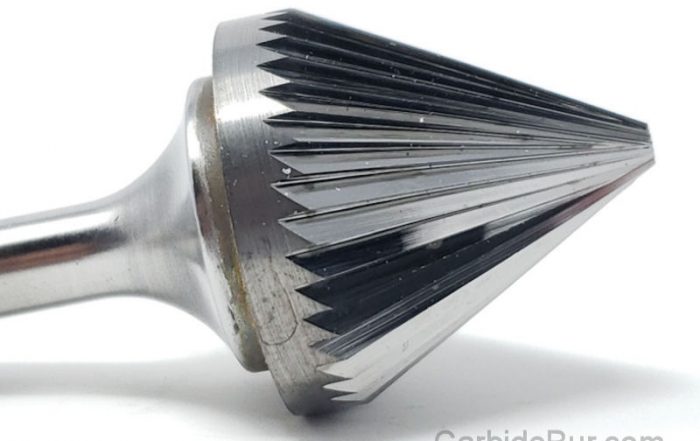
Best Carbide Burr for Porting Intake Manifolds
Best Carbide Burr for Porting Intake Manifolds Porting intake manifolds can make or break your engine’s airflow, yet many struggle with the right tools for the job. Choosing the best carbide burrs is key to [...]
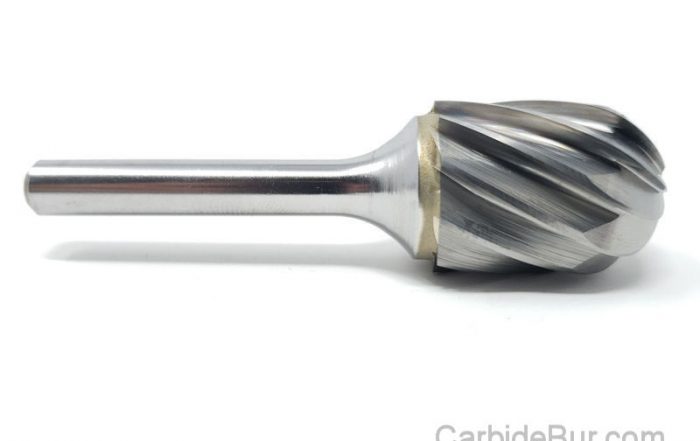
Best Carbide Burr for Concave Surfaces
Best Carbide Burr for Concave Surfaces Concave surfaces can turn a straightforward project into a frustrating challenge if you don’t have the right tool. Carbide burrs designed for these tricky curves make all the difference [...]
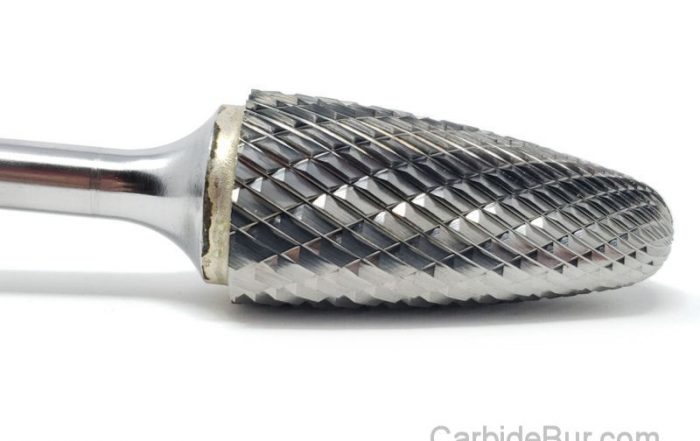
How to Grind a Slot in Metal With a Carbide Burr
How to Grind a Slot in Metal With a Carbide Burr Grinding a precise slot in metal can feel like a tricky task, especially if you’re unsure which tools to trust. Carbide burr grinding offers [...]
