Precision Carving with Carbide Burrs: How to Get the Best Performance from Your Dremel
Most people assume any carbide burr fits their Dremel without issue. The truth is, understanding the 1/8-inch shank size and speed limits can save you time and frustration. This guide will show you how to get the best performance from your Dremel by choosing the right carbide burrs and using them safely for precision carving and material removal. For more information on compatible accessories, check out this link.

Have you seen our selection of carbide bur tools?
Understanding Carbide Burrs
Getting the best performance from your Dremel starts with knowing the tools you use. Carbide burrs are crucial for achieving the precision and efficiency you need in your projects.
What Are Carbide Burrs?
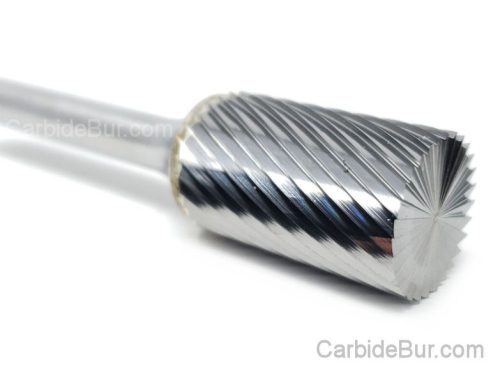
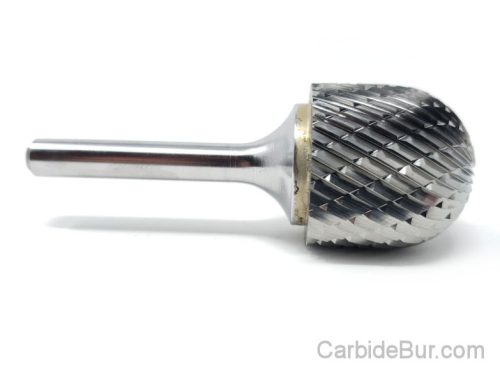
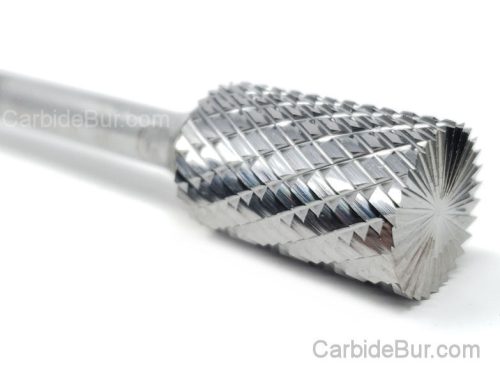
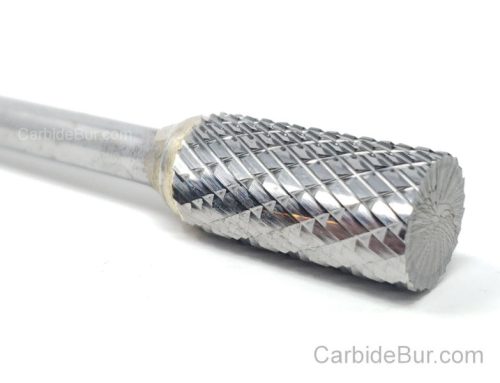
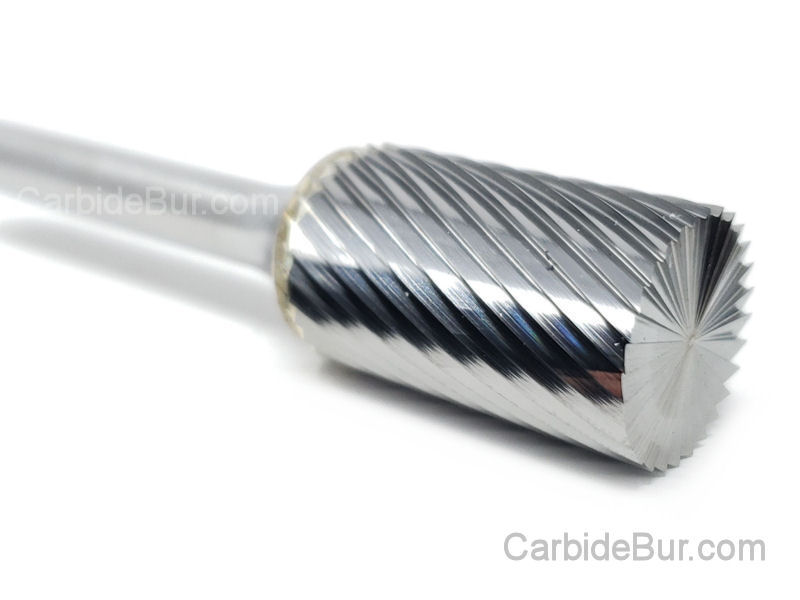
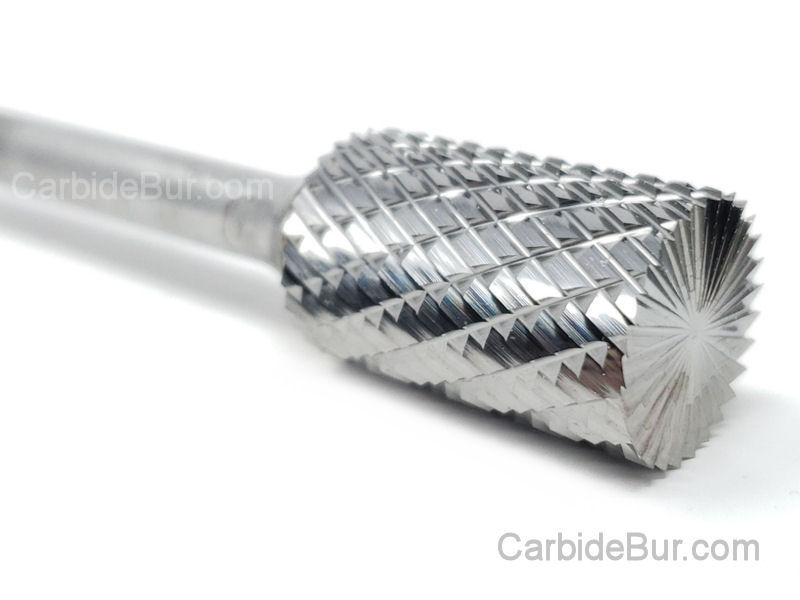
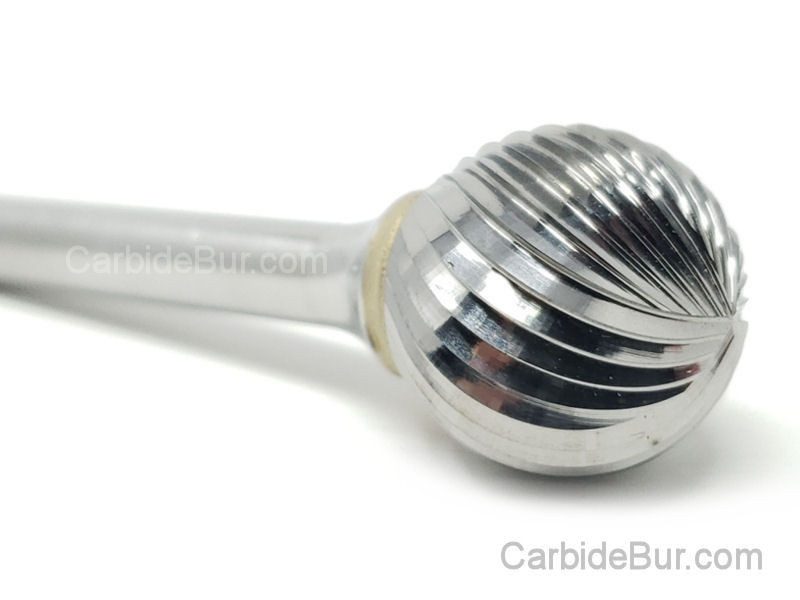
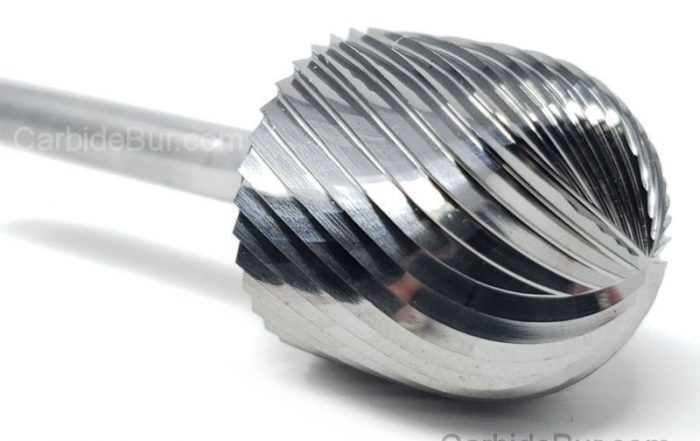
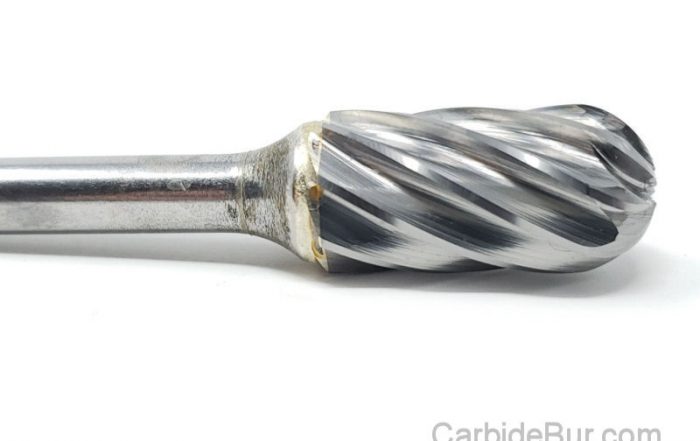
Carbide burrs are small tools used for cutting, shaping, grinding, and removing material. Often made from tungsten carbide, they are known for their ability to withstand high speeds and maintain sharpness over time. These burrs come in different shapes, including cylindrical and spherical, to suit various applications. When you select the right shape and size, these tools can significantly enhance your DIY projects.
Key Features of Carbide Burrs
Carbide burrs are hard and durable, which makes them perfect for a variety of tasks. They can work on metals, wood, plastics, and even some stones. One of their standout features is the ability to retain sharpness, allowing for precise and clean cuts. Most burrs have a double-cut design, providing a smoother finish and improved control over the material you are working on. This feature is particularly beneficial for those looking to achieve a high-quality finish on intricate projects.
Benefits of Using Carbide Burrs
One of the greatest advantages of carbide burrs is their durability. They stay sharp longer than other materials, which means fewer tool changes and more time spent on tasks. They are also versatile: you can use them for everything from detailed carving to extensive material removal. This versatility means fewer tools are needed in your kit, saving space and money. By using carbide burrs, you ensure that your projects are both efficient and professional-looking.
Dremel Tool Compatibility
Now that you’re familiar with carbide burrs, it’s crucial to understand how they fit into your Dremel setup. Compatibility is key to ensuring smooth operation and safety.
The 1/8-Inch Shank
The 1/8-inch shank size is standard in the world of Dremel tools and carbide burrs. This size ensures a secure fit within the Dremel collet, providing stability during high-speed operations. When the shank fits snugly, you minimize the risk of wobbling, which can lead to uneven cuts or damage to your workpiece. Always double-check that your burrs have the correct shank size to match your Dremel for optimal performance.
Speed Limits for Safe Use
Knowing the speed limits for your tools is critical for safety and effectiveness. Carbide burrs work best at high speeds, often up to 25,000 RPM. However, exceeding the recommended speed can cause the burr to overheat or break. It’s crucial to adjust your Dremel’s speed settings according to the material you are working on. For softer materials, lower speeds are preferable, while harder materials may require higher speeds. Always refer to your tool’s manual for specific speed guidance.
Ensuring Proper Fit and Function
Ensuring that your burrs are properly installed is essential for both safety and precision. Start by inserting the burr into the Dremel collet, then tighten the collet nut securely. Give the burr a slight pull to confirm it’s firmly in place. This step prevents accidental dislodging during use. Regularly inspect the burrs for wear and tear, and replace them as needed to maintain optimal functionality. By keeping your tools in top condition, you secure consistent performance and long-term reliability.
Precision Carving Techniques
Precision carving takes practice and the right techniques. Here’s how you can improve your skills using carbide burrs with your Dremel.
Tips for Precision Carving
Precision carving starts with a steady hand and a clear vision of your design. Use light pressure to guide the burr over your material in small, controlled strokes. Begin with a rough outline of your design, then gradually refine the details. Using proper lighting and magnification can enhance your accuracy. Remember, patience is essential: rushing can lead to mistakes or inconsistencies in your work.
Best Projects for Carbide Burrs
Carbide burrs excel in projects that require intricate detailing. They are ideal for wood carving, creating sculptures, and designing custom jewelry. For metalworkers, these burrs are perfect for engraving designs on metal surfaces. Whether you are crafting a detailed wooden figure or engraving a metal trinket, these tools provide the precision needed to bring your ideas to life. Explore a variety of projects to see where these burrs can make a difference in your work.
Crafting Techniques for DIY Enthusiasts
For DIY enthusiasts, mastering crafting techniques is a rewarding journey. Begin by experimenting with different shapes and sizes of burrs to discover the effects they create. Practice on scrap materials before moving on to your main project. This practice helps build confidence and skill. Engage with online communities or watch tutorials to pick up new tricks and insights from fellow crafters. The continuous learning process will enhance your skills over time.
Enhancing Material Removal
Sometimes you need to remove material quickly and efficiently. Carbide burrs can help you achieve this with ease.
Effective Material Removal Strategies
Effective material removal requires the right approach and the right tools. Start by selecting a burr with a shape that matches the area you need to work on. Use consistent, moderate pressure to guide the burr, allowing it to do the work without forcing it. Maintaining a steady hand will help prevent over-removal and keep the finished product looking smooth. Regularly cleaning the burrs during use can prevent clogging and maintain their cutting efficiency.
Projects for Efficient Material Removal
Projects like wood shaping, metal deburring, and glass etching benefit from efficient material removal. When working on a wood project, you might need to remove excess material to refine the shape before detailing. In metalworking, deburring edges ensures a finished product that is safe to handle. Glass etching can transform ordinary glass pieces into decorative items. Choosing the right burr for each material ensures efficient work and a high-quality result.
Safety Tips for Material Removal
Safety should always be your top priority when using power tools. Wear protective gear such as goggles and gloves to safeguard against flying debris and sharp edges. Always work in a well-ventilated area to avoid inhaling dust particles. Secure your workpiece to prevent it from moving during the process. Lastly, keep your workspace organized to avoid accidents and ensure you have easy access to all necessary tools and materials.
Maximizing Your DIY Experience
To get the most from your DIY projects, choosing the right tools and maintaining them is crucial.
Choosing the Right Carbide Burr
Selecting the appropriate carbide burr for your project can make a difference. Consider the material and the detail required: for intricate work, a smaller burr may be suitable, while larger burrs are better for extensive material removal. Look for burrs with a double-cut design for smoother finishes. It’s worth investing in a variety of shapes to cover a range of applications. This selection ensures you’re always ready for any project that comes your way.
Maintaining Your Dremel and Burrs
Regular maintenance prolongs the life of your tools. Clean your burrs after each use to remove any debris. Check for signs of wear and replace them when necessary. Ensure your Dremel tool is also well-maintained by keeping it clean and checking for any loose parts. Regular lubrication of moving parts can prevent wear and ensure smooth operation. Taking care of your tools guarantees they are always ready when you need them.
Expanding Your Crafting Toolkit
Expanding your toolkit opens up more possibilities for creativity. Consider adding specialized burrs for unique tasks or experimenting with new materials. Attend workshops or join online forums to discover new tools and techniques. By continuously expanding your knowledge and toolkit, you stay at the forefront of your crafting game. The more tools and skills you have at your disposal, the more projects you can tackle with confidence.
Frequently Asked Questions
What size shank is standard for Dremel tools?
The standard shank size for Dremel tools is 1/8-inch. This size ensures compatibility with a wide range of accessories, providing a secure fit for safe and effective operation.
How do I maintain carbide burrs?
To maintain carbide burrs, clean them after each use to remove debris. Inspect for wear and replace them as needed. Proper care will extend their lifespan and keep them performing optimally.
What are common projects for carbide burrs?
Carbide burrs are commonly used for wood carving, metal engraving, and creating detailed designs in materials like plastic and glass. They are versatile tools for any DIY enthusiast.
How can I prevent overheating during use?
To prevent overheating, ensure your Dremel is set to the appropriate speed for your material. Avoid applying excessive pressure and allow the burr to do the work. Taking breaks can also help manage temperature.
Are carbide burrs suitable for beginners?
Yes, carbide burrs are suitable for beginners. They are easy to use and versatile, making them an excellent choice for those new to crafting and DIY projects. Start with simple tasks to build confidence.
Have you seen our selection of carbide bur tools?
Looking for Carbide Bur Tools?
Check out our entire selection of USA made carbide bur die grinder tool bits
Follow us on Twitter

Return to CarbideBur.com
Carbide Burs – 1/4″ on 1/8″ Shanks – Accessories – Aluminum Cut – Bur Sets – End Mills – Long Shank – Solid Burs
Precision Carving with Carbide Burrs: How to Get the Best Performance from Your Dremel
Precision Carving with Carbide Burrs: How to Get the Best Performance from Your Dremel Most people assume any carbide burr fits their Dremel without issue. The truth is, understanding the 1/8-inch shank size and speed [...]
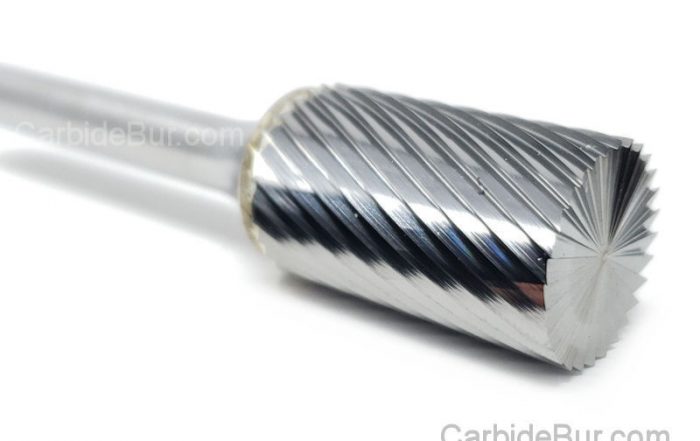
Unlocking the Secrets of Burr Shape Optimization for Aluminum
Unlocking the Secrets of Burr Shape Optimization for Aluminum Carbide burrs clogging during aluminum cutting can bring your project to a frustrating halt. You’ve seen how the soft, chip-forming nature of aluminum turns your tools [...]
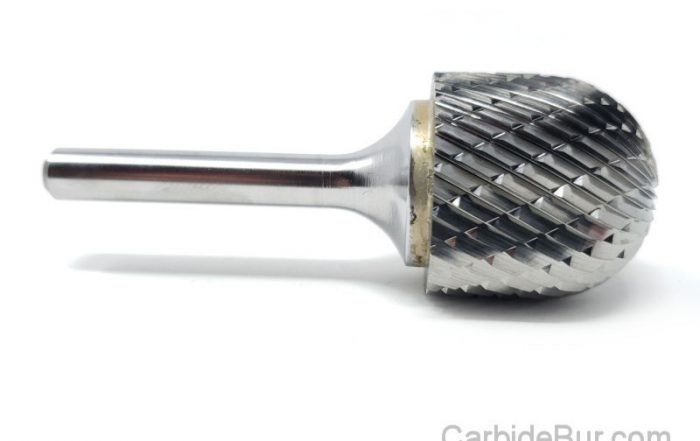
Enhance Your Metalworking Skills: Top Benefits of Long-Reach Carbide Burrs
Enhance Your Metalworking Skills: Top Benefits of Long-Reach Carbide Burrs Grinding tight spots often feels impossible with standard tools. You waste time twisting and turning, trying to reach every corner without scratching your work. Long-reach [...]
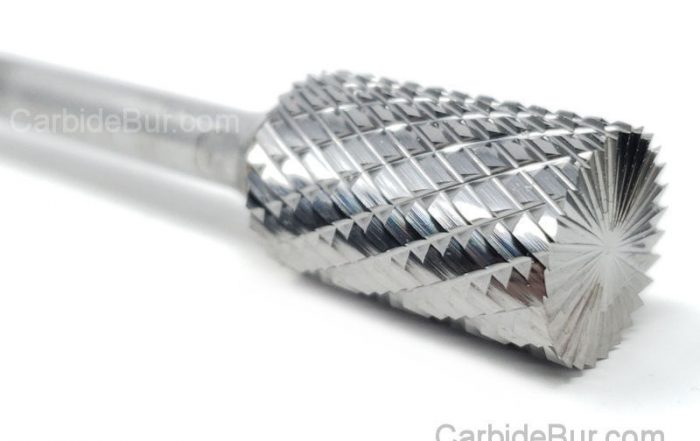
Comparing Electric and Pneumatic Die Grinders with Carbide Burrs
Power and Precision: Comparing Electric and Pneumatic Die Grinders with Carbide Burrs Choosing the right die grinder for your carbide burrs can feel like a maze. Electric die grinders promise power at your fingertips, while [...]
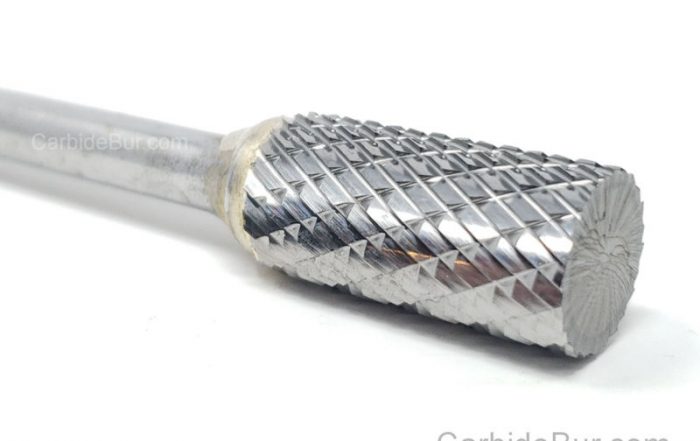
The Top Tools Driving the Future of Aerospace Machining
The Top Tools Driving the Future of Aerospace Machining The demand for aerospace machining has surged, pushing manufacturers to deliver high-precision metal parts faster than ever. Meeting tight standards while cutting lead times in aerospace [...]
Mastering Carbide Burrs for Enhanced Engine Performance
Beginner's Guide to Engine Porting: Mastering Carbide Burrs for Enhanced Engine Performance Most beginners think engine porting is just about grinding metal. The truth is, mastering carbide burrs can change how air moves through your [...]
Unveiling the Secrets of Burr Cutting Efficiency: Double-Cut or Single-Cut?
Unveiling the Secrets of Burr Cutting Efficiency: Double-Cut or Single-Cut? Most metalworkers hit a wall choosing between double-cut carbide burrs and single-cut carbide burrs. Picking the wrong one can slow your work or wear your [...]
How Specialized Carbide Burrs Are Revolutionizing Aluminum Fabrication for Cleaner Cuts
How Specialized Carbide Burrs Are Revolutionizing Aluminum Fabrication for Cleaner Cuts Most aluminum fabricators still wrestle with rough edges and extra cleanup after machining. Those extra steps cost you time and eat into your profits. [...]
U.S. Manufacturing Reshoring: The Role of Domestic Tool Suppliers in 2026
U.S. Manufacturing Reshoring: The Role of Domestic Tool Suppliers in 2026 U.S. manufacturing is shifting closer to home faster than many expected. By 2026, reshoring trends are reshaping how supply chains function, with domestic tool [...]
From Casting Flash to Weld Blending: Essential Techniques for 2026
From Casting Flash to Weld Blending: Essential Techniques for 2026 Forget the old ways of finishing parts in automotive production. As electric vehicles and autonomous vehicle production grow, the need for precise deburring processes and [...]
Understanding the Surge in Cutting Tool Costs and Effective Waste Reduction in Machining
Understanding the Surge in Cutting Tool Costs and Effective Waste Reduction in Machining Cutting tool costs have jumped noticeably in recent years, squeezing machine shop budgets tighter than ever. Raw material scarcity and supply chain [...]
Choosing the Right Carbide Burr Shape for Your Metalworking Projects
Choosing the Right Carbide Burr Shape for Your Metalworking Projects You might think all carbide burr shapes do the same job, but that’s far from true. Choosing the wrong shape can waste time and leave [...]