
Enhance Your Craftsmanship: The Benefits of Using a Carbide Bur with Climb Milling Techniques
Most machinists still feed against the rotation of their carbide bur, battling chatter and rough edges. This common method wears down tools faster and leaves finishes far from smooth. Switching to climb milling with your die grinder flips that script, giving you cleaner cuts, better control, and less kickback. In this post, you’ll learn how this simple shift can protect your tools and sharpen the quality of your craftsmanship.
Looking for Carbide Bur Tools?
Check out our entire selection of USA made carbide bur die grinder tool bits
Understanding Climb Milling
Switching to climb milling can transform how you work with your materials. Let’s explore the fundamentals and benefits of this approach.
Basics of Climb Milling
Climb milling involves feeding your tool in the same direction as the rotation. This method allows the cutter to engage the material smoothly. Instead of fighting against the rotation, it glides along, reducing resistance. The result? Cleaner cuts and longer-lasting tools.
Key Advantages for Machinists
By adopting climb milling, you gain several advantages:
-
Reduced Chatter: Less resistance means less vibration.
-
Improved Tool Life: Tools last longer when not subjected to harsh conditions.
-
Smoother Finishes: Achieve a professional look with minimal effort.
Most machinists find that the positive impact on their work is immediate. If you’ve been struggling with rough edges, this method might just be your new best friend.
Overcoming Common Misconceptions
Some believe climb milling is only for advanced users. In reality, anyone can learn it with a bit of practice. It’s not about skill level but understanding the basic principle. Once you get it, you’ll see why it’s favored by professionals worldwide. For further insights, check out this community discussion.
Carbide Bur Essentials
Now that you’re familiar with climb milling, let’s delve into why carbide burs are your perfect ally in this technique.
Why Choose a Carbide Bur?
Carbide burs are known for their strength and durability. They can handle tough materials without dulling quickly. When paired with climb milling, they deliver exceptional results:
-
Sharpness: Maintains edge longer.
-
Versatility: Suitable for various materials.
-
Reliability: Consistent performance.
Choosing a carbide bur means investing in quality that pays off over time. Learn more from Carbide Bur.
Compatibility with Die Grinders
Carbide burs work seamlessly with die grinders. This combo offers unmatched precision and control. The die grinder’s speed complements the bur’s cutting ability, making them a dynamic duo. When used correctly, they reduce chatter and ensure a smooth operation.
Enhancing Tool Durability
With climb milling, your tools face less stress. This longevity is further enhanced by using carbide burs. Regular maintenance becomes simpler, as wear and tear are minimized. Consider your tools an investment; the right techniques and materials protect that investment.
Mastering Die Grinder Techniques
Understanding how to use your die grinder efficiently is key to unlocking its full potential.
Achieving Smoother Cuts
For smoother cuts, keep your movements steady. Avoid rushing through the process. Consistency in speed and pressure ensures even results. Remember, letting the tool do the work is crucial.
Reducing Chatter and Vibration
Chatter can be a nuisance. To combat it, ensure your setup is stable. Loose parts can lead to unwanted vibrations. Regular checks and adjustments make a big difference. The longer you wait, the more persistent the issue becomes.
Controlling Tool Movement
Tool control is about finesse. Light touches go a long way. Practice makes perfect, so spend time getting a feel for your grinder. As you gain confidence, your movements will become more precise, enhancing your craftsmanship.
Achieving a Cleaner Finish
Moving from rough edges to polished perfection takes technique and patience.
Techniques for Quality Craftsmanship
Focus on steady, even strokes. Picture the finish you want and work systematically towards it. Visualizing the outcome helps in maintaining focus. Every pass should inch you closer to that perfect finish.
Balancing Speed and Precision
Speed is not always your friend. Fast cuts can lead to mistakes. Instead, balance your pace with precision. A slower approach often yields better results, as you can correct errors as they arise.
Tool Damage Prevention Strategies
Preventing tool damage is about being proactive. Regular maintenance checks keep your equipment in top shape. Clean your tools after each session to remove debris and prevent buildup. This small effort can save you from larger issues down the line.
Consistent Machining Process
Achieving consistency in your work is the hallmark of a skilled machinist.
Steps to Superior Results
-
Plan: Know your material and approach.
-
Prepare: Set up tools and workspace.
-
Execute: Apply techniques with confidence.
Following these steps ensures a consistent output every time.
Promoting Consistent Quality
Quality doesn’t happen by accident. It requires attention and care. By sticking to proven methods, you can replicate success. Make consistency your goal and watch your projects improve.
Building Confidence in Craftsmanship
Confidence grows with each successful project. As you refine your skills, take pride in your achievements. Remember, every expert was once a beginner. Embrace the journey and keep pushing your boundaries.
By mastering climb milling and utilizing the right tools, you can dramatically improve your results. Implement these strategies today and elevate your craftsmanship to new heights.
Looking for Carbide Bur Tools?
Check out our entire selection of USA made carbide bur die grinder tool bits
Follow us on Twitter

Return to CarbideBur.com
Carbide Burs – 1/4″ on 1/8″ Shanks – Accessories – Aluminum Cut – Bur Sets – End Mills – Long Shank – Solid Burs
Carbide Burr RPM Guide: How Fast Should You Run a Carbide Burr?
Carbide Burr RPM Guide: How Fast Should You Run a Carbide Burr? Most people run their carbide burrs too fast or too slow without realizing it. Using the wrong speed wears out your tools faster [...]
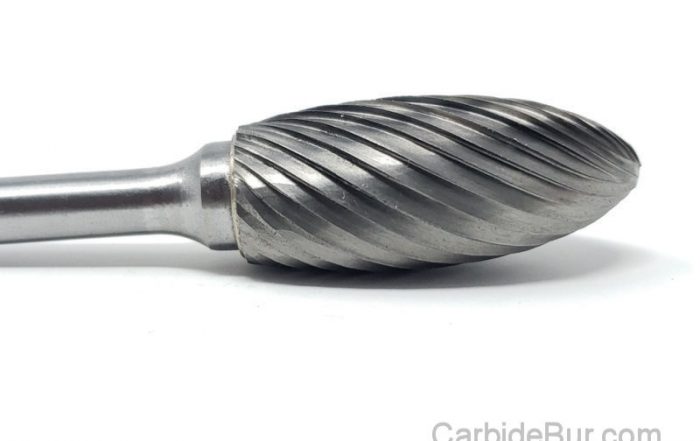
Flame Carbide Burr vs. Tree Carbide Burr: Which Should You Use?
Flame Carbide Burr vs. Tree Carbide Burr: Which Should You Use? You’ve got the right tools, but choosing between a flame carbide burr and a tree carbide burr can still slow down your project. Picking [...]
Why Does My Carbide Burr Break? 10 Common Causes
Why Does My Carbide Burr Break? 10 Common Causes Carbide burrs breaking in the middle of a project can bring everything to a halt and drain your budget fast. You’ve probably wondered why your tools [...]
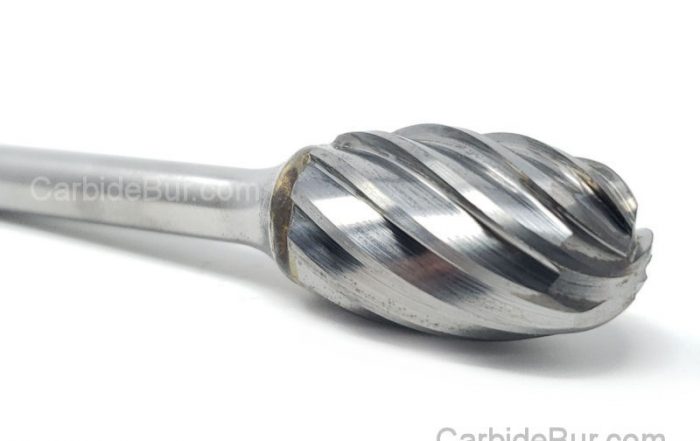
Best Carbide Burr for Aluminum Without Clogging
Best Carbide Burr for Aluminum Without Clogging Clogging ruins more than just your workflow when machining aluminum—it wastes your time and wears out your tools. If you’ve struggled to find a carbide burr that keeps [...]
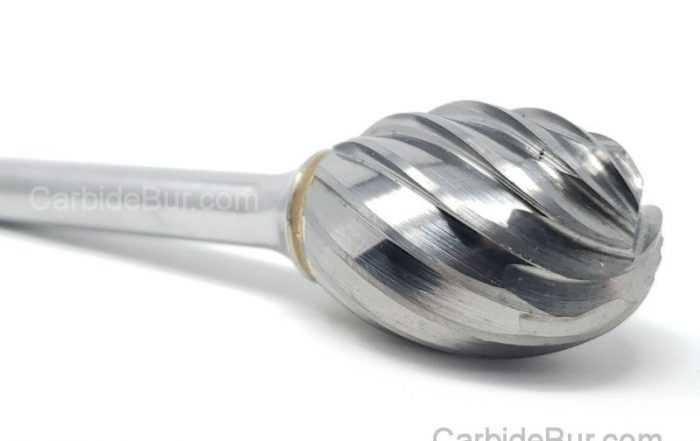
Can You Use Carbide Burrs on Brass and Copper?
Can You Use Carbide Burrs on Brass and Copper? Most machinists hesitate when it comes to using carbide burrs on soft metals like brass and copper. The challenge is real: these metals tend to clog [...]
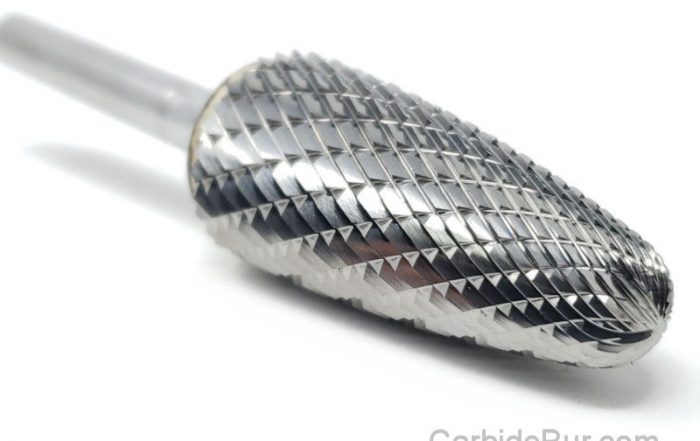
Best Carbide Burr for Stainless Steel: Complete Guide
Best Carbide Burr for Stainless Steel: Complete Guide Working with stainless steel can quickly wear down your tools if you don’t have the right carbide burrs. Choosing the best carbide burr for stainless steel means [...]
Choosing the Right Carbide Burrs for Bolt Cutting
Mastering Metalwork: Choosing the Right Carbide Burrs for Bolt Cutting Cutting bolts with the wrong tool can waste hours and wear down your equipment fast. Carbide burrs offer a powerful option, but not all of [...]
Exploring the Versatility of Carbide Burrs
From Metal Engraving to Crafting: Exploring the Versatility of Carbide Burrs Metal engraving can be a slow, frustrating grind when your tools don’t keep up. If you’ve struggled to get precise cuts or smooth finishes, [...]
Perfecting Material Removal in Tight Spaces
The Ultimate Guide to Tree Shape Carbide Burrs: Perfecting Material Removal in Tight Spaces Most people think all carbide burrs handle tight spaces the same way. That’s not true when it comes to the tree [...]
How to Choose the Best Carbide Burrs for Hard Materials
From Hobbyist to Pro: How to Choose the Best Carbide Burrs for Hard Materials Most metalworkers struggle to find carbide burrs that can handle titanium without wearing out fast. If you’ve wasted time and money [...]
Best Practices for Cleaning Carbide Burrs
Ultrasonic Cleaners vs. Solvent Baths: Best Practices for Cleaning Carbide Burrs Carbide burrs lose their edge fast when resin and material build up. You’ve probably tried scrubbing or soaking with mixed results. Knowing the right [...]
A Guide to Carbide Burrs and Grinding Stones
Surface Finishing Made Easy: A Guide to Carbide Burrs and Grinding Stones Most machinists face the same dilemma: should you reach for a carbide burr or a grinding stone when working on your material removal [...]
