

The Surprising Perks of Carbide Bur Welding in Manufacturing
In the world of industrial manufacturing, the quest for efficiency and precision is unending, and one tool that’s making waves is the carbide bur welding system. Renowned for its ability to enhance tool durability and precision, this system is proving indispensable in a variety of industrial applications. But its benefits extend far beyond the obvious; a carbide bur welding system can also lead to significant reductions in maintenance costs, thanks to fewer tool replacements. Furthermore, it plays a crucial role in boosting work quality improvement through consistent tool performance, paving the way for product design innovation. As manufacturers strive for efficient manufacturing processes, the integration of carbide welding technology stands out as a game-changer in the competitive landscape. Learn more about carbide burs here.
Unseen Advantages in Industrial Applications
In industrial settings, the advantages of a carbide bur welding system are often understated. Beyond the well-known benefits of increased durability and precision, there are several less obvious advantages. These hidden benefits can substantially impact operations, leading to cost savings and enhanced output quality.
Reduced Maintenance Costs
Reduced maintenance costs are a significant benefit of using carbide bur welding systems. By minimizing tool wear and tear, these systems extend the lifespan of tools, reducing the frequency of replacements. This reduction translates to fewer interruptions in production and lower expenditures on new equipment.
Consider a manufacturer that integrates a carbide bur welding system into their operations. They experience fewer breakdowns, leading to less downtime. This constant uptime allows for smoother production schedules and can even reduce overtime costs.
-
Fewer tool replacements mean a direct reduction in maintenance expenses.
-
Continuous tool performance minimizes unexpected downtime, enhancing productivity.
-
Over the long term, this leads to a more predictable maintenance budget.
For more insights into maintenance cost reduction, explore carbidebur.com.
Consistent Tool Performance
Consistent tool performance with carbide welding systems is crucial for maintaining high-quality outputs. When tools perform reliably, the consistency of the finished product improves, reducing waste and rework.
1. Tools retain their sharpness longer, ensuring precision in every cut.
2. Consistent performance means less time spent on quality inspections and corrections.
3. Reliable tools support a steady production pace, improving overall efficiency.
A case study from carbideburr.net highlights a manufacturer who saw a 20% increase in product consistency after switching to carbide bur systems. This increase resulted in fewer customer complaints and higher satisfaction rates.
Enhancing Work Quality and Innovation
The integration of carbide bur welding systems does not only improve current processes but also opens doors for innovation. Enhanced work quality is a stepping stone towards developing new and improved products.
Precision Manufacturing Benefits
Precision manufacturing is greatly enhanced by using carbide welding. These systems allow for intricate designs and tighter tolerances, essential in industries like aerospace and medical devices.
– Improved precision reduces material waste and lowers costs.
– Tighter tolerances ensure products meet stringent industry standards.
– Enhanced capability for complex designs boosts innovation potential.
For manufacturers aiming to push the limits of design and precision, the insights from benchmarkabrasives.com offer a roadmap to success.
Product Design Innovation
Product design innovation flourishes when the tools used are versatile and reliable. Carbide bur welding systems provide the flexibility needed to experiment with new designs without compromising quality.
Consider the automotive industry, where design innovation is key. By employing carbide systems, manufacturers can create components with complex geometries that were previously unfeasible.
-
Versatile tools enable a wider range of design possibilities.
-
Innovative designs can differentiate products in a crowded market.
-
Reliability ensures that new designs can be produced consistently.
For further exploration of product innovation, visit Norton Abrasives.
Efficiency and Competitiveness in Manufacturing
Efficiency and competitiveness are essential for success in today’s fast-paced manufacturing landscape. Carbide bur welding systems play a pivotal role in achieving these goals.
Tool Durability Impact
Tool durability directly affects manufacturing efficiency. Durable tools mean fewer replacements and less downtime, which are crucial for maintaining a competitive edge.
-
Long-lasting tools result in reduced operational disruptions.
-
Durability translates into cost savings over time.
-
Consistent performance supports reliable production schedules.
A manufacturer using carbide systems reported a 30% reduction in tool replacement frequency, as highlighted in a study from carbidebur.com.
Achieving Efficient Manufacturing
To achieve efficient manufacturing, integrating carbide welding systems is a strategic move. These systems enhance productivity, allowing companies to meet customer demands promptly.
-
Streamlined operations result from fewer tool failures.
-
Enhanced precision reduces the need for rework.
-
Faster production cycles maintain competitiveness in the market.
For actionable advice and in-depth analysis, explore resources from Norton Abrasives.
In conclusion, the adoption of carbide bur welding systems not only enhances tool durability and precision but also offers unseen advantages that significantly impact the industrial manufacturing landscape.
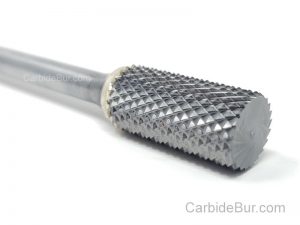
Find more carbide bur die grinder tool bits here
Comparing Electric and Pneumatic Die Grinders with Carbide Burrs
Power and Precision: Comparing Electric and Pneumatic Die Grinders with Carbide Burrs Choosing the right die grinder for your carbide burrs can feel like a maze. Electric die grinders promise power at your fingertips, while [...]
The Top Tools Driving the Future of Aerospace Machining
The Top Tools Driving the Future of Aerospace Machining The demand for aerospace machining has surged, pushing manufacturers to deliver high-precision metal parts faster than ever. Meeting tight standards while cutting lead times in aerospace [...]
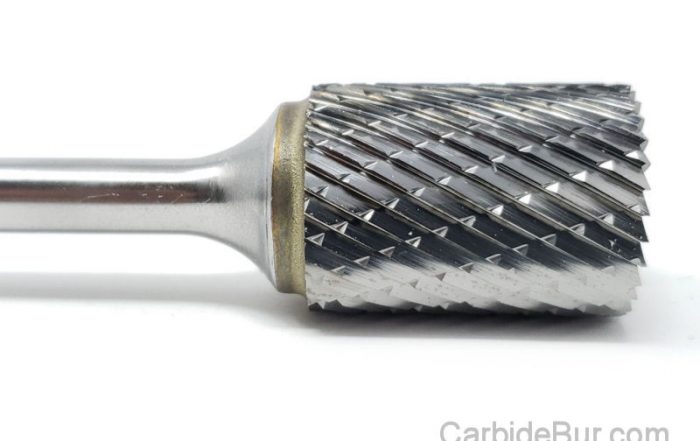
Mastering Carbide Burrs for Enhanced Engine Performance
Beginner's Guide to Engine Porting: Mastering Carbide Burrs for Enhanced Engine Performance Most beginners think engine porting is just about grinding metal. The truth is, mastering carbide burrs can change how air moves through your [...]
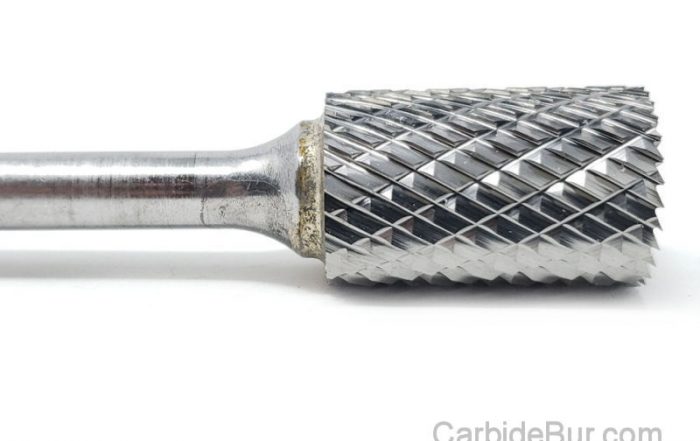
Unveiling the Secrets of Burr Cutting Efficiency: Double-Cut or Single-Cut?
Unveiling the Secrets of Burr Cutting Efficiency: Double-Cut or Single-Cut? Most metalworkers hit a wall choosing between double-cut carbide burrs and single-cut carbide burrs. Picking the wrong one can slow your work or wear your [...]
How Specialized Carbide Burrs Are Revolutionizing Aluminum Fabrication for Cleaner Cuts
How Specialized Carbide Burrs Are Revolutionizing Aluminum Fabrication for Cleaner Cuts Most aluminum fabricators still wrestle with rough edges and extra cleanup after machining. Those extra steps cost you time and eat into your profits. [...]
U.S. Manufacturing Reshoring: The Role of Domestic Tool Suppliers in 2026
U.S. Manufacturing Reshoring: The Role of Domestic Tool Suppliers in 2026 U.S. manufacturing is shifting closer to home faster than many expected. By 2026, reshoring trends are reshaping how supply chains function, with domestic tool [...]
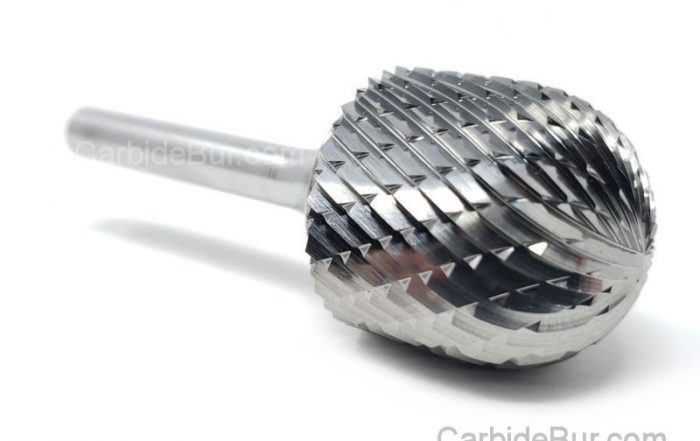
From Casting Flash to Weld Blending: Essential Techniques for 2026
From Casting Flash to Weld Blending: Essential Techniques for 2026 Forget the old ways of finishing parts in automotive production. As electric vehicles and autonomous vehicle production grow, the need for precise deburring processes and [...]
Understanding the Surge in Cutting Tool Costs and Effective Waste Reduction in Machining
Understanding the Surge in Cutting Tool Costs and Effective Waste Reduction in Machining Cutting tool costs have jumped noticeably in recent years, squeezing machine shop budgets tighter than ever. Raw material scarcity and supply chain [...]
Choosing the Right Carbide Burr Shape for Your Metalworking Projects
Choosing the Right Carbide Burr Shape for Your Metalworking Projects You might think all carbide burr shapes do the same job, but that’s far from true. Choosing the wrong shape can waste time and leave [...]
U.S. Cutting Tool Shipments Reach New Heights
U.S. Cutting Tool Shipments Reach New Heights: What It Means for Manufacturing Professionals U.S. cutting tool shipments soared to $278.1 million in July 2026, marking a 29% jump from last year. If you’re in fabrication [...]
How 3D-Printed Carbide is Redefining Precision Toolmaking with Kennametal’s Latest Technology
How 3D-Printed Carbide is Redefining Precision Toolmaking with Kennametal's Latest Technology Custom hole-finishing tools have long faced limits in design and cooling options that hold back their performance. Kennametal’s new 3D-printed carbide grade changes that [...]

The Future of Additive Manufacturing in Aerospace and Automotive Industries
The Future of Additive Manufacturing in Aerospace and Automotive Industries Metal 3D printing is no longer just a concept for prototypes; it’s scaling up fast in aerospace and automotive fields. But raw prints don’t meet [...]
