
The Ultimate Guide to Precision Engraving Tools for Wood and Metal
Most engraving tools promise fine detail, but few deliver true precision on both wood and metal. If you’ve struggled to get clean lines or consistent results, you’re not alone. This guide compares the best engraving tools for metal and wood, helping you find the right fit for your style and project needs. Get ready to upgrade your wood engraving and metal engraving game with tools that actually perform.
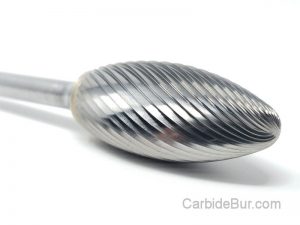
Looking for Carbide Bur Tools?
Check out our entire selection of USA made carbide bur die grinder tool bits
Understanding Engraving Tools
Choosing the right engraving tool is essential for achieving fine details. Whether you’re working with wood or metal, knowing your options makes all the difference.
Types of Engraving Tools
Engraving tools come in various forms, each suited to different materials and project needs. Manual tools, like burins and chisels, offer hands-on control. They’re great for those who prefer a tactile approach. Powered engravers, including handheld motors and laser engravers, bring speed and precision. Lasers are particularly effective on metal, delivering sharp lines without much physical effort. If you’re considering a purchase, understanding these types is the first step toward finding your ideal tool.
Key Features to Consider
When selecting an engraving tool, look for features that meet your specific needs. Consider the power source: manual tools offer simplicity, while electric ones provide speed. Adjustable speed settings allow for greater control over your work, crucial for delicate designs. Ergonomics matter too; a comfortable grip reduces strain during long sessions. Finally, check for versatility. Some tools handle both wood and metal, maximizing their utility in your workshop.
Choosing the Right Tool
Finding the perfect engraving tool can transform your projects. Start with the material you’ll be working with most often. If wood is your main medium, a manual tool might suffice. But if metal engraving is your focus, a laser engraver could be invaluable. Remember to factor in your skill level and project complexity. Beginners might prefer user-friendly options, while experienced artisans could benefit from advanced features. Your choice should enhance your creative process, not hinder it.
Engraving Tools for Wood
Engraving wood brings warmth and texture to your projects. With the right tools, you can achieve stunning effects that make your work stand out.
Top Wood Engraving Tools
Wood engraving requires tools that deliver precision and control. Rotary tools are popular for their versatility and ease of use. They come with various attachments, allowing for different textures and effects. Chisels offer a more traditional approach, perfect for artists who enjoy detailed handwork. For those looking to combine speed with precision, laser engravers provide clean, sharp lines. Each of these tools has unique strengths, so consider your project needs when choosing.
Wood Engraving Techniques
Mastering wood engraving involves understanding different techniques. Shading adds depth, creating a more lifelike appearance. You can achieve this by varying pressure or using different tool attachments. Outlining is essential for defining shapes, while texturing brings dimension to flat surfaces. Experiment with these techniques to discover what works best for your style. Practicing regularly will sharpen your skills, allowing you to execute complex designs with confidence.
Maintaining Your Wood Tools
Keeping your wood engraving tools in top condition is crucial for consistent results. Regular cleaning prevents build-up that can dull edges or clog mechanisms. Sharpening blades ensures smooth cuts, reducing the risk of splintering. Store your tools in a dry, secure place to prevent damage. Proper maintenance not only extends the life of your tools but also enhances the quality of your work, making each project more enjoyable.
Engraving Tools for Metal
Metal engraving opens up a world of possibilities with its sleek, polished finish. With the right tools, you can create designs that are both intricate and durable.
Best Metal Engraving Tools
Metal engraving demands precision and power. Laser engravers are top choices for their ability to cut through metal with ease. They produce clean lines, ideal for detailed work. Handheld engravers provide flexibility, allowing you to work on different metals and surfaces. For those seeking a balance between manual control and mechanized precision, engraving pens offer a great compromise. Selecting the right tool enhances your ability to bring metal designs to life.
Metal Engraving Techniques
Effective metal engraving hinges on mastering specific techniques. Depth control is key for achieving different effects, from shallow etches to deep grooves. Surface preparation is also important; a clean, smooth surface ensures better results. Layering different engravings can create complex patterns and textures. These techniques require practice, but once mastered, they allow for stunning results that showcase your skills and creativity.
Caring for Metal Tools
Proper care of your metal engraving tools ensures longevity and performance. Routine cleaning removes debris that can affect precision. Lubricating moving parts prevents wear and tear, maintaining smooth operation. Store tools in a cool, dry place to prevent rust. Regular maintenance keeps your tools ready for any project, ensuring they deliver the precision and performance needed for metal engraving.
Precision Engraving Tools Comparison
Choosing the right engraving tool often comes down to comparing different features and benefits. Here’s how to weigh your options.
Comparing Tool Efficiency
Efficiency is a crucial factor in any engraving project. Laser engravers offer unmatched speed, especially for complex designs. Manual tools provide precision but require more time and effort. When evaluating efficiency, consider how each tool fits into your workflow. The right choice can streamline your process, making engraving more enjoyable and productive.
Price vs. Performance
Balancing cost with performance is key to selecting the right engraving tool. High-end tools often boast advanced features and long-term reliability, but they come at a higher price. Budget options might offer fewer features but still deliver adequate results. Consider your project needs and budget when making a purchase. Investing in a quality tool can pay off in the long run, providing better results and greater satisfaction.
User Experience and Reviews
Reading reviews can offer valuable insights into the performance of engraving tools. Users often share experiences that highlight strengths and weaknesses. Look for feedback on durability, ease of use, and reliability. These insights can guide your decision, ensuring you choose a tool that meets your expectations and enhances your engraving projects.
Tips for Successful Engraving
Achieving success in engraving involves more than just having the right tools. Here are some tips to elevate your craft.
Safety Tips for Engravers
Safety should always be a priority when engraving. Wear protective eyewear to guard against debris and gloves to protect your hands. Ensure your workspace is well-lit and ventilated. Keep fire extinguishers nearby when using powered tools, especially lasers. Following these precautions will help you avoid accidents and create a safe environment for your projects.
Enhancing Detail and Precision
Precision is the hallmark of quality engraving. Use guiding templates to maintain straight lines and consistent patterns. Adjusting tool settings can help you achieve finer details. Regular practice enhances your skills, allowing you to execute intricate designs with confidence and accuracy.
Common Mistakes to Avoid
Avoiding common mistakes can save you time and frustration. Rushing your work often leads to errors and poor results. Ensure your tools are properly maintained to prevent unexpected issues. Always plan your design before starting; this helps you anticipate challenges and streamline your process. By staying mindful of these pitfalls, you can enhance the quality of your engraving projects.
Looking for Carbide Bur Tools?
Check out our entire selection of USA made carbide bur die grinder tool bits
Follow us on Twitter

Return to CarbideBur.com
Carbide Burs – 1/4″ on 1/8″ Shanks – Accessories – Aluminum Cut – Bur Sets – End Mills – Long Shank – Solid Burs
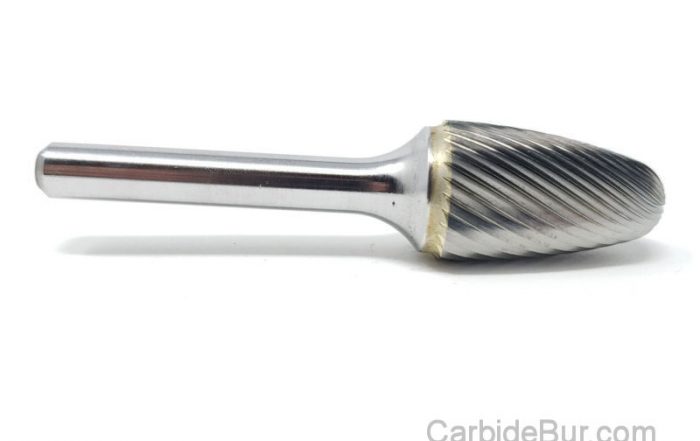
How to Grind a Groove in Metal With a Carbide Burr
How to Grind a Groove in Metal With a Carbide Burr Most metalworkers struggle to cut clean grooves without wasting time or ruining their workpiece. Many try different metalworking tools but end up with uneven [...]
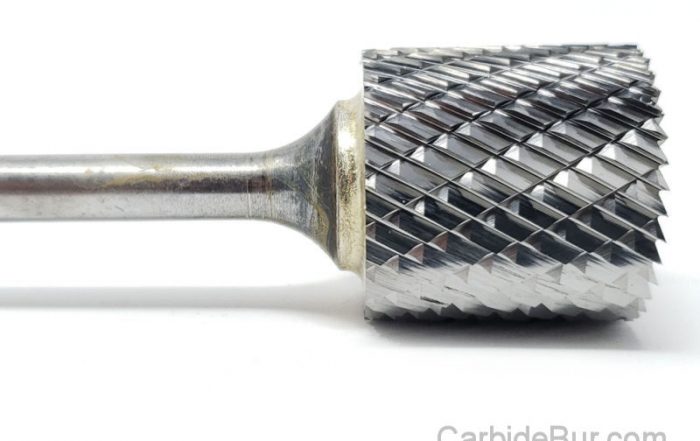
Can Carbide Burrs Cut Through Welds?
Can Carbide Burrs Cut Through Welds? Cutting through welds can feel like a battle, especially when you need clean results without harming the base metal. Carbide burrs offer a sharp edge in this fight, but [...]
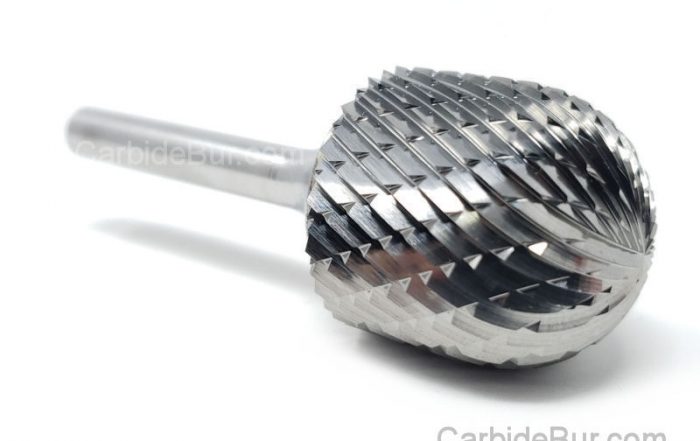
How to Use a Carbide Burr With a Die Grinder
How to Use a Carbide Burr With a Die Grinder Most people treat a carbide burr like just another tool, but using it with a die grinder takes skill. If you’ve struggled with burr installation [...]
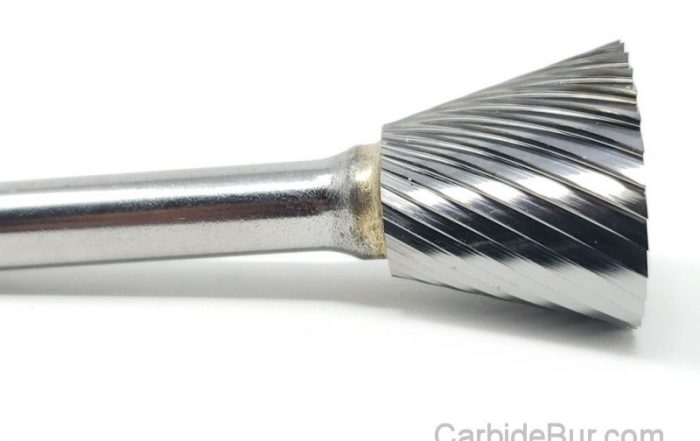
1/8 vs 1/4 Inch Carbide Burrs: What’s the Difference?
1/8 vs 1/4 Inch Carbide Burrs: What's the Difference? Choosing between a 1/8 inch carbide burr and a 1/4 inch carbide burr can change how your project turns out. Many machinists and hobbyists overlook how [...]
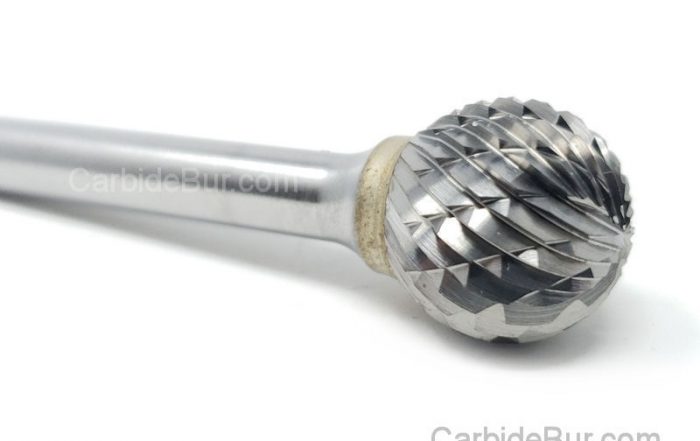
Best Carbide Burr for Removing Flash From Castings
Best Carbide Burr for Removing Flash From Castings Removing flash from castings is a task that can slow down your entire metalworking process if you don’t have the right tools. Picking the best carbide burr [...]
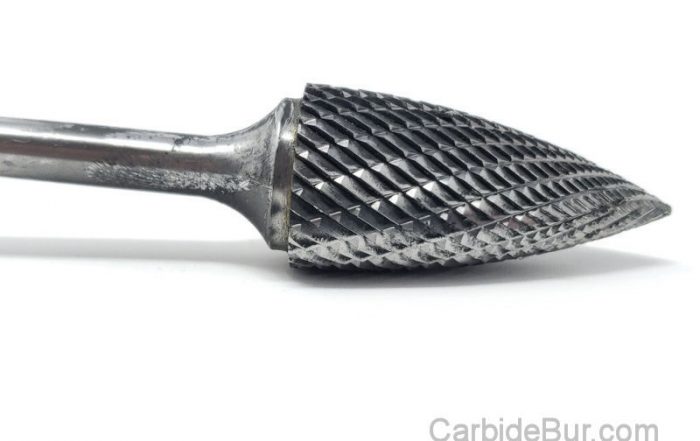
What RPM Should You Use for a 1/4 Inch Carbide Burr?
What RPM Should You Use for a 1/4 Inch Carbide Burr? Most machinists guess the right speed for a 1/4 inch carbide burr and hope for the best. Using the wrong carbide burr RPM can [...]
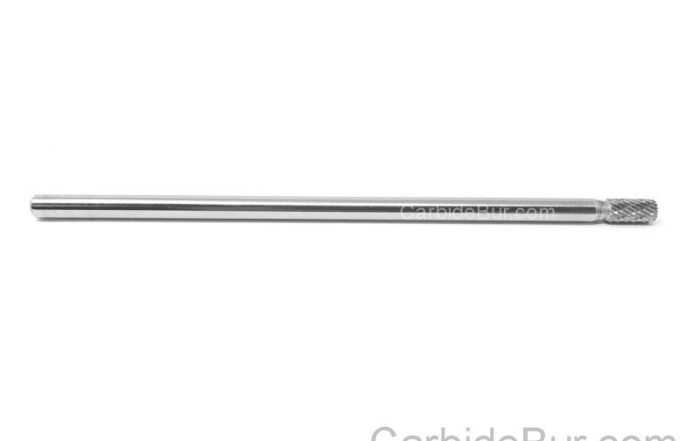
Long Shank Carbide Burrs: When Do You Need One?
Long Shank Carbide Burrs: When Do You Need One? Most machinists overlook the power of long shank carbide burrs until a project demands precision in tight spaces. When your usual tools can’t reach intricate contours, [...]
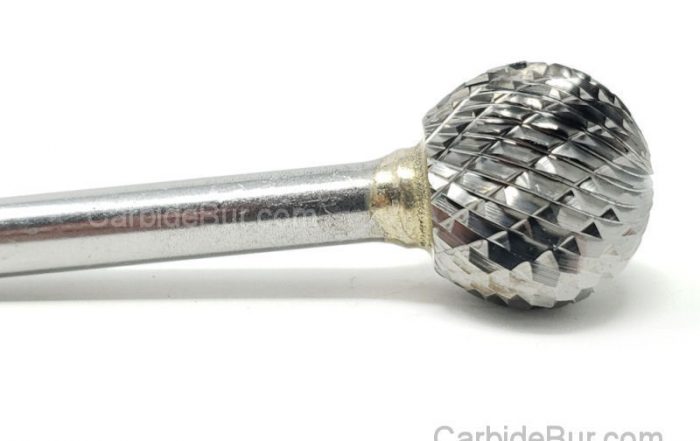
How Deep Can a Carbide Burr Cut Metal?
How Deep Can a Carbide Burr Cut Metal? Carbide burrs often get praised for their precision, but many users hit a wall wondering how deep they can actually cut metal. The truth is, cutting depth [...]
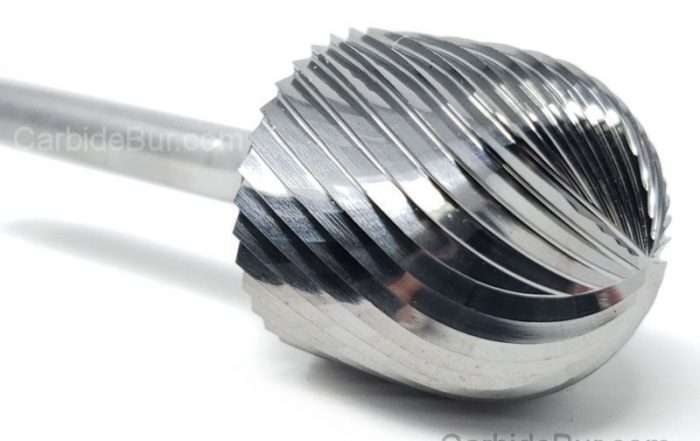
How to Use Carbide Burrs for Port Matching
How to Use Carbide Burrs for Port Matching Most engine builds hit a wall when airflow doesn’t flow smoothly between the ports and manifolds. If your engine isn’t breathing right, your performance stalls. Using the [...]
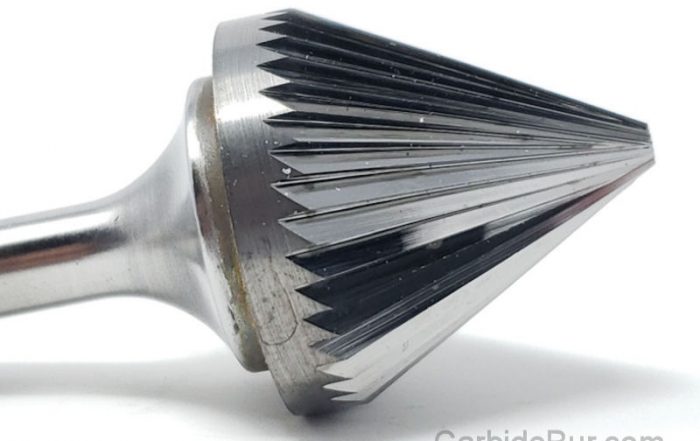
Best Carbide Burr for Porting Intake Manifolds
Best Carbide Burr for Porting Intake Manifolds Porting intake manifolds can make or break your engine’s airflow, yet many struggle with the right tools for the job. Choosing the best carbide burrs is key to [...]
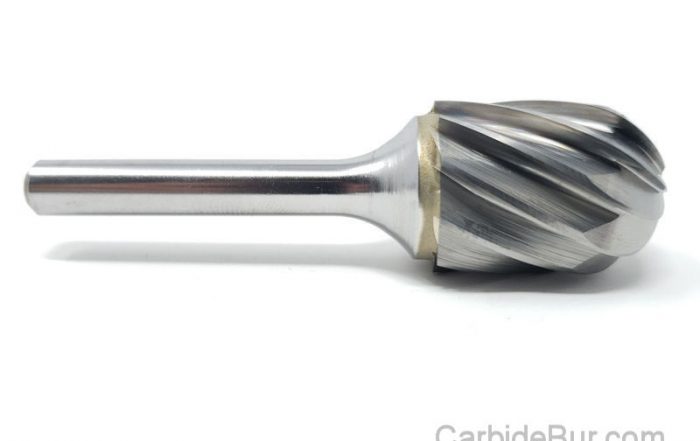
Best Carbide Burr for Concave Surfaces
Best Carbide Burr for Concave Surfaces Concave surfaces can turn a straightforward project into a frustrating challenge if you don’t have the right tool. Carbide burrs designed for these tricky curves make all the difference [...]
How to Grind a Slot in Metal With a Carbide Burr
How to Grind a Slot in Metal With a Carbide Burr Grinding a precise slot in metal can feel like a tricky task, especially if you’re unsure which tools to trust. Carbide burr grinding offers [...]
