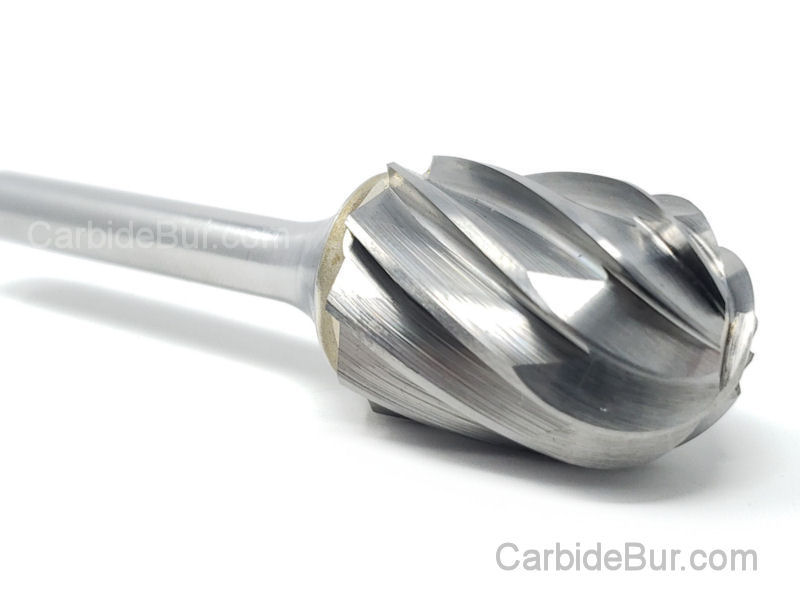
Why Does My Carbide Burr Get Clogged With Aluminum?
Carbide burr clogging aluminum can bring your work to a frustrating halt. If you’ve noticed your burrs gumming up while cutting aluminum, you’re not alone. This post breaks down why aluminum causes these clogs and what you can do to keep your tools cutting clean and lasting longer. For more insights, check out this resource on top tips to prevent burr loading.
Understanding Carbide Burr Clogging
Carbide burrs are essential tools in metalworking, but clogging can disrupt efficiency and prolong tasks. Let’s dive into why they clog, especially with aluminum, and how to address these issues.
Softness of Aluminum
Aluminum is a soft metal, and this softness contributes to clogging. When you cut, the aluminum can stick to the burr. This happens because the metal’s soft nature allows particles to build up quickly. Over time, these particles solidify, affecting the burr’s performance. It’s like trying to write with a pen that has ink buildup: frustrating and ineffective. Regular cleaning of your burrs can help, but understanding this primary cause is the first step in addressing it.
Improper Burr Selection
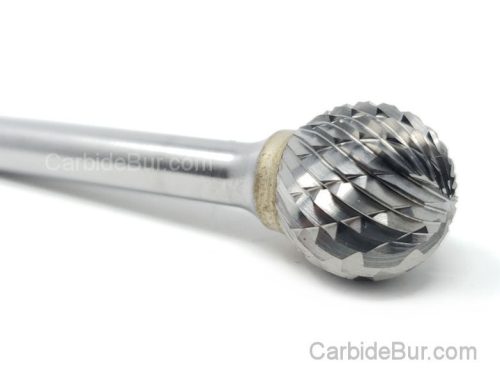
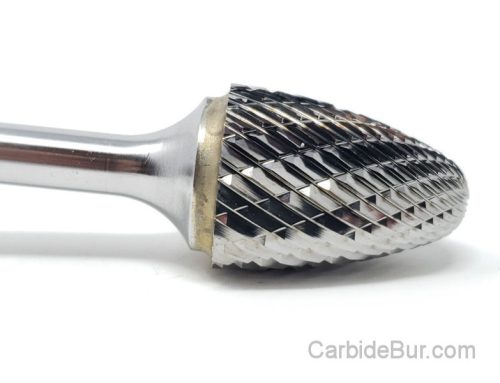
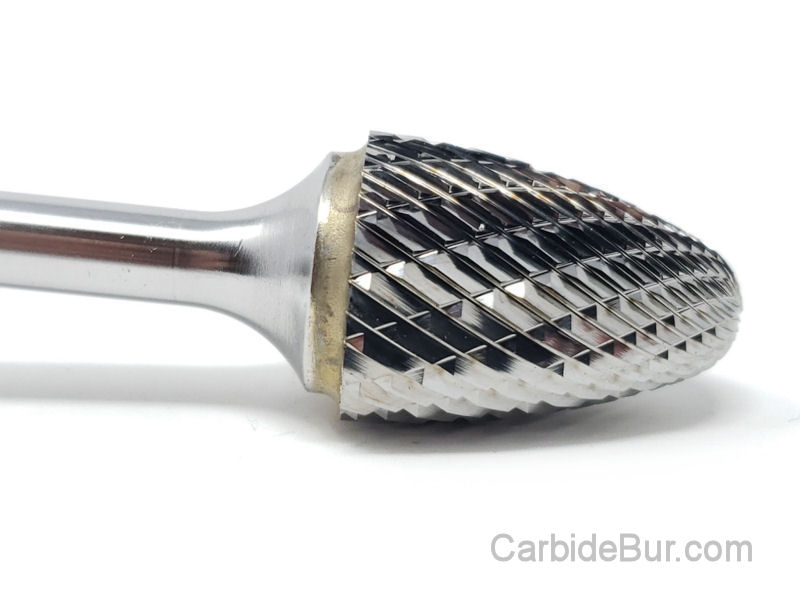
Selecting the right burr for your task is crucial. Using a burr not designed for aluminum can lead to clogging. Learn more about choosing the right carbide burrs for bolt cutting. Burrs designed specifically for aluminum have unique flute designs that reduce clogging. They allow for smoother cutting, preventing aluminum particles from adhering to the surface. Ensuring you choose a burr specifically made for aluminum can save you time and frustration.
Inadequate Feed Rates
Feed rate is how fast you move the burr into the material. Moving too slowly can cause the burr to rub rather than cut, leading to clogging. On the other hand, moving too quickly might not give the burr enough time to cut effectively, also causing clogging. Finding a balance is key. Experiment with different speeds to see what works best for your specific setup. This adjustment can significantly improve your machining efficiency.
Choosing the Right Carbide Burr
Selecting the correct carbide burr can make a world of difference in your machining process. Let’s explore what you need to know to make the right choice.
Burr Types for Aluminum
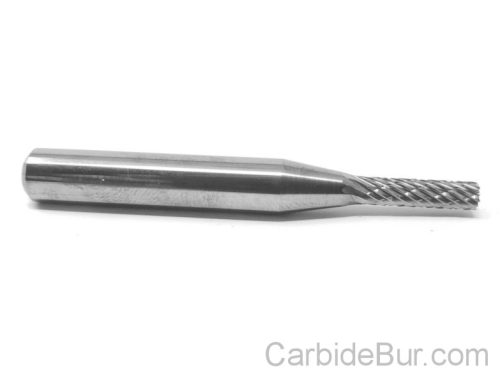
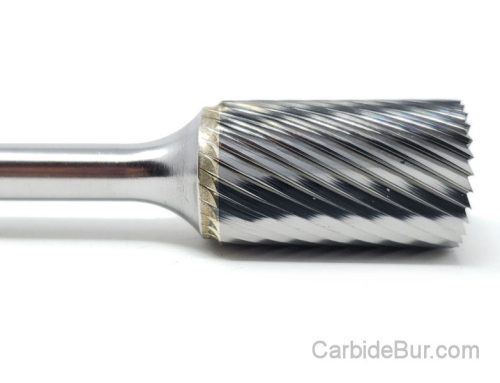
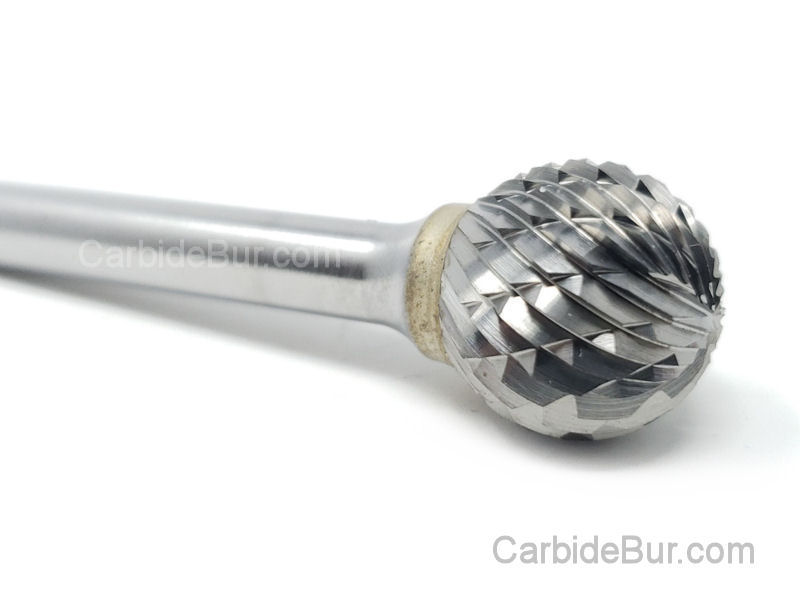
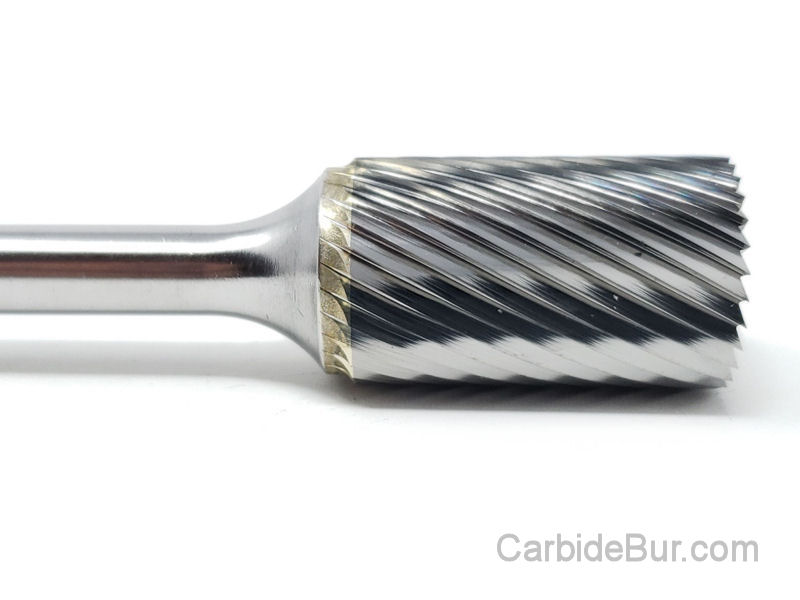
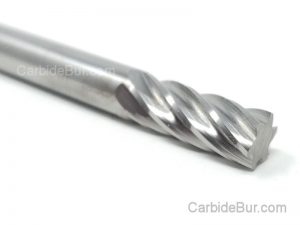
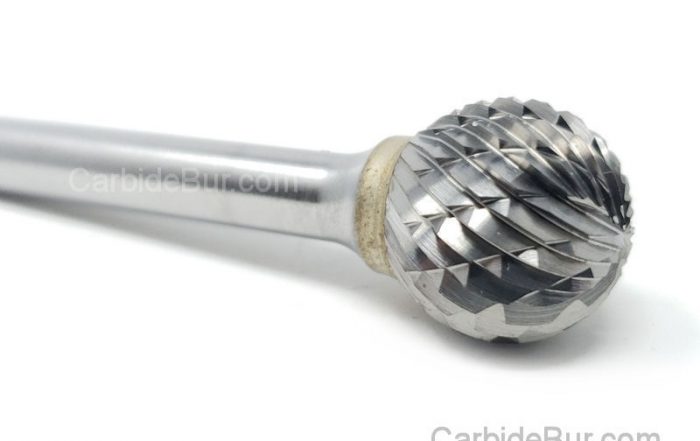
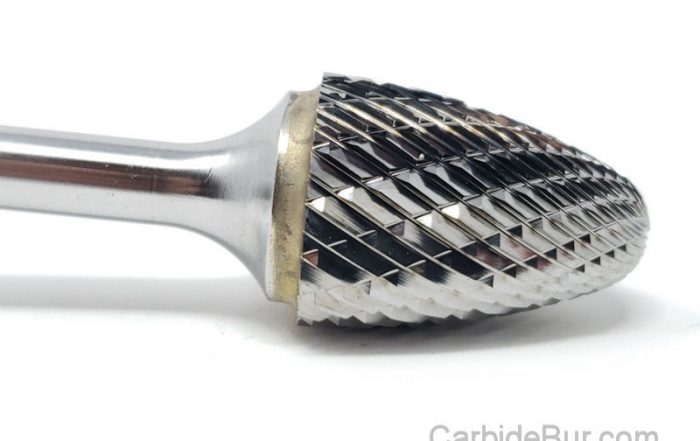
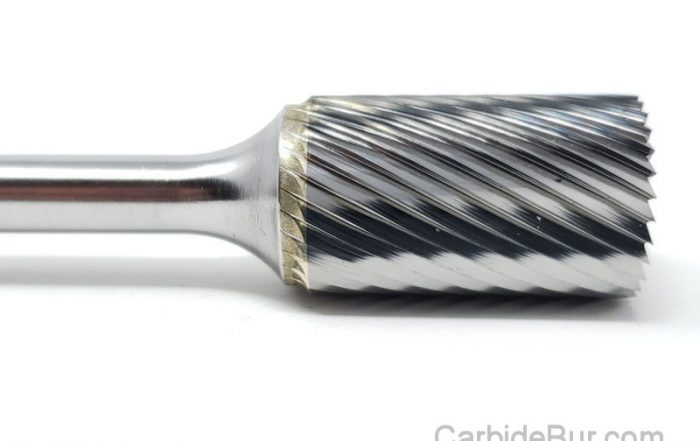
There are several types of burrs, but not all are ideal for aluminum. For aluminum, consider burrs labeled as “single cut” or “aluminum cut.” These burrs have wider flutes, which help prevent clogging by allowing chips to escape more easily. This design reduces the heat generated during cutting, minimizing the likelihood of clogging. Investing in the right type of burr can enhance your overall cutting experience.
Ideal Burr Sizes
The size of the burr you select should align with your project needs. Smaller burrs work well for detailed work, while larger burrs are better for removing substantial amounts of material. Consider the intricacies of your workpiece when selecting a burr size. The right size will not only enhance efficiency but also reduce the likelihood of clogging by optimizing the cutting surface.
Material-Specific Considerations
Different materials require different approaches. While we’ve focused on aluminum, consider the nature of other materials you work with. Each has unique characteristics that may require specific burr types or sizes. Understanding these differences can help you tailor your approach and improve your results across various projects.
Effective Cutting Strategies
Once you have the right burr, employing effective cutting strategies is essential. Let’s look at some methods to optimize your cutting process.
Optimal Feed Rates
The right feed rate ensures precision and reduces the chance of clogging. Experimenting with different speeds can help find the sweet spot where cutting is efficient without causing overheating or excessive friction. By keeping feed rates optimal, you enhance tool life and cut quality.
Correct Cutting Speeds
Cutting speed plays an important role in avoiding clogs. Too fast, and you risk overheating; too slow, and you may cause clogging due to material buildup. Aim for a speed that feels smooth and steady. This way, you maintain control and reduce unnecessary tool wear.
Maintaining Cutting Angles
Angles matter in cutting. The angle at which you hold the burr affects how effectively it cuts. Maintaining a consistent angle ensures the burr engages the material properly, preventing uneven wear and reducing clogging. Practicing good technique with the right angles can vastly improve your machining efficiency.
Practical Solutions to Minimize Clogging
Preventing clogging is better than dealing with it afterward. Here are some practical solutions you can implement.
Cooling Techniques
Coolants can help manage heat, a common cause of clogging. Applying a coolant when cutting aluminum keeps temperatures lower, reducing the chance of particle buildup. It also helps prolong the life of the burr by minimizing heat stress.
Lubrication Options
Lubricants can also aid in reducing friction and heat. They create a barrier between the burr and aluminum, making it easier for chips to clear away. Simple options like cutting oils or sprays can be very effective. Adding lubrication to your process can make a noticeable difference.
Regular Burr Maintenance
Maintaining your tools is crucial. Regularly cleaning and inspecting your burrs can prevent buildup from becoming problematic. Use brushes or appropriate solvents to clean burrs after each use. This simple routine can extend tool life and improve performance.
Extending Carbide Burr Life
Your tools are an investment, and extending their life saves money and time. Here are tips to ensure your burrs last.
Proper Cleaning Methods
Cleaning your carbide burrs promptly after use helps maintain their cutting ability. Use a wire brush or ultrasonic cleaner to remove debris. Consistent cleaning ensures your burrs stay sharp and effective for longer.
Storage Practices
How you store your burrs can affect their longevity. Keep them in a dry, organized space. Using a burr holder can prevent unnecessary wear. Proper storage reduces the risk of corrosion or accidental damage.
Signs of Wear and Replacement
Recognizing wear signs can help you replace burrs before they fail. Look for dull edges, uneven cuts, or increased vibration. Replacing worn burrs at the right time ensures your work remains efficient and high-quality.
Frequently Asked Questions
How do I prevent carbide burrs from clogging with aluminum?
To prevent clogging, select burrs designed for aluminum, maintain proper feed rates, and use coolants or lubricants. Regular cleaning and appropriate storage can also help.
What is the best burr type for cutting aluminum?
Single cut or aluminum cut burrs are best for aluminum. They have wider flutes, which allow better chip clearance and reduce the chance of clogging.
How often should I clean my carbide burrs?
Clean your carbide burrs after every use. Regular maintenance ensures they remain sharp and effective, preventing performance issues.
Can I use the same burr for different metals?
While some burrs can handle multiple metals, it’s best to use burrs specifically designed for each type. This approach ensures optimal performance and longevity.
What signs indicate that a carbide burr needs replacement?
Look for signs like dull edges, uneven cutting, or increased vibration. These indicate that your burr might need replacement to maintain effective performance.
Looking for Carbide Bur Tools?
Check out our entire selection of USA made carbide bur die grinder tool bits
Follow us on Twitter

Return to CarbideBur.com
Carbide Burs – 1/4″ on 1/8″ Shanks – Accessories – Aluminum Cut – Bur Sets – End Mills – Long Shank – Solid Burs
Carbide Burr vs. Grinding Stone: Which Is Better for Metal Removal?
Carbide Burr vs. Grinding Stone: Which Is Better for Metal Removal? When you need to remove metal, smooth a rough edge, or shape a metal component, two common options are carbide burrs and grinding stones. [...]
Carbide Burr Safety: RPM, Eye Protection, and Common Mistakes
Carbide Burr Safety: RPM, Eye Protection, and Common Mistakes Carbide burrs are versatile cutting tools used for metal fabrication, welding cleanup, engine porting, deburring, and general material removal. When used correctly, they can help remove [...]
How to Stop Aluminum from Clogging Your Carbide Burr
How to Stop Aluminum from Clogging Your Carbide Burr Aluminum is widely used in automotive work, welding, metal fabrication, aerospace components, and general machining. It is lightweight, relatively easy to machine, and versatile across many [...]
Carbide Burrs for Intake Manifolds: Shaping, Cleanup, and Fitment
Carbide Burrs for Intake Manifolds: Shaping, Cleanup, and Fitment Intake manifold work often involves more than simply bolting a component onto an engine. Depending on the application, metal intake components may have casting irregularities, rough [...]
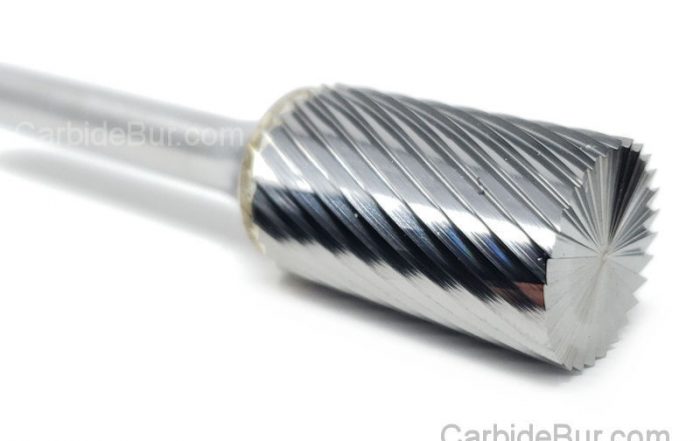
Why Long-Shank Carbide Burrs Are Useful for Hard-to-Reach Areas
Why Long-Shank Carbide Burrs Are Useful for Hard-to-Reach Areas When working on metal parts, the area that needs grinding or shaping is not always easy to reach. Recessed openings, deep cavities, interior surfaces, and complicated [...]
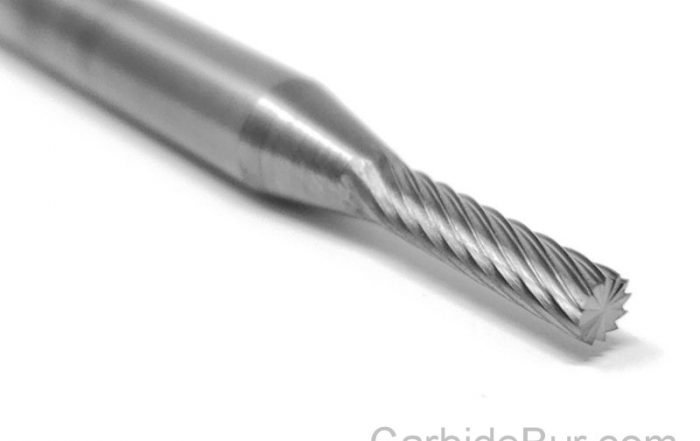
Choosing Carbide Burrs for Stainless Steel Fabrication
Choosing Carbide Burrs for Stainless Steel Fabrication Stainless steel is widely used in fabrication because of its corrosion resistance, strength, and durability. However, those same properties can make it challenging to machine and finish. Removing [...]
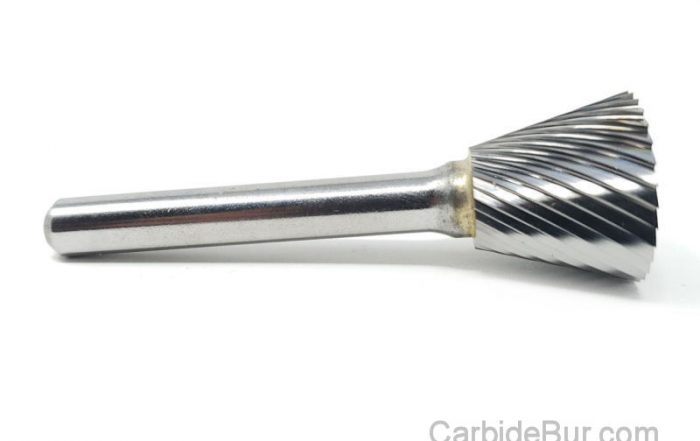
Can You Use Carbide Burrs in a Dremel? Shank Sizes Explained
Can You Use Carbide Burrs in a Dremel? Shank Sizes Explained If you use a Dremel or another rotary tool for detail work, metal shaping, or small fabrication projects, you may wonder whether you can [...]
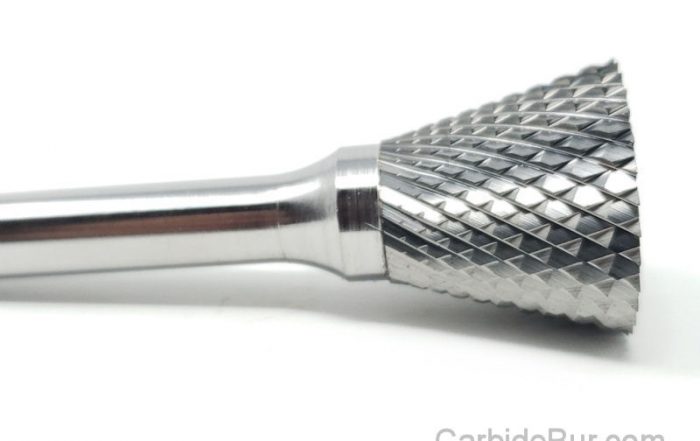
How to Choose the Best Carbide Burr for Welding and Metal Fabrication
How to Choose the Best Carbide Burr for Welding and Metal Fabrication Welding and metal fabrication often require more than joining two pieces of metal together. Once the welding is finished, fabricators frequently need to [...]
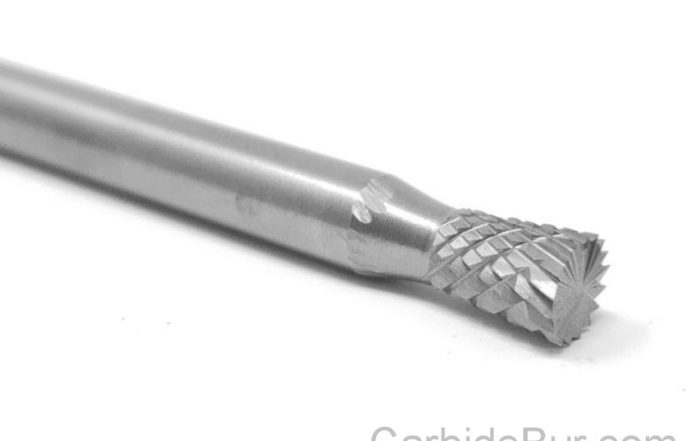
Carbide Burrs for Cylinder Heads: What Automotive Enthusiasts Need to Know
Carbide Burrs for Cylinder Heads: What Automotive Enthusiasts Need to Know Cylinder head work is an important part of engine building, restoration, and performance machining. Whether you are cleaning up casting imperfections, refining port surfaces, [...]
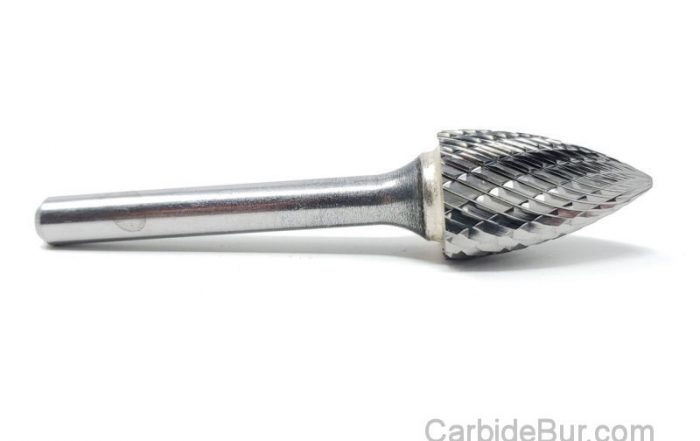
Engine Porting 101: How Carbide Burrs Help Shape Cylinder Head Ports
Engine Porting 101: How Carbide Burrs Help Shape Cylinder Head Ports Engine performance enthusiasts, automotive machinists, and engine builders often look for ways to improve airflow through an engine's cylinder heads. One technique used in [...]
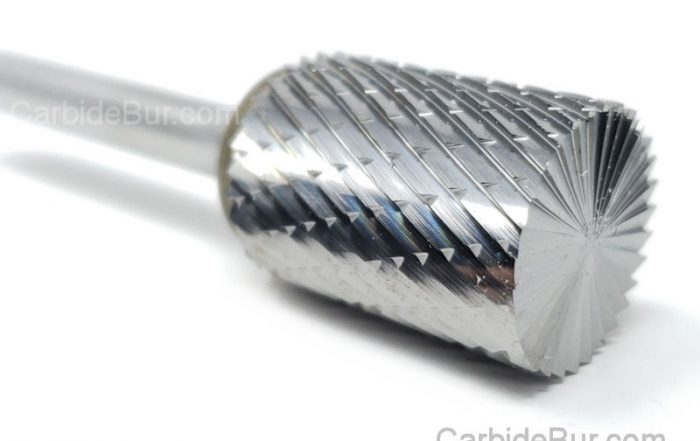
When to Use a 4-Inch or 9-Inch Die Grinder Extension
When to Use a 4-Inch or 9-Inch Die Grinder Extension Metal fabrication, welding, automotive repair, and engine building often require working in places where a standard die grinder and carbide burr cannot easily reach. Recessed [...]
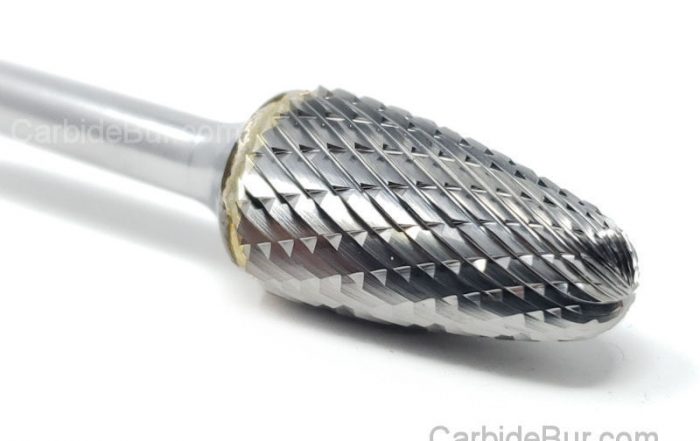
Why Buy USA-Made Carbide Burr Tools? What Buyers Should Compare
Why Buy USA-Made Carbide Burr Tools? What Buyers Should Compare When shopping for carbide burr tools, it's tempting to compare products based on price alone. However, professionals who use rotary cutting tools for welding, metal [...]