
From Sharp to Sleek: Your Guide to Using Deburring Tools Effectively
Sharp metal edges don’t just look rough—they can cause serious cuts and damage your project’s finish. If you’re tired of guessing how to smooth metal edges without wasting time or tools, this guide lays out clear metalworking techniques that get the job done right. You’ll learn when to file, sand, or reach for deburring tools and how to follow safety steps to protect yourself while polishing your work. For more insights, check out this resource.
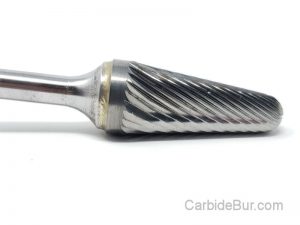
Have you tried using carbide burr tools for your job?
Understanding Deburring Tools
Mastering the art of smoothing metal edges begins with understanding deburring tools. These tools are essential for creating safe and polished finishes on your metalwork projects.
Types of Deburring Tools
When it comes to deburring, there are several tools to choose from. Some of the most common are hand deburring tools, rotary tools, and abrasive brushes. Hand tools are great for precision work. They allow you to control the pressure and angle, making them ideal for small projects or detailed areas. Rotary tools offer speed and are perfect for larger surfaces or when time is a factor. They use different attachments to tackle various materials and edges. Abrasive brushes are fantastic for giving a uniform finish and can handle irregular surfaces with ease. Each type of tool has its strengths, and knowing which one to use can save you time and effort.
Choosing the Right Tool
Selecting the appropriate deburring tool depends on your project’s specific needs. Consider the material, the size of the piece, and the level of precision required. For instance, if you’re working with softer metals, a hand deburring tool might be all you need. For harder metals or larger projects, a rotary tool could be more effective. When in doubt, test a small area to see which tool gives you the best results. This careful selection process not only improves your workflow but also enhances the quality of your final product. For more details on tool selection, check out this guide on deburring.
Essential Metalworking Techniques
Once you’ve chosen the right tools, the next step is to apply effective metalworking techniques. These techniques ensure your work is both safe and visually appealing.
Filing and Sanding Metal
Filing and sanding are traditional methods that provide a smooth finish. Filing is useful for removing burrs and shaping edges. Use a file with a handle for comfort and safety. Start with a coarse file to remove larger burrs, then switch to a finer file for a polished edge. Sanding, on the other hand, is excellent for smoothing surfaces. Begin with a coarse grit sandpaper to even out the surface, then gradually move to finer grits to achieve a sleek finish. Remember to sand in the direction of the grain to avoid scratches. For more insights, explore this article.
Using Deburring Tools Effectively
Deburring tools require a bit of practice to use effectively. First, secure your metal piece on a stable surface. This prevents movement and allows for better control. Hold the tool at a slight angle to the edge and apply consistent pressure. Move the tool in one direction to remove burrs efficiently. Keep the tool clean and check for wear, as a dull tool can damage the metal. Practice is key, so take your time to get familiar with the tool’s movements and pressure. This will ensure you achieve smooth metal edges every time.

Safety in Metalworking
Safety is paramount when working with metal. Proper precautions protect you and ensure the quality of your work.
Protective Gear and Equipment
Always wear protective gear when metalworking. Safety glasses protect your eyes from metal shards. Gloves shield your hands from sharp edges and abrasions. A dust mask is crucial when sanding to prevent inhaling metal particles. Make sure your workspace is well-ventilated to reduce exposure to fumes. Proper equipment, like clamps and vises, keeps your workpiece secure, minimizing the risk of accidents. For more on safety gear, visit this page.
Handling Sharp Edges Safely
Handling sharp edges requires caution and precision. Always approach your work with a focused mind. Use tools with ergonomic handles to reduce strain and improve control. When moving or adjusting metal pieces, hold them securely to avoid slips. If you’re unsure about a technique, seek guidance or practice on scrap metal first. Safety should always be your top priority in metalworking.
Metal Edge Finishing
Achieving a professional finish on metal edges involves attention to detail and the right techniques.
Achieving a Smooth Finish
A smooth finish enhances the look and safety of your metalwork. After deburring, inspect the edges for any remaining rough spots. Use fine grit sandpaper to give the edges a final polish. Wipe the surface with a clean cloth to remove dust and debris. This step ensures that your work is not only safe but also visually appealing. A polished finish can elevate the overall quality of your project, making it stand out.
Techniques for Different Metals
Different metals require different finishing techniques. For aluminum, use a softer touch and avoid aggressive sanding, as it’s prone to scratching. Stainless steel needs more robust tools due to its hardness. Brass, with its softer nature, benefits from gentle filing and polishing. Understanding these nuances allows you to tailor your approach to each material, ensuring the best results. Explore more on metal-specific techniques here.
Tips for Successful Metalwork
Mastering metalworking involves learning from mistakes and constantly improving your skills.
Common Mistakes to Avoid
Avoiding common mistakes can save you time and resources. One frequent error is using the wrong tool for the job, which can damage the metal. Always match your tool to the material and task. Another mistake is applying too much pressure, which can lead to uneven edges. Instead, use steady, controlled movements. Overlooking safety gear is another pitfall. Always prioritize safety, no matter how small the project. These simple adjustments can drastically improve your metalworking results.
Enhancing Craftsmanship Skills
To enhance your skills, practice regularly and seek feedback. Try new techniques to expand your repertoire. Join online communities or local workshops to connect with other metalworking enthusiasts. Sharing experiences and tips can accelerate your learning. Keep experimenting with different tools and materials to find what works best for you. Your dedication and curiosity will lead to greater craftsmanship and more impressive projects. For more tips on improving your skills, check out this resource.
In summary, mastering the art of smoothing sharp metal edges requires the right tools, techniques, and an emphasis on safety. By understanding how to choose and use deburring tools, employing effective metalworking techniques, and prioritizing safety and finishing touches, you can elevate your craftsmanship and achieve outstanding results in your projects. Keep practicing, stay safe, and enjoy the journey of becoming a skilled metalworker.
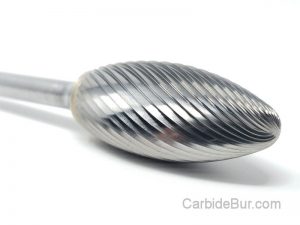
Looking for Carbide Bur Tools?
Check out our entire selection of USA made carbide bur die grinder tool bits
Follow us on Twitter

Return to CarbideBur.com
Carbide Burs – 1/4″ on 1/8″ Shanks – Accessories – Aluminum Cut – Bur Sets – End Mills – Long Shank – Solid Burs
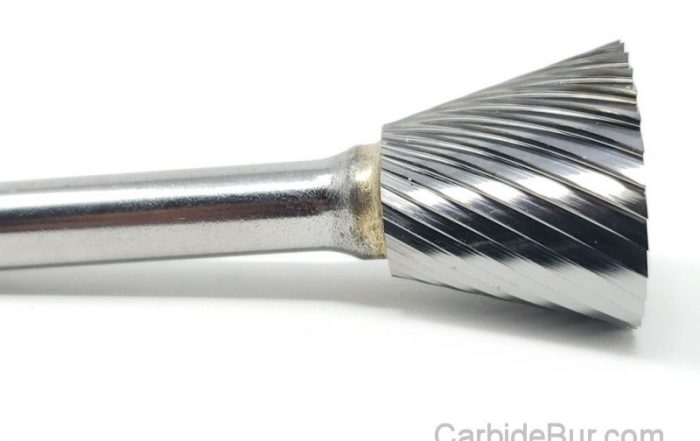
1/8 vs 1/4 Inch Carbide Burrs: What’s the Difference?
1/8 vs 1/4 Inch Carbide Burrs: What's the Difference? Choosing between a 1/8 inch carbide burr and a 1/4 inch carbide burr can change how your project turns out. Many machinists and hobbyists overlook how [...]
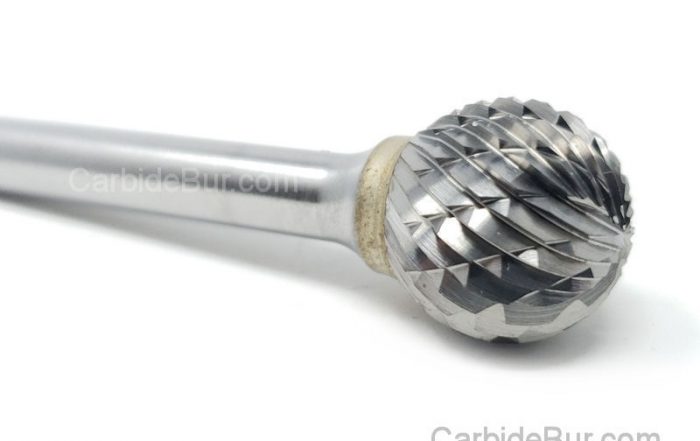
Best Carbide Burr for Removing Flash From Castings
Best Carbide Burr for Removing Flash From Castings Removing flash from castings is a task that can slow down your entire metalworking process if you don’t have the right tools. Picking the best carbide burr [...]
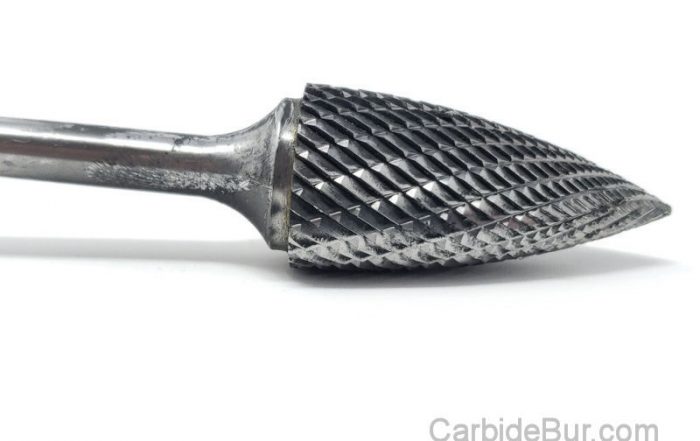
What RPM Should You Use for a 1/4 Inch Carbide Burr?
What RPM Should You Use for a 1/4 Inch Carbide Burr? Most machinists guess the right speed for a 1/4 inch carbide burr and hope for the best. Using the wrong carbide burr RPM can [...]
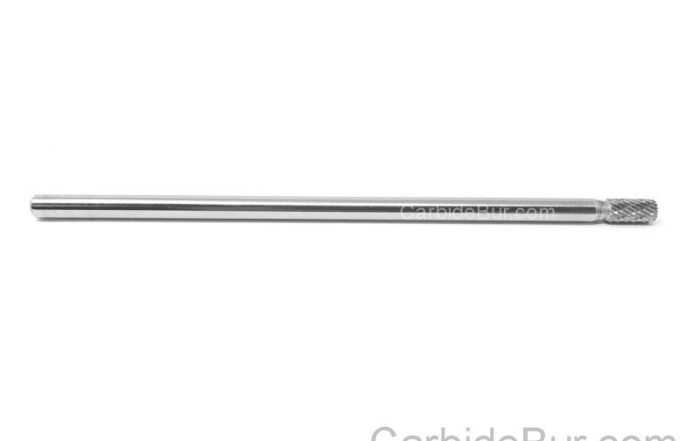
Long Shank Carbide Burrs: When Do You Need One?
Long Shank Carbide Burrs: When Do You Need One? Most machinists overlook the power of long shank carbide burrs until a project demands precision in tight spaces. When your usual tools can’t reach intricate contours, [...]
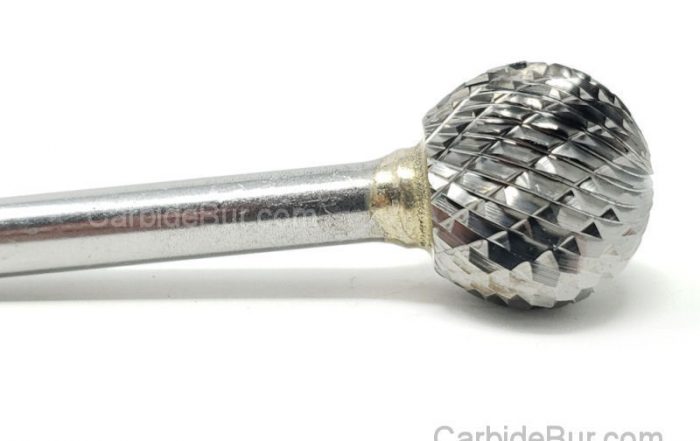
How Deep Can a Carbide Burr Cut Metal?
How Deep Can a Carbide Burr Cut Metal? Carbide burrs often get praised for their precision, but many users hit a wall wondering how deep they can actually cut metal. The truth is, cutting depth [...]
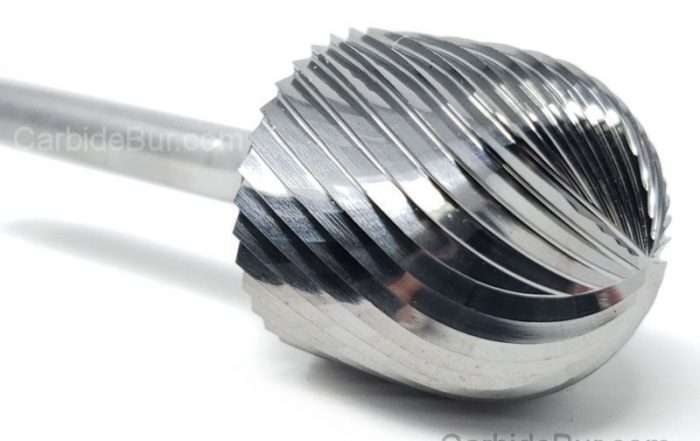
How to Use Carbide Burrs for Port Matching
How to Use Carbide Burrs for Port Matching Most engine builds hit a wall when airflow doesn’t flow smoothly between the ports and manifolds. If your engine isn’t breathing right, your performance stalls. Using the [...]
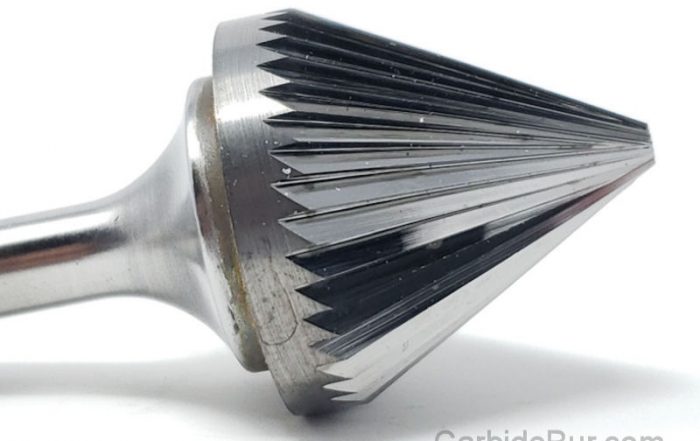
Best Carbide Burr for Porting Intake Manifolds
Best Carbide Burr for Porting Intake Manifolds Porting intake manifolds can make or break your engine’s airflow, yet many struggle with the right tools for the job. Choosing the best carbide burrs is key to [...]
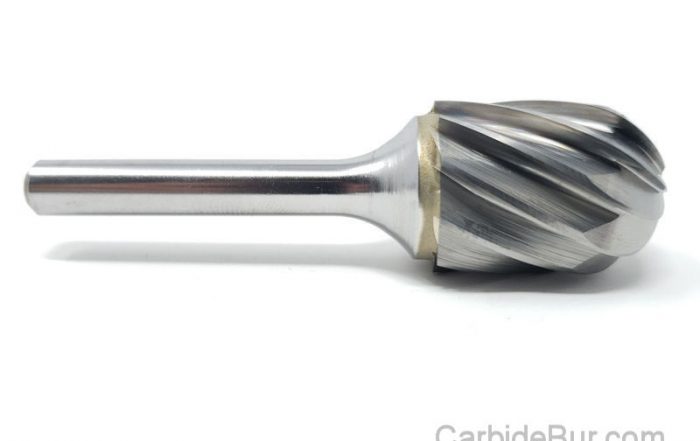
Best Carbide Burr for Concave Surfaces
Best Carbide Burr for Concave Surfaces Concave surfaces can turn a straightforward project into a frustrating challenge if you don’t have the right tool. Carbide burrs designed for these tricky curves make all the difference [...]
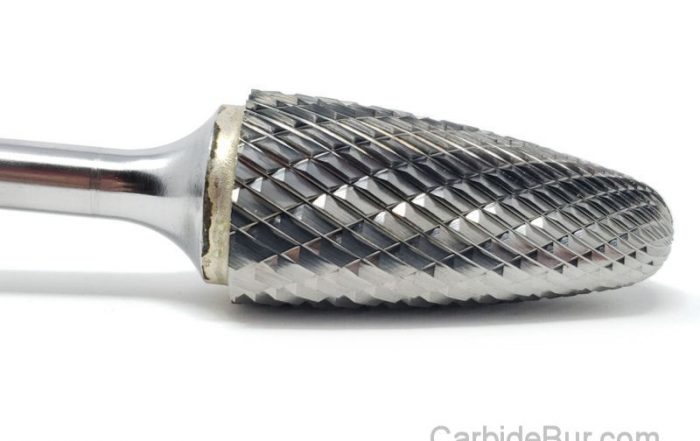
How to Grind a Slot in Metal With a Carbide Burr
How to Grind a Slot in Metal With a Carbide Burr Grinding a precise slot in metal can feel like a tricky task, especially if you’re unsure which tools to trust. Carbide burr grinding offers [...]

Best Carbide Burr for Inside Corners
Best Carbide Burr for Inside Corners Working in tight inside corners can turn even simple projects into frustrating tasks. Many carbide burrs just don’t fit or cut cleanly where you need them most. The best [...]
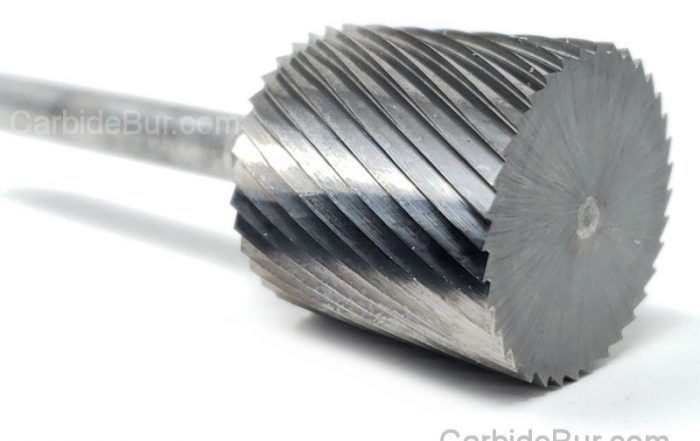
What Size Carbide Burr Do I Need?
What Size Carbide Burr Do I Need? Picking the wrong carbide burr can turn a simple project into a frustrating mess. You might have the best machining tools but still miss the mark if your [...]
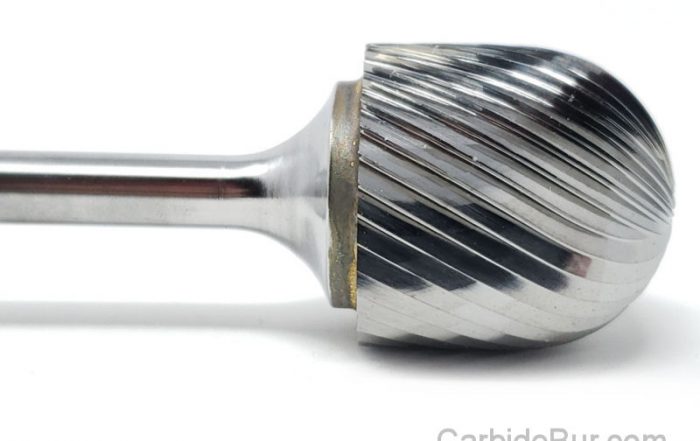
How to Smooth Sharp Metal Edges With a Carbide Burr
How to Smooth Sharp Metal Edges With a Carbide Burr Sharp metal edges can turn your project from professional to risky in seconds. If you’ve struggled with smoothing metal edges without scratching or weakening the [...]
