
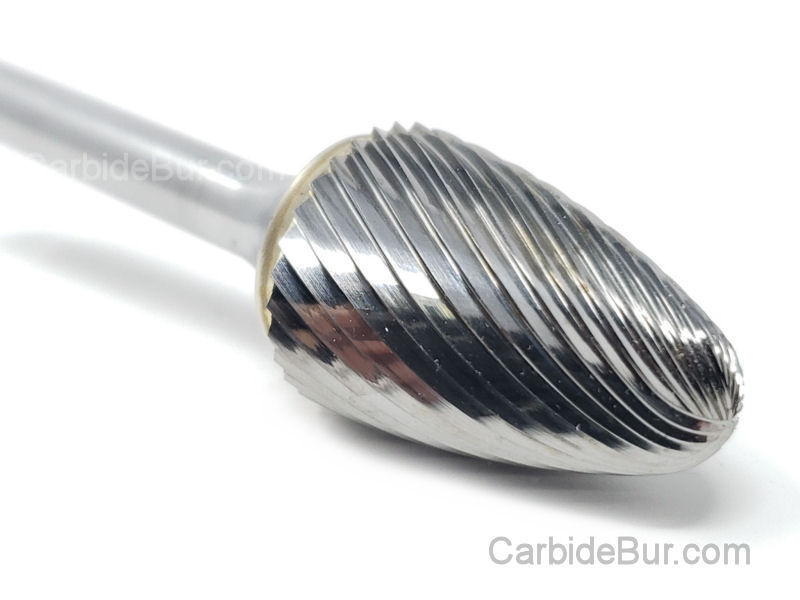
What Innovative Techniques Can You Explore With Your Carbide Burr?
You can unlock a world of creativity and precision with your carbide burr by exploring various innovative techniques. This versatile tool is not just for simple grinding; it can elevate your projects through intricate detailing, shaping, and finishing. Whether you’re a hobbyist or a professional, mastering these techniques can enhance your craftsmanship and expand your skill set. Dive in and discover how to make the most of your carbide burr, transforming your ideas into reality with unmatched accuracy.
Find more carbide bur die grinder tool bits here
Understanding Carbide Burrs
Before you probe into innovative techniques with carbide burrs, it’s imperative to understand what they are and how they function. These tools are designed for high-efficiency material removal and are made from tungsten carbide, which provides durability and precision. Primarily used in machining, automotive, and metalworking industries, they can effectively shape, grind, and smooth various materials. Understanding the characteristics and applications of carbide burrs will help you maximize their potential for your projects.
Types of Carbide Burrs
An array of carbide burrs exists to cater to different applications, each varying in shape and design. Below is a breakdown of common types:
| Shape | Use |
| Ball | Ideal for contouring and removing material from rounded surfaces. |
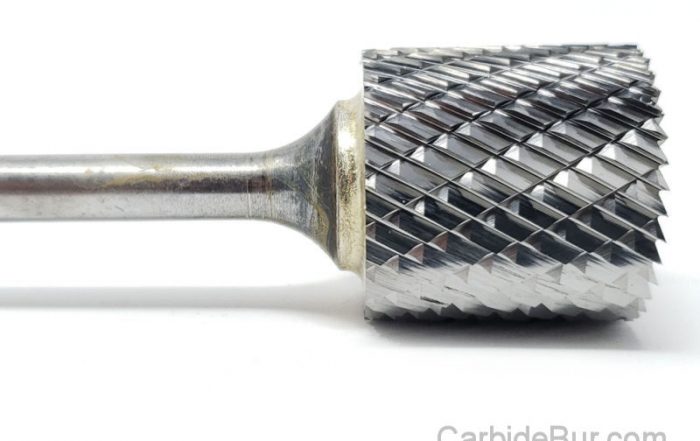
| Cylinder | Used for flat surfaces and in hard-to-reach areas. |
| Flame | Perfect for intricate designs and fine detailing. |
| Tree | Suitable for creating grooves and slots. |
| Taper | Assist in shaping and finishing edges. |
Recognizing the right type of burr for your specific task can enhance your efficiency and the quality of your work.
Applications of Carbide Burrs
Among the many uses for carbide burrs, they are particularly effective in metalworking, woodworking, and automotive repairs. These versatile tools excel in both rough shaping and precise finishing tasks, making them invaluable for various projects. Whether you need to remove excess material or create intricate details, using the correct burr can streamline your workflow.
For instance, in woodworking, carbide burrs can help with shaping contours and eliminating rough edges, enabling you to achieve a smooth finish on intricate designs. In metalworking, they are imperative for deburring sharp edges and refining specific features on machined parts. Their adaptability allows you to take on a broad range of applications across different materials, making them a must-have in your toolkit.
Innovative Techniques for Metalworking
There’s a vast potential for creative exploration when it comes to metalworking with carbide burrs. By integrating these tools into your workflow, you can achieve astonishing results that elevate the quality and appeal of your projects. Emphasizing precise techniques can lead to unique outcomes, whether you’re working on intricate designs or finishing touches. Your journey with carbide burrs can open doors to endless possibilities.
Precision Shaping
Against the backdrop of traditional metalworking methods, precision shaping with carbide burrs allows you to achieve remarkable accuracy. This technique can refine contours and edges, promoting a superior fit and finish in your projects. By carefully selecting the right burr shape and size, you can navigate tight spaces and create intricate designs that enhance the overall aesthetic of your work.
Creating Unique Textures
Across various applications, carbide burrs excel in producing distinctive surface textures that can redefine the appearance of your metal projects. This technique allows you to accentuate certain areas or create visual contrast, setting your work apart from standard finishes. By experimenting with different burr types and techniques, you can unlock new textures that bring character and uniqueness to your metal creations.
And as you explore creating unique textures, consider varying the speed and pressure applied during the machining process. By adjusting these factors, you’ll uncover endless texture possibilities, from smooth finishes to deep grooves and patterns. Incorporating these textures can provide functional benefits as well, such as improved grip or reduced weight on your projects, ultimately enhancing their performance and visual appeal. Your creativity combined with the versatility of carbide burrs will lead to extraordinary results in metalworking.
Techniques for Woodworking
Some woodworking projects can benefit greatly from the versatility of carbide burrs. These tools allow you to tackle various tasks, such as shaping, smoothing edges, and adding intricate designs to your wood pieces. By incorporating carbide burrs into your woodworking routine, you can achieve a professional finish and bring your creative visions to life, whether you are a beginner or an experienced craftsman.
Detailing and Finishing
With carbide burrs, you can enhance your woodworking details to create stunning finishes. Use these tools to smooth surfaces, refine edges, and define intricate patterns. Their precision allows you to achieve the quality and detail that will elevate your projects, making them stand out and showcase your craftsmanship.
Carving and Sculpting
Among the various woodworking techniques, carving and sculpting stand out as an art form that allows you to express your creativity. With carbide burrs, you can easily shape wood into intricate designs, giving life to your artistic visions. These tools excel in removing material quickly and accurately, making them ideal for deep cuts and delicate detailing.
Further, when venturing into carving and sculpting, carbide burrs facilitate various styles, from traditional relief carvings to more complex three-dimensional shapes. Experimenting with different burr shapes and sizes will help you master textures, contours, and unique features. As you become more comfortable with the technique, your ability to create custom pieces and intricate designs will grow, adding a personal touch to your woodworking projects.
Safety Best Practices
Your safety is paramount when using a carbide burr. To ensure a secure environment, always work in a spacious area with adequate lighting, and keep your workspace organized to avoid accidents. Familiarize yourself with your tool’s operating instructions and pay close attention to the manufacturer’s recommendations. Ensure that your equipment is in good condition and properly maintained, as this contributes to a safer and more effective work process.
Personal Protective Equipment
After selecting your favorite carbide burr, don’t overlook the importance of personal protective equipment (PPE). Equip yourself with safety glasses to shield your eyes from debris, dust masks to avoid inhalation of harmful particles, and proper gloves to protect your hands from sharp edges. A well-fitted dust mask or respirator can significantly reduce respiratory risks, especially when working on delicate materials that generate fine dust.
Handling and Maintenance
Behind every effective use of a carbide burr lies proper handling and maintenance. Consistently check the burr for wear and damage before use, ensuring that it operates at peak efficiency. Store your burrs in a dry, clean environment to prevent rust and deterioration. Regularly clean the tools after use to remove debris, which can impact performance. Following these steps not only extends the life of your carbide burr but also guarantees optimal safety during your projects.
Practices such as routinely inspecting your carbide burr for nicks and chips can help maintain its cutting efficiency. If you notice any damage, replace the burr immediately. Periodically lubricating burrs is also advisable, as it can help in reducing friction and wear. Proper technique during use, including steady pressure and controlled movements, further ensures effective cutting and prolongs tool life. By adhering to these maintenance practices, you can enhance your work’s quality and keep yourself safer while using carbide burrs.
Troubleshooting Common Issues
Many users encounter challenges while working with carbide burrs, which can affect project outcomes. Understanding these common issues and their solutions can help you maintain efficiency and achieve your desired results. From burr wear to surface finish problems, addressing these concerns promptly ensures that your projects remain on track and your tools serve you effectively. Let’s explore some strategic approaches to troubleshooting.
Effective Solutions for Burr Wear
Issues related to your carbide burr wear can manifest through reduced cutting efficiency and increased heat generation. To address this, ensure you are using the appropriate burr for your material and maintain the right speed and pressure during operation. Regular inspection and timely replacement of worn burrs can significantly extend tool life and enhance performance.
Addressing Surface Finish Problems
Effective techniques can significantly improve the surface finish of your projects. If you’re experiencing rough or inconsistent finishes, assessing your burr selection and RPM can help. Using the right burr shape and grit, combined with steady and consistent movement, leads to cleaner results.
Common factors that contribute to surface finish problems include excessive feed rates, improper burr selection, and inadequate tool maintenance. Evaluating these elements can uncover underlying issues affecting your results. For example, slowing down your feed rate can allow the burr to properly cut the material, while using a finer grit burr may help achieve a smoother finish. Regularly cleaning your burrs and ensuring they are free of debris also aids in producing a superior surface finish.
To wrap up
So as you explore innovative techniques with your carbide burr, consider the various applications and styles that can enhance your craftsmanship. From intricate detailing to robust material removal, your carbide burr can be a versatile tool in your arsenal. For further insights on maximizing its potential, you can check out the informative resource Beyond Burr Basics | Norton Abrasives | US and Canada. With the right techniques, you can elevate your projects to new heights.
Find more carbide bur die grinder tool bits here
Carbide Burr Safety: 15 Mistakes That Can Cause Injury or Damage
Carbide Burr Safety: 15 Mistakes That Can Cause Injury or Damage Carbide burr safety is often overlooked until a costly mistake happens. Many metalworkers and DIYers make the same errors that lead to injuries or [...]
Can You Use a Carbide Burr in a Drill?
Can You Use a Carbide Burr in a Drill? Most people think a standard drill can’t handle a carbide burr, but that’s not true. Using carbide burr in the right drill can speed up your [...]
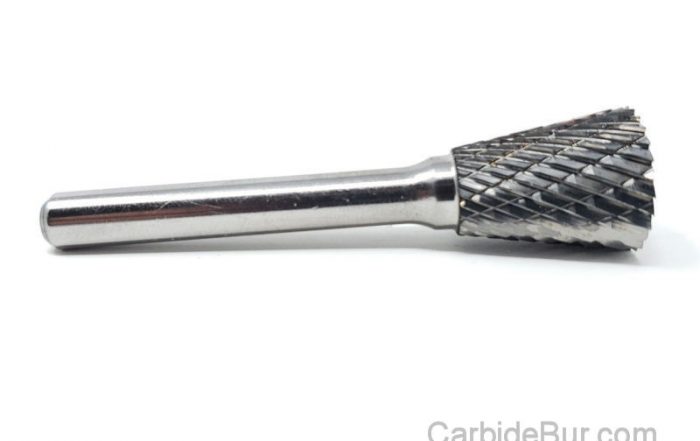
Carbide Burrs for Removing Rust: What Works Best?
Carbide Burrs for Removing Rust: What Works Best? Rust can turn your favorite tools into useless junk faster than you expect. Removing it without ruining the metal underneath takes more than just elbow grease—it demands [...]
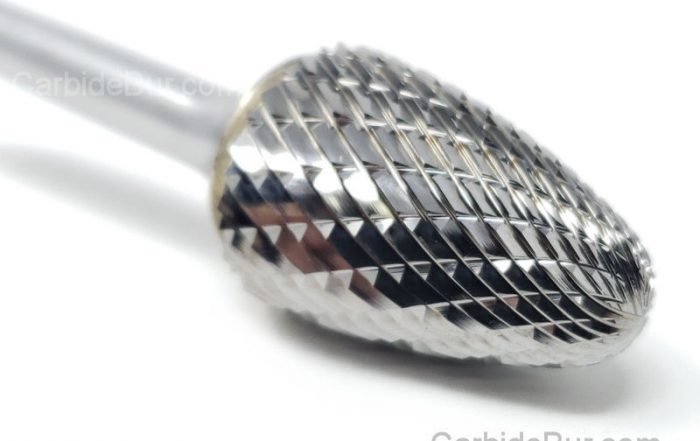
How Much Pressure Should You Use With a Carbide Burr?
How Much Pressure Should You Use With a Carbide Burr? Most people think pressing harder with a carbide burr speeds up the job. That’s not true—too much pressure wears out your tool and ruins the [...]
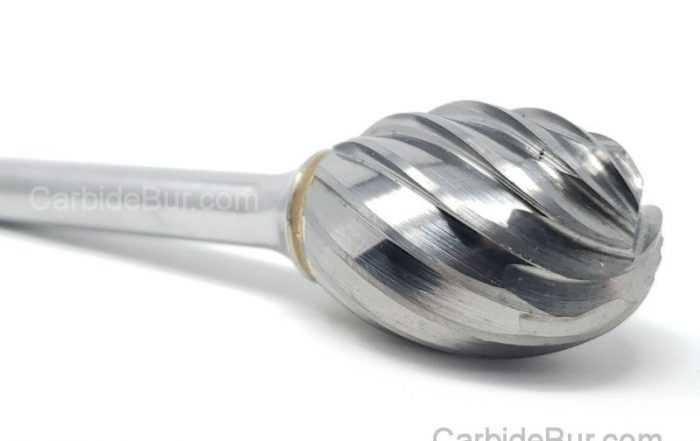
Can You Use Carbide Burrs With an Air Die Grinder?
Can You Use Carbide Burrs With an Air Die Grinder? Most people don’t realize how well carbide burrs work with air die grinders until they try them. If you’ve ever struggled with finding the right [...]
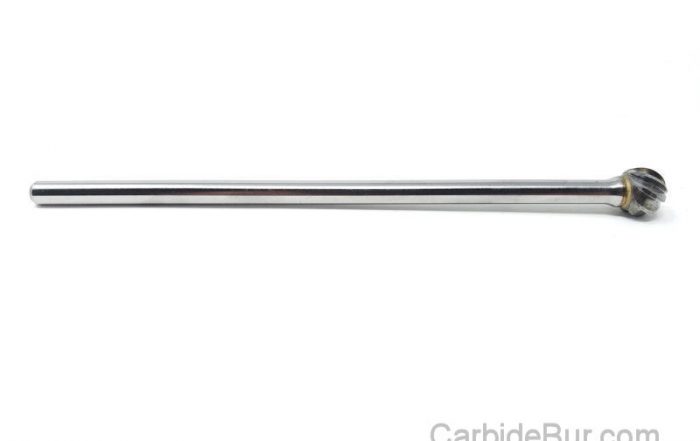
Best Long Reach Carbide Burr for Deep Metal Work
Best Long Reach Carbide Burr for Deep Metal Work Long reach carbide burrs often promise deep metal access, but many fall short where it counts most. You need a tool that cuts cleanly, lasts through [...]
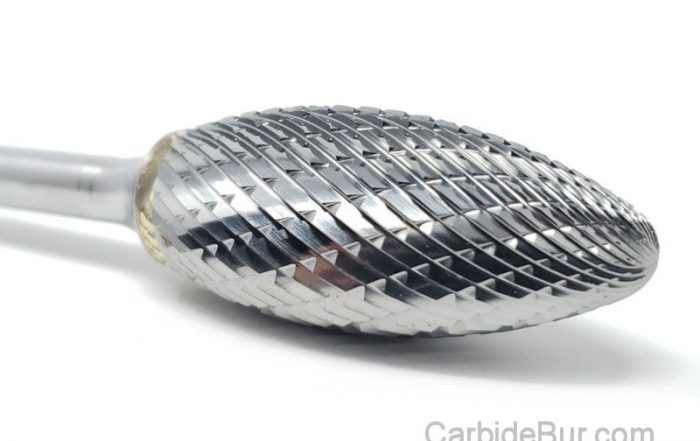
What RPM Should You Use for a 1/8 Inch Carbide Burr?
What RPM Should You Use for a 1/8 Inch Carbide Burr? Most people guess the right carbide burr RPM by feel—and waste hours redoing work. If you want cleaner cuts and longer tool life, your [...]
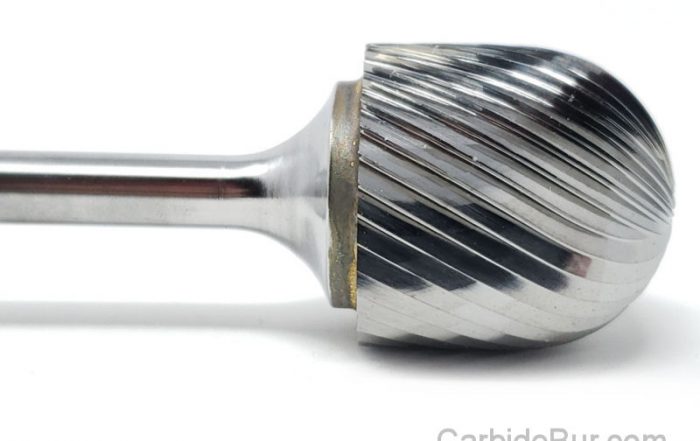
Carbide Burrs for Tight Spaces: Choosing the Right Shape
Carbide Burrs for Tight Spaces: Choosing the Right Shape Tackling tight spaces with the wrong carbide burrs wastes time and risks damaging your work. Choosing the right burr shape makes all the difference when working [...]
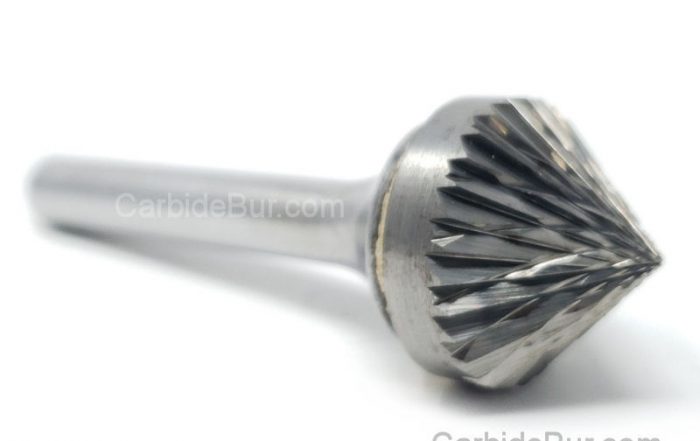
Can Carbide Burrs Remove Paint From Metal?
Can Carbide Burrs Remove Paint From Metal? Stripping paint from metal often feels like a tough chore that risks damaging the surface underneath. Many turn to carbide burrs hoping they can speed things up without [...]
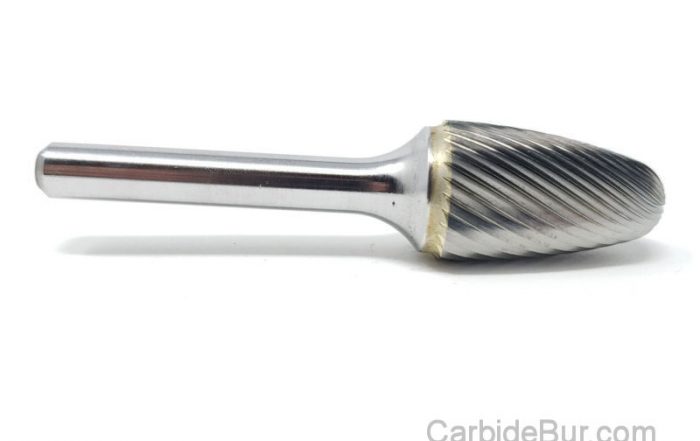
How to Grind a Groove in Metal With a Carbide Burr
How to Grind a Groove in Metal With a Carbide Burr Most metalworkers struggle to cut clean grooves without wasting time or ruining their workpiece. Many try different metalworking tools but end up with uneven [...]
Can Carbide Burrs Cut Through Welds?
Can Carbide Burrs Cut Through Welds? Cutting through welds can feel like a battle, especially when you need clean results without harming the base metal. Carbide burrs offer a sharp edge in this fight, but [...]
How to Use a Carbide Burr With a Die Grinder
How to Use a Carbide Burr With a Die Grinder Most people treat a carbide burr like just another tool, but using it with a die grinder takes skill. If you’ve struggled with burr installation [...]
