
Mastering Carbide Burs: Port Matching Techniques for Automotive Enthusiasts
Most engine porting guides leave out the real secrets to using carbide burs right. If you’ve wasted time guessing the right RPM or picked the wrong tool, you’re not alone. This post breaks down exact tool recommendations, shows clear before after photos, and walks you through port matching with carbide burs for intake exhaust cleaning that actually works. Learn more here.
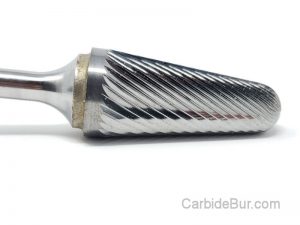
Find more information at CarbideBur.com
Introduction to Carbide Burs
Carbide burs can seem like a mystery, but understanding their importance in automotive work is key. Used correctly, they are vital for improving engine performance and efficiency. Let’s uncover how these small tools can make a big difference.
Importance of Carbide Burs
Carbide burs are like the secret weapon in your automotive toolkit. They are incredibly durable and can handle high-speed operations without wearing out quickly. This means you can rely on them for precision tasks like port matching and intake and exhaust cleaning. More importantly, using carbide burs can lead to noticeable improvements in engine performance, making your car run smoother and faster. For more insights on their role in engine porting, check out this resource.
Common Automotive Applications
In the world of cars, carbide burs are indispensable. They’re often used in shaping, smoothing, and cleaning metal surfaces. Whether you’re working on engines or exhaust systems, these tools help you achieve the detailed finishes necessary for optimal performance. Imagine being able to fine-tune your engine’s airflow—carbide burs make it possible. Armed with this knowledge, you can tackle projects with confidence, knowing you’ve got the right tools for the job.
Mastering Port Matching Techniques
Having understood the value of carbide burs, it’s time to explore their role in mastering port matching techniques. This practice can significantly boost your engine’s efficiency if done correctly.
Step-by-Step Port Matching
Port matching is like giving your engine a tune-up from the inside. Start by identifying the areas where the intake manifold and cylinder head meet. These areas often have misalignments that restrict airflow. Use your carbide bur to carefully grind these surfaces until they match perfectly. This ensures that air flows smoothly into the engine, enhancing combustion and power output. Remember, patience is key—precision takes time. For a detailed guide, you can refer to this article.
Effective Intake and Exhaust Cleaning
Cleaning the intake and exhaust passages with carbide burs can transform your engine’s performance. These areas accumulate carbon deposits over time, which can choke the engine. By using a carbide bur, you can remove these buildups effectively. Begin by selecting the correct shape of the bur for the job—ball-shaped burs work great for tight corners. With a steady hand, clean out the passages, ensuring no residue is left behind. This process not only improves airflow but also extends the life of your engine components.
Essential Tool Recommendations
Having the right tools is half the battle won. In this section, we’ll discuss how to choose them wisely and the results you can expect.
Recommended RPM for Carbide Burs
The speed at which you use your carbide bur is crucial. An RPM range of 15,000 to 35,000 is generally ideal for most automotive applications. Too fast, and you risk damaging the tool or the material; too slow, and you might not get the desired finish. Always check the manufacturer’s guidelines for optimal speed settings. Correct RPM not only ensures a clean cut but also prolongs the life of your burs.
Before and After Photos for Clarity
Seeing is believing. Before starting your project, take photos of the surfaces you plan to work on. This makes it easy to track progress and appreciate the transformation. After using carbide burs, take another set of photos. You’ll notice cleaner, smoother surfaces that are perfectly aligned. These visual comparisons can be incredibly satisfying and serve as proof of your hard work. If you’re curious about what successful porting looks like, watch this video tutorial for a real-world example.
By understanding and applying these techniques, you can achieve professional-grade results in your automotive projects. Happy porting!
Find more information at CarbideBur.com

Can You Use a Carbide Burr With an Electric Die Grinder?
Can You Use a Carbide Burr With an Electric Die Grinder? Most people don’t realize how much a carbide burr can change the way an electric die grinder works. Using the right burr type can [...]
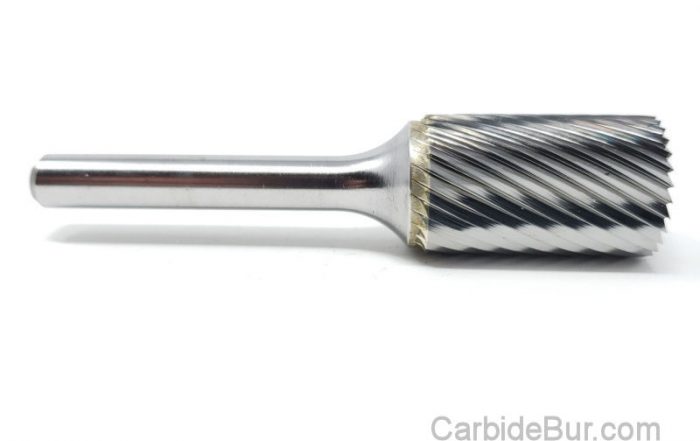
How to Deburr Holes With a Carbide Burr
How to Deburr Holes With a Carbide Burr Most people think any tool will do for deburring holes. The truth is, using the right carbide burr with the correct size and shape changes everything. In [...]
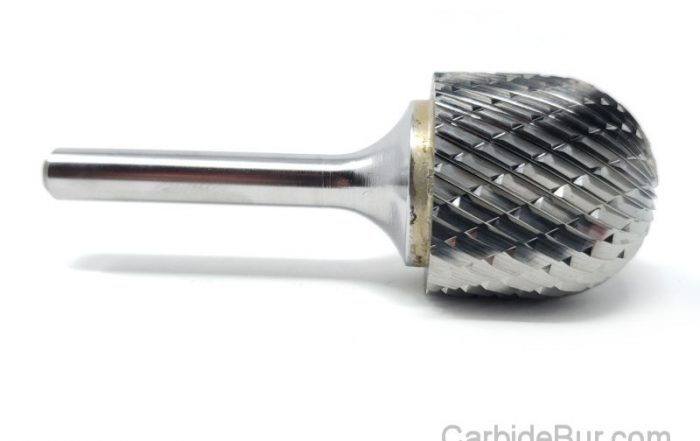
How to Choose the Correct Carbide Burr Shank Size
How to Choose the Correct Carbide Burr Shank Size Many machinists lose hours troubleshooting tool issues caused by the wrong carbide burr shank size. Using a shank that doesn’t fit your grinder can lead to [...]
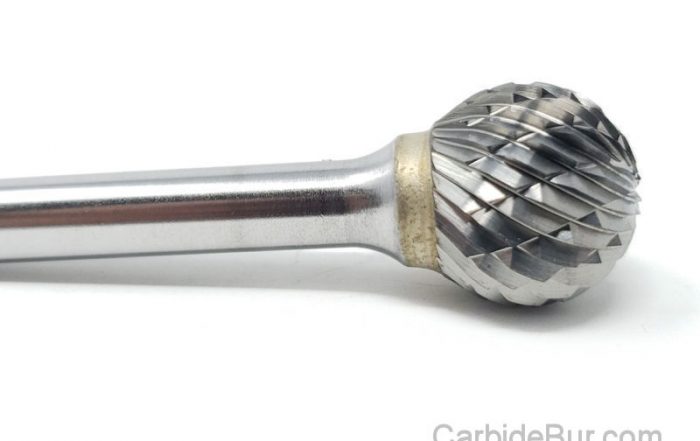
How to Remove Casting Flash With a Carbide Burr
How to Remove Casting Flash With a Carbide Burr Casting flash ruins the look and fit of your metal parts. You’ve tried sanding or grinding, but the results aren’t clean or fast enough. Learning how [...]
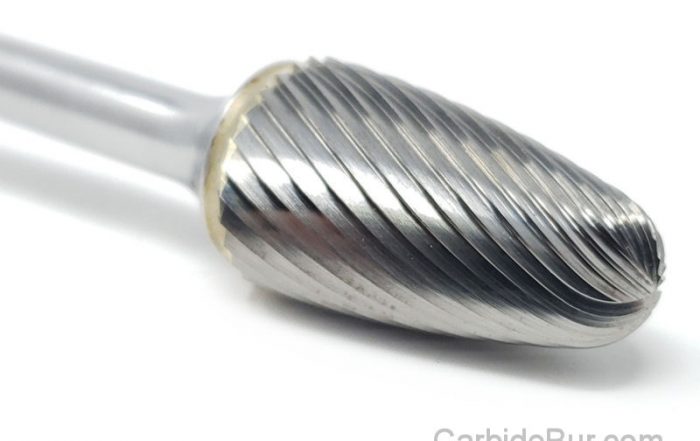
Best Carbide Burr for Enlarging a Hole in Metal
Best Carbide Burr for Enlarging a Hole in Metal When you need to enlarge a hole in metal, grabbing the wrong carbide burr can turn a simple task into a frustrating mess. Picking the best [...]
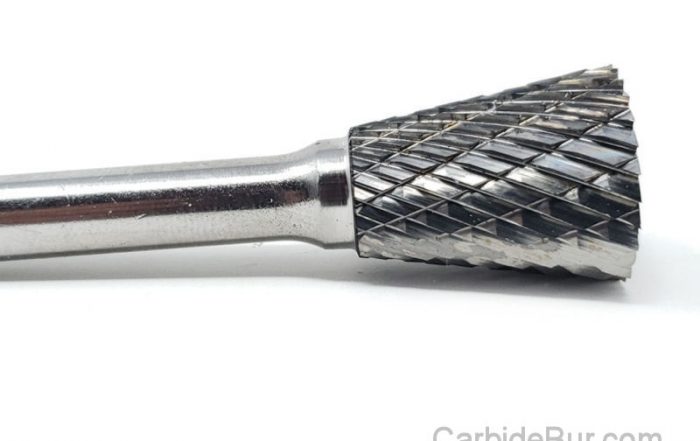
Carbide Burr Safety: 15 Mistakes That Can Cause Injury or Damage
Carbide Burr Safety: 15 Mistakes That Can Cause Injury or Damage Carbide burr safety is often overlooked until a costly mistake happens. Many metalworkers and DIYers make the same errors that lead to injuries or [...]
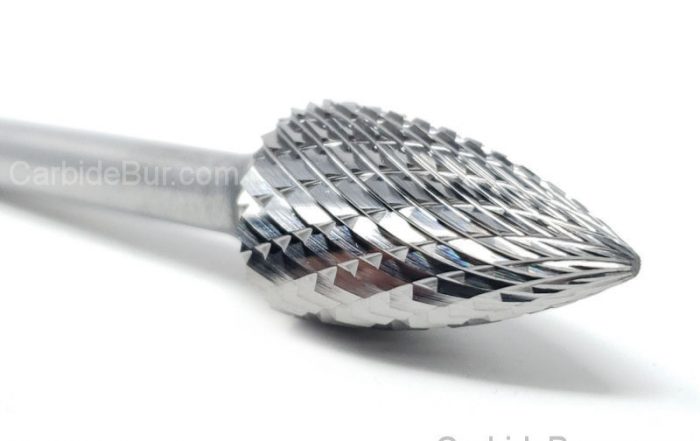
Can You Use a Carbide Burr in a Drill?
Can You Use a Carbide Burr in a Drill? Most people think a standard drill can’t handle a carbide burr, but that’s not true. Using carbide burr in the right drill can speed up your [...]
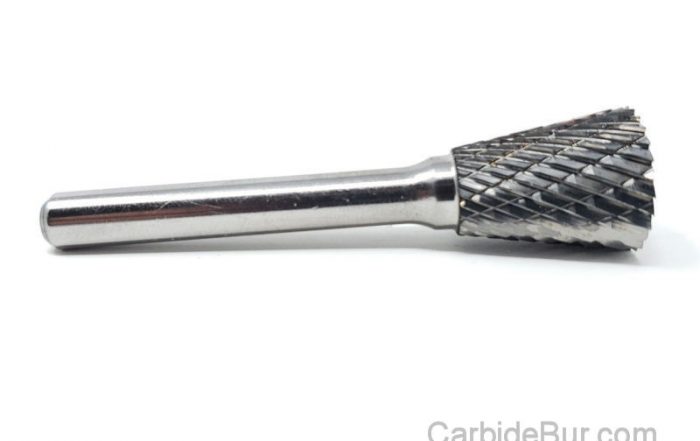
Carbide Burrs for Removing Rust: What Works Best?
Carbide Burrs for Removing Rust: What Works Best? Rust can turn your favorite tools into useless junk faster than you expect. Removing it without ruining the metal underneath takes more than just elbow grease—it demands [...]
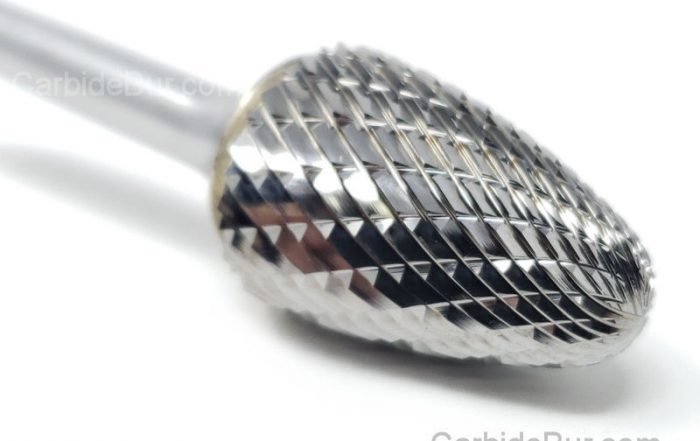
How Much Pressure Should You Use With a Carbide Burr?
How Much Pressure Should You Use With a Carbide Burr? Most people think pressing harder with a carbide burr speeds up the job. That’s not true—too much pressure wears out your tool and ruins the [...]
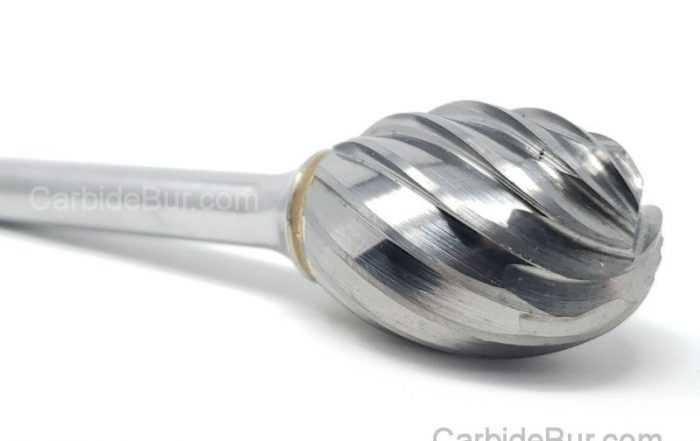
Can You Use Carbide Burrs With an Air Die Grinder?
Can You Use Carbide Burrs With an Air Die Grinder? Most people don’t realize how well carbide burrs work with air die grinders until they try them. If you’ve ever struggled with finding the right [...]
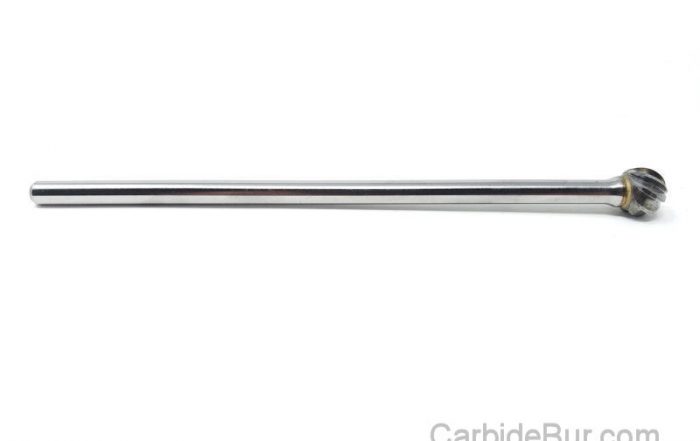
Best Long Reach Carbide Burr for Deep Metal Work
Best Long Reach Carbide Burr for Deep Metal Work Long reach carbide burrs often promise deep metal access, but many fall short where it counts most. You need a tool that cuts cleanly, lasts through [...]
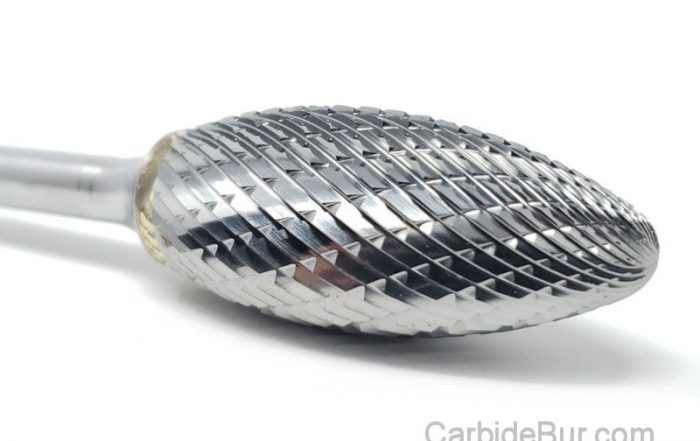
What RPM Should You Use for a 1/8 Inch Carbide Burr?
What RPM Should You Use for a 1/8 Inch Carbide Burr? Most people guess the right carbide burr RPM by feel—and waste hours redoing work. If you want cleaner cuts and longer tool life, your [...]
