
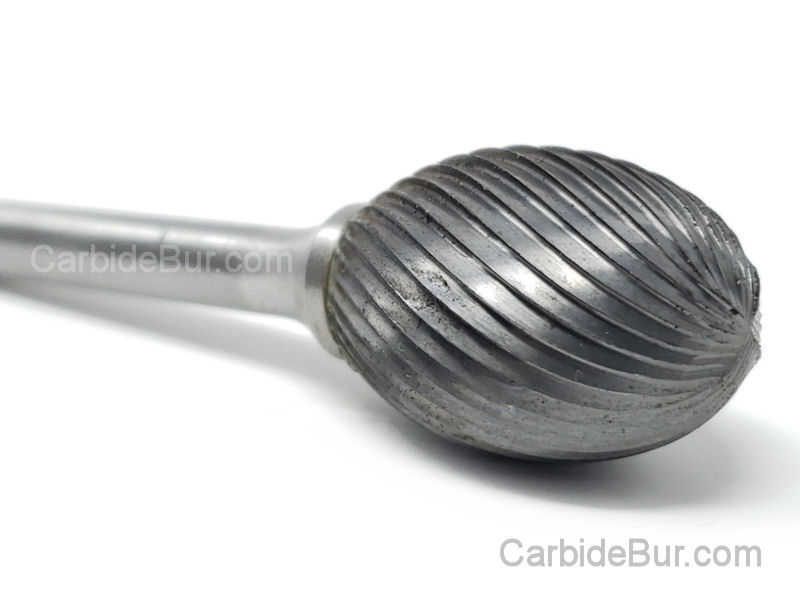
What Distinguishes A Tungsten Carbide Burr From Traditional Cutting Tools?
Carbide cutting tools are known for their durability and precision, but when it comes to shaping and finishing, tungsten carbide burrs offer unique advantages over traditional cutting tools. You might be wondering what sets these specialized tools apart in terms of performance, design, and applications. In this blog post, we’ll explore the distinctive features of tungsten carbide burrs that make them ideal for tasks such as engraving, grinding, and carving, enabling you to make informed choices for your projects.
Find more carbide bur die grinder tool bits here
Overview of Tungsten Carbide Burrs
For metalworking and fabrication tasks, tungsten carbide burrs stand out due to their robustness and efficiency. These specialized tools are designed to shape, grind, and carve various materials with exceptional precision, making them a preferred choice for professionals and hobbyists alike. The unique properties of tungsten carbide ensure durability and longevity, ultimately contributing to superior performance in various applications.
Composition and Manufacturing Process
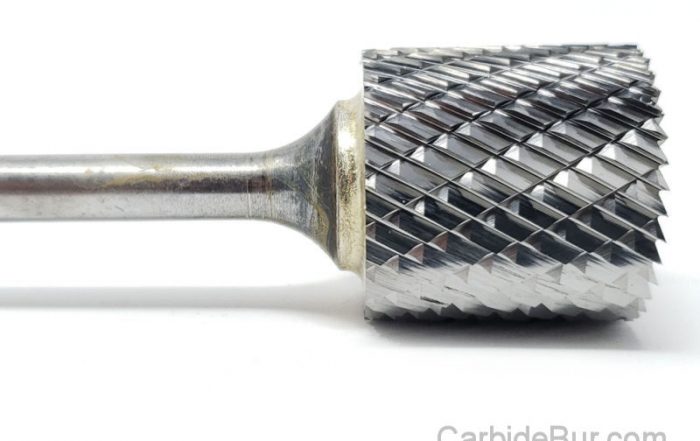
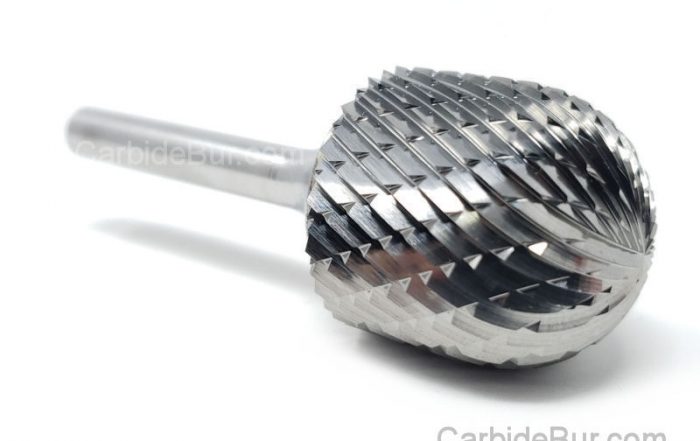
Before delving into their applications, it’s important to understand that tungsten carbide burrs are made from a composite of tungsten and carbon that is sintered under high temperatures. This manufacturing process results in a very hard material, providing the burrs with impressive resistance to wear and tear while ensuring they maintain sharp cutting edges. Additionally, precise engineering during production helps create a variety of shapes and sizes to suit different tasks.
Types of Tungsten Carbide Burrs
Pertaining to tungsten carbide burrs, there are several types tailored for specific tasks. Here’s a breakdown of the common types you’ll encounter:
- Ball Nose Burrs
- Flame Burrs
- Tree Burrs
- Straight Burrs
- Radius Burrs
This diverse range allows you to select the right tool for your project, enhancing efficiency and results.
| Type | Common Uses |
|---|---|
| Ball Nose Burrs | Curved surfaces and detailing |
| Flame Burrs | Shaping and contouring edges |
| Tree Burrs | Creating V-shaped grooves |
| Straight Burrs | Flattening and hollowing out materials |
| Radius Burrs | Deburring and smoothing edges |
Process your selection wisely by understanding the unique functions of each burr type. Selecting the appropriate burr for your workpiece can significantly impact the outcome of your project.
- Consider your material type
- Evaluate the required finish
- Choose based on desired depth of cut
- Factor in the burr shape for efficiency
- Assess your working speed and precision
This approach ensures that your projects meet both quality and efficiency standards.
| Factor | Importance |
|---|---|
| Material Type | Affects burr choice and durability |
| Finish Quality | Determines the burr shape and grit |
| Cut Depth | Influences burr size and power needed |
| Burr Shape | Impacts efficiency of the cutting process |
| Speed and Precision | Directs tool selection and usage techniques |
Hence, considering these factors will enhance your understanding of which burr to use and how to achieve the best results in your metalworking projects.
Traditional Cutting Tools Explained
If you are familiar with various cutting tools, you may have noticed that traditional cutting tools are often made from high-speed steel (HSS) or carbide. These tools typically encompass a wide range of items, including end mills, drill bits, and lathes, primarily used for removing material from workpieces in machining and fabrication processes. Their effectiveness largely depends on the material and design used in their construction.
Material Types and Applications
Below is a summary of common materials used for traditional cutting tools along with their typical applications:
| Material Type | Applications |
| High-Speed Steel (HSS) | General machining, drilling |
| Cemented Carbide | High precision machining, milling |
| Cobalt Steel | Heavy-duty cutting, drilling |
| Diamond Coated | High hardness materials |
| Tool Steel | Manufacturing tools, dies |
- High-speed steel is often favored for its versatility.
- Cemented carbide offers exceptional durability.
- Cobalt steel excels in wear resistance.
- Diamond coated tools are ideal for intricate designs.
- Assume that selecting the right material enhances your machining efficiency.
Common Design Features
For every traditional cutting tool, design features such as flutes, cutting edges, and coatings play an integral role in their performance. These tools are engineered to facilitate efficient material removal while maintaining control during use.
Cutting edges are typically sharp and ground for precision, while the flutes allow for chip removal and cooling during the cutting process. Additionally, some tools may feature specialized coatings to enhance their hardness and reduce friction, which ultimately improves their lifespan and effectiveness. An understanding of these common design features can help you choose the right tool for your specific machining needs.
Performance Comparison
Some key aspects differentiate tungsten carbide burrs from traditional cutting tools in terms of performance. The following table outlines these differences:
| Feature | Tungsten Carbide Burrs |
|---|---|
| Durability | Highly resistant to wear and can last significantly longer |
| Cutting Efficiency | Provides faster material removal with superior precision |
| Versatility | Effective on various materials beyond metals |
Durability and Longevity
The lifespan of tungsten carbide burrs far exceeds that of traditional cutting tools. You will find that their robust construction allows them to withstand high-stress applications and extended use, reducing the frequency of tool replacements and ensuring consistent performance over time.
Cutting Efficiency and Precision
Around tungsten carbide burrs, you will experience enhanced cutting efficiency and precision. Their sharp cutting edges and design allow for rapid removal of material while maintaining a fine finish, making them ideal for detailed work and intricate shapes.
In fact, the innovative design of tungsten carbide burrs allows you to achieve smoother finishes at faster speeds, which is especially beneficial for both professional and hobbyist applications. The precision they offer means you can work on detailed projects with confidence, knowing that your tool will perform up to your expectations. This efficiency not only maximizes your productivity but also enhances the quality of your work, making tungsten carbide burrs a superior choice for your cutting needs.
Applications of Tungsten Carbide Burrs
Unlike traditional cutting tools, tungsten carbide burrs offer unrivaled versatility across various applications. These high-performance tools excel in shaping, grinding, and finishing materials such as metal, wood, plastics, and stone, making them suitable for both professional and personal projects. Their unique design and durability can significantly enhance your efficiency and precision when working on intricate tasks.
Industry Use Cases
For professionals in industries like automotive, aerospace, and metalworking, tungsten carbide burrs are indispensable. These tools provide precision and efficiency in deburring, contouring, and engraving, ensuring smooth finishes and facilitating intricate designs. Their longevity and effectiveness help streamline production processes, making them a preferred choice for those who demand quality in every detail.
Hobbyist and DIY Applications
Among hobbyists, tungsten carbide burrs are celebrated for their ability to tackle various crafting and home improvement projects. Whether you are carving wood, shaping resin, or metalworking, these tools allow for fine detail and greater control, resulting in professional-looking outcomes. Their adaptability makes them a wise investment for anyone passionate about DIY creations.
A great feature of tungsten carbide burrs is their suitability for various DIY and hobbyist applications. You can easily use them in projects ranging from woodworking and jewelry making to automotive repairs. With different shapes and sizes available, these burrs empower you to achieve intricate designs and smooth finishes without needing multiple tools. Furthermore, their durability means you can confidently use them on harder materials without worrying about wear and tear, enhancing your overall crafting experience.
Safety Considerations
Not taking safety seriously when using tungsten carbide burrs can lead to severe injuries. The high-speed rotation and sharp cutting edges necessitate a clear understanding of safe operating procedures. Ensure your workspace is organized, and always remain focused on the task at hand. Proper safety measures can make a significant difference in preventing accidents.
Handling and Usage Guidelines
About using tungsten carbide burrs, it’s vital to follow specific handling guidelines to enhance your safety. Ensure you are using the appropriate burr for your task and familiarize yourself with the tool before operation. Keep your hands and body clear of the cutting area, and maintain a firm grip on the tool to ensure control during use.
Protective Equipment Recommendations
By utilizing appropriate protective gear, you can significantly minimize the risk of injury while working with tungsten carbide burrs. This includes wearing safety glasses to protect your eyes, gloves to shield your hands, and a dust mask to avoid inhaling harmful particles generated during the cutting process.
Handling tungsten carbide burrs safely involves wearing the right protective equipment. Using safety glasses is vital to guard your eyes from flying debris, which can cause serious injuries. Additionally, wearing gloves can help protect your hands from cuts, although be cautious not to compromise grip. A dust mask is also recommended to filter out fine particles, ensuring you breathe safely while working. Invest in high-quality protective gear to ensure your safety and maintain a productive working environment when using these powerful cutting tools.
Maintenance and Care
All tools require proper maintenance for optimal performance and longevity, and tungsten carbide burrs are no exception. Regular care not only enhances their cutting effectiveness but also prolongs their lifespan. By investing a little time in maintenance, you ensure that your tools remain sharp and efficient, ready to tackle any job that comes your way.
Cleaning Techniques
Across various applications, keeping your tungsten carbide burrs clean is vital for maintaining their performance. After each use, remove any debris or buildup using a soft brush or compressed air. If needed, a mild solvent can help dissolve stubborn residue, ensuring that your burrs remain in peak condition for your next project.
Storage Best Practices
At the end of your work session, proper storage of your tungsten carbide burrs is key to maintaining their sharpness and integrity. Store them in a protective case or rack to prevent damage and avoid contact with other metal objects that may dull their edges.
Another effective storage method is to keep your tungsten carbide burrs in a moisture-free environment to prevent corrosion. Use a dedicated tool organizer with foam or plastic inserts that securely hold each burr in place. This protects them from accidental impacts and ensures that you can easily access whichever burr you need for your next task. Investing in proper storage not only enhances the durability of your tools but also contributes to a more organized workspace.
To wrap up
Now that you understand the key differences between tungsten carbide burrs and traditional cutting tools, you can appreciate their unique advantages for various applications. These burrs offer superior durability, versatility, and efficiency, making them ideal for precision work in your projects. To further enhance your knowledge, check out this informative resource on What Are The Differences Between Single-cut and Double-cut Tungsten Carbide Cutters. This will help you choose the right tool for your needs with confidence.
Find more carbide bur die grinder tool bits here
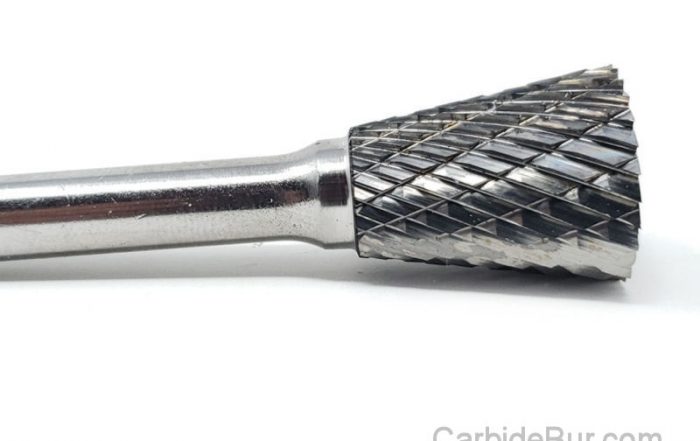
Carbide Burr Safety: 15 Mistakes That Can Cause Injury or Damage
Carbide Burr Safety: 15 Mistakes That Can Cause Injury or Damage Carbide burr safety is often overlooked until a costly mistake happens. Many metalworkers and DIYers make the same errors that lead to injuries or [...]
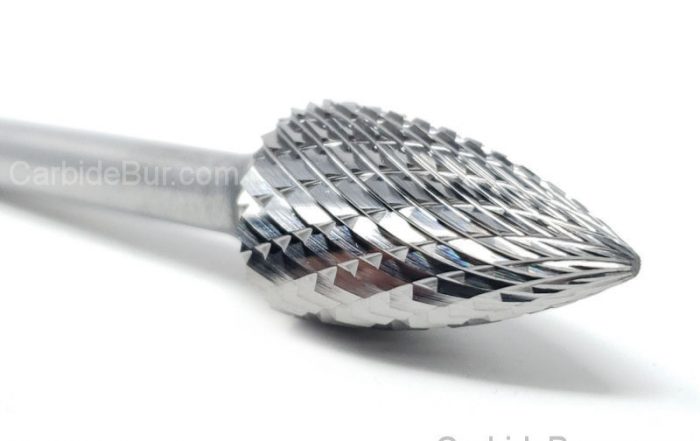
Can You Use a Carbide Burr in a Drill?
Can You Use a Carbide Burr in a Drill? Most people think a standard drill can’t handle a carbide burr, but that’s not true. Using carbide burr in the right drill can speed up your [...]
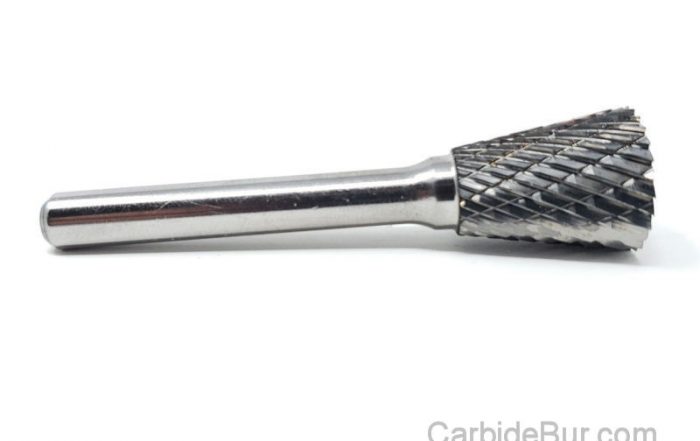
Carbide Burrs for Removing Rust: What Works Best?
Carbide Burrs for Removing Rust: What Works Best? Rust can turn your favorite tools into useless junk faster than you expect. Removing it without ruining the metal underneath takes more than just elbow grease—it demands [...]
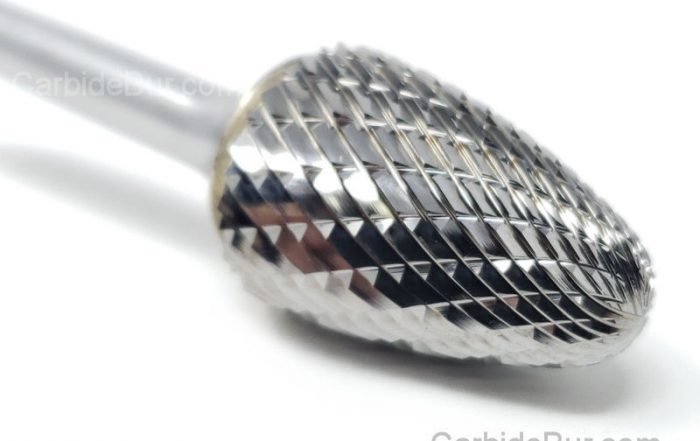
How Much Pressure Should You Use With a Carbide Burr?
How Much Pressure Should You Use With a Carbide Burr? Most people think pressing harder with a carbide burr speeds up the job. That’s not true—too much pressure wears out your tool and ruins the [...]
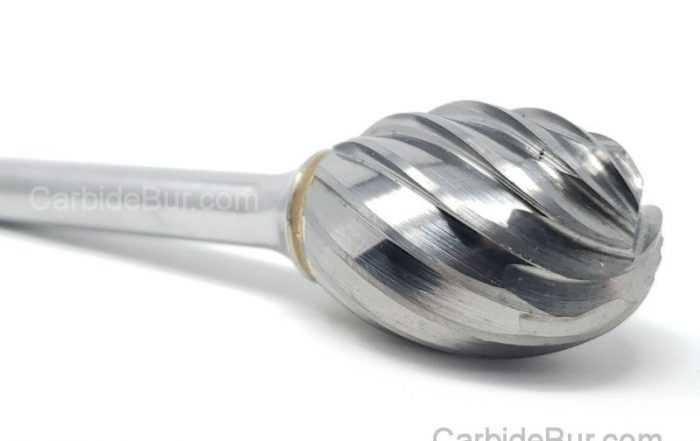
Can You Use Carbide Burrs With an Air Die Grinder?
Can You Use Carbide Burrs With an Air Die Grinder? Most people don’t realize how well carbide burrs work with air die grinders until they try them. If you’ve ever struggled with finding the right [...]
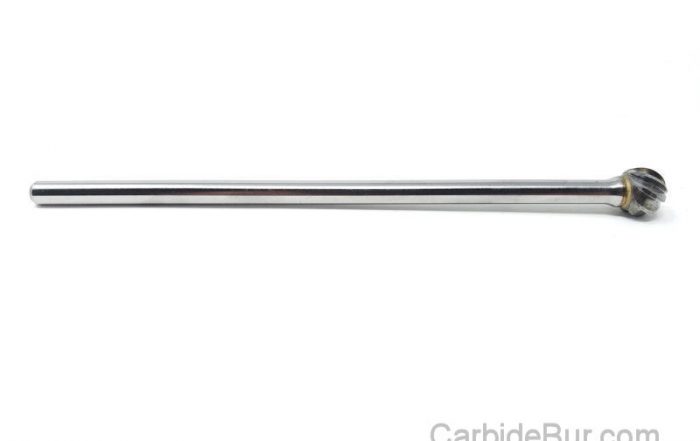
Best Long Reach Carbide Burr for Deep Metal Work
Best Long Reach Carbide Burr for Deep Metal Work Long reach carbide burrs often promise deep metal access, but many fall short where it counts most. You need a tool that cuts cleanly, lasts through [...]
What RPM Should You Use for a 1/8 Inch Carbide Burr?
What RPM Should You Use for a 1/8 Inch Carbide Burr? Most people guess the right carbide burr RPM by feel—and waste hours redoing work. If you want cleaner cuts and longer tool life, your [...]
Carbide Burrs for Tight Spaces: Choosing the Right Shape
Carbide Burrs for Tight Spaces: Choosing the Right Shape Tackling tight spaces with the wrong carbide burrs wastes time and risks damaging your work. Choosing the right burr shape makes all the difference when working [...]
Can Carbide Burrs Remove Paint From Metal?
Can Carbide Burrs Remove Paint From Metal? Stripping paint from metal often feels like a tough chore that risks damaging the surface underneath. Many turn to carbide burrs hoping they can speed things up without [...]
How to Grind a Groove in Metal With a Carbide Burr
How to Grind a Groove in Metal With a Carbide Burr Most metalworkers struggle to cut clean grooves without wasting time or ruining their workpiece. Many try different metalworking tools but end up with uneven [...]
Can Carbide Burrs Cut Through Welds?
Can Carbide Burrs Cut Through Welds? Cutting through welds can feel like a battle, especially when you need clean results without harming the base metal. Carbide burrs offer a sharp edge in this fight, but [...]
How to Use a Carbide Burr With a Die Grinder
How to Use a Carbide Burr With a Die Grinder Most people treat a carbide burr like just another tool, but using it with a die grinder takes skill. If you’ve struggled with burr installation [...]
