
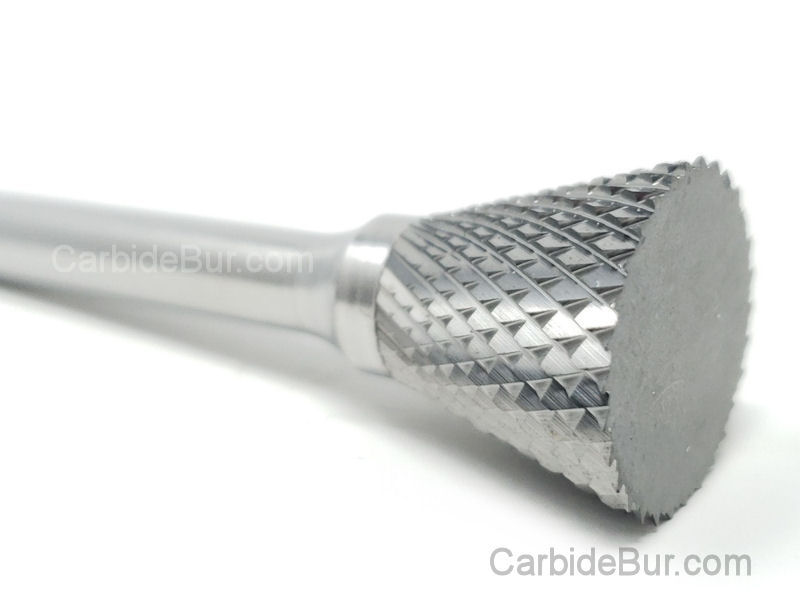
The Secrets of Effective Carbide Bur Welding
In the intricate world of machining, where precision tools are the backbone of industry, the secrets of effective carbide bur welding hold the key to transforming ordinary components into high-performance instruments. As demand surges for tools that not only meet but exceed rigorous standards, understanding the nuanced techniques of temperature control in welding and strategic material selection becomes indispensable. These advanced machining techniques are pivotal in enhancing tool lifespan and optimizing machining efficiency, ensuring machinists, tool manufacturers, and industrial engineers achieve superior craftsmanship standards. In this exploration, we’ll delve into the critical practices that elevate carbide bur welding, revealing how these methods redefine reliability and precision in the field. Join us as we uncover how welder welding innovations and the use of tools like the miter saw are revolutionizing industry standards and applications. Learn more about carbide burr applications and benefits by visiting this link.

Mastering Temperature Control
Effective temperature control is crucial in carbide bur welding. It ensures precision and quality, which are essential for tool performance and longevity.
Importance of Temperature in Welding
Temperature control is vital in welding as it influences the strength and durability of the welded joint. Excessive heat can lead to deformation, while inadequate heating may cause weak bonds. Maintaining optimal temperature ensures the carbide bur remains intact during use.
The role of temperature in welding cannot be overstated. It dictates the microstructure of the weld zone, affecting its mechanical properties. A well-controlled temperature can prevent cracks and distortions, which are common issues in improper welding processes.
For instance, in precision tooling, maintaining a stable temperature ensures that the carbide bur can withstand high-speed rotations without failing. This stability is crucial for applications requiring utmost accuracy, such as dental procedures. For further insights, read more here.
Techniques for Optimal Heat Management
To manage temperature effectively, several techniques can be adopted:
-
Preheating the Components: This helps in avoiding thermal shock and reduces the likelihood of cracking.
-
Using Temperature-Controlled Environments: Welding in controlled environments ensures even heat distribution.
-
Applying Heat Gradually: Slowly increasing the temperature minimizes stress on the materials.
Real-world applications have shown that these techniques not only improve the weld quality but also extend the tool’s lifespan. For example, using a miter saw with precision temperature settings can drastically reduce wear and tear.
Key insights include:
-
Gradual heating prevents material fatigue.
-
Controlled environments enhance consistency in welding quality.
-
Preheating can significantly reduce defects.
Exploring more about these techniques can be beneficial. Check out additional resources on carbide bur welding.
Choosing the Right Materials
Material selection plays a fundamental role in the effectiveness of carbide bur welding. The choice of materials impacts both performance and longevity.
Impact of Material Selection
Different materials have varying properties that affect welding outcomes. For example, choosing carbides with high thermal conductivity ensures better heat distribution, while those with high tensile strength resist deformation.
Material selection impacts not only the strength of the weld but also the thermal stability. For instance, tungsten carbide is preferred for its durability and ability to maintain sharpness under high temperatures. For a comprehensive understanding of carbide materials, refer to this guide.
In practical scenarios, selecting the right materials can lead to significant cost savings by reducing tool replacement frequency. The right choice ensures tools perform optimally even in demanding environments.
Ensuring Tool Longevity
To ensure tool longevity, it’s critical to select materials that can withstand the operational stresses:
-
High Hardness: Materials with high hardness resist wear and extend tool life.
-
Corrosion Resistance: This prevents degradation in challenging environments.
-
Thermal Stability: Materials that remain stable under heat reduce the risk of failure.
In practice, maintaining tool longevity involves balancing cost and performance. Investing in high-quality materials upfront can lead to long-term savings and enhanced productivity.
-
High hardness reduces wear.
-
Corrosion resistance extends tool lifespan.
-
Thermal stability prevents operational failures.
Discover more about material selection for precision tools at Carbide Burr.
Enhancing Machining Efficiency
Enhancing machining efficiency involves optimizing both the tools and the techniques used, aiming for better performance and reduced downtime.
Precision Tools and Craftsmanship
Precision tools are essential for achieving high standards of craftsmanship. They provide the necessary accuracy for complex machining tasks, ensuring parts fit perfectly and function as designed.
Precision tools like carbide burs are designed to deliver accuracy and reliability. They are crucial in industries where tolerances are tight, and precision is paramount, such as aerospace and medical.
The craftsmanship standards achieved through precision tools are unparalleled. They allow for intricate designs and flawless finishes, setting the bar high for quality and performance.
For more information on precision tools, visit Carbide Bur.
Advanced Machining Techniques and Standards
Advanced machining techniques are revolutionizing the industry, setting new standards for quality and efficiency. Techniques such as CNC machining and laser cutting allow for high precision and repeatability.
Advanced techniques offer numerous advantages:
-
Increased Accuracy: Ensures components meet exact specifications.
-
Improved Efficiency: Reduces production time and costs.
-
Higher Quality Standards: Meets rigorous industry demands.
A case study demonstrates how incorporating advanced techniques can lead to significant improvements in production. For example, a manufacturer adopted CNC technology and reported a 25% increase in efficiency and a 30% reduction in material waste.
-
Higher accuracy leads to better product quality.
-
Efficiency gains result in reduced costs.
-
Quality improvements enhance market competitiveness.
To explore more on advanced machining techniques and their impact, check out this comprehensive guide.
Find more carbide bur die grinder tool bits here
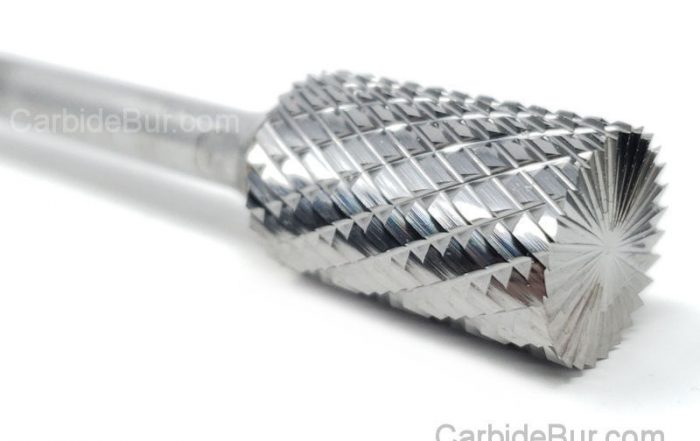
Comparing Electric and Pneumatic Die Grinders with Carbide Burrs
Power and Precision: Comparing Electric and Pneumatic Die Grinders with Carbide Burrs Choosing the right die grinder for your carbide burrs can feel like a maze. Electric die grinders promise power at your fingertips, while [...]
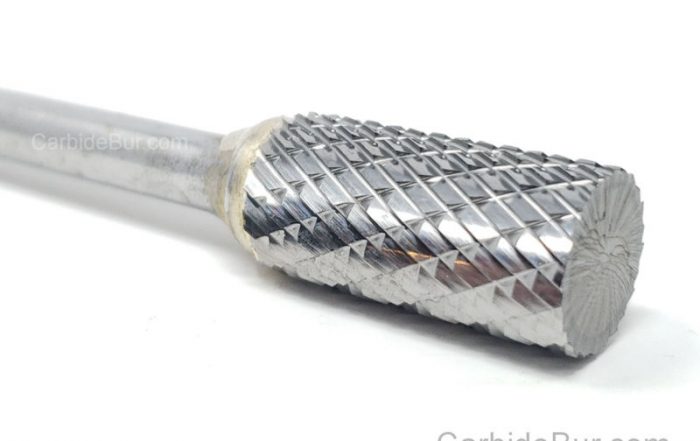
The Top Tools Driving the Future of Aerospace Machining
The Top Tools Driving the Future of Aerospace Machining The demand for aerospace machining has surged, pushing manufacturers to deliver high-precision metal parts faster than ever. Meeting tight standards while cutting lead times in aerospace [...]
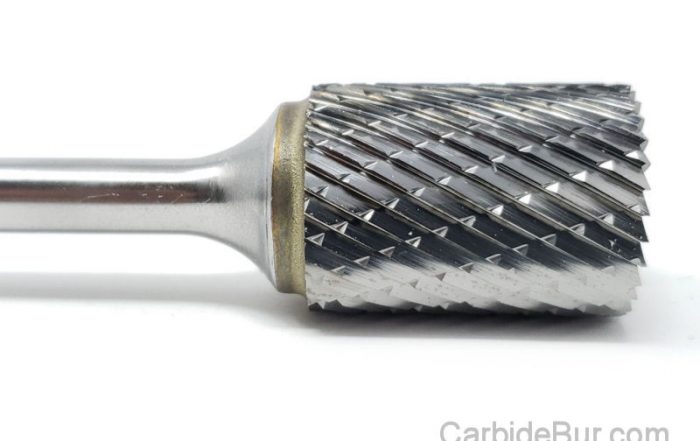
Mastering Carbide Burrs for Enhanced Engine Performance
Beginner's Guide to Engine Porting: Mastering Carbide Burrs for Enhanced Engine Performance Most beginners think engine porting is just about grinding metal. The truth is, mastering carbide burrs can change how air moves through your [...]
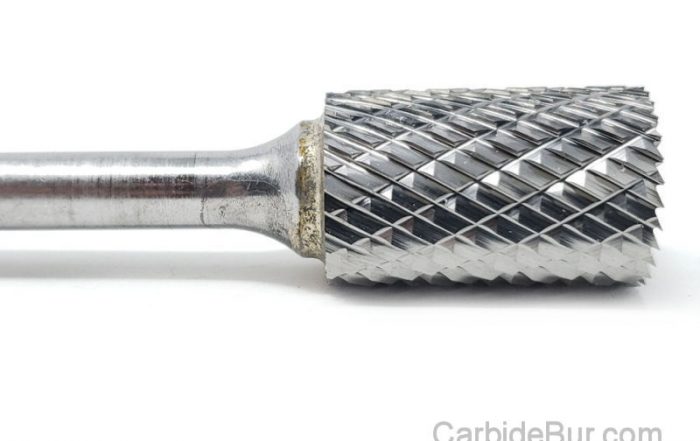
Unveiling the Secrets of Burr Cutting Efficiency: Double-Cut or Single-Cut?
Unveiling the Secrets of Burr Cutting Efficiency: Double-Cut or Single-Cut? Most metalworkers hit a wall choosing between double-cut carbide burrs and single-cut carbide burrs. Picking the wrong one can slow your work or wear your [...]
How Specialized Carbide Burrs Are Revolutionizing Aluminum Fabrication for Cleaner Cuts
How Specialized Carbide Burrs Are Revolutionizing Aluminum Fabrication for Cleaner Cuts Most aluminum fabricators still wrestle with rough edges and extra cleanup after machining. Those extra steps cost you time and eat into your profits. [...]
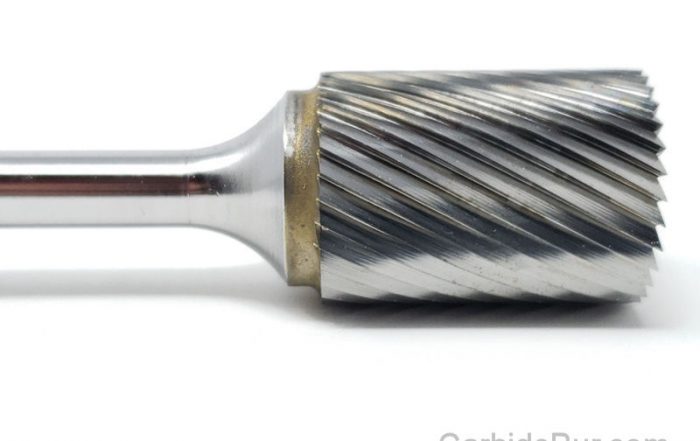
U.S. Manufacturing Reshoring: The Role of Domestic Tool Suppliers in 2026
U.S. Manufacturing Reshoring: The Role of Domestic Tool Suppliers in 2026 U.S. manufacturing is shifting closer to home faster than many expected. By 2026, reshoring trends are reshaping how supply chains function, with domestic tool [...]
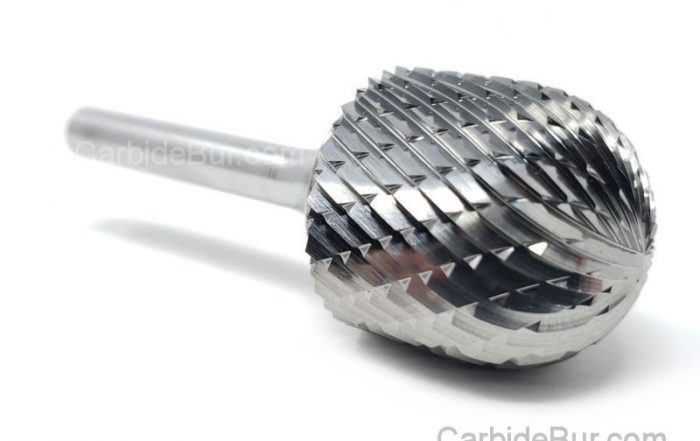
From Casting Flash to Weld Blending: Essential Techniques for 2026
From Casting Flash to Weld Blending: Essential Techniques for 2026 Forget the old ways of finishing parts in automotive production. As electric vehicles and autonomous vehicle production grow, the need for precise deburring processes and [...]
Understanding the Surge in Cutting Tool Costs and Effective Waste Reduction in Machining
Understanding the Surge in Cutting Tool Costs and Effective Waste Reduction in Machining Cutting tool costs have jumped noticeably in recent years, squeezing machine shop budgets tighter than ever. Raw material scarcity and supply chain [...]
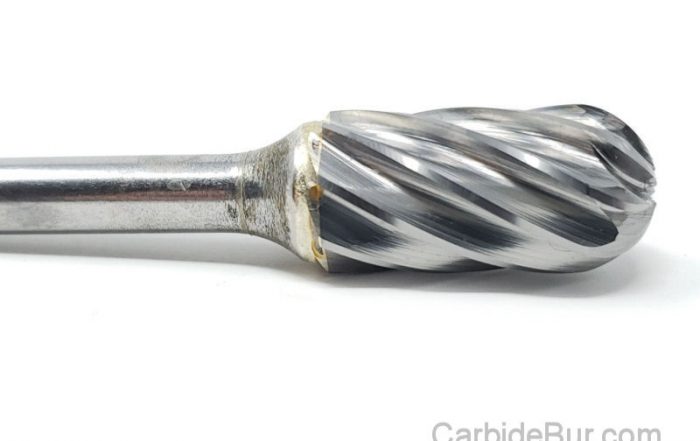
Choosing the Right Carbide Burr Shape for Your Metalworking Projects
Choosing the Right Carbide Burr Shape for Your Metalworking Projects You might think all carbide burr shapes do the same job, but that’s far from true. Choosing the wrong shape can waste time and leave [...]
U.S. Cutting Tool Shipments Reach New Heights
U.S. Cutting Tool Shipments Reach New Heights: What It Means for Manufacturing Professionals U.S. cutting tool shipments soared to $278.1 million in July 2026, marking a 29% jump from last year. If you’re in fabrication [...]
How 3D-Printed Carbide is Redefining Precision Toolmaking with Kennametal’s Latest Technology
How 3D-Printed Carbide is Redefining Precision Toolmaking with Kennametal's Latest Technology Custom hole-finishing tools have long faced limits in design and cooling options that hold back their performance. Kennametal’s new 3D-printed carbide grade changes that [...]

The Future of Additive Manufacturing in Aerospace and Automotive Industries
The Future of Additive Manufacturing in Aerospace and Automotive Industries Metal 3D printing is no longer just a concept for prototypes; it’s scaling up fast in aerospace and automotive fields. But raw prints don’t meet [...]
