
The Role of Carbide Welding in Modern Manufacturing
In the ever-evolving landscape of modern manufacturing, the quest for tools that boast unmatched durability and performance is relentless. At the heart of this pursuit lies carbide welding, an advanced welding technique that plays a pivotal role in achieving superior material resilience. By enhancing the toughness and wear resistance of components, this method not only extends the lifespan of industrial tools but also paves the way for groundbreaking innovations in product design. As manufacturers and engineers strive for excellence, mastering carbide welding becomes an indispensable skill, offering new possibilities for creating robust solutions across a wide range of industrial applications. Join us as we delve into the intricacies of carbide welding and its transformative impact on tool durability and product innovation. For more insights, visit here.
Mastering Carbide Welding Basics
Mastering the basics of carbide welding is essential for anyone involved in manufacturing. This section will guide you through the fundamentals of understanding carbide welding, the key techniques involved, and the benefits it offers. By grasping these concepts, you can enhance the effectiveness and longevity of your manufacturing processes.
Understanding Carbide Welding
Carbide welding involves fusing carbide materials to a metal substrate to improve wear resistance. This process is vital for creating durable tools and components that withstand rigorous industrial conditions. The primary goal is to enhance the hardness and durability of the base material. According to PMC, carbide welding is pivotal in improving the lifespan of industrial equipment.
-
Carbide often serves as a reinforcing material in welding processes.
-
Different welding methods can be applied, depending on the specific requirements of the material.
-
Proper understanding of carbide properties is crucial for effective welding.
For more details on carbide applications, visit Stanford Advanced Materials.
Key Welding Techniques
Carbide welding techniques vary depending on the application and desired outcome. Here are the most prominent techniques:
-
Brazing: Connects carbide to steel using a filler metal.
-
TIG Welding: Involves using a tungsten electrode to weld carbide materials.
-
Laser Cladding: Utilizes laser energy to deposit carbide onto a substrate.
Each technique offers distinct advantages. For instance, brazing is suitable for joining components with different coefficients of thermal expansion, while TIG welding provides precision. Laser cladding, on the other hand, offers a high degree of control over the thickness and composition of the carbide layer. Understanding these techniques is crucial for selecting the right method for your application. For more insights, explore Vermeer Pro Tips.
Benefits of Carbide Welding
The benefits of carbide welding are manifold. Enhanced wear resistance and increased durability are primary advantages, leading to longer tool life. Moreover, this technique can significantly reduce maintenance costs and downtime, as tools need to be replaced or repaired less frequently.
-
Improved Efficiency: Tools last longer, reducing production interruptions.
-
Cost Savings: Fewer replacements and repairs due to increased tool durability.
-
Enhanced Performance: Tools maintain sharpness and effectiveness over extended periods.
By implementing carbide welding in your manufacturing processes, you can achieve superior material resilience and optimize operational efficiency. For a comprehensive overview, visit Carbide Burr and Carbide Burr Net.
Enhancing Material Resilience
Enhancing the resilience of materials is pivotal in modern manufacturing. This section explores how carbide welding contributes to tool durability, inspires innovations in product design, and supports various industrial applications.
Tool Durability and Wear Resistance
Carbide welding significantly boosts tool durability by enhancing wear resistance. This process creates a hard, protective surface that withstands harsh conditions. Tools treated with carbide welding exhibit:
-
Increased lifespan due to reduced wear and tear.
-
Improved performance in demanding environments.
-
Consistent quality over repeated use.
Manufacturers must focus on material resilience to optimize tools for heavy-duty applications. For more information on enhancing tool durability, consider resources from Stanford Advanced Materials.
Innovations in Product Design
Carbide welding opens up new possibilities for product design innovation. By allowing for more robust and durable components, manufacturers can explore creative designs without compromising functionality. This innovation enables:
-
Development of unique product features due to enhanced material properties.
-
Expansion into markets requiring specialized, durable products.
-
Increased competitiveness due to superior product offerings.
Exploring new design frontiers is achievable with carbide welding, making it a cornerstone of modern product development.
Applications in Modern Industries
In today’s industries, carbide welding finds diverse applications. From automotive to aerospace, its role in enhancing material resilience is invaluable. Key applications include:
-
Automotive: Enhanced engine components and cutting tools.
-
Aerospace: Durable parts that withstand extreme conditions.
-
Mining: Tools withstanding abrasive environments and heavy use.
Carbide welding’s versatility makes it indispensable across various sectors. For more detailed information, refer to PMC and Carbide Burr Net.
Find more carbide bur die grinder tool bits here
Carbide Burr Safety: 15 Mistakes That Can Cause Injury or Damage
Carbide Burr Safety: 15 Mistakes That Can Cause Injury or Damage Carbide burr safety is often overlooked until a costly mistake happens. Many metalworkers and DIYers make the same errors that lead to injuries or [...]
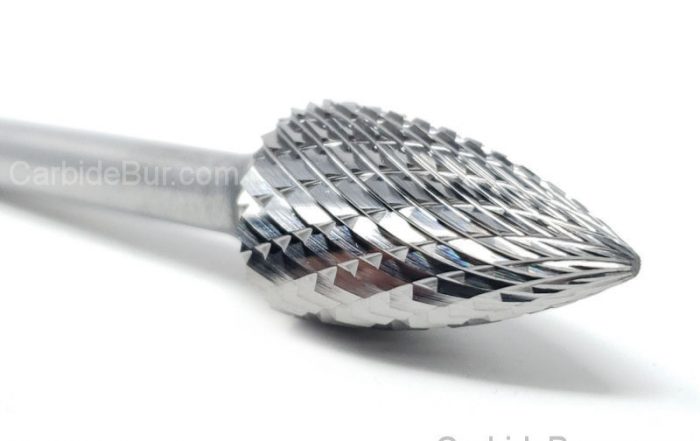
Can You Use a Carbide Burr in a Drill?
Can You Use a Carbide Burr in a Drill? Most people think a standard drill can’t handle a carbide burr, but that’s not true. Using carbide burr in the right drill can speed up your [...]
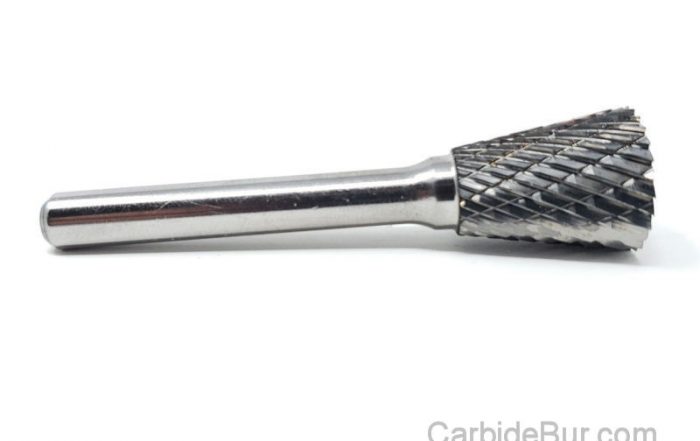
Carbide Burrs for Removing Rust: What Works Best?
Carbide Burrs for Removing Rust: What Works Best? Rust can turn your favorite tools into useless junk faster than you expect. Removing it without ruining the metal underneath takes more than just elbow grease—it demands [...]
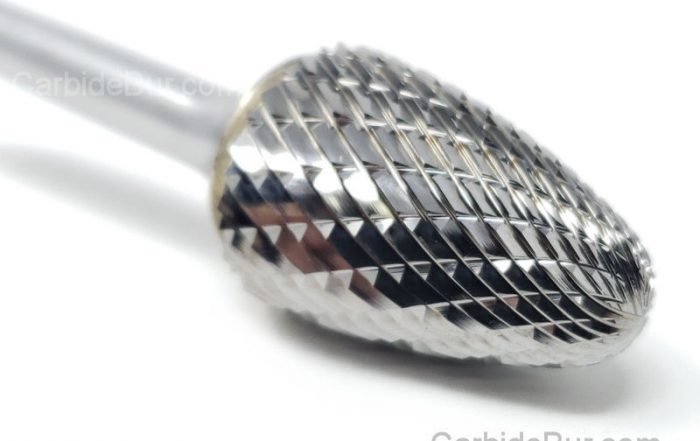
How Much Pressure Should You Use With a Carbide Burr?
How Much Pressure Should You Use With a Carbide Burr? Most people think pressing harder with a carbide burr speeds up the job. That’s not true—too much pressure wears out your tool and ruins the [...]
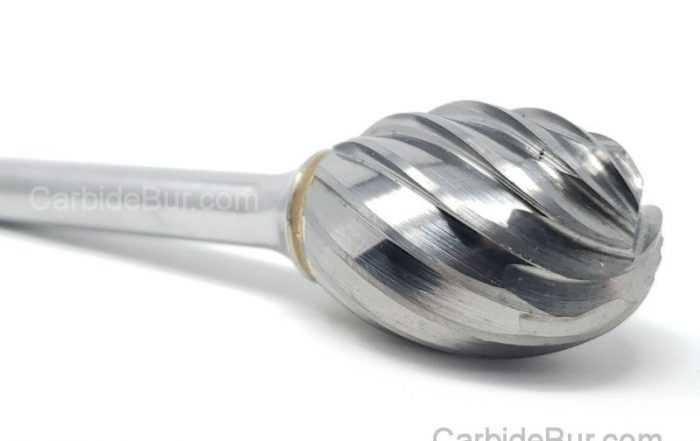
Can You Use Carbide Burrs With an Air Die Grinder?
Can You Use Carbide Burrs With an Air Die Grinder? Most people don’t realize how well carbide burrs work with air die grinders until they try them. If you’ve ever struggled with finding the right [...]
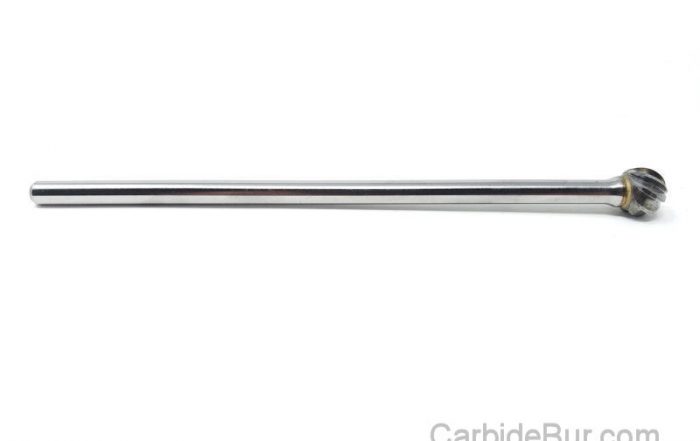
Best Long Reach Carbide Burr for Deep Metal Work
Best Long Reach Carbide Burr for Deep Metal Work Long reach carbide burrs often promise deep metal access, but many fall short where it counts most. You need a tool that cuts cleanly, lasts through [...]
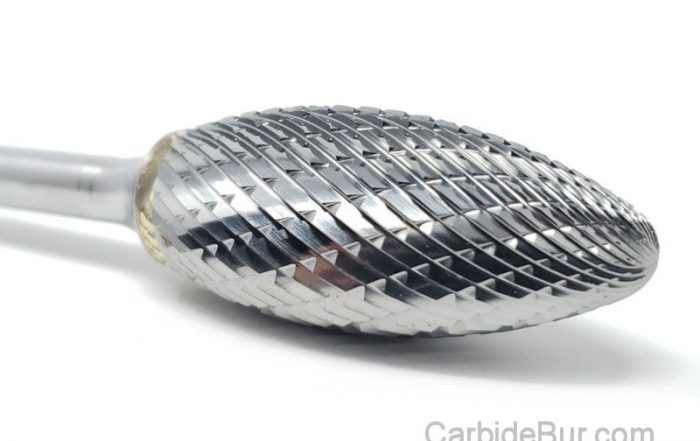
What RPM Should You Use for a 1/8 Inch Carbide Burr?
What RPM Should You Use for a 1/8 Inch Carbide Burr? Most people guess the right carbide burr RPM by feel—and waste hours redoing work. If you want cleaner cuts and longer tool life, your [...]
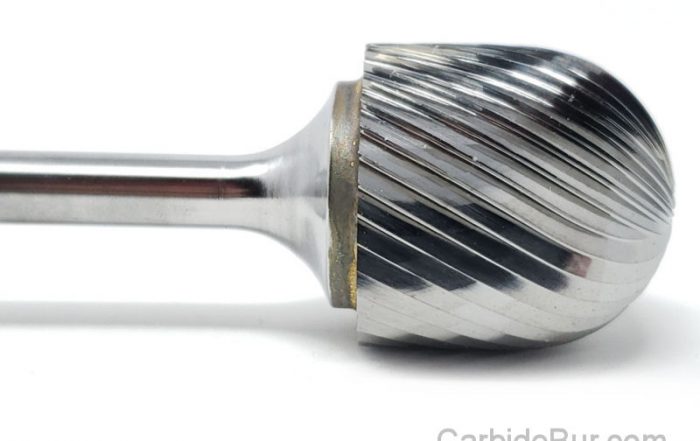
Carbide Burrs for Tight Spaces: Choosing the Right Shape
Carbide Burrs for Tight Spaces: Choosing the Right Shape Tackling tight spaces with the wrong carbide burrs wastes time and risks damaging your work. Choosing the right burr shape makes all the difference when working [...]
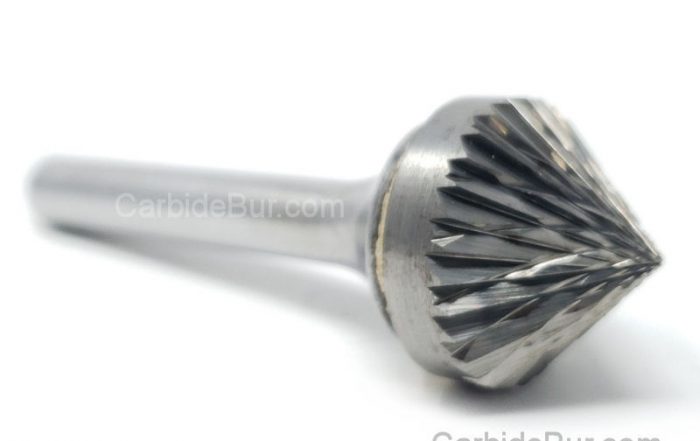
Can Carbide Burrs Remove Paint From Metal?
Can Carbide Burrs Remove Paint From Metal? Stripping paint from metal often feels like a tough chore that risks damaging the surface underneath. Many turn to carbide burrs hoping they can speed things up without [...]
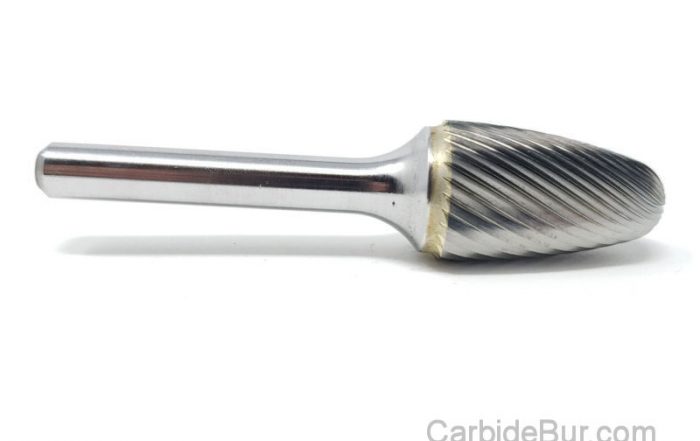
How to Grind a Groove in Metal With a Carbide Burr
How to Grind a Groove in Metal With a Carbide Burr Most metalworkers struggle to cut clean grooves without wasting time or ruining their workpiece. Many try different metalworking tools but end up with uneven [...]
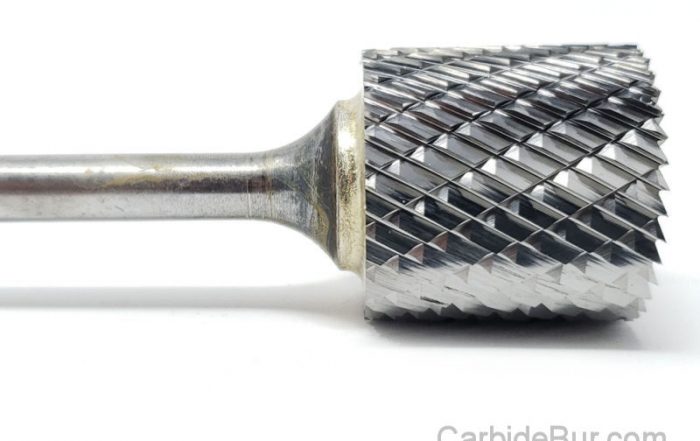
Can Carbide Burrs Cut Through Welds?
Can Carbide Burrs Cut Through Welds? Cutting through welds can feel like a battle, especially when you need clean results without harming the base metal. Carbide burrs offer a sharp edge in this fight, but [...]
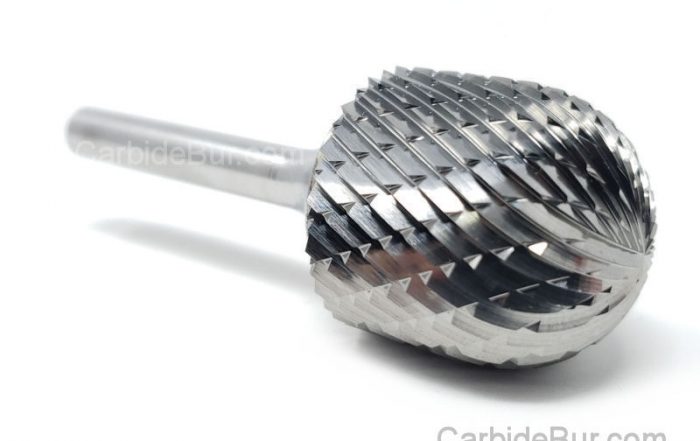
How to Use a Carbide Burr With a Die Grinder
How to Use a Carbide Burr With a Die Grinder Most people treat a carbide burr like just another tool, but using it with a die grinder takes skill. If you’ve struggled with burr installation [...]
