
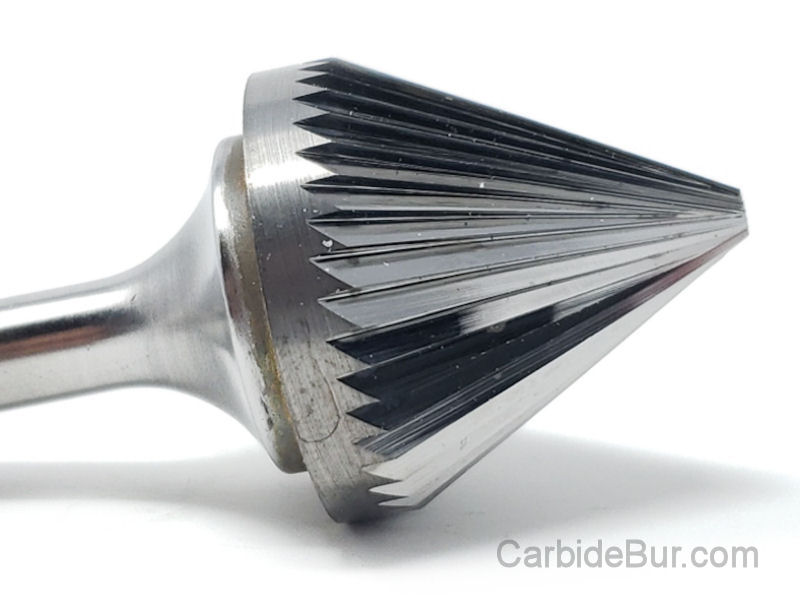
Leveraging Carbide Bur Welding for Unique Design Opportunities
In the ever-evolving world of engineering and design, the anomalous properties of carbide bur welding are opening new doors for innovation. With its remarkable ability to bond dissimilar materials and exceptional thermal resistance, this technique offers a wealth of design opportunities that challenge conventional boundaries. Engineers and designers are now able to experiment with novel shapes and materials, creating products that boast enhanced functional performance and redefine traditional design paradigms. This exploration of carbide bur welding not only fuels the imagination but also drives the development of groundbreaking solutions across various industries. Join us as we delve into the transformative potential of this cutting-edge welding process and its impact on the future of design. Learn more about carbide bur welding here.
Understanding Carbide Bur Welding
Carbide bur welding is a process valued for its unique properties, offering engineers and designers unprecedented opportunities. By understanding its anomalous characteristics, professionals can harness the potential of this technique to create innovative solutions that defy conventional expectations.
Anomalous Properties of Welding
The anomalous properties of carbide bur welding make it stand out in the field of materials engineering. These properties include exceptional thermal resistance and the ability to join dissimilar materials. This welding process facilitates the creation of complex structures that were previously unimaginable.
-
Enhanced Thermal Resistance: This property ensures that welded structures can withstand high temperatures without deteriorating.
-
Material Compatibility: By bonding different materials, designers can achieve unique structural characteristics.
According to a study on ScienceDirect, these properties are pivotal in advancing modern design.
Such unique characteristics open doors for practical applications across various industries, leading to products that are not only functional but also aesthetically pleasing.
Bonding Dissimilar Materials
The ability to bond dissimilar materials is a defining feature of carbide bur welding. This capability enables the fusion of metals and non-metals, providing opportunities for innovative design options.
Engineers can use this method to create products with distinct functional and aesthetic properties. For instance, bonding lightweight metals with stronger materials can produce components that are both durable and easy to handle.
-
Material Versatility: Combines the strengths of different materials for superior performance.
-
Cost Efficiency: Reduces the need for additional materials and processes by enabling direct bonding.
The Performance and Control guide highlights how this method enhances design flexibility, allowing for creativity and efficiency.
This ability to merge different materials seamlessly is a game-changer in fields like automotive and aerospace, where material properties are critical.
Superior Thermal Resistance
Carbide bur welding boasts superior thermal resistance, an essential property for applications exposed to high temperatures. This resistance ensures both the weld and the materials maintain integrity under stress.
-
Durability: Products can endure extreme conditions without compromising structural integrity.
-
Performance: Enhances the longevity and reliability of welded components.
Research highlights that this property is crucial for industries such as manufacturing and construction, where durability is key.
Such resistance opens up new possibilities for designing products that must operate under extreme conditions, leading to innovations in several high-stakes industries.
Innovative Design Opportunities
Carbide bur welding not only solves existing design challenges but also inspires new possibilities. By leveraging its properties, engineers can experiment with unconventional shapes, unlock new functional performance, and push the boundaries of traditional design paradigms.
Experimenting with Unconventional Shapes
With carbide bur welding, engineers can experiment with unconventional shapes that were previously difficult to achieve. This flexibility allows for the creation of intricate designs that enhance both function and form.
Designers can explore new avenues in product development by using welding techniques that allow for precise and complex shapes. This ability is particularly valuable in the aerospace and medical device industries, where precision is paramount.
-
Enhanced Creativity: Encourages innovative design approaches.
-
Functional Aesthetics: Combines visual appeal with practical utility.
The Carbide Burr website offers insights into how these shapes can be achieved using advanced welding techniques, fostering creativity in design.
Such experimentation can lead to groundbreaking products that redefine industry standards.
Unlocking New Functional Performance
Carbide bur welding offers the potential to unlock new levels of functional performance in products. By enhancing material properties, products can achieve greater efficiency and reliability.
-
Performance Optimization: Refines product capabilities for better results.
-
Cost-Effective Solutions: Reduces the need for additional enhancements, saving resources.
This method is particularly beneficial in industries like electronics, where performance is a critical factor.
Implementing these welding techniques can result in products that exceed current performance benchmarks, offering competitive advantages.
Pushing Traditional Design Boundaries
The integration of carbide bur welding in design processes pushes the boundaries of traditional design, enabling engineers to rethink and reshape conventional approaches.
By adopting this innovative welding technique, designers can overcome previously thought-impossible challenges, setting new standards in product development.
-
Revolutionary Designs: Facilitates the creation of novel products.
-
Sustainability: Encourages environmentally friendly methods by reducing waste and material usage.
As highlighted in various studies, this shift not only drives technological advancements but also supports sustainable practices in manufacturing.
Such progress allows for a future where design is not limited by existing technologies, fostering continuous innovation.
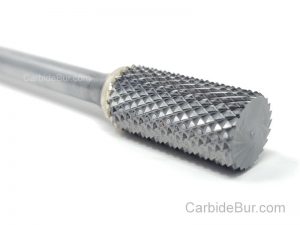
Find more carbide bur die grinder tool bits here
Carbide Burr Safety: 15 Mistakes That Can Cause Injury or Damage
Carbide Burr Safety: 15 Mistakes That Can Cause Injury or Damage Carbide burr safety is often overlooked until a costly mistake happens. Many metalworkers and DIYers make the same errors that lead to injuries or [...]
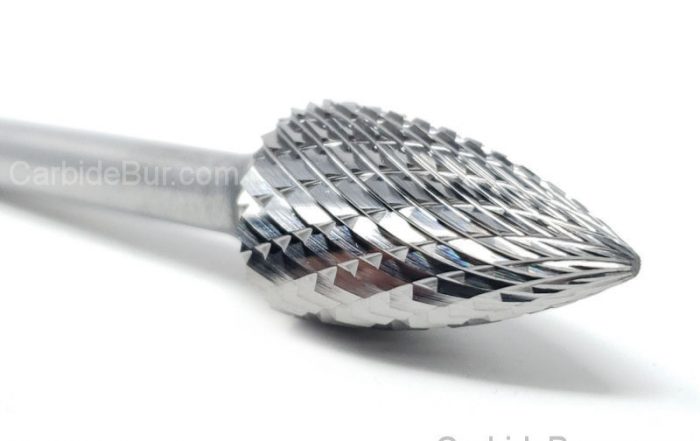
Can You Use a Carbide Burr in a Drill?
Can You Use a Carbide Burr in a Drill? Most people think a standard drill can’t handle a carbide burr, but that’s not true. Using carbide burr in the right drill can speed up your [...]
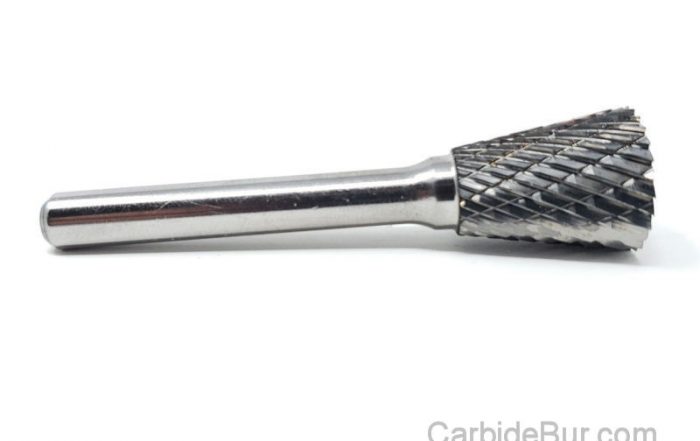
Carbide Burrs for Removing Rust: What Works Best?
Carbide Burrs for Removing Rust: What Works Best? Rust can turn your favorite tools into useless junk faster than you expect. Removing it without ruining the metal underneath takes more than just elbow grease—it demands [...]
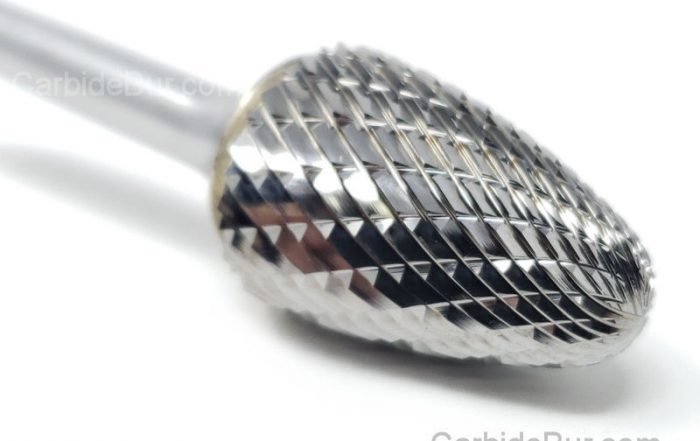
How Much Pressure Should You Use With a Carbide Burr?
How Much Pressure Should You Use With a Carbide Burr? Most people think pressing harder with a carbide burr speeds up the job. That’s not true—too much pressure wears out your tool and ruins the [...]
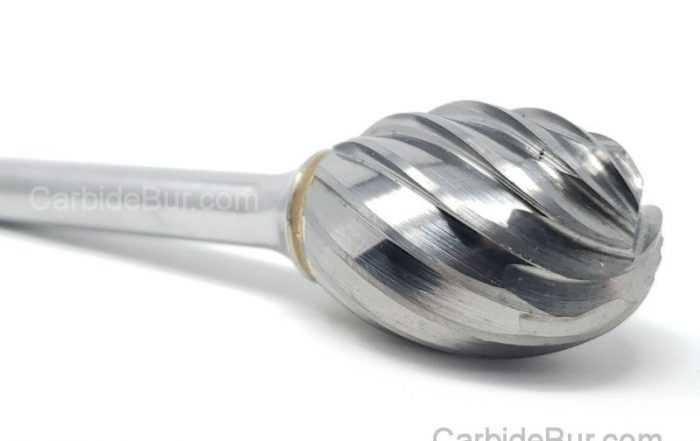
Can You Use Carbide Burrs With an Air Die Grinder?
Can You Use Carbide Burrs With an Air Die Grinder? Most people don’t realize how well carbide burrs work with air die grinders until they try them. If you’ve ever struggled with finding the right [...]
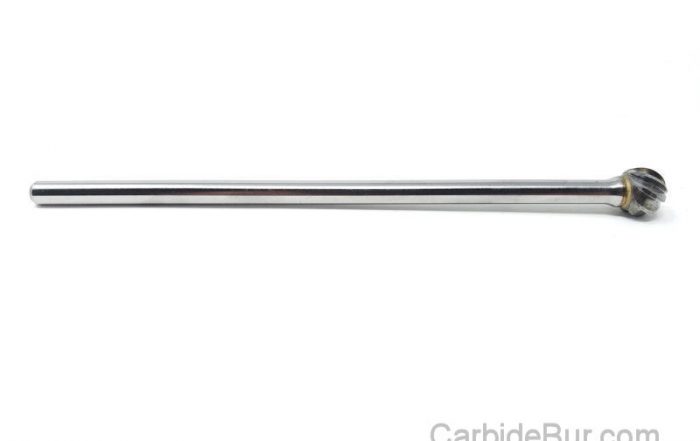
Best Long Reach Carbide Burr for Deep Metal Work
Best Long Reach Carbide Burr for Deep Metal Work Long reach carbide burrs often promise deep metal access, but many fall short where it counts most. You need a tool that cuts cleanly, lasts through [...]
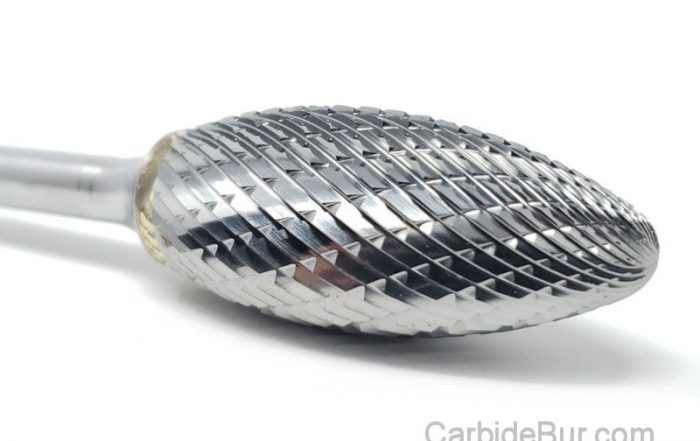
What RPM Should You Use for a 1/8 Inch Carbide Burr?
What RPM Should You Use for a 1/8 Inch Carbide Burr? Most people guess the right carbide burr RPM by feel—and waste hours redoing work. If you want cleaner cuts and longer tool life, your [...]
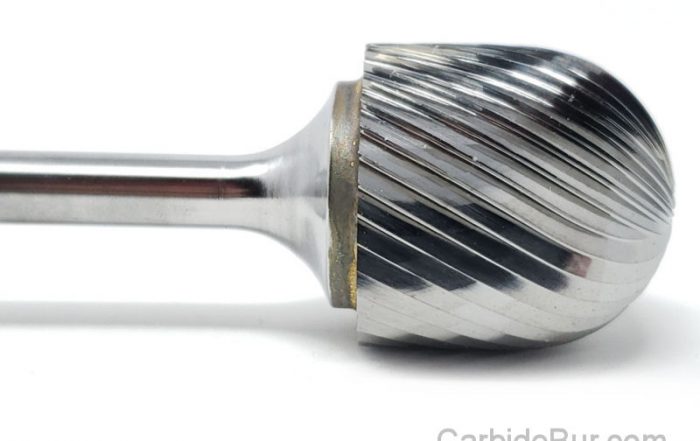
Carbide Burrs for Tight Spaces: Choosing the Right Shape
Carbide Burrs for Tight Spaces: Choosing the Right Shape Tackling tight spaces with the wrong carbide burrs wastes time and risks damaging your work. Choosing the right burr shape makes all the difference when working [...]
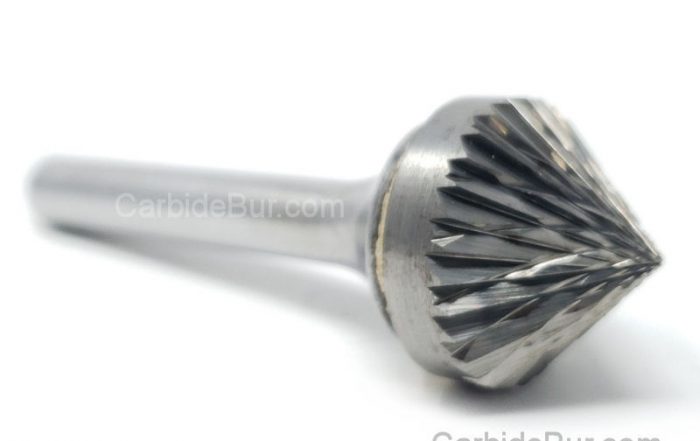
Can Carbide Burrs Remove Paint From Metal?
Can Carbide Burrs Remove Paint From Metal? Stripping paint from metal often feels like a tough chore that risks damaging the surface underneath. Many turn to carbide burrs hoping they can speed things up without [...]
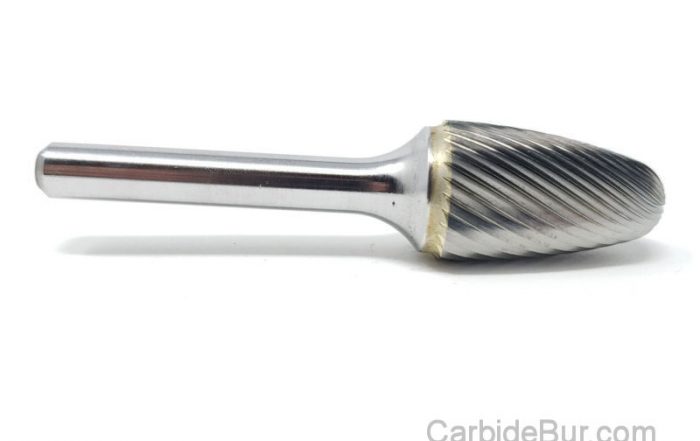
How to Grind a Groove in Metal With a Carbide Burr
How to Grind a Groove in Metal With a Carbide Burr Most metalworkers struggle to cut clean grooves without wasting time or ruining their workpiece. Many try different metalworking tools but end up with uneven [...]
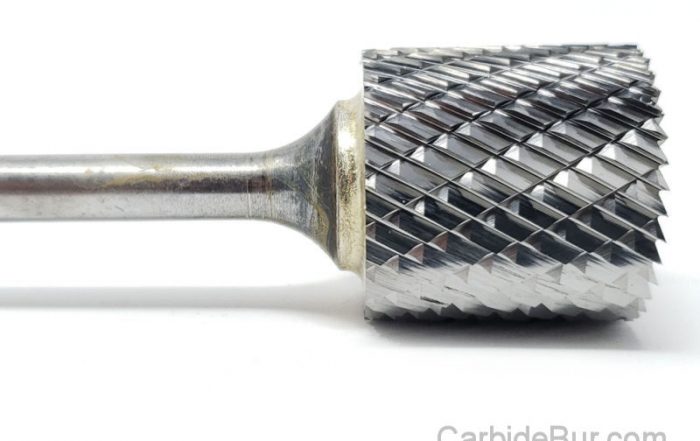
Can Carbide Burrs Cut Through Welds?
Can Carbide Burrs Cut Through Welds? Cutting through welds can feel like a battle, especially when you need clean results without harming the base metal. Carbide burrs offer a sharp edge in this fight, but [...]
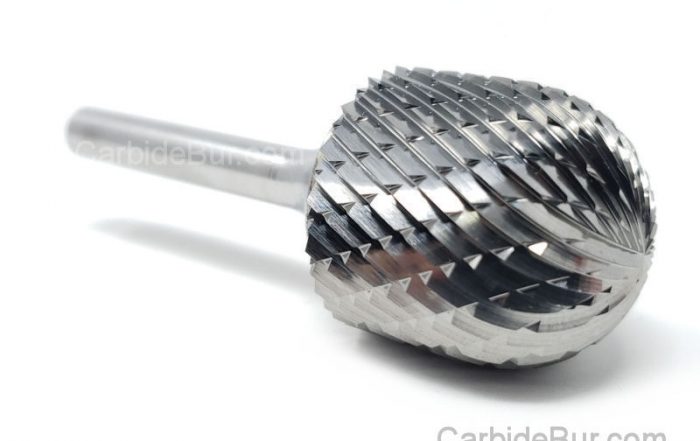
How to Use a Carbide Burr With a Die Grinder
How to Use a Carbide Burr With a Die Grinder Most people treat a carbide burr like just another tool, but using it with a die grinder takes skill. If you’ve struggled with burr installation [...]
