
How To Maximize Heavy Material Removal With Cleveland Twist Drill Carbide Burs
This guide will equip you with vital techniques to effectively utilize Cleveland Twist Drill carbide burs for heavy material removal. By understanding the properties of these burs and implementing the right practices, you can significantly enhance your machining efficiency and precision. You’ll learn how to select the appropriate bur for your specific needs, optimize your tool setup, and employ the best techniques to achieve superior results. Whether you are working with metals, composites, or other tough materials, this information will help you streamline your processes and achieve optimal performance.
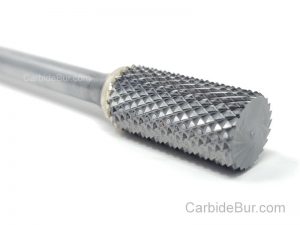
Find more carbide bur die grinder tool bits here
Selecting the Right Cleveland Twist Drill Carbide Bur
Identifying the ideal Cleveland Twist Drill carbide bur involves assessing your specific project requirements and selecting a bur that complements your workflow. Focus on factors such as the type of material you’re working with, desired finish quality, and the degree of material removal needed. The variety of shapes and sizes available helps tailor your choice to maximize efficiency and achieve optimal results.
Material Compatibility: Matching Burs to Workpieces
Selecting the appropriate bur requires a clear understanding of material compatibility. Different materials like steel, aluminum, or plastics necessitate distinct bur designs. For instance, tungsten carbide burs excel at shaping tough metals, while softer materials can be effectively managed with standard steel options. Your choice should directly relate to the workpiece characteristics for the best performance.
Choosing the Right Grit and Size for Heavy Removal
The grit and size of your bur significantly impact your heavy material removal process. For aggressive cutting, opt for larger grit sizes (coarser) that allow for rapid material excavation, while finer grits cater to smoother finishes post-removal. The bur diameter should align with the project’s scale; larger sizes tackle significant material efficiently, whereas smaller sizes help in detailed work.
For heavy material removal, larger bur sizes (e.g., 1/4 inch and above) facilitate faster cutting due to increased surface area, allowing you to remove excess material quickly. Coarse grit burs (between 16 to 40 grit) generate efficient material removal but balance speed with control. Combining the right size and grit not only increases productivity but also reduces heat build-up, leading to a longer bur lifespan and better overall results on your projects.
Preparation for Heavy Material Removal
Before plunging into heavy material removal, preparation sets the stage for efficiency and safety. Assess the workspace, ensuring it is clean and free of unnecessary obstacles. Establish a clear plan outlining the sequence of operations and the materials you will be removing. This foresight minimizes downtime and maximizes productivity when using your Cleveland Twist Drill carbide burs.
Essential Tools and Equipment Checklist
Your success in heavy material removal relies on having the right tools at your disposal. Key items on your checklist should include Cleveland Twist Drill carbide burs in varying shapes and sizes, a sturdy rotary tool or die grinder, protective eyewear, and robust work gloves. Additionally, a dust extraction system can help maintain a clean environment while improving visibility during the operation.
Safety Protocols for Hazardous Environments
In any hazardous environment, safety protocols are non-negotiable. Wear appropriate personal protective equipment (PPE), including safety goggles, gloves, and a face mask to protect against airborne debris. Ensure that your work area is well-ventilated to reduce exposure to harmful dust and fumes. Regularly inspect tools for safety compliance, and maintain a first-aid kit nearby for any unforeseen incidents.
Establishing a safety-first mindset helps prevent accidents during heavy material removal. Evaluate the area for potential hazards, such as slippery surfaces or overhead obstructions. Training sessions on equipment use and emergency procedures are beneficial for all team members. Create a culture of awareness, encouraging individuals to report unsafe conditions immediately, thereby empowering everyone to contribute to a safer work environment while using Cleveland Twist Drill carbide burs.
Techniques for Maximizing Material Removal Efficiency
Enhancing material removal efficiency involves a combination of optimal speed, feed rates, and an understanding of cutting angles. By applying the right techniques, you can significantly increase the performance of Cleveland Twist Drill carbide burs, ensuring they work more effectively and last longer. This not only improves productivity but also minimizes tool wear, making your operations more cost-effective.
Optimal Speed and Feed Rates: The Key to Success
Finding the right speed and feed rates is important for maximizing material removal with carbide burs. Generally, higher speeds are suited for softer materials, while lower speeds work better for harder substrates. Adjust your feed rate to ensure you are not overloading the tool; a balanced approach will prevent chipping and extend the life of your burs.
Understanding Cutting Angles and Their Impact
The cutting angles of your carbide burs play a significant role in how efficiently they remove material. For instance, a sharper angle allows for a more aggressive cut, ideal for faster material removal, while a blunter angle may be better for finishing tasks. Selecting the appropriate cutting angle based on your application can greatly influence the effectiveness of your operation.
For example, a flank angle of 15° to 20° is often optimal for general purpose cutting, ensuring a good balance between durability and aggressiveness. In contrast, for harder materials, consider using burs with a reduced angle for better penetration. Fine-tuning this aspect according to the specifics of your project not only enhances the cutting action but also reduces strain on the tool, leading to improved performance and lifespan. Keeping a variety of angles on hand allows you to adapt to different tasks easily, ensuring efficient material removal every time.
Problem-Solving Common Challenges in Heavy Removal
Heavy material removal can present some unique challenges that require careful consideration and strategic approaches. Factors such as equipment selection, operator skill, and material characteristics must all be taken into account to ensure efficiency while minimizing issues like short tool life or inconsistent surface finishes. Being proactive in identifying potential problems will help you streamline your processes and achieve better outcomes.
Managing Heat and Wear on Burs
Excessive heat and wear can significantly affect the performance of your carbide burs. Utilizing appropriate coolant systems or selecting burs designed for heat resistance can mitigate this issue. Additionally, ensuring that you maintain optimal cutting speeds and feeds will help in prolonging the life of your tools and maintaining precision during operation.
Troubleshooting Common Setbacks in Material Removal
Setbacks in material removal often arise from factors like tool breakage, improper angles, or inadequate feed rates. Identifying these problems is the first step toward effective troubleshooting. Often, adjusting your approach by modifying speeds, feeds, and tool choices can lead to meaningful improvements, saving you time and resources.
Understanding the specific reasons behind common setbacks can help you devise targeted solutions. For example, if you’re experiencing unwanted tool breakage, evaluate the hardness of the material being worked on and adjust your feed rate accordingly. You might notice that increasing the feed rate slightly can reduce stress on the bur, allowing for smooth operation. Similarly, improper angles may lead to ineffective cutting; experimenting with different bur shapes or sizes may yield better results. By continuously monitoring your processes and making nuanced adjustments, you can maintain high efficiency and achieve optimal heavy material removal outcomes.
Expanding Your Skills: Advanced Techniques for Professionals
To truly elevate your use of Cleveland Twist Drill Carbide Burs, research into advanced techniques that enhance your skill set. By mastering these methods, you can tackle more complex projects with precision. Here are some strategies to consider for achieving greater proficiency:
- Experiment with different cutting angles to find the best fit for your material.
- Use coolant to reduce heat generation and prolong tool lifespan.
- Refine your feed rate based on the material’s density and your desired finish.
- Implement periodic tool inspection to maintain optimal performance.
- Consider burr types specific to unique applications for enhanced results.
Techniques for Unique Materials and Applications
Techniques for Unique Materials and Applications
Relying on standard techniques may not yield optimal results for specialized materials. Tailor your approach based on the specific properties of the material you are working with, such as hardness or brittleness. For instance, using a finer burr for ceramics can prevent chipping, while a coarser burr may be more effective for soft metals. Adjusting speed and pressure based on these material characteristics can significantly enhance your outcomes.
Innovative Methods to Enhance Removal Rates
Advanced strategies for boosting removal rates often involve integrating technology and tool evolution. Experiment with adjustable speed settings on your tools, as varying speeds can lead to faster removal without compromising quality. Utilizing advanced cooling systems, such as mist or flood cooling, not only minimizes heat but also enhances cutting performance by removing debris efficiently from the cutting site. When exploring innovative methods, think about incorporating digital measuring tools to analyze the efficiency of your operations. Analyze chip formation to gauge tool performance—if chips are excessively fine, your cutting speed may be too high. Conversely, larger chips could indicate that your feed rate is insufficient. By executing these adjustments based on real-time data, you can significantly optimize your material removal rates, enabling faster project completions and improved accuracy in your work.
Summing up
As a reminder, to maximize heavy material removal with Cleveland Twist Drill Carbide Burs, ensure you select the right bur shape and size for your specific application. Maintain optimal RPM and feed rates to enhance efficiency and achieve smoother finishes. Regularly inspect and replace burs to achieve consistent performance, and utilize appropriate coolant or lubrication to reduce wear. By implementing these practices, you can significantly enhance your productivity and achieve superior results in your machining tasks.
Find more carbide bur die grinder tool bits here

Can You Use a Carbide Burr With an Electric Die Grinder?
Can You Use a Carbide Burr With an Electric Die Grinder? Most people don’t realize how much a carbide burr can change the way an electric die grinder works. Using the right burr type can [...]
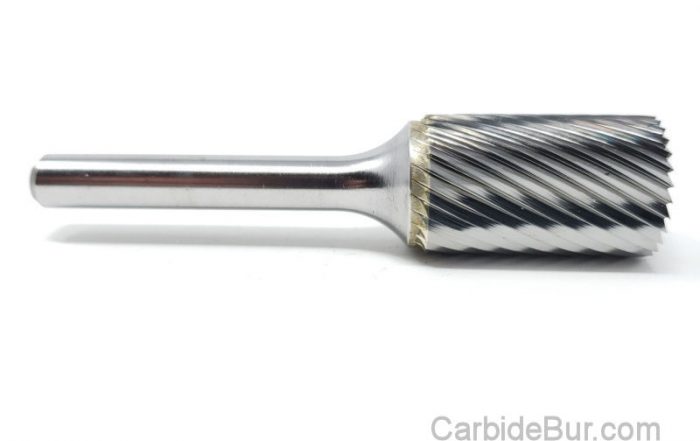
How to Deburr Holes With a Carbide Burr
How to Deburr Holes With a Carbide Burr Most people think any tool will do for deburring holes. The truth is, using the right carbide burr with the correct size and shape changes everything. In [...]
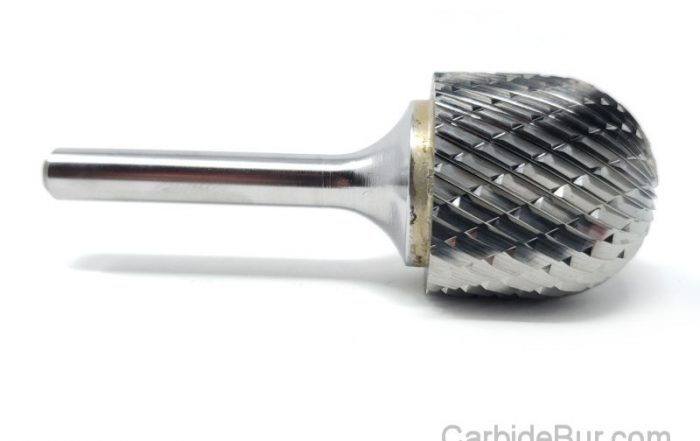
How to Choose the Correct Carbide Burr Shank Size
How to Choose the Correct Carbide Burr Shank Size Many machinists lose hours troubleshooting tool issues caused by the wrong carbide burr shank size. Using a shank that doesn’t fit your grinder can lead to [...]
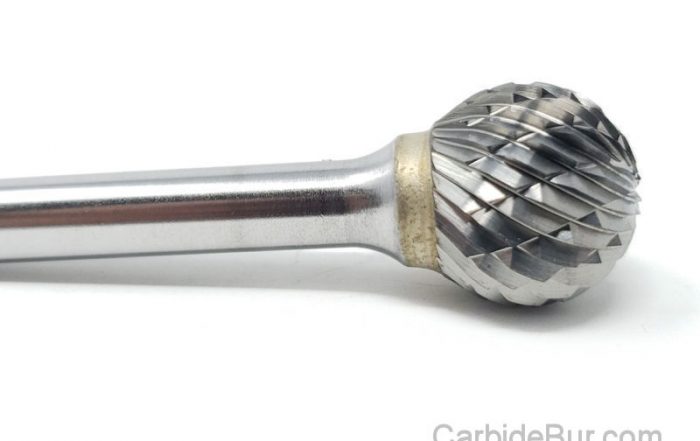
How to Remove Casting Flash With a Carbide Burr
How to Remove Casting Flash With a Carbide Burr Casting flash ruins the look and fit of your metal parts. You’ve tried sanding or grinding, but the results aren’t clean or fast enough. Learning how [...]
Best Carbide Burr for Enlarging a Hole in Metal
Best Carbide Burr for Enlarging a Hole in Metal When you need to enlarge a hole in metal, grabbing the wrong carbide burr can turn a simple task into a frustrating mess. Picking the best [...]
Carbide Burr Safety: 15 Mistakes That Can Cause Injury or Damage
Carbide Burr Safety: 15 Mistakes That Can Cause Injury or Damage Carbide burr safety is often overlooked until a costly mistake happens. Many metalworkers and DIYers make the same errors that lead to injuries or [...]
Can You Use a Carbide Burr in a Drill?
Can You Use a Carbide Burr in a Drill? Most people think a standard drill can’t handle a carbide burr, but that’s not true. Using carbide burr in the right drill can speed up your [...]
Carbide Burrs for Removing Rust: What Works Best?
Carbide Burrs for Removing Rust: What Works Best? Rust can turn your favorite tools into useless junk faster than you expect. Removing it without ruining the metal underneath takes more than just elbow grease—it demands [...]
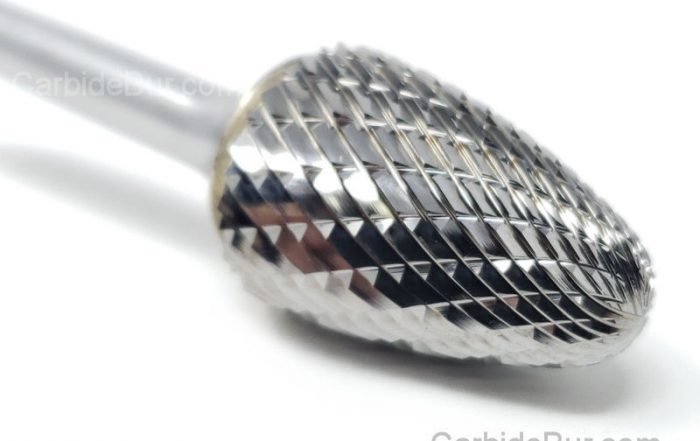
How Much Pressure Should You Use With a Carbide Burr?
How Much Pressure Should You Use With a Carbide Burr? Most people think pressing harder with a carbide burr speeds up the job. That’s not true—too much pressure wears out your tool and ruins the [...]
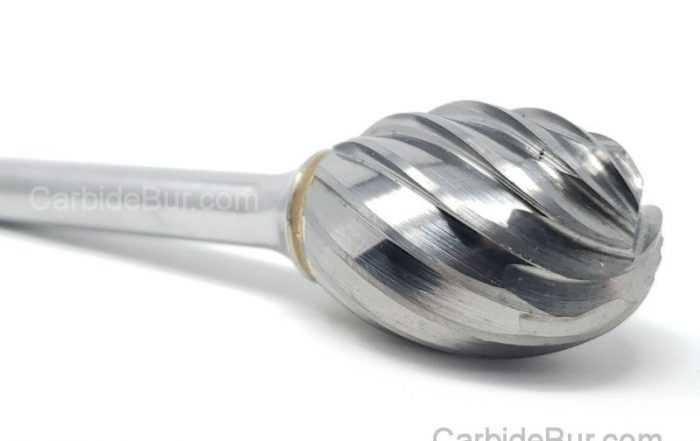
Can You Use Carbide Burrs With an Air Die Grinder?
Can You Use Carbide Burrs With an Air Die Grinder? Most people don’t realize how well carbide burrs work with air die grinders until they try them. If you’ve ever struggled with finding the right [...]
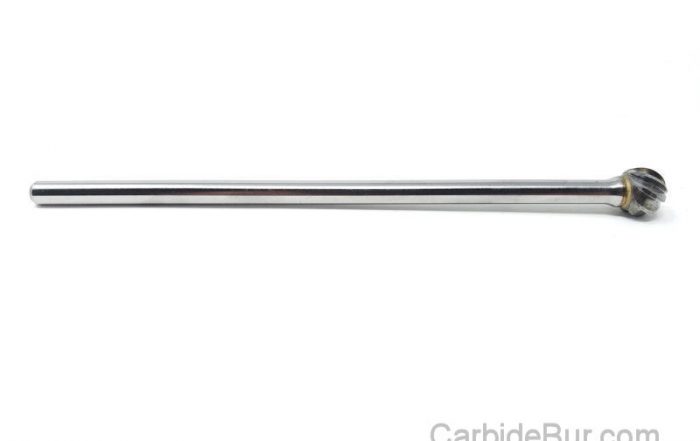
Best Long Reach Carbide Burr for Deep Metal Work
Best Long Reach Carbide Burr for Deep Metal Work Long reach carbide burrs often promise deep metal access, but many fall short where it counts most. You need a tool that cuts cleanly, lasts through [...]
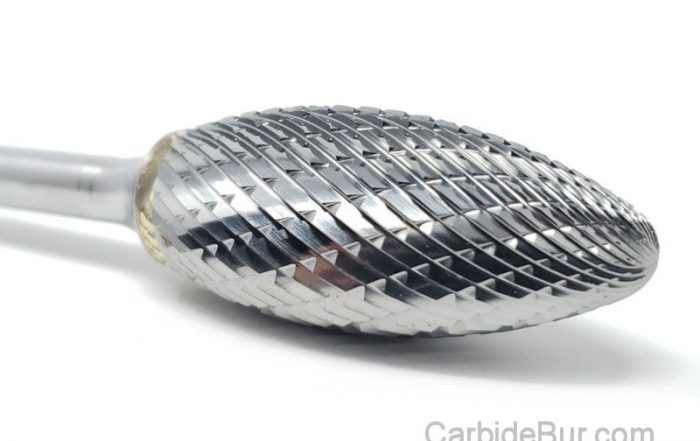
What RPM Should You Use for a 1/8 Inch Carbide Burr?
What RPM Should You Use for a 1/8 Inch Carbide Burr? Most people guess the right carbide burr RPM by feel—and waste hours redoing work. If you want cleaner cuts and longer tool life, your [...]
