
Mastering Metalwork: How Carbide Burs Transform Welding on Steel, Aluminum, and Titanium
Carbide burs offer a world of possibilities for welders and metalworking professionals, providing precision and efficiency across diverse welding materials. From the strength of steel to the lightweight nature of aluminum and the durability of titanium, these versatile metalworking tools are essential for achieving flawless finishes and intricate designs. Whether you’re a seasoned expert or exploring new techniques, understanding how carbide burs enhance your craft can open up new avenues for creativity and skill development. In this post, we’ll explore how these essential tools can transform your approach to welding, offering insights into the best practices for using steel burs, aluminum burs, and titanium burs effectively. Get ready to empower your metalworking endeavors with the right tools and techniques.## Understanding Carbide Burs
Carbide burs have revolutionized metalworking by offering precision and efficiency. This section will explore what carbide burs are, their benefits, and how to choose the right ones for your needs.
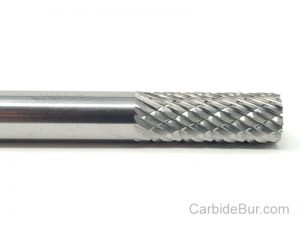
Check out all our USA made carbide bur cutting tools here
What Are Carbide Burs?
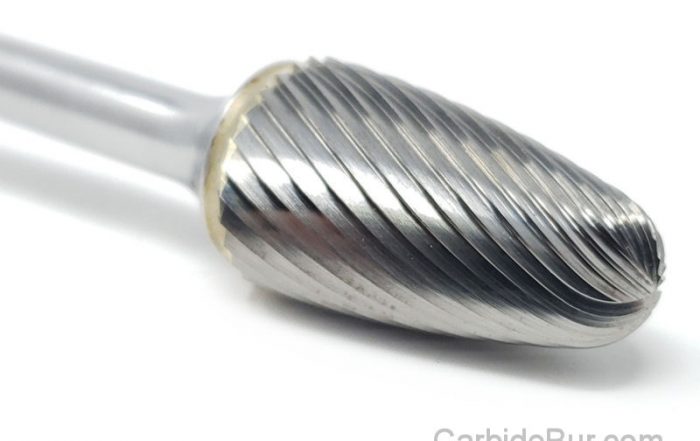
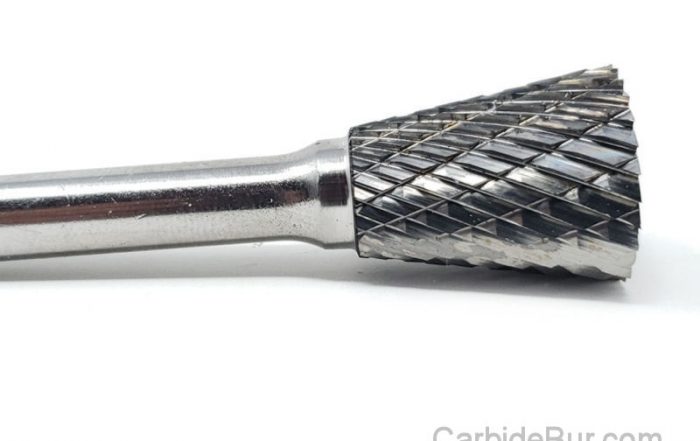
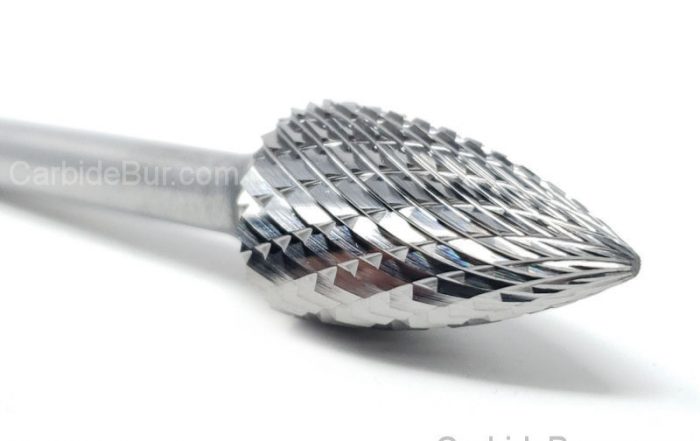
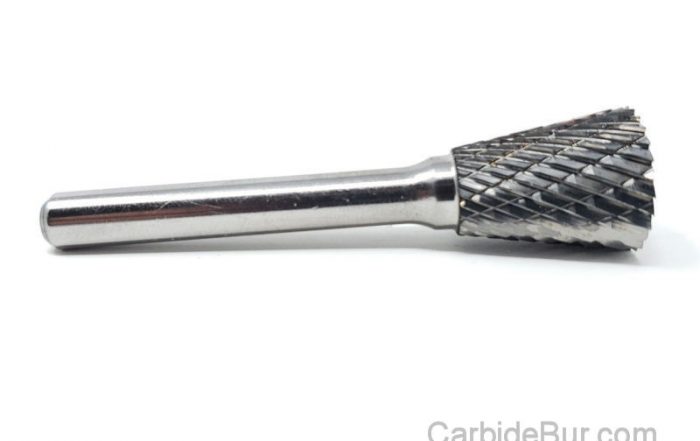
Carbide burs are rotary tools used in metalworking to cut, shape, and grind materials. Made from tungsten carbide, these tools are incredibly durable and resistant to heat. They come in various shapes and sizes, each designed for specific tasks. Some common shapes include cylindrical, oval, and flame-shaped burs.
These burs are compatible with high-speed rotary tools, allowing metalworkers to achieve intricate designs and smooth finishes. By selecting the right shape and size, you can tailor your approach to the specific requirements of your project.
For more information on different types of carbide burs, you can visit carbidebur.com.
Benefits for Metalworking Professionals
Carbide burs offer numerous benefits to metalworking professionals. Their durability and heat resistance make them a reliable choice for demanding tasks. These tools also provide a high level of precision, which is crucial for detailed work.
-
Durability: Carbide burs last longer than regular steel burs, reducing the need for frequent replacements.
-
Precision: The tools provide excellent control, allowing for detailed and intricate designs.
-
Versatility: Suitable for a wide range of materials, including steel, aluminum, and titanium.
Professionals can use carbide burs to achieve smoother finishes and reduce material wastage, ultimately enhancing productivity and efficiency.
Choosing the Right Burs
Selecting the appropriate carbide bur is essential for optimal performance. Consider the material you are working with and the specific task at hand.
-
Identify the Material: Different materials require different types of burs. For instance, aluminum requires specific burs to prevent clogging.
-
Choose the Shape: Burs come in various shapes; choose one that suits your project’s needs.
-
Check Compatibility: Ensure the bur fits your rotary tool properly.
For comprehensive guidance on choosing carbide burs, check out Cobra Carbide.
Carbide Burs for Steel
In steel metalworking, carbide burs play a critical role. This section examines why steel burs are important and techniques for effective steel work.
Check out all our USA made carbide bur cutting tools here
Why Steel Burs Matter
Steel burs are vital due to their ability to handle the toughness of steel. Their hardness allows them to maintain sharpness over extended periods, ensuring clean cuts and finishes.
Using carbide burs on steel reduces the risk of tool wear and enhances the overall efficiency of the process. The choice of bur can impact the quality of the finish and the ease of material removal.
To explore the options available for steel burs, visit carbidebur.com.
Techniques for Effective Steel Work
To achieve the best results in steel work, follow these techniques:
-
Select the Correct Bur: Choose a bur specifically designed for steel to ensure optimal performance.
-
Maintain Proper Speed: Use the recommended RPM settings to avoid overheating and tool damage.
-
Use Consistent Pressure: Apply steady pressure to achieve smooth, even cuts.
These techniques help in maintaining tool longevity and achieving high-quality finishes.
Aluminum Burs in Action
Aluminum is a unique material in metalworking, requiring specific tools. This section highlights the advantages of using aluminum burs and how to master aluminum welding.
Advantages of Aluminum Burs
Aluminum burs are designed to prevent clogging and ensure smooth cuts. They are essential for working with aluminum because of its soft nature, which can quickly dull standard tools.
-
Clog-Resistant: Special flute designs reduce the risk of clogging.
-
Smooth Finish: Provides clean and smooth finishes without damaging the material.
-
Enhanced Control: Allows for precise shaping and detailing.
For the best aluminum burs, visit this collection.
Mastering Aluminum Welding
Aluminum welding requires precision and the right tools. Here are some effective methods:
-
Prepare the Surface: Clean the aluminum surface thoroughly to remove any contaminants.
-
Use the Right Burs: Opt for aluminum-specific burs to prevent clogging and achieve clean cuts.
-
Monitor Temperature: Control the heat to prevent warping or damage to the aluminum.
Mastering these methods ensures high-quality results and efficient aluminum work.
Titanium Welding Made Easy
Titanium is renowned for its strength and resilience. This section discusses the importance of titanium burs and effective methods for working with titanium.
Importance of Titanium Burs
Titanium burs are essential due to titanium’s unique properties, such as its strength-to-weight ratio. These burs are designed to handle the toughness of titanium without losing sharpness.
Using the right burs ensures precision and reduces wear on the tools. The unique design of titanium burs allows them to maintain their cutting ability even on this challenging material.
For more on titanium burs, explore carbidebur.com.
Effective Methods for Titanium
Working with titanium demands attention to detail and the right approach. Consider these methods:
-
Select the Proper Bur: Use burs specifically designed for titanium to ensure effectiveness.
-
Maintain Cutting Speed: Use appropriate RPM settings to prevent tool damage.
-
Ensure Clean Cuts: Apply steady pressure to maintain smooth and precise cuts.
These methods help in achieving flawless results when working with titanium.
Expanding Your Metalworking Toolkit
To excel in metalworking, a well-rounded toolkit is essential. This section explores essential tools and the future of welding materials.
Essential Metalworking Tools
Beyond carbide burs, several tools are crucial for a complete metalworking toolkit.
-
Angle Grinders: Provide versatility for cutting and grinding.
-
Welding Machines: Essential for joining materials.
-
Safety Gear: Protects you from potential hazards.
Incorporating these tools ensures a well-equipped workspace for any metalworking task.
Future of Welding Materials
The future of welding materials looks promising, with advancements in technology and materials.
-
Innovative Alloys: New alloys are being developed for enhanced properties.
-
Advanced Tools: Tools are evolving to offer better precision and efficiency.
-
Sustainable Practices: Emphasis on eco-friendly materials and processes.
Staying informed about these trends can prepare you for future challenges and opportunities in metalworking.
Check out all our USA made carbide bur cutting tools here

Can You Use a Carbide Burr With an Electric Die Grinder?
Can You Use a Carbide Burr With an Electric Die Grinder? Most people don’t realize how much a carbide burr can change the way an electric die grinder works. Using the right burr type can [...]
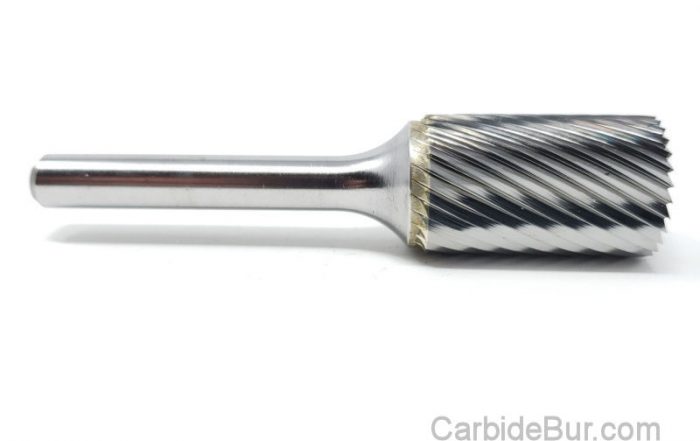
How to Deburr Holes With a Carbide Burr
How to Deburr Holes With a Carbide Burr Most people think any tool will do for deburring holes. The truth is, using the right carbide burr with the correct size and shape changes everything. In [...]
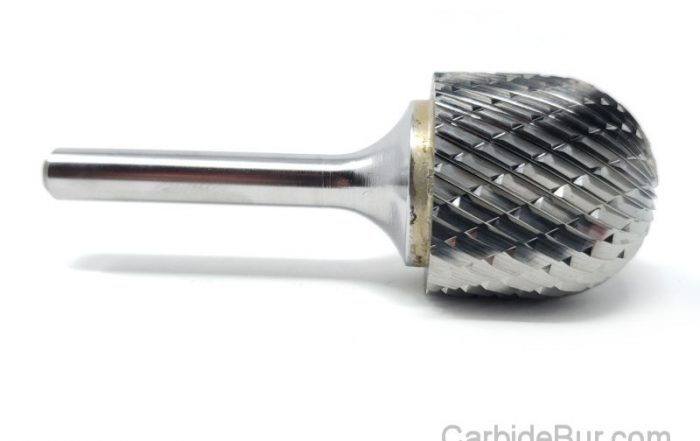
How to Choose the Correct Carbide Burr Shank Size
How to Choose the Correct Carbide Burr Shank Size Many machinists lose hours troubleshooting tool issues caused by the wrong carbide burr shank size. Using a shank that doesn’t fit your grinder can lead to [...]
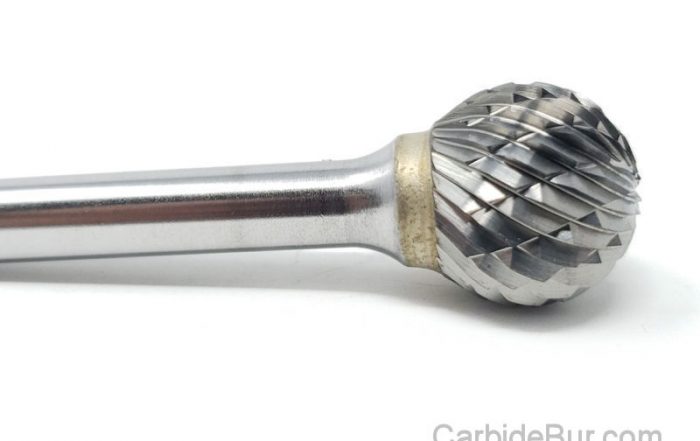
How to Remove Casting Flash With a Carbide Burr
How to Remove Casting Flash With a Carbide Burr Casting flash ruins the look and fit of your metal parts. You’ve tried sanding or grinding, but the results aren’t clean or fast enough. Learning how [...]
Best Carbide Burr for Enlarging a Hole in Metal
Best Carbide Burr for Enlarging a Hole in Metal When you need to enlarge a hole in metal, grabbing the wrong carbide burr can turn a simple task into a frustrating mess. Picking the best [...]
Carbide Burr Safety: 15 Mistakes That Can Cause Injury or Damage
Carbide Burr Safety: 15 Mistakes That Can Cause Injury or Damage Carbide burr safety is often overlooked until a costly mistake happens. Many metalworkers and DIYers make the same errors that lead to injuries or [...]
Can You Use a Carbide Burr in a Drill?
Can You Use a Carbide Burr in a Drill? Most people think a standard drill can’t handle a carbide burr, but that’s not true. Using carbide burr in the right drill can speed up your [...]
Carbide Burrs for Removing Rust: What Works Best?
Carbide Burrs for Removing Rust: What Works Best? Rust can turn your favorite tools into useless junk faster than you expect. Removing it without ruining the metal underneath takes more than just elbow grease—it demands [...]
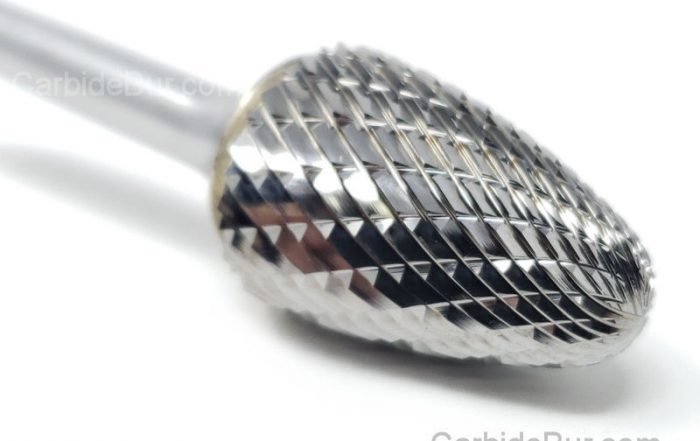
How Much Pressure Should You Use With a Carbide Burr?
How Much Pressure Should You Use With a Carbide Burr? Most people think pressing harder with a carbide burr speeds up the job. That’s not true—too much pressure wears out your tool and ruins the [...]
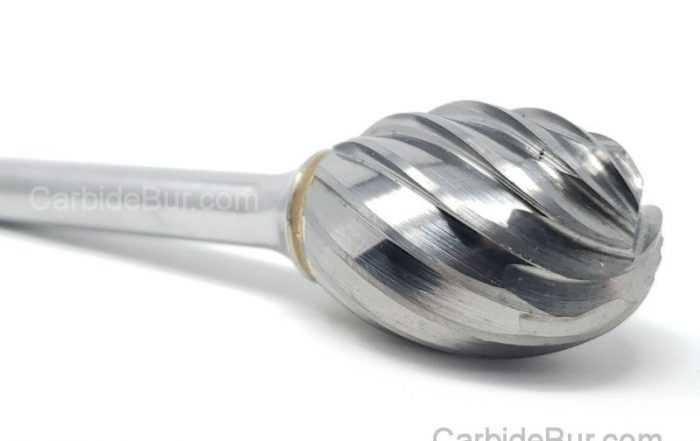
Can You Use Carbide Burrs With an Air Die Grinder?
Can You Use Carbide Burrs With an Air Die Grinder? Most people don’t realize how well carbide burrs work with air die grinders until they try them. If you’ve ever struggled with finding the right [...]
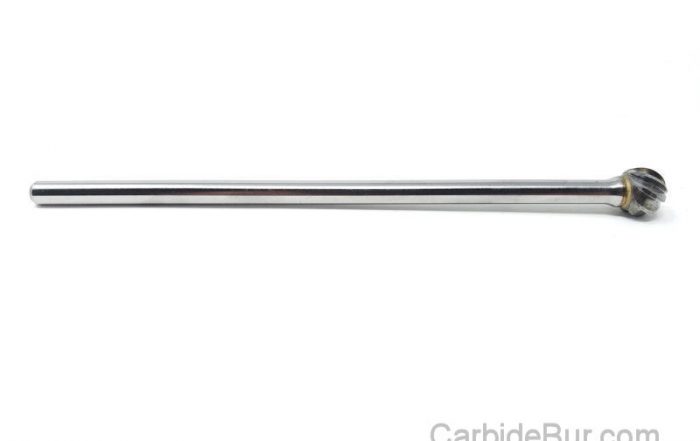
Best Long Reach Carbide Burr for Deep Metal Work
Best Long Reach Carbide Burr for Deep Metal Work Long reach carbide burrs often promise deep metal access, but many fall short where it counts most. You need a tool that cuts cleanly, lasts through [...]
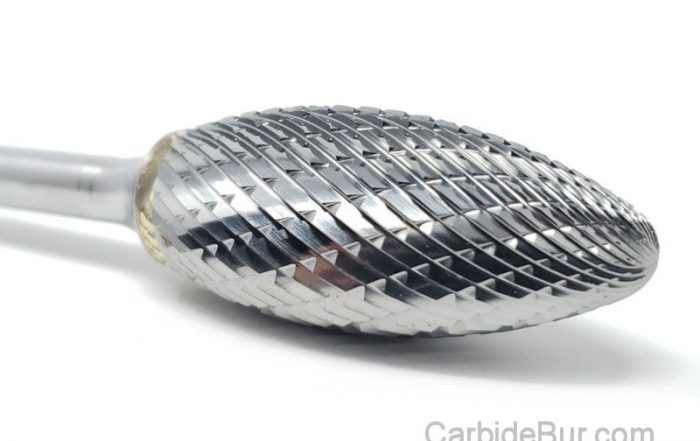
What RPM Should You Use for a 1/8 Inch Carbide Burr?
What RPM Should You Use for a 1/8 Inch Carbide Burr? Most people guess the right carbide burr RPM by feel—and waste hours redoing work. If you want cleaner cuts and longer tool life, your [...]
