How to Deburr Holes With a Carbide Burr
Most people think any tool will do for deburring holes. The truth is, using the right carbide burr with the correct size and shape changes everything. In this post, you’ll find clear steps and practical fabrication tips to achieve smooth finishes while protecting your materials and tools. Get ready to sharpen your skills in precision deburring and boost the quality of your metalworking projects. For more insights, visit here.
Understanding Carbide Burrs
Before diving into the techniques, it’s important to understand the tools you’ll be using. Carbide burrs are essential in metalworking for achieving precision and smooth finishes.
Carbide Burr Basics
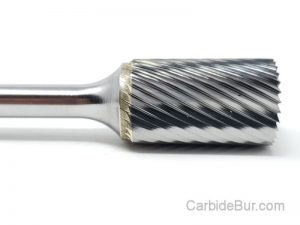
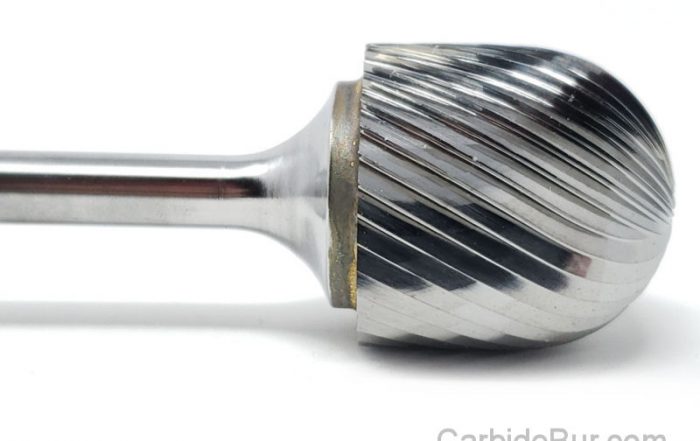
Carbide burrs are small cutting tools used in rotary tools, providing you with the ability to shape, grind, and deburr metal. They are made from tungsten carbide, a high-strength material that ensures durability. Carbide burrs come in different shapes and sizes, allowing you to choose the right one for your specific project needs. Using a carbide burr helps you achieve a finer finish compared to other tools because of its precision cutting capability.
Types of Carbide Burrs
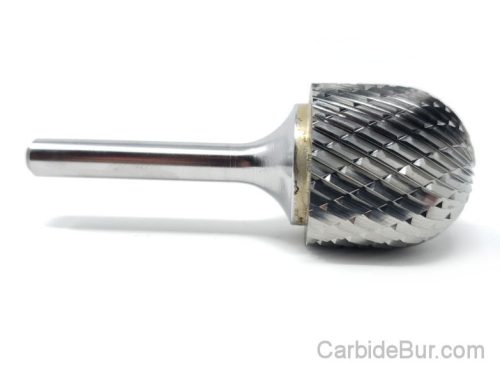
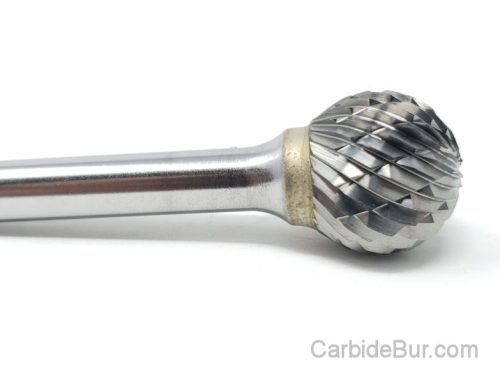
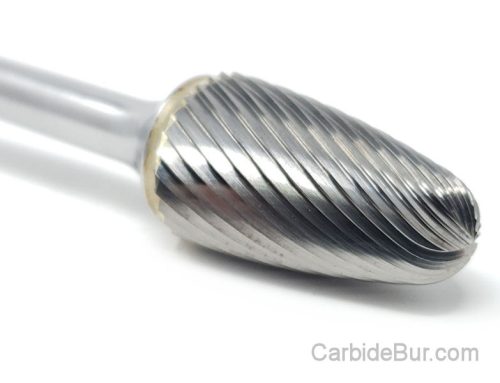
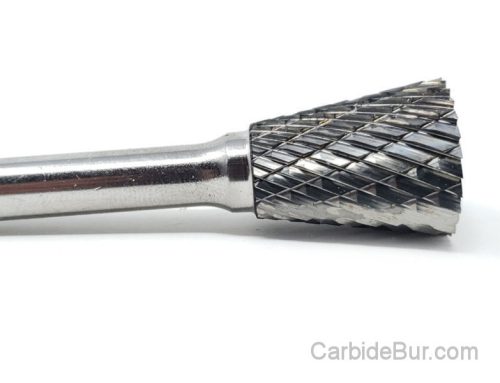
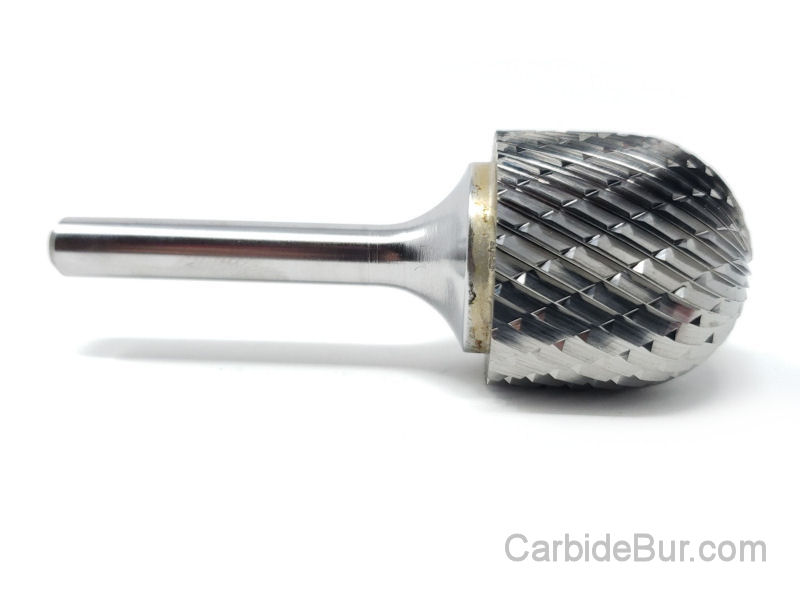
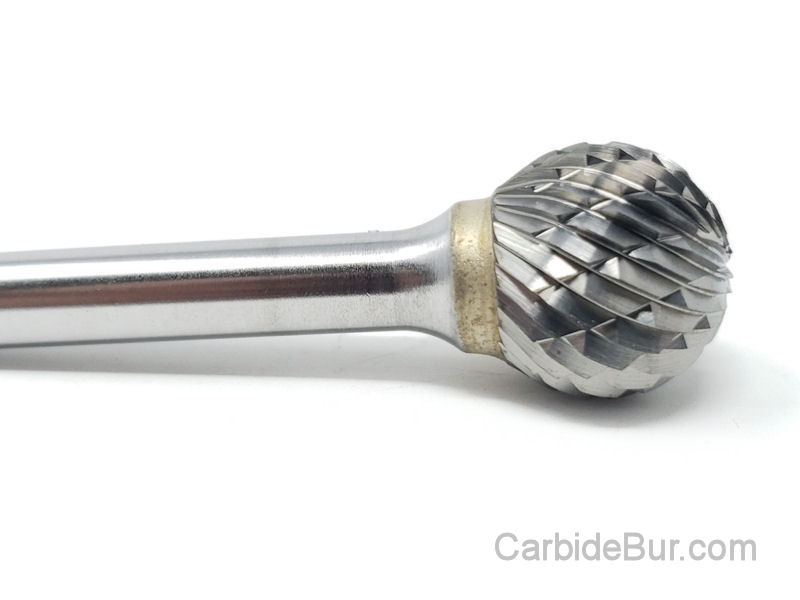
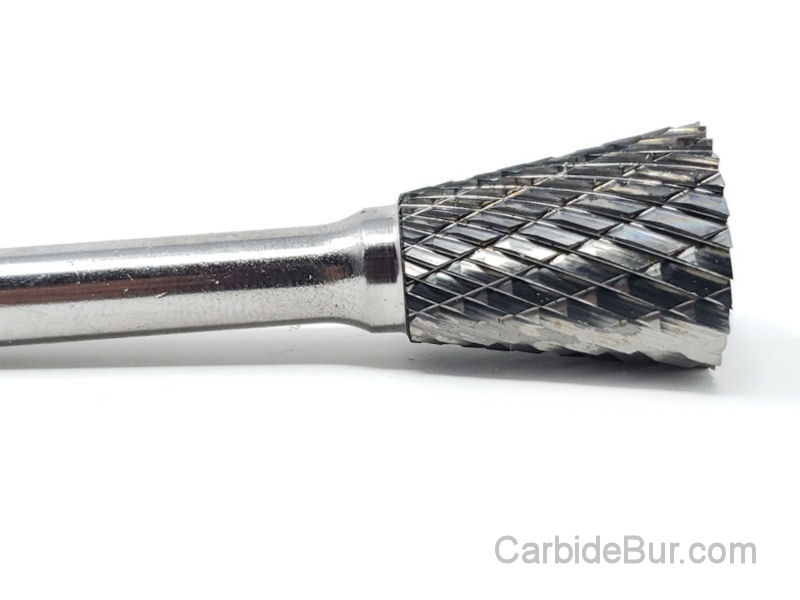
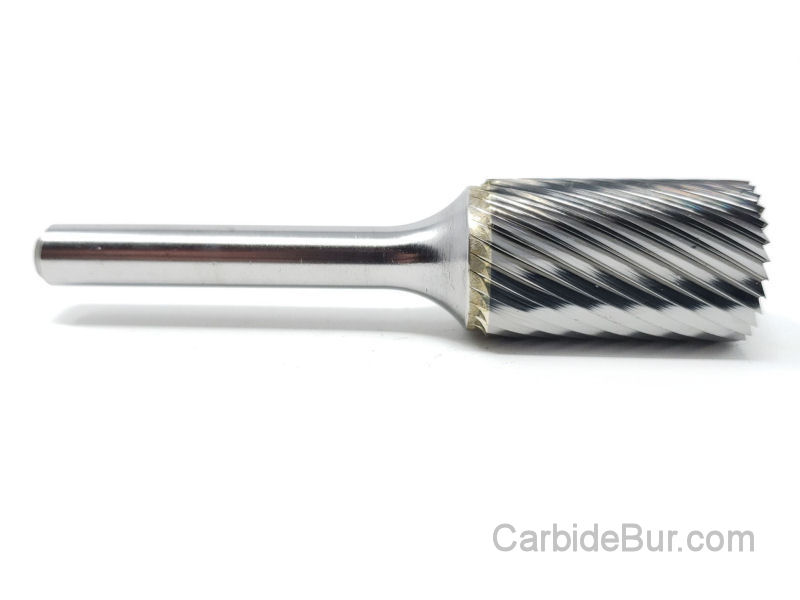
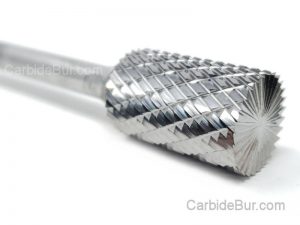
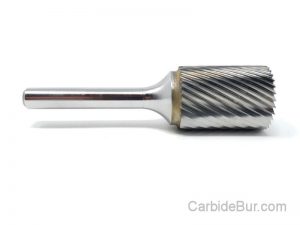
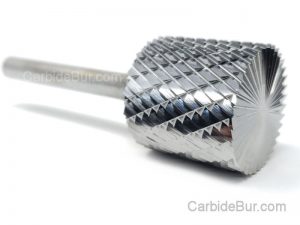
There are various types of carbide burrs designed for different tasks. Common types include ball-shaped, cone-shaped, and cylindrical burrs. Each type serves a unique purpose. For instance, ball-shaped burrs are perfect for creating concave cuts, while cylindrical ones are best for surface work. It’s crucial to understand the specific function of each burr type to select the best one for your metalworking project.
Choosing the Right Burr
Choosing the right burr ensures effectiveness and reduces wear on your tools. Consider the material you will be working on, as harder materials require more robust burrs. It’s also important to match the burr size to the hole you need to deburr. Smaller burrs are great for intricate work, while larger burrs can handle more extensive areas. For further guidance, this guide can help you make an informed decision.
Deburring Techniques
Once you understand the tools, it’s time to look at the techniques. Effective deburring not only improves the finish but also extends tool life.
Effective Deburring Methods
To deburr effectively, start by securing your workpiece. This ensures stability and precision. Next, choose the appropriate carbide burr and set your rotary tool to the correct speed. High speeds might cause damage, so start slow and increase as needed. Use gentle, steady pressure to guide the burr along the edges. Remember, patience is key: rushing the process might lead to errors.
Ensuring Precision in Deburring
Precision in deburring is critical. Focus on maintaining a consistent angle while working with the burr. This helps in achieving a uniform finish. Regularly check your progress and adjust the tool speed as needed. Using a marker to outline the areas to be deburred can also aid in maintaining precision and avoiding overworking certain spots.
Minimizing Risk of Damage
To minimize the risk of damage, always wear protective gear. Use a firm grip and ensure the tool is secure to prevent slips. Inspect your burrs regularly for signs of wear. Dull burrs can cause more harm than good, leading to uneven finishes or damaging the material. For more tips on tool safety, consider exploring these resources.
Selecting Burr Sizes and Shapes
Choosing the correct size and shape of burrs is crucial in achieving the desired result.
Matching Burr Size to Hole
Matching the burr size to the hole is essential for efficient deburring. If the burr is too large, it may not fit or could damage the surrounding material. Conversely, a burr that’s too small may not effectively remove all imperfections. Measure the hole diameter and select a burr slightly smaller to ensure optimal performance.
Selecting Shapes for Different Materials
Different materials require different burr shapes to prevent unnecessary wear and achieve a smooth finish. For softer materials like aluminum, a fluted burr might be best, while harder materials like stainless steel may require a more pointed tip. Understanding your material will guide you in choosing the most effective burr shape for your task. Check out this complete guide for material-specific recommendations.
Adapting to Material Hardness
Adapting your approach based on material hardness can make a big difference in results. For harder metals, slow your tool speed and apply steady pressure to avoid overheating. Softer materials may require faster speeds, but be mindful of melting or warping. Adjust your technique based on the material to prolong tool life and improve finish quality.
Achieving Smooth Finishes
A smooth finish not only looks good but also contributes to the safety and longevity of your projects.
Techniques for Smooth Edges
To achieve smooth edges, use a sweeping motion with your carbide burr. Avoid lingering in one spot too long to prevent uneven surfaces. Consistent movement will help in obtaining a uniform edge. After deburring, a light sanding can further enhance the smoothness of the edges.
Importance of Surface Safety
Surface safety is crucial in metalworking. Sharp edges and burrs can cause injuries or damage to other components. Regularly inspect surfaces post-deburring to ensure all rough spots are smoothed out. This not only improves the aesthetic but also ensures the safety of those handling the materials.
Enhancing Metalworking Quality
Enhancing your metalworking quality comes down to using the right tools and techniques. Quality deburring ensures your projects have a professional finish. It also reduces the need for rework, saving time and resources. Consistently applying these methods will improve your overall craftsmanship, making your projects stand out.
Tool Maintenance for Longevity
Proper maintenance extends the life of your tools and ensures consistent performance.
Proper Cleaning and Storage
After using your carbide burrs, clean them thoroughly to remove any debris. This prevents build-up that can dull the burr. Store burrs in a dry place to avoid rust or corrosion. Proper storage solutions, like a tool organizer, help in maintaining the condition of your tools.
Regular Inspection Tips
Regularly inspect your tools for signs of wear. Look for chips or dull edges that might affect performance. Replace any worn burrs to maintain efficiency. Frequent inspections help in identifying issues early and prevent costly repairs or replacements.
Extending Tool Lifespan
To extend the lifespan of your tools, handle them with care. Avoid dropping them or applying excessive force. Use each tool for its intended purpose to prevent unnecessary wear. Regular maintenance and mindful usage ensure your tools remain in top condition for a long time.
Frequently Asked Questions
What is the primary use of carbide burrs?
Carbide burrs are used for shaping, grinding, and deburring metal. They provide precision and smooth finishes, making them essential in metalworking.
How do I choose the right carbide burr for my project?
Consider the material and size of the hole when selecting a burr. Match the burr size slightly smaller than the hole, and choose a shape based on the material’s hardness and the task at hand.
What are the benefits of regular tool maintenance?
Regular tool maintenance ensures consistent performance, extends the life of your tools, and prevents unexpected breakdowns. Proper cleaning and storage also prevent rust and corrosion, keeping your tools in optimal condition.
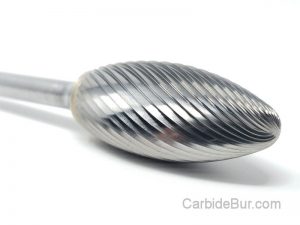
Looking for Carbide Bur Tools?
Check out our entire selection of USA made carbide bur die grinder tool bits
Follow us on Twitter

Return to CarbideBur.com
Carbide Burs – 1/4″ on 1/8″ Shanks – Accessories – Aluminum Cut – Bur Sets – End Mills – Long Shank – Solid Burs
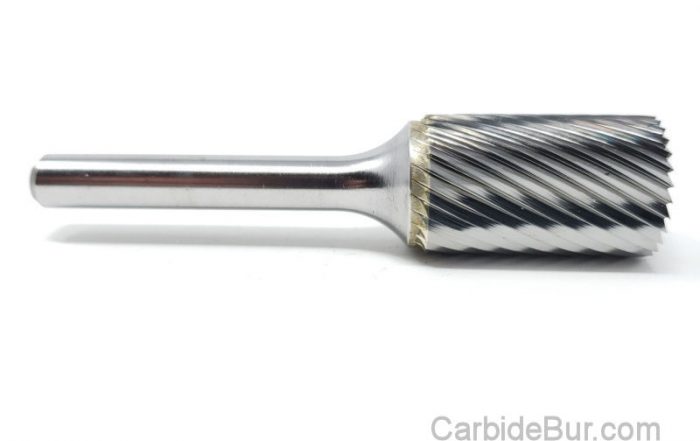
How to Deburr Holes With a Carbide Burr
How to Deburr Holes With a Carbide Burr Most people think any tool will do for deburring holes. The truth is, using the right carbide burr with the correct size and shape changes everything. In [...]
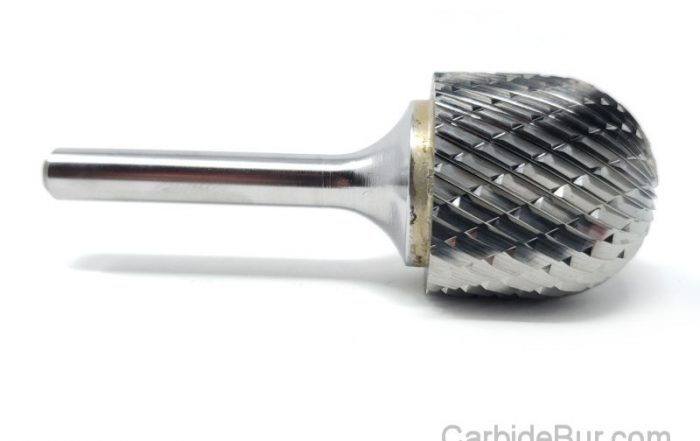
How to Choose the Correct Carbide Burr Shank Size
How to Choose the Correct Carbide Burr Shank Size Many machinists lose hours troubleshooting tool issues caused by the wrong carbide burr shank size. Using a shank that doesn’t fit your grinder can lead to [...]
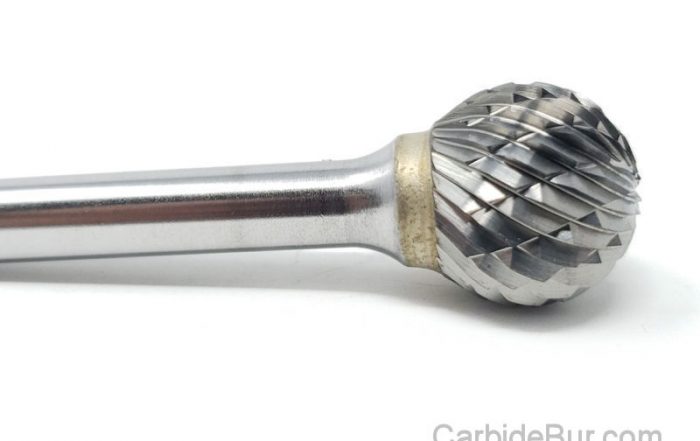
How to Remove Casting Flash With a Carbide Burr
How to Remove Casting Flash With a Carbide Burr Casting flash ruins the look and fit of your metal parts. You’ve tried sanding or grinding, but the results aren’t clean or fast enough. Learning how [...]
Best Carbide Burr for Enlarging a Hole in Metal
Best Carbide Burr for Enlarging a Hole in Metal When you need to enlarge a hole in metal, grabbing the wrong carbide burr can turn a simple task into a frustrating mess. Picking the best [...]
Carbide Burr Safety: 15 Mistakes That Can Cause Injury or Damage
Carbide Burr Safety: 15 Mistakes That Can Cause Injury or Damage Carbide burr safety is often overlooked until a costly mistake happens. Many metalworkers and DIYers make the same errors that lead to injuries or [...]
Can You Use a Carbide Burr in a Drill?
Can You Use a Carbide Burr in a Drill? Most people think a standard drill can’t handle a carbide burr, but that’s not true. Using carbide burr in the right drill can speed up your [...]
Carbide Burrs for Removing Rust: What Works Best?
Carbide Burrs for Removing Rust: What Works Best? Rust can turn your favorite tools into useless junk faster than you expect. Removing it without ruining the metal underneath takes more than just elbow grease—it demands [...]
How Much Pressure Should You Use With a Carbide Burr?
How Much Pressure Should You Use With a Carbide Burr? Most people think pressing harder with a carbide burr speeds up the job. That’s not true—too much pressure wears out your tool and ruins the [...]
Can You Use Carbide Burrs With an Air Die Grinder?
Can You Use Carbide Burrs With an Air Die Grinder? Most people don’t realize how well carbide burrs work with air die grinders until they try them. If you’ve ever struggled with finding the right [...]
Best Long Reach Carbide Burr for Deep Metal Work
Best Long Reach Carbide Burr for Deep Metal Work Long reach carbide burrs often promise deep metal access, but many fall short where it counts most. You need a tool that cuts cleanly, lasts through [...]
What RPM Should You Use for a 1/8 Inch Carbide Burr?
What RPM Should You Use for a 1/8 Inch Carbide Burr? Most people guess the right carbide burr RPM by feel—and waste hours redoing work. If you want cleaner cuts and longer tool life, your [...]
Carbide Burrs for Tight Spaces: Choosing the Right Shape
Carbide Burrs for Tight Spaces: Choosing the Right Shape Tackling tight spaces with the wrong carbide burrs wastes time and risks damaging your work. Choosing the right burr shape makes all the difference when working [...]