How to Remove Casting Flash With a Carbide Burr
Casting flash ruins the look and fit of your metal parts. You’ve tried sanding or grinding, but the results aren’t clean or fast enough. Learning how to remove casting flash with a carbide burr will save you time and give your projects a sharp, professional finish. This guide breaks down the best carbide burr techniques, RPM settings, and safety tips to help you work smarter on your next metalworking task. For more insights, check out this guide on essential carbide burr techniques.
Understanding Casting Flash
Casting flash can make your metal parts look unprofessional. It affects both the appearance and function of your projects. Let’s dive in to understand what casting flash is and why it’s important to address it.
What is Casting Flash?
Casting flash is the excess material that seeps out of the mold during the casting process. This material hardens around the edges of your metal parts. It can affect the fit and finish, making it crucial to remove it for a polished look. Think of flash as the sneaky material that escapes, needing to be trimmed away for a perfect result.
Impact on Metal Parts
The presence of casting flash can lead to a poor fit, rough edges, and an overall lackluster appearance. It might seem minor, but it compromises the precision and quality of your metal work. Even the slightest imperfection can affect assemblies. A smooth and clean finish is essential for both functionality and aesthetics.
Common Causes
Casting flash often occurs due to excess pressure or misaligned molds. It’s a common issue in manufacturing, but understanding its causes helps in preventing it. By minimizing pressure and ensuring molds are properly aligned, you can reduce the occurrence of flash in future projects.
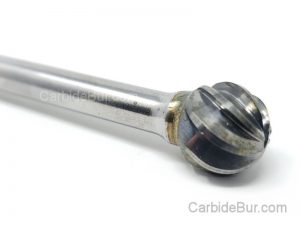
Choosing the Right Carbide Burr
To effectively remove casting flash, selecting the right carbide burr is crucial. The type, shape, and material of the burr play a significant role in achieving the desired finish on your metal parts.
Types of Carbide Burrs
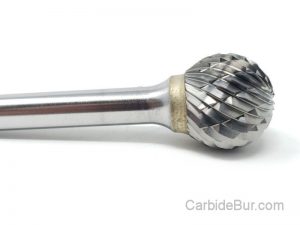
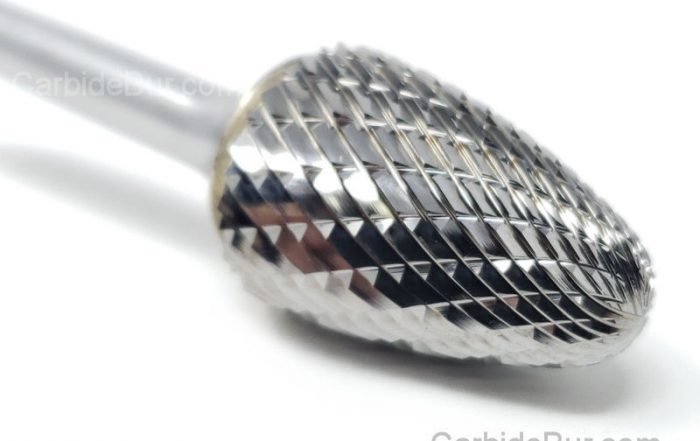
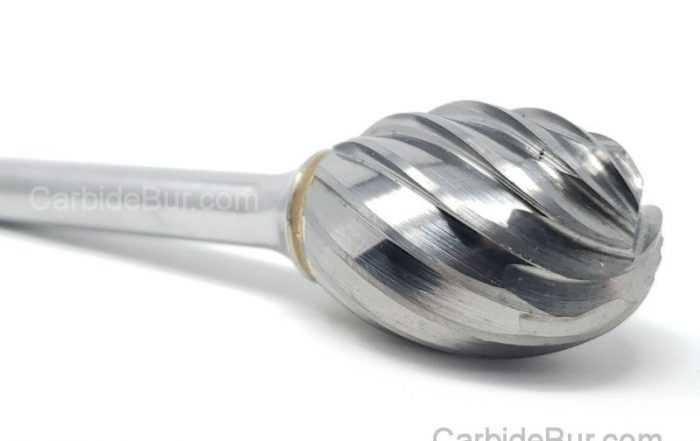
Carbide burrs come in various types, each suited for different tasks. Common types include single-cut, double-cut, and aluminum-cut burrs. Single-cut burrs are ideal for hard metals, providing a smooth finish. Double-cut burrs work well on softer metals, offering a finer finish. Aluminum-cut burrs, designed for softer materials, allow for rapid stock removal.
Selecting Burr Shapes
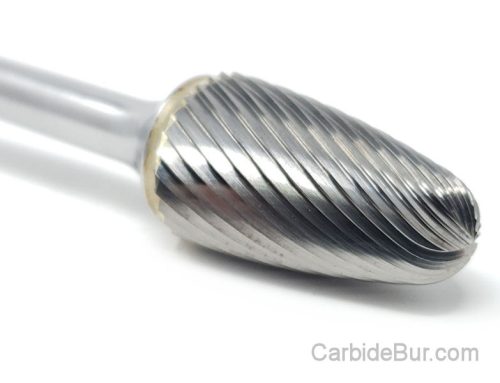
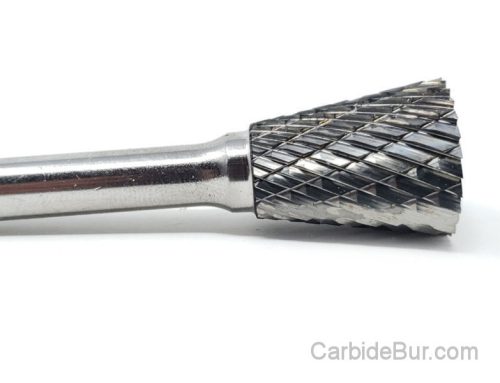
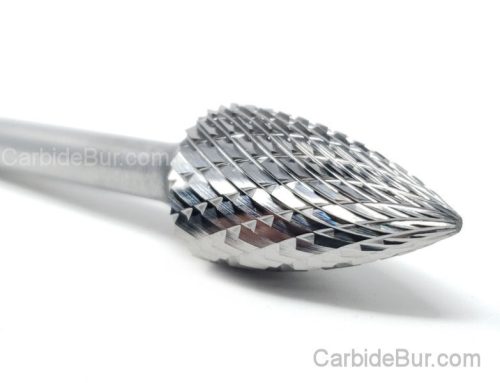
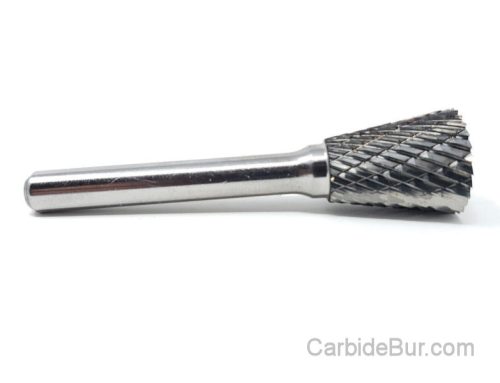
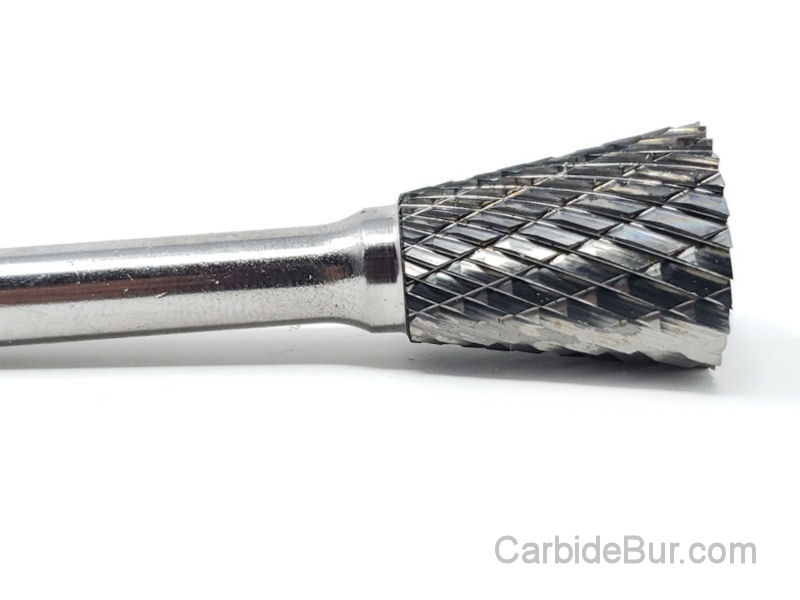
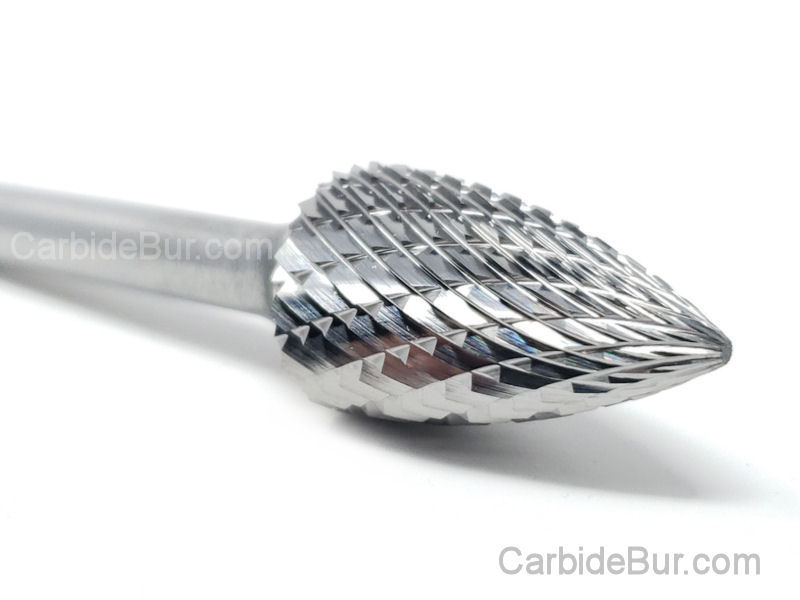
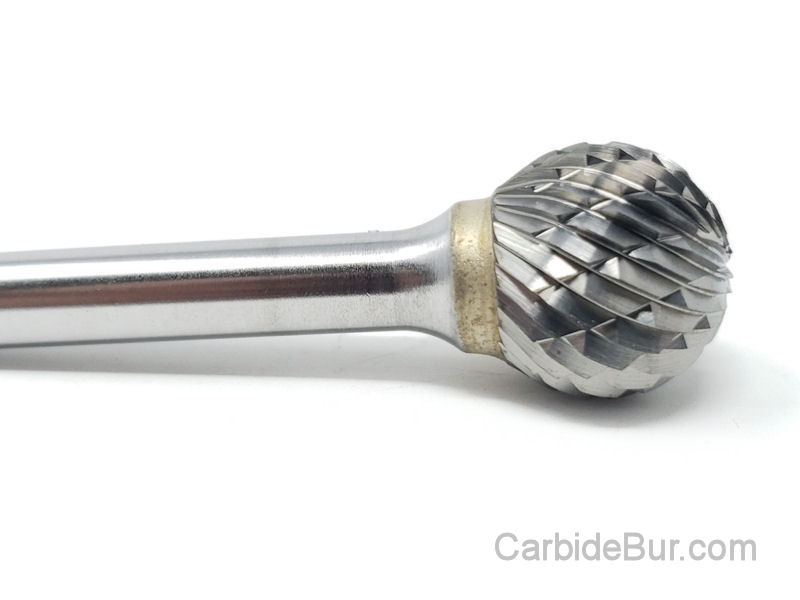
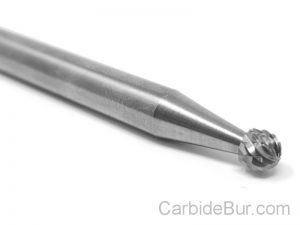
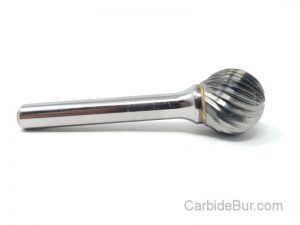
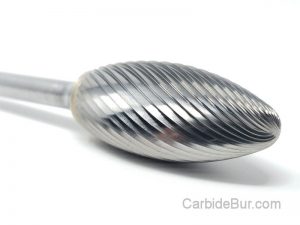
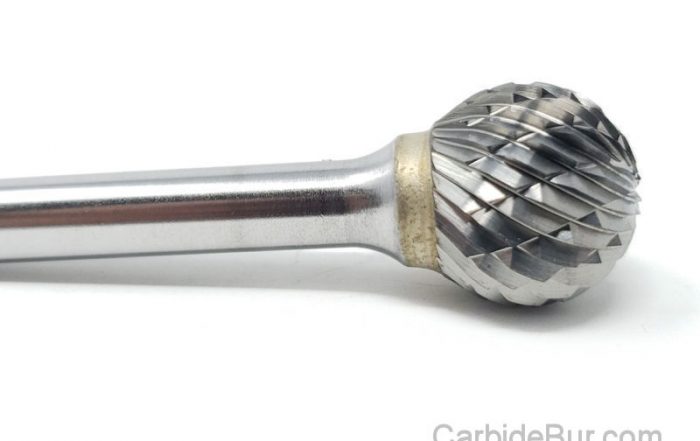
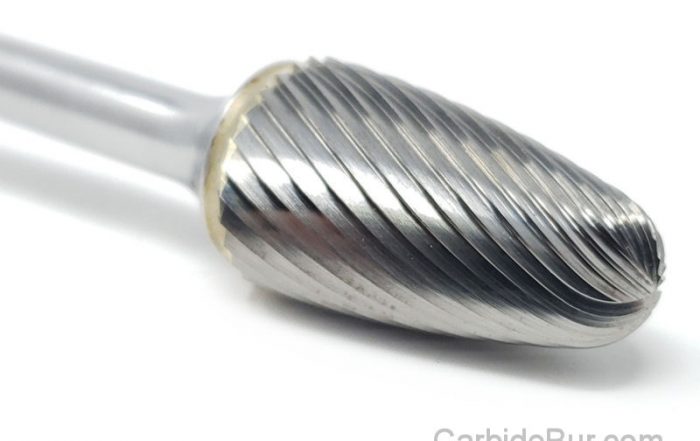
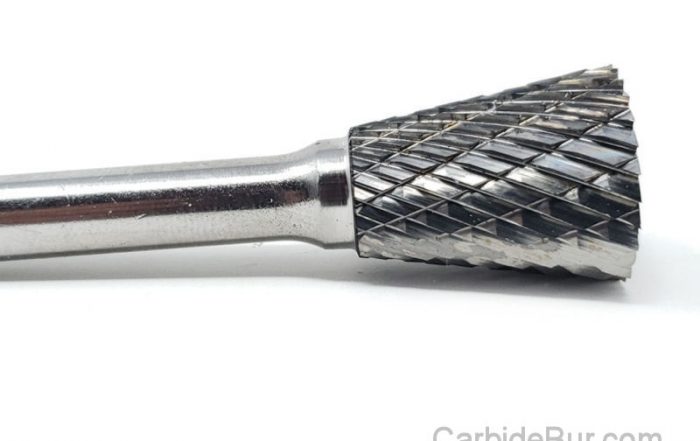
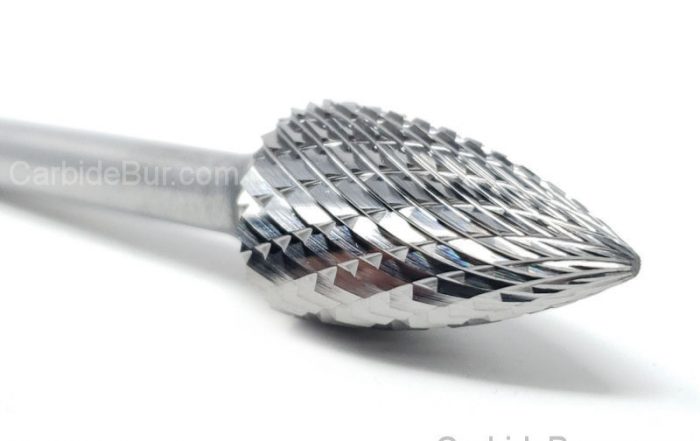
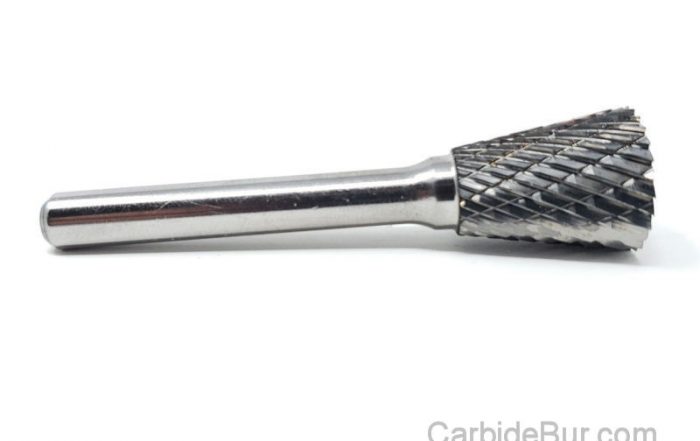
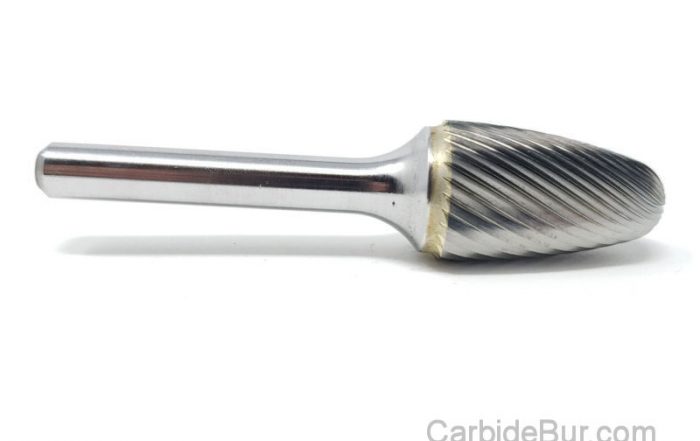
The shape of your burr impacts its performance and the finish it creates. Cylinder, ball, and cone are popular shapes. Cylindrical burrs are perfect for flat surfaces, while ball-shaped burrs work well on rounded edges. Cone-shaped burrs help reach tight spots, giving you flexibility in your projects.
Material Considerations
The material of your burr affects its durability and effectiveness. Tungsten carbide burrs are popular due to their toughness and heat resistance. They can handle high RPMs without degrading, making them suitable for various metals. Choosing the right material ensures longevity and efficiency.
Optimal RPM Settings
Adjusting your tool’s speed is key to effective flash removal. RPM settings influence the burr’s performance and the quality of the finish on your metal parts.
Importance of RPM in Burr Performance
The right RPM settings enhance the performance of your carbide burr. Speed affects the cut’s smoothness and precision. Too fast can cause chatter and overheating, while too slow might not achieve the desired cut. Matching RPM to the task ensures clean and efficient results.
Recommended RPM Ranges
Different burr types and metals require specific RPM ranges. For example, single-cut burrs work best at lower RPMs, around 5,000 to 10,000, while double-cut burrs can handle speeds up to 25,000 RPM. Experiment within these ranges to find what works best for your material.
Adjusting for Different Metals
Not all metals are created equal. Softer metals like aluminum require lower RPMs, while harder metals like stainless steel need higher speeds. Adjust your settings based on the metal you’re working with to prevent damage and ensure a smooth finish.
Safety Precautions in Metalworking
Safety is paramount in any metalworking project. Proper precautions protect you from potential hazards and ensure a safe working environment.
Protective Gear Essentials
Wearing the right gear safeguards you from flying debris and sharp edges. Essential protective equipment includes safety goggles, gloves, and a dust mask. Goggles shield your eyes, gloves protect your hands, and a dust mask prevents inhalation of harmful particles.
Workspace Safety Protocols
A tidy workspace minimizes accidents. Keep your area organized and free of clutter. Ensure proper ventilation to reduce dust accumulation. Regularly check your tools for wear and tear, replacing any damaged parts to maintain safety standards.
Handling Carbide Burrs Safely
Proper handling of carbide burrs extends their life and prevents accidents. Secure your workpiece firmly, and always use two hands on your tool. Avoid applying excessive pressure, letting the burr do the work. After use, store your burrs in a safe place to avoid damage.
Techniques for Casting Flash Removal
Armed with the right tools and knowledge, you’re ready to tackle casting flash removal. Follow these techniques for a smooth and professional finish.
Step-by-Step Carbide Burr Techniques
-
Secure Your Workpiece: Ensure it’s stable to prevent movement.
-
Choose the Right Burr: Match the burr type to your material and task.
-
Set the Correct RPM: Adjust speed according to burr type and metal.
-
Start with Light Pressure: Let the burr do the cutting, avoiding force.
-
Move Consistently: Use steady movements for an even finish.
Tips for Efficient Flash Removal
-
Inspect Regularly: Check your progress frequently to avoid over-removal.
-
Use Lubricant: Apply a cutting fluid to reduce heat and improve finish.
-
Clean as You Go: Regularly clear debris to maintain visibility.
Common Mistakes to Avoid
Avoiding these pitfalls ensures a smooth process:
-
Using the Wrong Burr: Match the burr to the task and material.
-
Ignoring RPM Settings: Too fast or slow can lead to poor results.
-
Skipping Safety Gear: Always wear appropriate protection.
Frequently Asked Questions
What is casting flash?
Casting flash is excess material on the edges of metal parts from the molding process. It’s crucial to remove it for a clean finish.
Why is RPM important in burr performance?
RPM settings affect the cut’s quality. Correct speeds ensure smooth, efficient removal of casting flash without damaging the workpiece.
What safety gear is essential for metalworking?
Safety goggles, gloves, and a dust mask are essential. They protect your eyes, hands, and lungs from debris and harmful particles.
How do you choose the right carbide burr?
Select based on the metal type and task. Consider burr shape, type, and material for the best results.
What common mistakes should I avoid in flash removal?
Avoid using the wrong burr, ignoring RPM settings, and neglecting safety gear. These mistakes can lead to poor results and potential hazards.
Looking for Carbide Bur Tools?
Check out our entire selection of USA made carbide bur die grinder tool bits
Follow us on Twitter

Return to CarbideBur.com
Carbide Burs – 1/4″ on 1/8″ Shanks – Accessories – Aluminum Cut – Bur Sets – End Mills – Long Shank – Solid Burs
How to Remove Casting Flash With a Carbide Burr
How to Remove Casting Flash With a Carbide Burr Casting flash ruins the look and fit of your metal parts. You’ve tried sanding or grinding, but the results aren’t clean or fast enough. Learning how [...]
Best Carbide Burr for Enlarging a Hole in Metal
Best Carbide Burr for Enlarging a Hole in Metal When you need to enlarge a hole in metal, grabbing the wrong carbide burr can turn a simple task into a frustrating mess. Picking the best [...]
Carbide Burr Safety: 15 Mistakes That Can Cause Injury or Damage
Carbide Burr Safety: 15 Mistakes That Can Cause Injury or Damage Carbide burr safety is often overlooked until a costly mistake happens. Many metalworkers and DIYers make the same errors that lead to injuries or [...]
Can You Use a Carbide Burr in a Drill?
Can You Use a Carbide Burr in a Drill? Most people think a standard drill can’t handle a carbide burr, but that’s not true. Using carbide burr in the right drill can speed up your [...]
Carbide Burrs for Removing Rust: What Works Best?
Carbide Burrs for Removing Rust: What Works Best? Rust can turn your favorite tools into useless junk faster than you expect. Removing it without ruining the metal underneath takes more than just elbow grease—it demands [...]
How Much Pressure Should You Use With a Carbide Burr?
How Much Pressure Should You Use With a Carbide Burr? Most people think pressing harder with a carbide burr speeds up the job. That’s not true—too much pressure wears out your tool and ruins the [...]
Can You Use Carbide Burrs With an Air Die Grinder?
Can You Use Carbide Burrs With an Air Die Grinder? Most people don’t realize how well carbide burrs work with air die grinders until they try them. If you’ve ever struggled with finding the right [...]
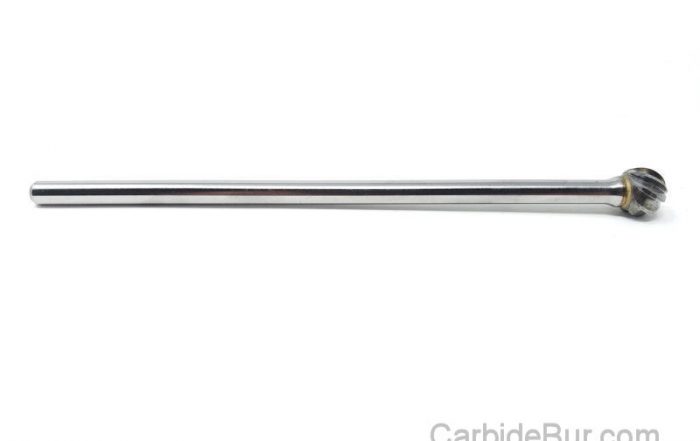
Best Long Reach Carbide Burr for Deep Metal Work
Best Long Reach Carbide Burr for Deep Metal Work Long reach carbide burrs often promise deep metal access, but many fall short where it counts most. You need a tool that cuts cleanly, lasts through [...]
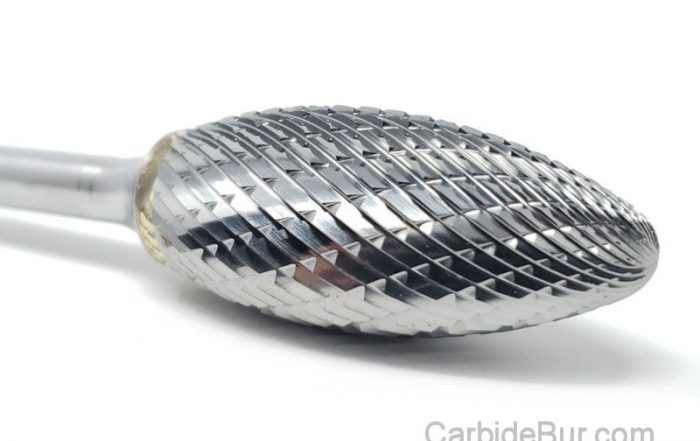
What RPM Should You Use for a 1/8 Inch Carbide Burr?
What RPM Should You Use for a 1/8 Inch Carbide Burr? Most people guess the right carbide burr RPM by feel—and waste hours redoing work. If you want cleaner cuts and longer tool life, your [...]
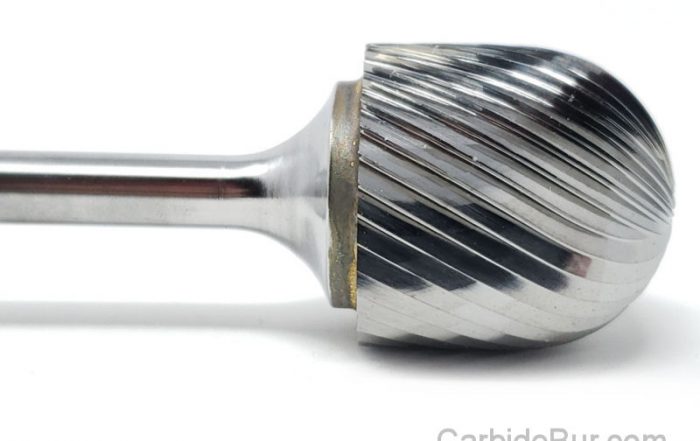
Carbide Burrs for Tight Spaces: Choosing the Right Shape
Carbide Burrs for Tight Spaces: Choosing the Right Shape Tackling tight spaces with the wrong carbide burrs wastes time and risks damaging your work. Choosing the right burr shape makes all the difference when working [...]
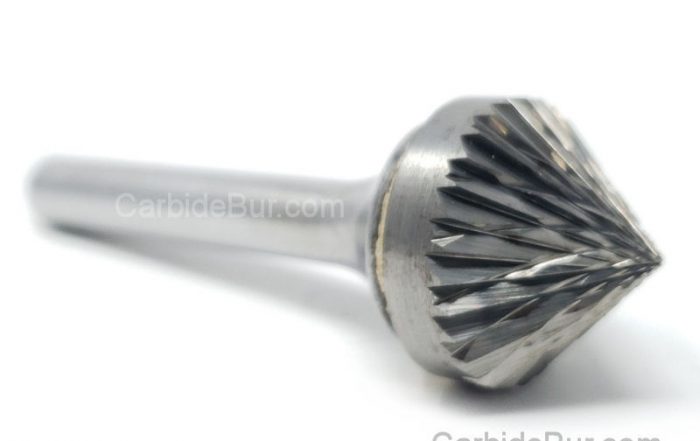
Can Carbide Burrs Remove Paint From Metal?
Can Carbide Burrs Remove Paint From Metal? Stripping paint from metal often feels like a tough chore that risks damaging the surface underneath. Many turn to carbide burrs hoping they can speed things up without [...]
How to Grind a Groove in Metal With a Carbide Burr
How to Grind a Groove in Metal With a Carbide Burr Most metalworkers struggle to cut clean grooves without wasting time or ruining their workpiece. Many try different metalworking tools but end up with uneven [...]