How to Choose the Correct Carbide Burr Shank Size
Many machinists lose hours troubleshooting tool issues caused by the wrong carbide burr shank size. Using a shank that doesn’t fit your grinder can lead to poor cutting efficiency and even safety hazards. Knowing how to match shank size with your tools and applications lets you protect your equipment and improve tool performance. This guide breaks down everything you need to pick the right carbide burr shank size for your work. For more insights, check out this guide on selecting the perfect die grinder burrs for your next project.
Understanding Carbide Burr Shank Sizes
Choosing the right carbide burr shank size is crucial for successful machining. Let’s explore why this matters.
Importance of Shank Size
The size of the shank is more than just a number; it’s a critical factor in determining how well your tool will perform. A correct shank size ensures your carbide burr fits snugly into the grinder, preventing wobble and ensuring precision. When your tool fits just right, you can expect smoother cuts and less wear on both the burr and the grinder.
A mismatch in shank size can lead to inefficient cutting and potential tool damage. The wrong size can cause vibrations, leading to inaccurate cuts and increased wear on your tools. This not only affects the quality of your work but also increases the likelihood of accidents in your workshop.
How Shank Size Affects Performance
Performance is key, and the right shank size plays a major role. A burr that fits perfectly into your tool allows for optimal rotation speed and control. This leads to cleaner cuts and better handling.
Conversely, an incorrect fit can result in a shaky operation. This instability not only reduces accuracy but also increases the time needed for each task. With the right shank size, you maximize your efficiency and safety simultaneously, creating a better work environment.
Key Considerations for Selection
Selecting the right shank size doesn’t have to be complicated. Start by checking the specifications of your grinder to see what shank size it accommodates. It’s also important to consider the material you’re working with, as different materials may require different burr sizes for optimal results.
Consider the type of cuts you need. For intricate work, a smaller shank may offer better control, while larger shanks can provide more power for heavy-duty tasks. Plan your projects ahead of time to ensure you have the right tools on hand.
Compatibility with Tools
Understanding how shank sizes align with your tools can prevent common machining problems. Let’s delve deeper into compatibility.
Matching Shank Size to Grinders
Matching the shank size to your grinder is crucial for optimal performance. Each grinder has a specific shank size it supports, usually indicated in the manual or on the tool itself. Ensuring that your burr’s shank matches your grinder’s requirement is key.
When the sizes match, you benefit from steady, reliable tool operation. This reduces wear on the grinder and the burr, extending the life of both. Always double-check sizes before starting your work to avoid unnecessary issues.
Ensuring Tool Compatibility
Tool compatibility goes beyond just fitting the shank. It encompasses the overall balance and performance of the burr when in use. A well-matched tool setup offers smoother operation and better results.
Choosing the correct size ensures that the burr rotates properly without causing undue strain on your equipment. This not only protects your tools but also enhances your ability to produce high-quality work consistently.
Avoiding Tool Damage
Tool damage is a common consequence of using the wrong shank size. A poorly fitting burr can lead to vibrations and uneven wear, which can damage your tools over time. The cost of replacing damaged tools can add up quickly.
To avoid this, always use the correct shank size for your grinder. This simple step can save you time, money, and frustration down the line, protecting your investment in your tools and your work.
Enhancing Cutting Efficiency
Efficient cutting is about more than just speed; it’s about quality and precision. The right shank size plays a crucial part in this.
Achieving Optimal Cutting Performance
For optimal cutting performance, precision is key. The right shank size ensures that your burr is stable and effective, allowing you to make precise cuts with confidence.
When your tools are properly matched, you achieve a smoother finish and a more professional result. This enhances the overall quality of your work and boosts your productivity, allowing you to complete tasks more efficiently.
Impact of Shank Size on Speed
The speed at which you can work is directly impacted by the shank size. A snug fit allows for faster operation without sacrificing quality. This means you can complete tasks quicker while maintaining the same level of precision.
Speed isn’t just about getting the job done quickly; it’s about achieving the best results in the shortest time. With the right shank size, you can enjoy both speed and quality in your work.
Efficient Burr Applications
Efficient applications of your burrs rely on using the correct shank size. This ensures that your tools operate smoothly and effectively, allowing you to complete projects without unnecessary delays.
Different projects might require different sizes, so having a variety of shank sizes on hand can be beneficial. This flexibility allows you to tackle a wider range of tasks with ease, ensuring you’re always ready for any challenge.
Ensuring Machining Safety
Safety is a top priority in any workshop. Proper shank size selection is a key component of safe machining practices.
Reducing Risk with Correct Shank Size
Using the correct shank size reduces the risk of accidents in your workshop. A secure fit prevents the burr from slipping or coming loose during operation, which can lead to serious accidents.
Safety starts with the right tools. By ensuring that your shank size matches your grinder’s requirements, you create a safer working environment for yourself and others around you.
Safety Practices in Metalworking
Beyond just shank size, there are several safety practices to follow in metalworking. Always wear appropriate safety gear, such as goggles and gloves, to protect yourself from flying debris.
Regularly inspect your tools for wear and damage. Keeping your equipment in good condition helps prevent accidents and ensures consistent performance. By maintaining your tools and using the correct shank size, you can work safely and effectively.
Preventing Tool Failure
Tool failure is not only costly but also dangerous. Using the wrong shank size can lead to tool failure, resulting in damaged equipment and potential injury.
Preventing tool failure starts with using the right tools for the job. Always select the correct shank size to ensure smooth operation and avoid unnecessary risks. Regular maintenance and careful selection of tools go a long way in preventing failures.
Practical Tips for Shank Selection
Selecting the right shank size is critical for both performance and safety in your projects. Here are some tips to help you choose wisely.
Selecting the Right Size for Your Task
Choosing the right shank size begins with understanding your task requirements. Consider the material, the complexity of the cuts, and the power of your grinder. These factors will help you determine the best size for your specific needs.
For precision work, a smaller shank may offer more control, while larger shanks are better for heavy-duty tasks. Assess your project requirements to choose the most suitable size for the job at hand.
Adjusting for Different Materials
Different materials require different approaches. Harder materials may need a larger shank to handle the increased resistance, while softer materials can be worked with smaller shanks.
Consider the material’s properties when selecting your shank size. This ensures that your burr performs optimally, regardless of the material you’re working with. Adjusting your approach based on material is key to successful machining.
Maintaining Tool Performance
Maintaining high tool performance is essential for efficient work. Regularly check your tools for wear and replace components as needed to keep them in top condition.
Using the right shank size plays a big role in maintaining tool performance. A well-matched tool setup ensures that your equipment operates smoothly and effectively, allowing you to complete tasks with ease and precision.
Frequently Asked Questions
What is the most common carbide burr shank size?
The most common shank size for carbide burrs is 1/4 inch. This size fits most standard die grinders and is suitable for a wide range of tasks. However, always check your grinder’s specifications to ensure compatibility.
How do I measure shank size for my grinder?
To measure shank size, use a caliper to measure the diameter of the shank. Compare it to the specifications of your grinder to ensure a proper fit. If unsure, refer to the grinder’s manual for detailed instructions.
Can using the wrong shank size damage my tools?
Yes, using the wrong shank size can cause vibration and uneven wear, leading to tool damage. This can result in costly repairs or replacements. Always use the correct shank size to protect your tools and ensure safe operation.
How does shank size affect machining safety?
Shank size affects safety by ensuring the burr fits securely in the grinder, preventing slippage and reducing the risk of accidents. A proper fit is crucial for maintaining control and preventing injuries during use.
Are there specific shank sizes for different materials?
Yes, different materials may require different shank sizes. Harder materials may need larger shanks for stability, while softer materials can be worked with smaller shanks. Always consider the material when selecting your shank size to ensure optimal performance.
Looking for Carbide Bur Tools?
Check out our entire selection of USA made carbide bur die grinder tool bits
Follow us on Twitter

Return to CarbideBur.com
Carbide Burs – 1/4″ on 1/8″ Shanks – Accessories – Aluminum Cut – Bur Sets – End Mills – Long Shank – Solid Burs
How to Choose the Correct Carbide Burr Shank Size
How to Choose the Correct Carbide Burr Shank Size Many machinists lose hours troubleshooting tool issues caused by the wrong carbide burr shank size. Using a shank that doesn’t fit your grinder can lead to [...]
How to Remove Casting Flash With a Carbide Burr
How to Remove Casting Flash With a Carbide Burr Casting flash ruins the look and fit of your metal parts. You’ve tried sanding or grinding, but the results aren’t clean or fast enough. Learning how [...]
Best Carbide Burr for Enlarging a Hole in Metal
Best Carbide Burr for Enlarging a Hole in Metal When you need to enlarge a hole in metal, grabbing the wrong carbide burr can turn a simple task into a frustrating mess. Picking the best [...]
Carbide Burr Safety: 15 Mistakes That Can Cause Injury or Damage
Carbide Burr Safety: 15 Mistakes That Can Cause Injury or Damage Carbide burr safety is often overlooked until a costly mistake happens. Many metalworkers and DIYers make the same errors that lead to injuries or [...]
Can You Use a Carbide Burr in a Drill?
Can You Use a Carbide Burr in a Drill? Most people think a standard drill can’t handle a carbide burr, but that’s not true. Using carbide burr in the right drill can speed up your [...]
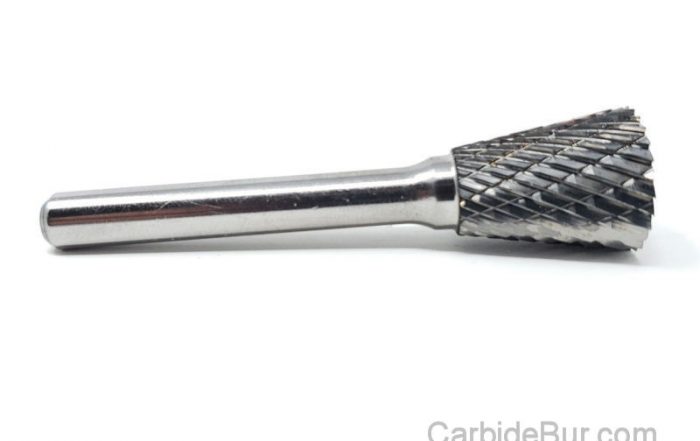
Carbide Burrs for Removing Rust: What Works Best?
Carbide Burrs for Removing Rust: What Works Best? Rust can turn your favorite tools into useless junk faster than you expect. Removing it without ruining the metal underneath takes more than just elbow grease—it demands [...]
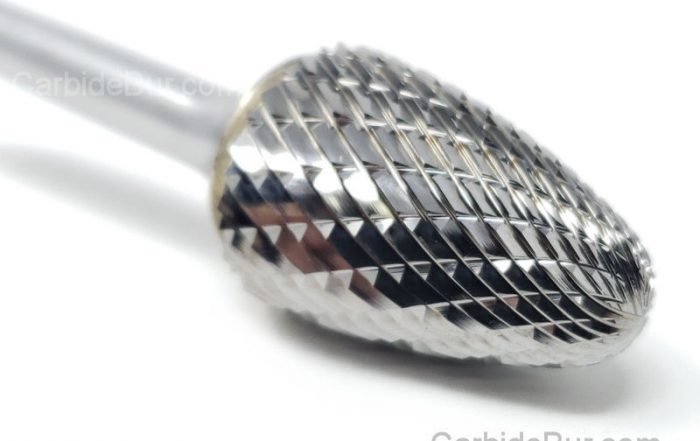
How Much Pressure Should You Use With a Carbide Burr?
How Much Pressure Should You Use With a Carbide Burr? Most people think pressing harder with a carbide burr speeds up the job. That’s not true—too much pressure wears out your tool and ruins the [...]
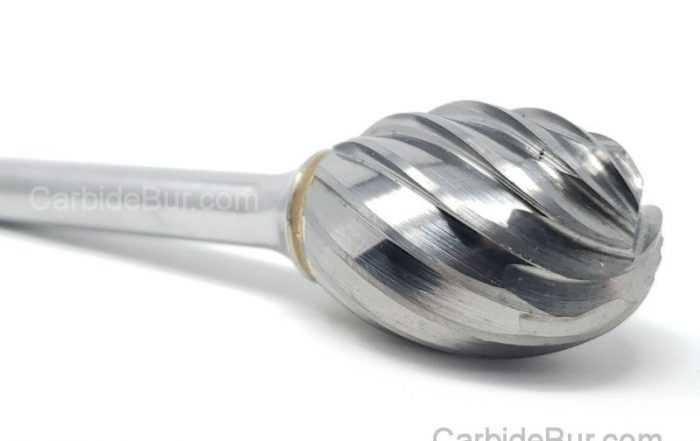
Can You Use Carbide Burrs With an Air Die Grinder?
Can You Use Carbide Burrs With an Air Die Grinder? Most people don’t realize how well carbide burrs work with air die grinders until they try them. If you’ve ever struggled with finding the right [...]
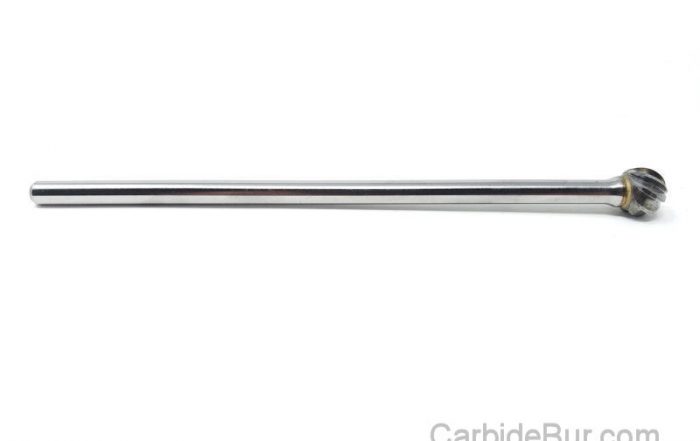
Best Long Reach Carbide Burr for Deep Metal Work
Best Long Reach Carbide Burr for Deep Metal Work Long reach carbide burrs often promise deep metal access, but many fall short where it counts most. You need a tool that cuts cleanly, lasts through [...]
What RPM Should You Use for a 1/8 Inch Carbide Burr?
What RPM Should You Use for a 1/8 Inch Carbide Burr? Most people guess the right carbide burr RPM by feel—and waste hours redoing work. If you want cleaner cuts and longer tool life, your [...]
Carbide Burrs for Tight Spaces: Choosing the Right Shape
Carbide Burrs for Tight Spaces: Choosing the Right Shape Tackling tight spaces with the wrong carbide burrs wastes time and risks damaging your work. Choosing the right burr shape makes all the difference when working [...]
Can Carbide Burrs Remove Paint From Metal?
Can Carbide Burrs Remove Paint From Metal? Stripping paint from metal often feels like a tough chore that risks damaging the surface underneath. Many turn to carbide burrs hoping they can speed things up without [...]