
The Ultimate Guide to Carbide Bur Shapes for Engine Porting Success
Engine porting is a crucial step in enhancing the performance of any automobile, and the right tools make all the difference. For those passionate about getting the most out of their engines, understanding the variety of carbide bur shapes is key to achieving success in cylinder head porting. Each bur shape serves a specific function, whether you’re focused on removing material, smoothing surfaces, or achieving precision in tight spaces. This guide will introduce you to the top carbide bur shapes and how they can be applied to various porting applications, helping you make informed decisions for your engine porting projects. Get ready to explore the world of engine porting tools and achieve the results you’ve been aiming for. For more detailed information, check out this comprehensive guide to carbide burr shapes and their uses.## Understanding Carbide Bur Shapes
In engine porting, understanding the variety of carbide bur shapes is crucial for success. Each shape brings unique functionality, allowing for precision and efficiency in different applications. This section will delve into the essentials of carbide burs, their significance in cylinder head porting, and the benefits they offer.
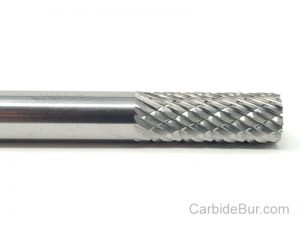
Check out all our USA made carbide bur cutting tools here
Basics of Carbide Burs
Carbide burs are versatile tools used in machining and material removal. They come in various shapes and sizes, each designed for specific tasks. Carbide, as a material, is known for its durability and heat resistance, making it ideal for demanding applications.
These tools are commonly used in automotive, aerospace, and metalworking industries. Their primary function is to shape, grind, and remove excess material. Understanding their basic structure helps users select the right bur for their needs.
Carbide burs can be single or double cut, affecting the finish and speed of material removal. Single cut burs are used for hard materials, while double cut burs are suitable for softer metals. This distinction allows for greater control and precision during porting.
For more on the basics, visit this resource.
Importance in Cylinder Head Porting
Cylinder head porting involves enlarging and polishing the intake and exhaust ports to improve airflow. This process enhances engine performance, and the right tools are vital. Carbide burs are preferred due to their precision and efficiency.
Porting applications require burs that can reach tight spaces and remove material effectively. The choice of bur shape plays a critical role in achieving the desired results. Different shapes cater to various parts of the cylinder head, ensuring thorough porting.
The importance of these tools lies in their ability to produce smoother surfaces, reducing engine friction and increasing horsepower. With the right carbide bur, engine builders can optimize performance and extend engine life.
For detailed insights, check this guide.
Key Benefits for Engine Porting
Carbide burs offer several benefits in engine porting, including:
-
Precision: Allows for accurate material removal.
-
Efficiency: Speeds up the porting process.
-
Durability: Withstands high temperatures and stress.
Using the appropriate bur shape enhances performance and saves time. The versatility of these tools makes them indispensable for mechanics and automotive enthusiasts. They offer a reliable solution for achieving optimal engine performance.
Additional benefits include improved airflow, increased power, and reduced emissions. These advantages make carbide burs a preferred choice in the engine porting industry.
For more benefits, refer to this article.
Choosing the Right Bur Shape
Selecting the correct carbide bur shape is essential for effective cylinder head porting. Different shapes are designed for specific applications, offering unique advantages. This section will guide you through the applications and insights of various bur shapes.
Check out all our USA made carbide bur cutting tools here
Round Nose Bur Applications
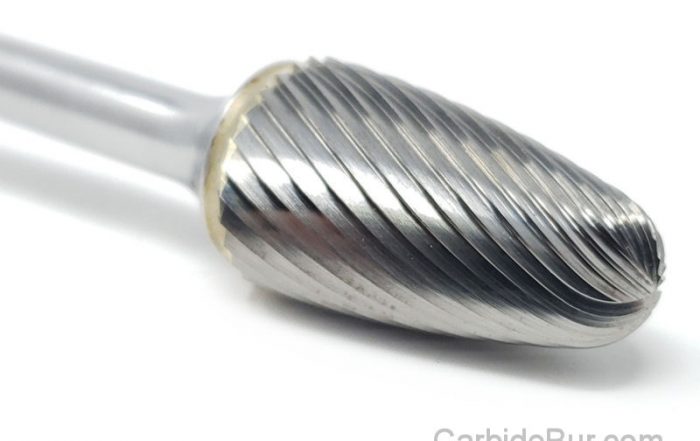
Round nose burs are used for contouring and surface finishing. Their design allows for smooth transitions and precision in tight spaces. These burs are ideal for creating rounded edges and removing material from irregular surfaces.
When choosing a round nose bur, consider the material and desired finish. These burs are effective on metals, plastics, and wood. They are commonly used in automotive and metalworking industries for tasks requiring intricate detailing.
Key applications include:
-
Removing welds
-
Smoothing castings
-
Deburring edges
Their versatility and precision make round nose burs a must-have in any toolkit. For more details, visit this website.
Flame Shape Bur Insights
Flame shape burs are designed for precise material removal in confined areas. Their pointed tip and tapered body allow for deep penetration and intricate work. These burs are suitable for enlarging holes and shaping curved surfaces.
In engine porting, flame shape burs are used to reach difficult spots and achieve smooth finishes. They are effective in both high-speed and low-speed applications. Their versatility makes them a popular choice for professionals and hobbyists alike.
Consider flame shape burs for:
-
Porting and polishing
-
Removing excess material
-
Creating detailed patterns
This bur shape offers unique advantages in terms of control and efficiency. For more insights, check this guide.
Tree Shape Bur Comparisons
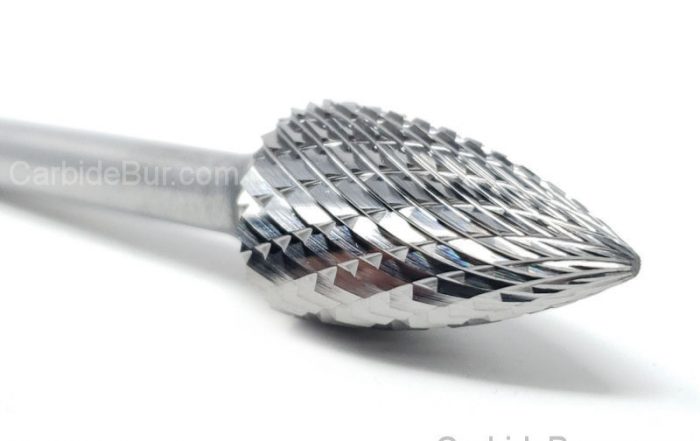
Tree shape burs come in two main types: pointed tree and radius tree. Each serves different purposes, offering distinct benefits for porting applications. Here’s a comparison:
|
Bur Type |
Applications |
Advantages |
|---|---|---|
|
Pointed Tree |
Tight spaces, precision |
Fine detailing, easy access |
|
Radius Tree |
Smoothing, contouring |
Consistent finish, versatile use |
Pointed tree burs are used for precision work, allowing access to narrow spaces. They are ideal for detailing and intricate designs. Radius tree burs offer a smooth finish, making them suitable for contouring and general porting.
This comparison highlights the versatility of tree shape burs. For more comparisons, visit this resource.
Effective Porting Techniques
Maximizing the efficiency of your porting projects requires the right techniques. This section will provide tips for efficiency, avoiding common mistakes, and achieving precision and control in engine porting.
Techniques for Maximum Efficiency
To achieve maximum efficiency in porting, follow these steps:
-
Select the right bur shape for the task.
-
Ensure proper tool speed to prevent overheating.
-
Use consistent pressure for smooth material removal.
These techniques help in achieving desired results quickly and effectively. Proper technique not only enhances performance but also extends the lifespan of your burs.
For professionals, efficient porting translates to quicker turnaround and better results. Implementing these techniques can lead to significant improvements in your projects.
Common Mistakes to Avoid
Avoid these common mistakes when porting:
-
Using the wrong bur shape for the application.
-
Applying excessive pressure, leading to tool wear.
-
Neglecting safety measures during operation.
These errors can result in poor performance and tool damage. Recognizing and avoiding them ensures better outcomes and prolongs tool life.
By understanding these pitfalls, you can refine your approach and achieve superior results in your porting projects.
Tips for Precision and Control
Precision and control are crucial for successful porting. Consider these tips:
-
Maintain a steady hand to avoid uneven surfaces.
-
Use appropriate lighting for better visibility.
-
Practice regularly to hone your skills.
These tips help in achieving high-quality finishes and detailed work. Precision in porting leads to enhanced engine performance and longevity.
Implementing these strategies can significantly improve your porting outcomes. For more tips, visit this resource.
Maintenance and Care of Burs
Proper maintenance and care of carbide burs ensure their longevity and effectiveness. This section will offer tips on cleaning, extending lifespan, and safety measures for engine porting.
Cleaning and Storage Tips
To maintain your burs, follow these cleaning and storage tips:
-
Clean burs after each use to remove debris.
-
Store in a dry place to prevent rust.
-
Organize by size and shape for easy access.
Regular cleaning prevents buildup and maintains performance. Proper storage protects burs from damage and extends their lifespan.
Implementing these tips ensures your tools are always ready for use and perform optimally.
Extending Bur Lifespan
Extend the lifespan of your carbide burs by:
-
Using the correct speed for each application.
-
Avoiding excessive pressure during use.
-
Regularly inspecting for wear and damage.
These practices help in maintaining tool integrity and performance. By taking care of your burs, you ensure consistent results and cost savings over time.
For more on care tips, check this guide.
Safety Measures for Porting
Safety is paramount in porting. Follow these measures:
-
Wear protective gear, including goggles and gloves.
-
Ensure proper ventilation to avoid inhaling dust.
-
Secure the workpiece to prevent movement.
These precautions reduce the risk of injury and ensure a safer working environment. Prioritizing safety enhances your ability to work effectively and confidently.
For comprehensive safety guidelines, visit this resource.
Enhancing Your Porting Skills
Improving your porting skills requires continuous learning and practice. This section highlights training resources, complementary tools, and community opportunities to enhance your expertise.
Training Resources Available
To enhance your skills, explore these training resources:
-
Online courses covering basic to advanced porting techniques.
-
Workshops and seminars for hands-on experience.
-
Books and guides providing in-depth knowledge.
Continuous learning is key to mastering porting. These resources offer valuable insights and techniques to refine your skills.
Investing in training can lead to better performance and career opportunities. For more resources, visit this website.
Tools to Complement Your Burs
Complement your burs with these tools:
-
High-speed grinders for efficient material removal.
-
Micro-motors for precision and control.
-
Work lights for enhanced visibility.
These tools enhance your porting capabilities, offering better results and efficiency. The right combination of tools and burs ensures optimal performance.
Consider investing in quality tools to support your porting projects. For more tool recommendations, check this guide.
Community and Network Opportunities
Join porting communities for:
-
Networking with experts and enthusiasts.
-
Sharing knowledge and experiences.
-
Access to exclusive events and workshops.
Engaging with a community offers support, learning opportunities, and collaboration. Building a network enhances your skills and keeps you updated on industry trends.
Participating in these opportunities can significantly impact your growth as a porting professional. For community resources, visit this resource.
Check out all our USA made carbide bur cutting tools here

Can You Use a Carbide Burr With an Electric Die Grinder?
Can You Use a Carbide Burr With an Electric Die Grinder? Most people don’t realize how much a carbide burr can change the way an electric die grinder works. Using the right burr type can [...]
How to Deburr Holes With a Carbide Burr
How to Deburr Holes With a Carbide Burr Most people think any tool will do for deburring holes. The truth is, using the right carbide burr with the correct size and shape changes everything. In [...]
How to Choose the Correct Carbide Burr Shank Size
How to Choose the Correct Carbide Burr Shank Size Many machinists lose hours troubleshooting tool issues caused by the wrong carbide burr shank size. Using a shank that doesn’t fit your grinder can lead to [...]
How to Remove Casting Flash With a Carbide Burr
How to Remove Casting Flash With a Carbide Burr Casting flash ruins the look and fit of your metal parts. You’ve tried sanding or grinding, but the results aren’t clean or fast enough. Learning how [...]
Best Carbide Burr for Enlarging a Hole in Metal
Best Carbide Burr for Enlarging a Hole in Metal When you need to enlarge a hole in metal, grabbing the wrong carbide burr can turn a simple task into a frustrating mess. Picking the best [...]
Carbide Burr Safety: 15 Mistakes That Can Cause Injury or Damage
Carbide Burr Safety: 15 Mistakes That Can Cause Injury or Damage Carbide burr safety is often overlooked until a costly mistake happens. Many metalworkers and DIYers make the same errors that lead to injuries or [...]
Can You Use a Carbide Burr in a Drill?
Can You Use a Carbide Burr in a Drill? Most people think a standard drill can’t handle a carbide burr, but that’s not true. Using carbide burr in the right drill can speed up your [...]
Carbide Burrs for Removing Rust: What Works Best?
Carbide Burrs for Removing Rust: What Works Best? Rust can turn your favorite tools into useless junk faster than you expect. Removing it without ruining the metal underneath takes more than just elbow grease—it demands [...]
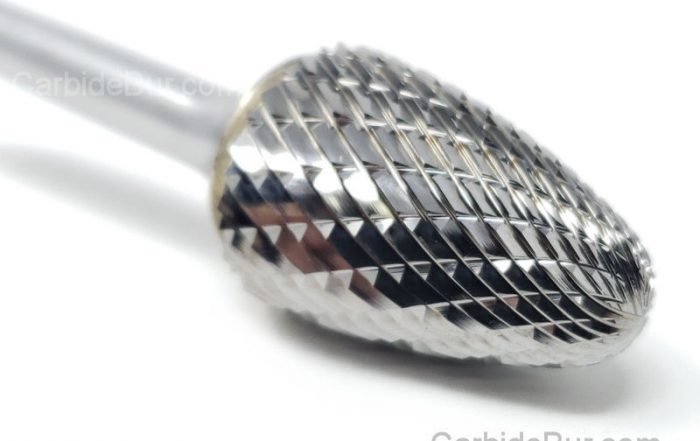
How Much Pressure Should You Use With a Carbide Burr?
How Much Pressure Should You Use With a Carbide Burr? Most people think pressing harder with a carbide burr speeds up the job. That’s not true—too much pressure wears out your tool and ruins the [...]
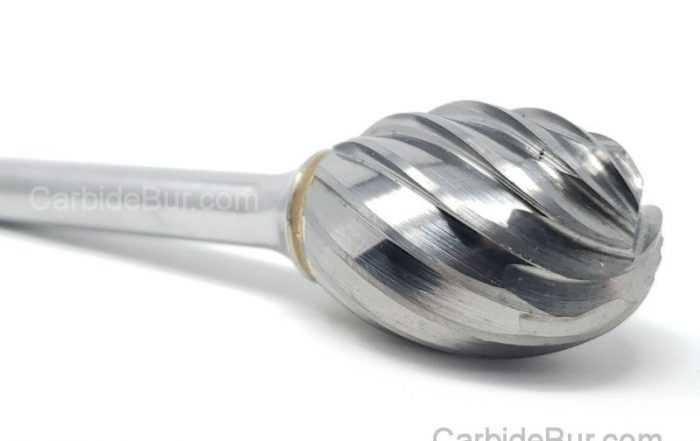
Can You Use Carbide Burrs With an Air Die Grinder?
Can You Use Carbide Burrs With an Air Die Grinder? Most people don’t realize how well carbide burrs work with air die grinders until they try them. If you’ve ever struggled with finding the right [...]
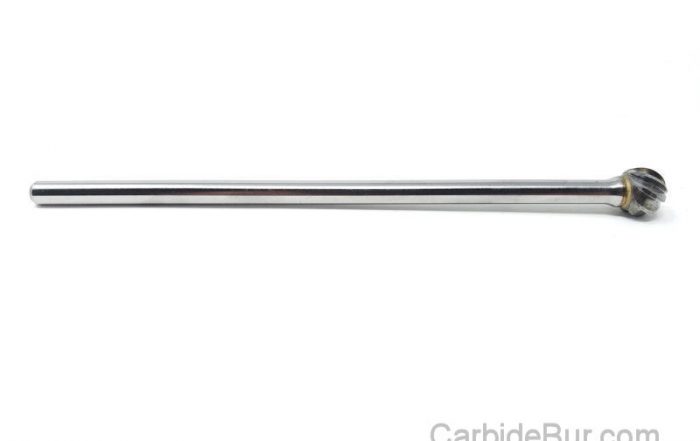
Best Long Reach Carbide Burr for Deep Metal Work
Best Long Reach Carbide Burr for Deep Metal Work Long reach carbide burrs often promise deep metal access, but many fall short where it counts most. You need a tool that cuts cleanly, lasts through [...]
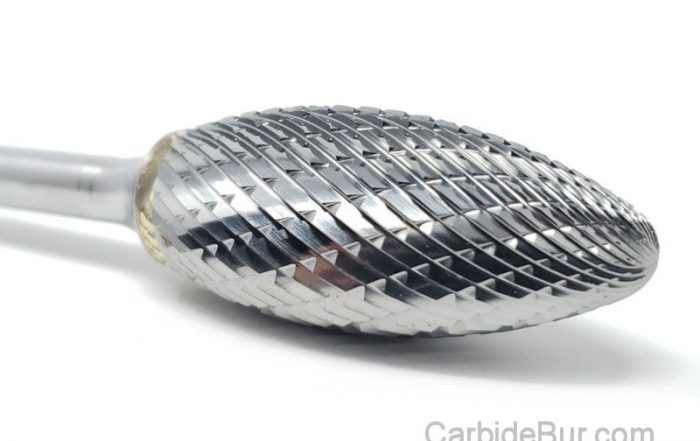
What RPM Should You Use for a 1/8 Inch Carbide Burr?
What RPM Should You Use for a 1/8 Inch Carbide Burr? Most people guess the right carbide burr RPM by feel—and waste hours redoing work. If you want cleaner cuts and longer tool life, your [...]
