
Turbocharge Your Engine: How Carbide Burs Boost Airflow in Cylinder Head Porting
In the world of engine performance, the quest for enhanced power and efficiency is a thrilling ride for automotive engineers, mechanics, and enthusiasts alike. At the heart of this pursuit lies the science of cylinder head porting, where the shape and smoothness of engine ports play a crucial role in maximizing airflow. Enter carbide burs, the unsung heroes of the workshop, offering precision and control in reshaping port channels. These versatile tools allow for meticulous craftsmanship, ensuring that air flows freely and swiftly through the engine, boosting overall performance. As we explore the fascinating intersection of airflow optimization and performance tuning, let’s uncover how carbide burs can be your key to turbocharging your engine’s potential. Read more about cylinder head porting tools here.
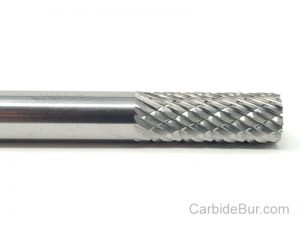
Check out all our USA made carbide bur cutting tools here
Understanding Cylinder Head Porting
Cylinder head porting is a critical process in engine performance enhancement. This section explores its importance and how carbide burs play a pivotal role in shaping engine efficiency.
Importance of Airflow in Engines
Airflow is the lifeblood of engine performance. Efficient airflow enables engines to burn fuel more effectively, increasing power output and fuel efficiency. Optimal airflow ensures that engines perform at their best, reducing wear and tear over time. When air flows smoothly into the engine, it mixes well with fuel, leading to complete combustion. This not only boosts power but also reduces emissions, making the engine eco-friendly.
On the flip side, poor airflow can strangle an engine, leading to increased fuel consumption and reduced power. With the right tools, such as carbide burs, you can fine-tune airflow for maximum efficiency. For more on this, visit Baucor.
Basics of Cylinder Head Porting
Cylinder head porting involves reshaping the intake and exhaust ports of an engine to improve airflow. Porting is an art that requires precision and understanding of engine dynamics. By smoothing out the port channels, you minimize air resistance, allowing the engine to breathe better.
The process begins with identifying restrictions in the airflow path. Once identified, these areas are carefully modified to create a more direct route for air to travel. This leads to improved engine performance and efficiency. It’s essential to have the right tools, such as carbide burs, for this task. Learn more at Carbide Burr.
Role of Carbide Burs
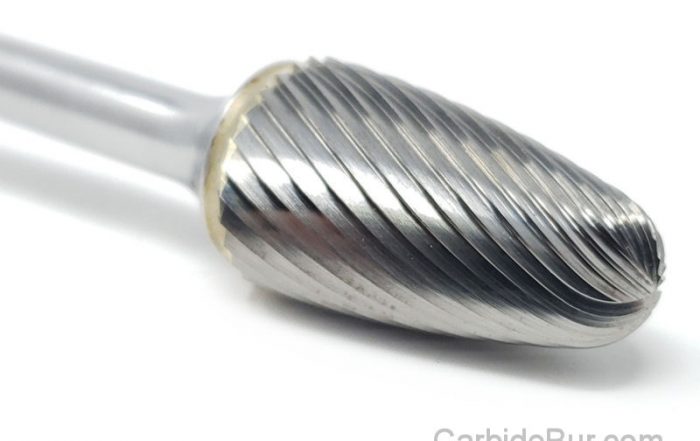
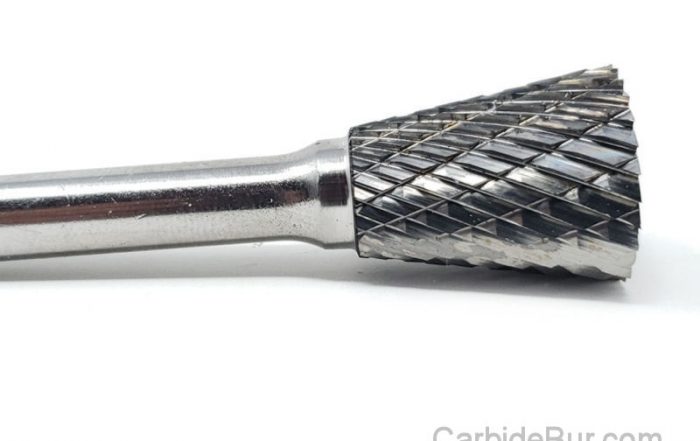
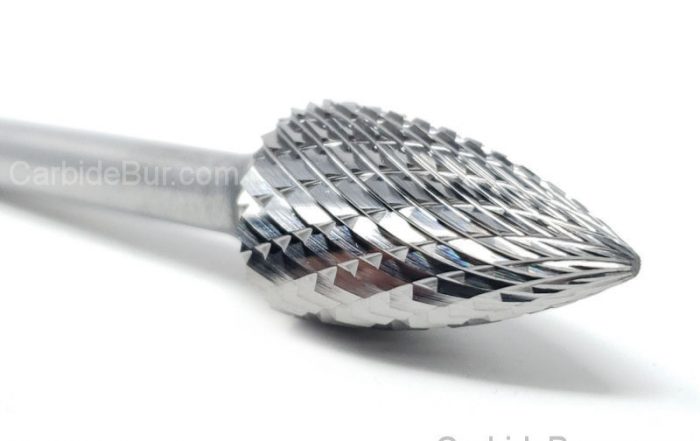
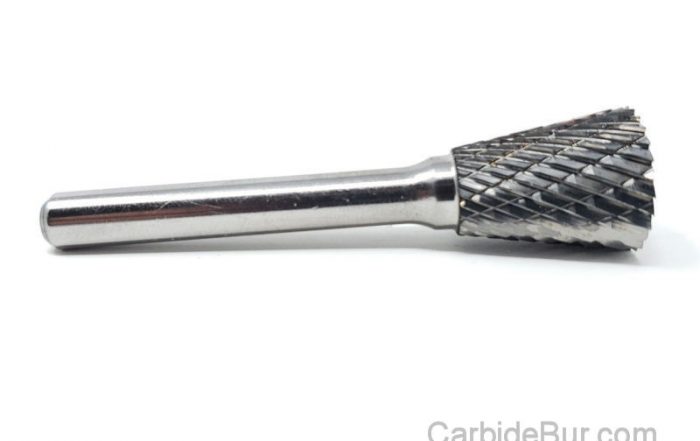
Carbide burs are essential in the porting process due to their ability to cut through metal with precision. These tools provide control, allowing for meticulous craftsmanship in port shaping. Carbide is a material known for its hardness and durability, making it perfect for this demanding task.
With carbide burs, you can achieve smooth surfaces and precise shapes, ensuring optimal airflow. These tools are available in various shapes and sizes, each designed for specific porting tasks. Their versatility makes them a go-to choice for professionals looking to enhance engine performance. More details can be found at Carbide Burr.
Benefits of Carbide Burs
Carbide burs offer numerous advantages in engine porting. This section delves into how they enhance engine efficiency, provide precision, and offer durability.
Enhancing Engine Efficiency
Engine efficiency is paramount for performance. Carbide burs help in this by allowing precision modifications that improve airflow, boosting efficiency. Efficiency translates to more power with less fuel, a key goal for any performance enthusiast.
By reshaping port channels with carbide burs, engines can achieve a smoother airflow path. This leads to better combustion, more power, and reduced emissions. The efficiency gains from this process can significantly improve an engine’s overall performance. For a deeper dive, see Baucor.
Check out all our USA made carbide bur cutting tools here
Precision in Port Shapes
Precision is crucial in cylinder head porting. Carbide burs excel in delivering precise cuts and shapes. Precision ensures that each modification enhances airflow without sacrificing structural integrity.
The design of carbide burs allows for meticulous adjustments, ensuring that every angle and surface is optimized for airflow. This level of detail is what sets apart a good porting job from a great one. With the right techniques, carbide burs can transform engine performance significantly. More information is available at Carbide Burr.
Durability and Longevity
Durability is a hallmark of carbide burs. These tools are made to withstand the rigors of metalworking, ensuring they last through numerous projects. Longevity saves both time and money, as fewer replacements are needed.
Carbide burs maintain their sharpness longer than other materials, providing consistent performance over time. This durability makes them a cost-effective choice for professionals and enthusiasts alike. For insights on selecting durable tools, visit Carbide Burr.
Techniques for Porting with Carbide Burs
Using carbide burs effectively requires specific techniques. This section covers how to choose the right tools, execute porting steps, and stay safe during the process.
Choosing the Right Bur
Selecting the right carbide bur is essential for effective porting. Different shapes and sizes are designed for specific tasks. Consider factors like material hardness, port shape, and desired finish.
-
Identify the porting task: Determine if you need to enlarge, smooth, or reshape the ports.
-
Choose the bur shape: Match the bur shape to the specific area of the port you are working on.
-
Consider durability: Opt for high-quality carbide to ensure longevity and performance.
Choosing wisely can make a significant difference in the outcome of your porting project. More on this topic can be found at Carbide Burr.
Steps for Effective Porting
Effective porting follows a series of steps to ensure the best results. This process requires careful planning and execution.
-
Inspect the Engine: Begin by examining the cylinder head to identify areas for improvement.
-
Select the Tools: Choose the appropriate carbide burs for the job.
-
Begin with Rough Cuts: Start with rough cuts to remove excess material.
-
Refine the Shape: Use finer burs to smooth and shape the ports.
-
Finish and Test: Complete the process by testing for airflow improvements.
Following these steps ensures a meticulous and effective porting job. For more detailed guidance, visit Carbide Burr.
Safety Tips and Best Practices
Safety is paramount when using carbide burs. Following best practices ensures a safe and successful porting project.
-
Wear protective gear: Safety goggles, gloves, and ear protection are essential.
-
Secure your workpiece: Ensure the cylinder head is firmly secured to avoid accidents.
-
Maintain a clean workspace: Keep your area free from obstructions and debris.
-
Follow manufacturer guidelines: Adhere to recommended speeds and techniques for each bur.
These practices not only ensure safety but also enhance the quality of your work. For further reading, check Baucor.
Impact on Performance Tuning
The impact of carbide burs on performance tuning is notable. This section explores how they help achieve optimal airflow, share success stories, and look at future trends.
Achieving Optimal Airflow
Optimal airflow is the key to performance tuning. Carbide burs enable precise modifications that allow engines to breathe freely. Achieving optimal airflow leads to better combustion and more power.
With the right tools and techniques, performance tuning becomes a manageable task. Carbide burs provide the precision needed to fine-tune engines for peak performance. This process enhances not just power but also fuel efficiency and emissions. See more at Carbide Burr.
Case Studies and Success Stories
Real-world examples illustrate the effectiveness of carbide burs in engine tuning. Here are a few key insights from successful projects:
-
Increased horsepower: Many tuners report gains in horsepower after porting with carbide burs.
-
Improved fuel efficiency: Enhanced airflow often results in better fuel economy.
-
Reduced emissions: Cleaner combustion leads to lower emissions, benefiting the environment.
These outcomes demonstrate the transformative power of precise porting. For more stories, visit Baucor.
Future Trends in Engine Performance
The future of engine performance tuning is evolving with advancements in technology and materials. Here are some trends to watch:
-
Smart tools: Integration of digital technology for more precise porting.
-
Eco-friendly materials: Use of sustainable materials in tool manufacturing.
-
Automated processes: Increased automation for efficiency and consistency.
These trends suggest exciting possibilities for tuning enthusiasts and professionals alike. For more on future tools, check Carbide Burr.
Empowering Your Automotive Projects
Empowering your automotive projects requires the right tools and skills. This section covers tools for entrepreneurs, building your brand, and expanding technical skills.
Tools for Mechanical Entrepreneurs
Mechanical entrepreneurs need reliable tools to succeed. Carbide burs offer precision and durability, making them ideal for startups. Investing in quality tools ensures a strong foundation for your business.
-
Versatility: Suitable for various porting tasks.
-
Cost-effective: Long-lasting tools reduce operational costs.
-
Professional results: Deliver services that meet high standards.
Equipping yourself with the right tools is a step towards business success. Learn more at Carbide Burr.
Building Your Performance Brand
Building a brand in performance tuning requires quality and consistency. Here’s how carbide burs can help:
-
Deliver consistent results: Ensure every project is top-notch.
-
Enhance customer satisfaction: Provide reliable and efficient services.
-
Establish your reputation: Stand out as a trusted expert in the field.
A focus on quality tools and services can propel your brand forward. For branding ideas, explore Baucor.
Expanding Your Technical Skills
Expanding technical skills is crucial for staying competitive. Carbide burs offer a platform to hone your expertise:
-
Practice precision: Refine your technique with detailed porting tasks.
-
Learn new methods: Stay updated with the latest porting technologies.
-
Enhance problem-solving: Develop solutions for unique engineering challenges.
Continuous learning helps you remain at the forefront of the industry. For educational resources, visit Carbide Burr.
Check out all our USA made carbide bur cutting tools here

Can You Use a Carbide Burr With an Electric Die Grinder?
Can You Use a Carbide Burr With an Electric Die Grinder? Most people don’t realize how much a carbide burr can change the way an electric die grinder works. Using the right burr type can [...]
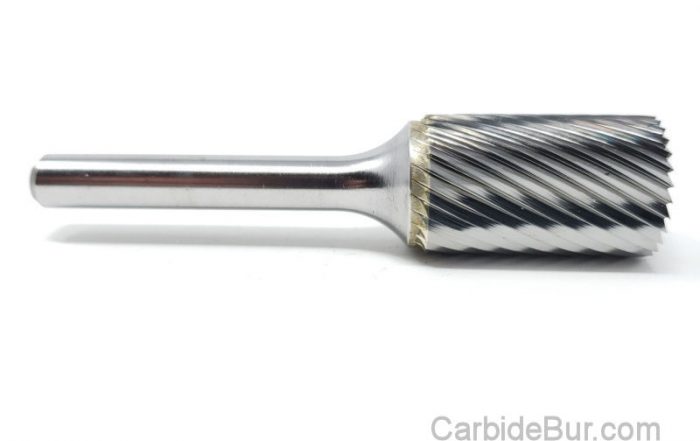
How to Deburr Holes With a Carbide Burr
How to Deburr Holes With a Carbide Burr Most people think any tool will do for deburring holes. The truth is, using the right carbide burr with the correct size and shape changes everything. In [...]
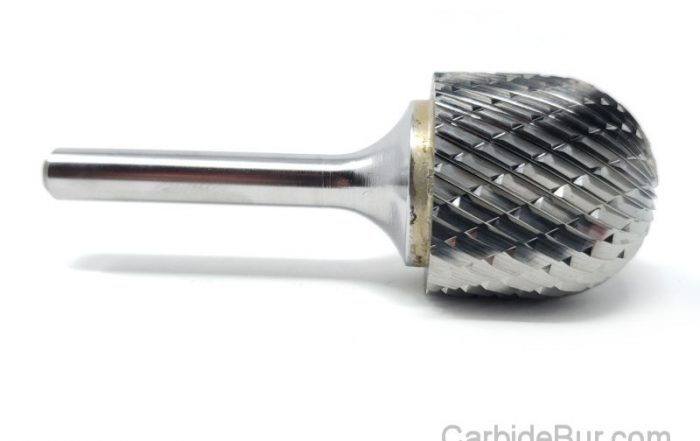
How to Choose the Correct Carbide Burr Shank Size
How to Choose the Correct Carbide Burr Shank Size Many machinists lose hours troubleshooting tool issues caused by the wrong carbide burr shank size. Using a shank that doesn’t fit your grinder can lead to [...]
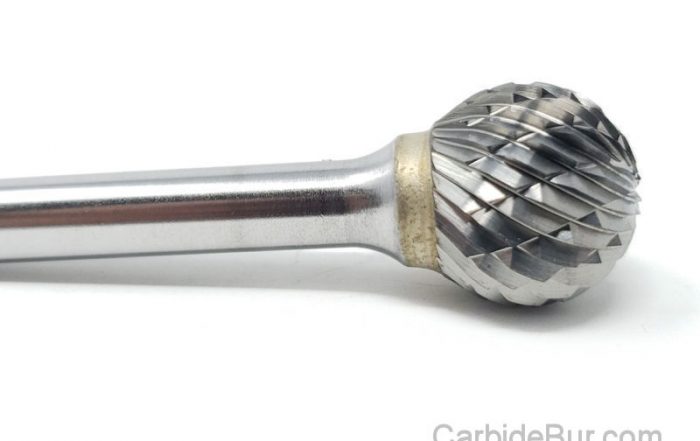
How to Remove Casting Flash With a Carbide Burr
How to Remove Casting Flash With a Carbide Burr Casting flash ruins the look and fit of your metal parts. You’ve tried sanding or grinding, but the results aren’t clean or fast enough. Learning how [...]
Best Carbide Burr for Enlarging a Hole in Metal
Best Carbide Burr for Enlarging a Hole in Metal When you need to enlarge a hole in metal, grabbing the wrong carbide burr can turn a simple task into a frustrating mess. Picking the best [...]
Carbide Burr Safety: 15 Mistakes That Can Cause Injury or Damage
Carbide Burr Safety: 15 Mistakes That Can Cause Injury or Damage Carbide burr safety is often overlooked until a costly mistake happens. Many metalworkers and DIYers make the same errors that lead to injuries or [...]
Can You Use a Carbide Burr in a Drill?
Can You Use a Carbide Burr in a Drill? Most people think a standard drill can’t handle a carbide burr, but that’s not true. Using carbide burr in the right drill can speed up your [...]
Carbide Burrs for Removing Rust: What Works Best?
Carbide Burrs for Removing Rust: What Works Best? Rust can turn your favorite tools into useless junk faster than you expect. Removing it without ruining the metal underneath takes more than just elbow grease—it demands [...]
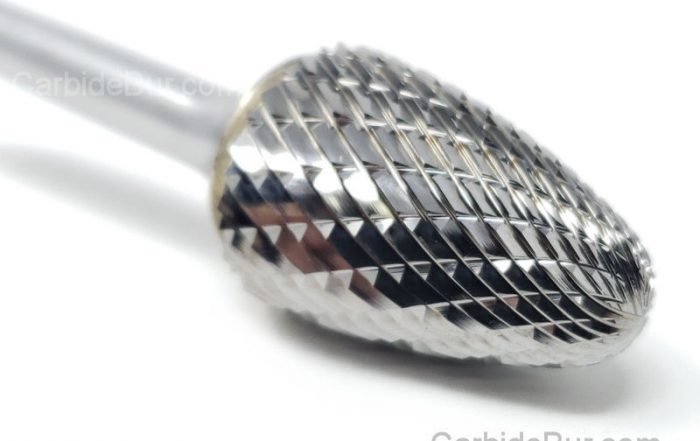
How Much Pressure Should You Use With a Carbide Burr?
How Much Pressure Should You Use With a Carbide Burr? Most people think pressing harder with a carbide burr speeds up the job. That’s not true—too much pressure wears out your tool and ruins the [...]
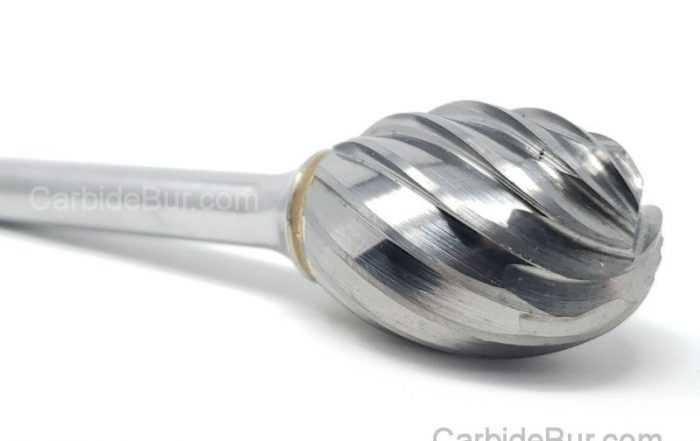
Can You Use Carbide Burrs With an Air Die Grinder?
Can You Use Carbide Burrs With an Air Die Grinder? Most people don’t realize how well carbide burrs work with air die grinders until they try them. If you’ve ever struggled with finding the right [...]
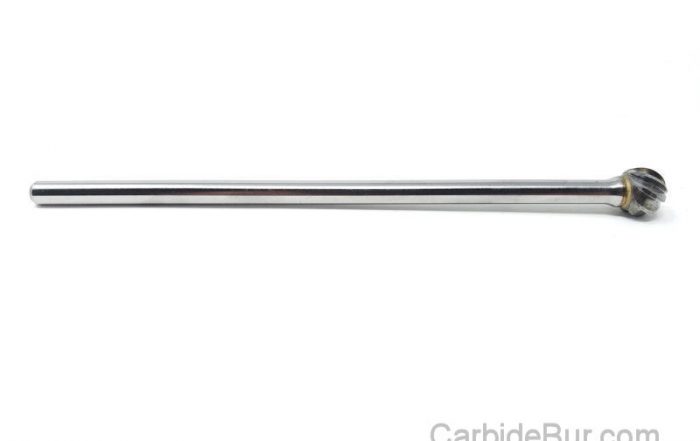
Best Long Reach Carbide Burr for Deep Metal Work
Best Long Reach Carbide Burr for Deep Metal Work Long reach carbide burrs often promise deep metal access, but many fall short where it counts most. You need a tool that cuts cleanly, lasts through [...]
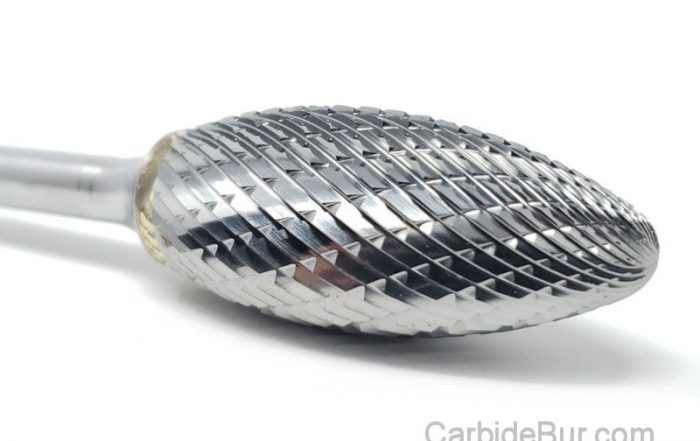
What RPM Should You Use for a 1/8 Inch Carbide Burr?
What RPM Should You Use for a 1/8 Inch Carbide Burr? Most people guess the right carbide burr RPM by feel—and waste hours redoing work. If you want cleaner cuts and longer tool life, your [...]
