
Empower Your Workshop: The Role of Carbide Tools in Precision Fabrication
In the world of precision fabrication, the right tools can make all the difference between a good product and a great one. Carbide tools have become a cornerstone in the industry, known for their durability and precision, making them a favorite among manufacturing professionals and hobbyists alike. These tools not only enhance precision but also offer the reliability and efficiency needed to meet tight deadlines, especially with the convenience of same-day shipping. Whether you’re an engineer or a DIY enthusiast, understanding the benefits and applications of carbide tools can elevate your fabrication skills to new heights. Join us as we explore how these manufacturing tools can empower your workshop and elevate your craftsmanship.
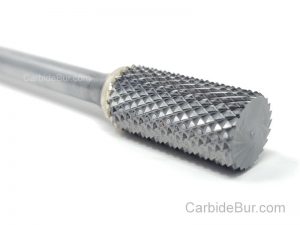
Click here to see more of our USA made Carbide Bur tools
Understanding Carbide Tools
Carbide tools are essential in precision fabrication due to their unique properties. This section explores the characteristics that make them stand out, the various types available, and the scientific principles behind their effectiveness.
Key Properties of Carbide Tools
Carbide tools boast several key properties that set them apart from other materials. Durability is at the forefront, thanks to the hardness of carbide, which ensures long-lasting performance. Heat resistance is another crucial characteristic, allowing these tools to maintain sharpness even at high temperatures.
The toughness of carbide tools also plays a significant role. This property helps them withstand the stresses of heavy-duty tasks without chipping or breaking. Additionally, carbide tools provide consistent performance, ensuring reliability in precise operations.
In conclusion, these tools’ ability to handle high-speed applications without compromising quality makes them indispensable in manufacturing and hobbyist settings. Their attributes foster an environment where precision and durability go hand-in-hand, paving the way for superior fabrication outcomes.
Types of Carbide Tools
Carbide tools come in a variety of forms, each suited for specific tasks. End mills are popular for cutting and shaping materials, thanks to their sharp, precise edges. Drill bits, another common type, offer precision in creating clean, accurate holes.
Lathe tools are essential for turning operations, providing smooth finishes and maintaining dimensional accuracy. Inserts are another versatile tool, often used in milling and turning, offering interchangeable tips that extend tool life.
Each type of carbide tool serves a distinct purpose, enabling diverse applications across multiple industries. Understanding these types helps professionals and hobbyists select the right tool for their specific needs, ensuring optimized performance and outcomes in precision fabrication.
The Science Behind Carbide
The effectiveness of carbide tools lies in their composition. Tungsten carbide, a key component, is a compound of tungsten and carbon. This combination results in a material that is incredibly hard yet retains some flexibility.
The sintering process used to produce carbide tools further enhances their properties. During this process, powdered tungsten carbide is bonded with a metallic binder, usually cobalt, at high temperatures. This creates a dense, solid material with superior hardness and wear resistance.
The science behind these tools explains their excellent heat tolerance and durability. Understanding this foundation provides insight into why carbide tools excel in precision applications, offering both professionals and hobbyists a reliable option for demanding tasks.
Precision Fabrication Techniques
Precision fabrication demands tools that offer exceptional accuracy and reliability. This section delves into how carbide tools enhance precision, provides tips for accurate fabrication, and identifies common mistakes to avoid.
Enhancing Precision with Carbide
The use of carbide tools in precision fabrication significantly enhances the quality of work. Their sharp edges and consistent performance allow for precise cuts and finishes, which are crucial in producing high-quality products.
-
Select the Right Tool: Choosing the appropriate carbide tool for the job ensures precision.
-
Maintain Sharpness: Regular sharpening prevents inaccuracies and prolongs tool life.
-
Use Correct Speeds: Adhering to recommended speeds minimizes wear and maximizes precision.
These steps highlight the importance of proper tool selection and maintenance. By focusing on these areas, professionals can achieve greater accuracy and consistency in their fabrication processes, leading to superior outcomes.
Tool Tips for Accurate Fabrication
To achieve precision, following certain practices when using carbide tools is vital. First, always ensure tools are properly aligned. Misalignment can lead to inaccurate cuts and increased wear.
Next, maintain adequate lubrication to reduce friction and heat build-up. This practice prolongs tool life and maintains cutting precision. Additionally, regularly inspect tools for signs of wear or damage and replace them as needed.
Finally, keep workpieces securely clamped during operations. This prevents movement and maintains accuracy. By implementing these tips, you can ensure accurate fabrication, optimizing the performance of your carbide tools.
Common Mistakes to Avoid
Even experienced professionals can make errors that impact fabrication precision. One common mistake is using worn tools. Tools with dull edges compromise accuracy and can damage workpieces.
Another error is ignoring tool maintenance. Regular cleaning and sharpening are essential to keep tools in optimal condition. Additionally, failing to use the correct cutting speed can result in poor finishes and increased tool wear.
To avoid these mistakes, always inspect tools before use and follow manufacturer recommendations for speed and maintenance. These practices help maintain precision and prolong the life of your carbide tools.
Carbide Tools in Manufacturing
Carbide tools play a pivotal role in manufacturing, offering numerous benefits. This section examines these advantages, compares carbide with other tools, and provides guidance on choosing the right tool for your needs.
Benefits of Carbide for Manufacturing
Carbide tools offer several benefits that make them ideal for manufacturing. Their durability ensures long-lasting performance, reducing the need for frequent replacements. This durability translates to cost savings over time.
Heat resistance is another advantage, allowing carbide tools to operate at high speeds without losing sharpness. This property enhances productivity by reducing downtime for tool changes.
Moreover, carbide tools provide consistent precision, essential for maintaining quality standards. By incorporating carbide tools into manufacturing processes, businesses can achieve improved efficiency and product quality.
Comparing Carbide with Other Tools
|
Feature |
Carbide Tools |
Other Tools |
|---|---|---|
|
Durability |
High |
Moderate |
|
Heat Resistance |
Excellent |
Varies |
|
Cost Efficiency |
Long-term savings |
Lower upfront |
|
Precision |
High |
Varies |
Carbide tools stand out for their durability and heat resistance, making them a preferred choice for demanding applications. While other tools may have lower initial costs, the long-term savings and precision offered by carbide tools often outweigh these benefits.
Choosing the Right Carbide Tool
Selecting the right carbide tool involves considering several factors. Material type is crucial, as different materials require specific tool types for optimal results. Application needs also play a role, with each tool designed for particular tasks.
-
Assess Material Requirements: Match the tool to the workpiece material.
-
Define Application Goals: Determine the desired outcome for precision and speed.
-
Consult Tool Specifications: Review manufacturer guidelines for compatibility.
By following these steps, you ensure that your chosen carbide tool meets the demands of your project, enhancing performance and precision.
E-commerce Solutions for Carbide Tools
The online marketplace offers convenient access to carbide tools, with advantages like same-day shipping. This section explores these benefits and provides insights into building a virtual tool shop and customer support resources.
Same-Day Shipping Advantage
The availability of same-day shipping for carbide tools offers significant advantages for businesses and hobbyists. This service ensures rapid access to essential tools, reducing downtime and maintaining productivity.
-
Quick Turnaround: Receive tools swiftly and keep projects on schedule.
-
Increased Flexibility: Adapt to urgent needs without waiting for extended delivery times.
-
Enhanced Customer Satisfaction: Meet client deadlines with reliable tool availability.
By leveraging same-day shipping, you can maintain efficient operations and respond quickly to changing demands in precision fabrication.
Building a Virtual Tool Shop
Creating a virtual tool shop for carbide tools involves several steps. First, ensure a user-friendly website interface to facilitate easy navigation and product selection. Clear descriptions and images help customers make informed decisions.
Inventory management is essential, ensuring popular items remain in stock. Implementing a secure payment system builds trust with customers, while offering multiple payment options enhances convenience.
Additionally, providing detailed product information and customer reviews aids in decision-making. By focusing on these elements, you can establish an effective online presence that meets the needs of customers seeking carbide tools.
Customer Support and Resources
Effective customer support is crucial for an online tool shop. Providing comprehensive resources enhances the customer experience and builds trust.
-
FAQs and Guides: Offer detailed answers to common questions and step-by-step guides.
-
Live Chat Support: Provide real-time assistance to address customer queries promptly.
-
Tutorial Videos: Visual aids help customers understand product applications.
By offering these support options, you ensure customers feel supported and informed, enhancing their experience with your virtual tool shop.
Future of Precision Fabrication
The field of precision fabrication is constantly evolving. This section explores emerging trends, shares inspiring industry stories, and discusses the future role of carbide tools in technology.
Emerging Trends in Fabrication
The precision fabrication industry is witnessing several emerging trends. Automation is becoming increasingly prevalent, with machines enhancing accuracy and efficiency. Sustainability is also gaining attention, as companies seek eco-friendly manufacturing practices.
Another trend is the integration of advanced materials, expanding the possibilities of what can be fabricated. Digital technology continues to influence the industry, with 3D printing and CAD software leading innovations.
These trends highlight the evolving nature of precision fabrication and the importance of staying informed to remain competitive in the industry.
Inspiring Stories from the Industry
In the precision fabrication industry, many professionals have achieved remarkable success. One inspiring story involves a small business that transitioned to carbide tools, dramatically improving their productivity and precision.
-
Increased Output: The switch led to a 30% increase in production efficiency.
-
Enhanced Precision: Product quality improved, leading to higher customer satisfaction.
-
Market Expansion: The business expanded its client base thanks to enhanced capabilities.
These success stories demonstrate how adopting carbide tools can transform a business, fostering growth and excellence in precision fabrication.
The Role of Carbide in Future Tech
Carbide tools are poised to play a crucial role in future technology advancements. Their durability and precision make them ideal for cutting-edge applications, such as aerospace and medical device manufacturing.
As technology evolves, the demand for high-precision tools will continue to grow. Carbide’s ability to handle complex materials and maintain accuracy positions it as a key player in future technological developments.
By staying at the forefront of these advancements, carbide tools will continue to empower professionals and hobbyists alike, contributing to the progress of precision fabrication.
Click here to see more of our USA made Carbide Bur tools
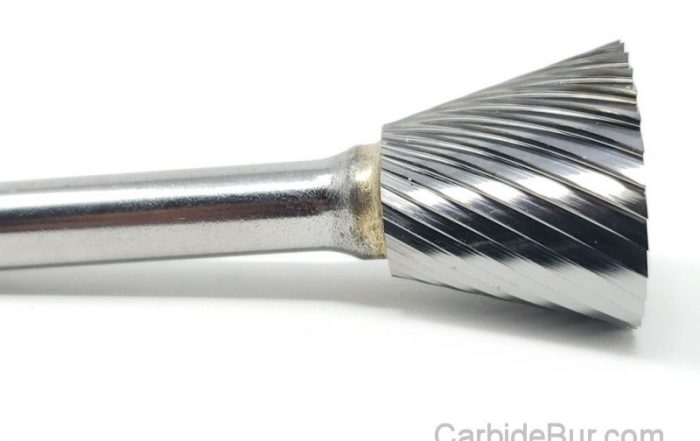
1/8 vs 1/4 Inch Carbide Burrs: What’s the Difference?
1/8 vs 1/4 Inch Carbide Burrs: What's the Difference? Choosing between a 1/8 inch carbide burr and a 1/4 inch carbide burr can change how your project turns out. Many machinists and hobbyists overlook how [...]
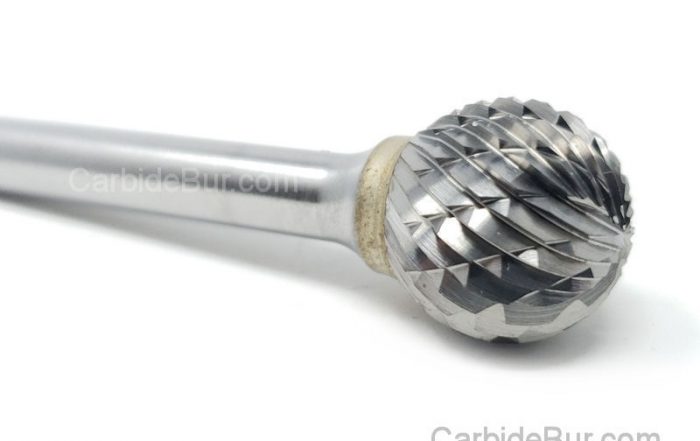
Best Carbide Burr for Removing Flash From Castings
Best Carbide Burr for Removing Flash From Castings Removing flash from castings is a task that can slow down your entire metalworking process if you don’t have the right tools. Picking the best carbide burr [...]
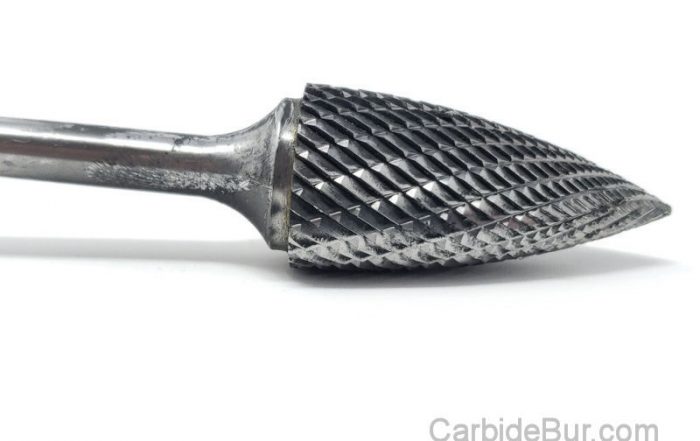
What RPM Should You Use for a 1/4 Inch Carbide Burr?
What RPM Should You Use for a 1/4 Inch Carbide Burr? Most machinists guess the right speed for a 1/4 inch carbide burr and hope for the best. Using the wrong carbide burr RPM can [...]
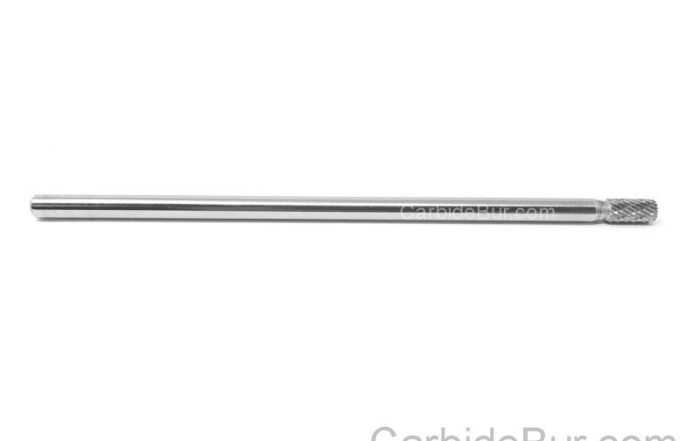
Long Shank Carbide Burrs: When Do You Need One?
Long Shank Carbide Burrs: When Do You Need One? Most machinists overlook the power of long shank carbide burrs until a project demands precision in tight spaces. When your usual tools can’t reach intricate contours, [...]
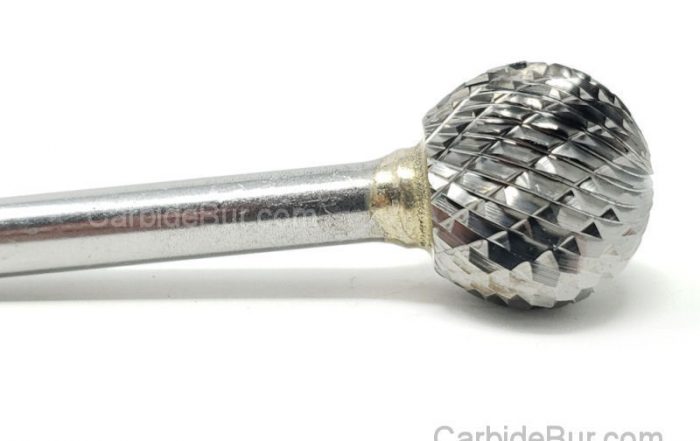
How Deep Can a Carbide Burr Cut Metal?
How Deep Can a Carbide Burr Cut Metal? Carbide burrs often get praised for their precision, but many users hit a wall wondering how deep they can actually cut metal. The truth is, cutting depth [...]
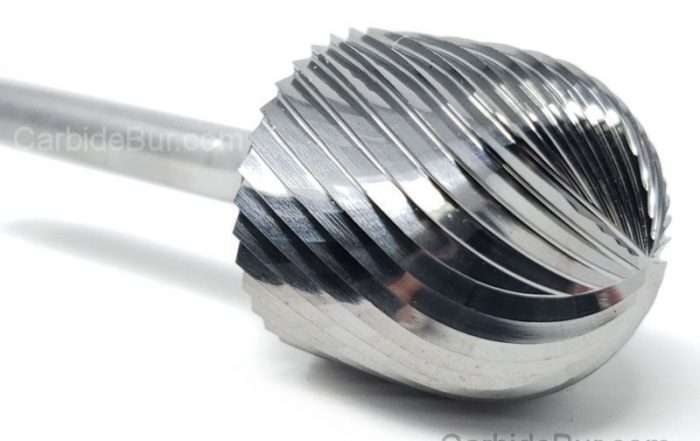
How to Use Carbide Burrs for Port Matching
How to Use Carbide Burrs for Port Matching Most engine builds hit a wall when airflow doesn’t flow smoothly between the ports and manifolds. If your engine isn’t breathing right, your performance stalls. Using the [...]
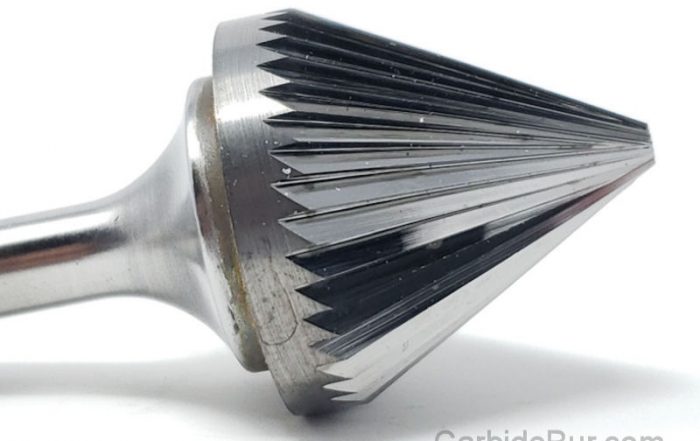
Best Carbide Burr for Porting Intake Manifolds
Best Carbide Burr for Porting Intake Manifolds Porting intake manifolds can make or break your engine’s airflow, yet many struggle with the right tools for the job. Choosing the best carbide burrs is key to [...]
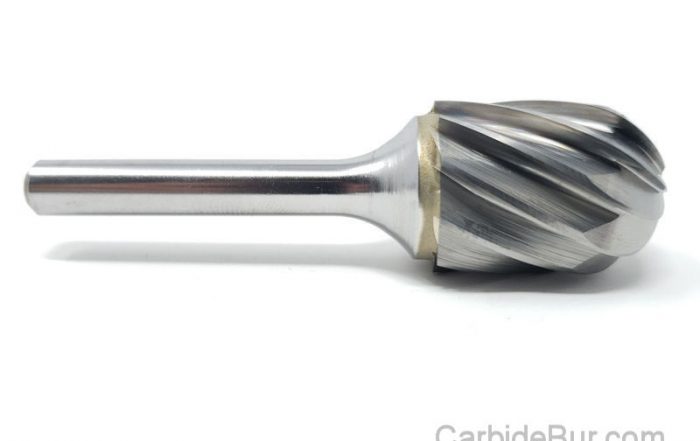
Best Carbide Burr for Concave Surfaces
Best Carbide Burr for Concave Surfaces Concave surfaces can turn a straightforward project into a frustrating challenge if you don’t have the right tool. Carbide burrs designed for these tricky curves make all the difference [...]
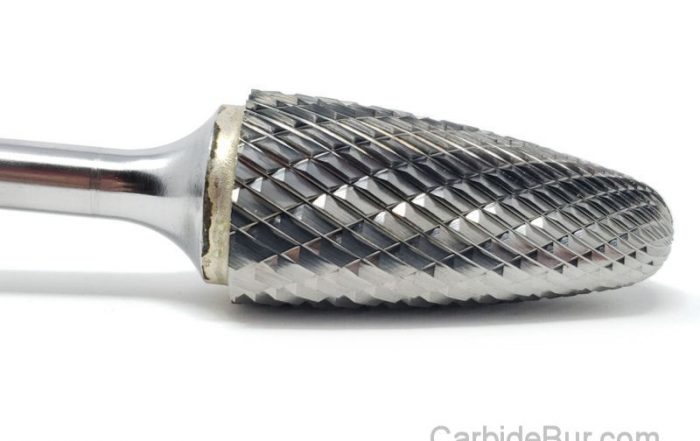
How to Grind a Slot in Metal With a Carbide Burr
How to Grind a Slot in Metal With a Carbide Burr Grinding a precise slot in metal can feel like a tricky task, especially if you’re unsure which tools to trust. Carbide burr grinding offers [...]

Best Carbide Burr for Inside Corners
Best Carbide Burr for Inside Corners Working in tight inside corners can turn even simple projects into frustrating tasks. Many carbide burrs just don’t fit or cut cleanly where you need them most. The best [...]
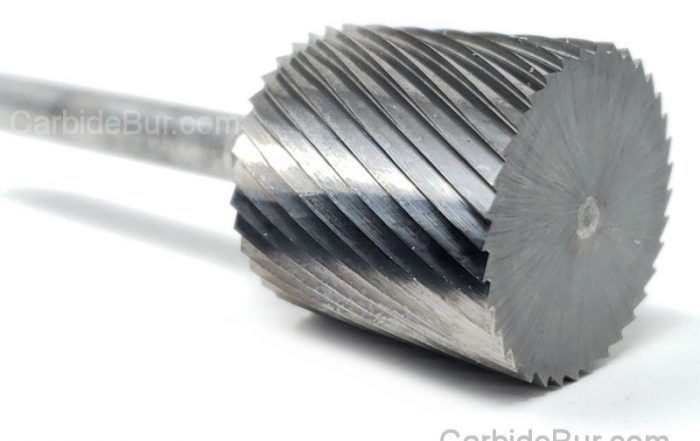
What Size Carbide Burr Do I Need?
What Size Carbide Burr Do I Need? Picking the wrong carbide burr can turn a simple project into a frustrating mess. You might have the best machining tools but still miss the mark if your [...]
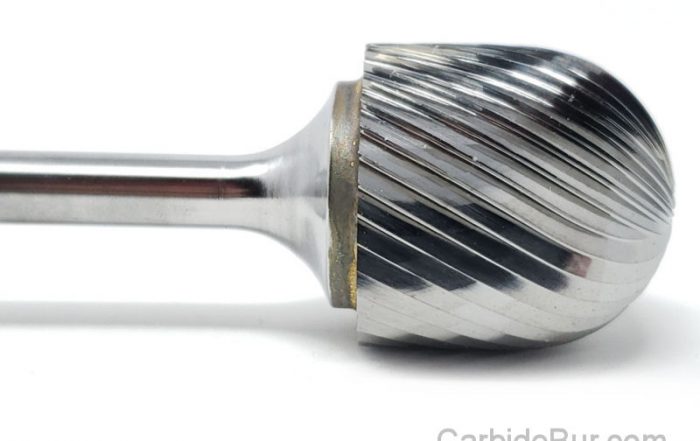
How to Smooth Sharp Metal Edges With a Carbide Burr
How to Smooth Sharp Metal Edges With a Carbide Burr Sharp metal edges can turn your project from professional to risky in seconds. If you’ve struggled with smoothing metal edges without scratching or weakening the [...]
