
Why Carbide Burs Are the Secret Weapon for High-Volume Repair Shops
Most repair shops replace burs far too often, wasting time and money. Carbide burs last 10 times longer under heavy use, cutting down your tool costs and downtime. A detailed wear and tear analysis reveals why these high-volume repair tools deliver unmatched dental tool durability. Keep reading to see how switching to carbide burs can change your daily workflow. For more in-depth insights, check out this comprehensive overview of carbide burs and their applications in dentistry.

The Power of Carbide Burs
Jumping into the world of carbide burs, you’ll discover a tool that saves both time and money. These burs do more than just outperform the competition; they redefine what longevity means for dental tools.
Longevity of Burs in Action
Imagine a tool that not only gets the job done but does so repeatedly without faltering. That’s the promise of carbide burs. These tools are known to last ten times longer than their counterparts. This means less frequent replacements and more uninterrupted work. Picture your repair shop thriving with fewer tool replacements and less downtime.
-
Carbide burs handle intense pressure effortlessly.
-
Their durability is unmatched, making them a staple in many repair shops.
-
With longer life spans, they offer consistent performance and reliability.
Most people think frequent tool replacement is a given, but carbide burs challenge this belief by offering lasting solutions. Explore more about the differences between high-speed steel and carbide cutting tools.
High-Volume Repair Tools Explained
These tools are crucial for high-volume environments. They cut down on interruptions, allowing for a smooth workflow. The secret lies in their construction. Made from robust materials, these burs are built to withstand rigorous use.
-
They excel in demanding settings like dental repair shops.
-
Their efficiency translates to better productivity for your business.
-
Their high-grade material ensures they don’t lose shape or sharpness quickly.
Carbide burs prove that not all tools are created equal. They tell a story of endurance and quality, reshaping how you perceive tool longevity.
Understanding Wear and Tear
Understanding the wear and tear on tools can drastically change how you choose them. Carbide burs stand out by offering insights that you might not expect.
Comprehensive Wear and Tear Analysis
A deeper dive into wear patterns reveals why carbide burs hold their edge longer. Unlike softer materials, these burs resist dulling and deformation. This means longer intervals between purchases and more savings in the long run.
-
They maintain sharpness, ensuring precise cuts.
-
The material resists wear, making them a long-term investment.
-
Their resilience in demanding tasks reduces the need for frequent replacements.
Many assume all burs wear out quickly, but carbide breaks this cycle by providing a durable alternative. Check out this research on the wear of tungsten carbide dental burs.
Dental Tool Durability Insights
Carbide burs shine in the realm of dental tool durability. Their resistance to wear and tear means fewer replacements and a smoother operational flow. This not only saves money but also increases the efficiency of your practice.
-
Their design reduces downtime and maintenance.
-
They deliver consistent performance, enhancing your workflow.
-
Investing in carbide means investing in long-term success.
The longer you wait to switch, the more you miss out on the benefits. Embrace the durability and reliability that comes with carbide burs. Learn more about how carbide tools enhance craftsmanship.
By understanding the benefits and insights behind carbide burs, you can revolutionize your repair shop’s approach to tool selection. You’re not just choosing a tool; you’re choosing a pathway to improved efficiency and cost savings.
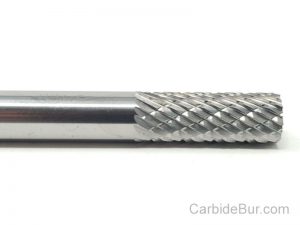
Check out all our USA made carbide bur cutting tools here
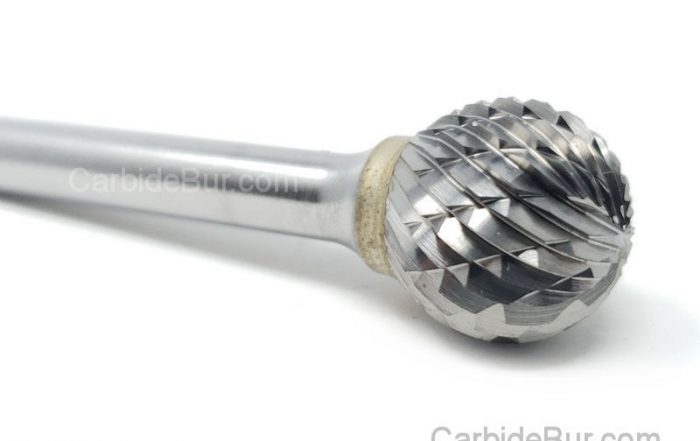
Carbide Burr vs. Grinding Stone: Which Is Better for Metal Removal?
Carbide Burr vs. Grinding Stone: Which Is Better for Metal Removal? When you need to remove metal, smooth a rough edge, or shape a metal component, two common options are carbide burrs and grinding stones. [...]
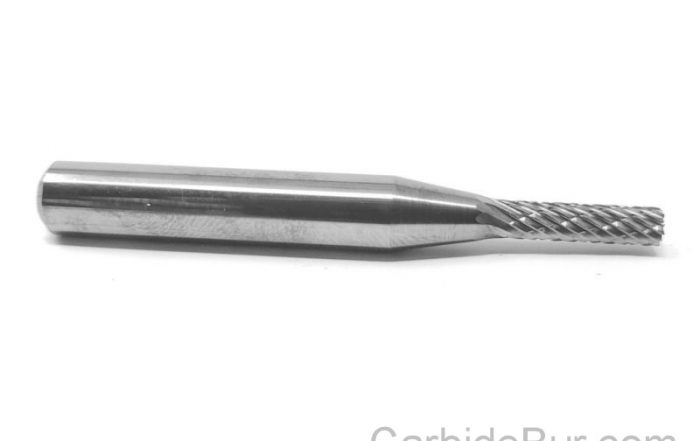
Carbide Burr Safety: RPM, Eye Protection, and Common Mistakes
Carbide Burr Safety: RPM, Eye Protection, and Common Mistakes Carbide burrs are versatile cutting tools used for metal fabrication, welding cleanup, engine porting, deburring, and general material removal. When used correctly, they can help remove [...]
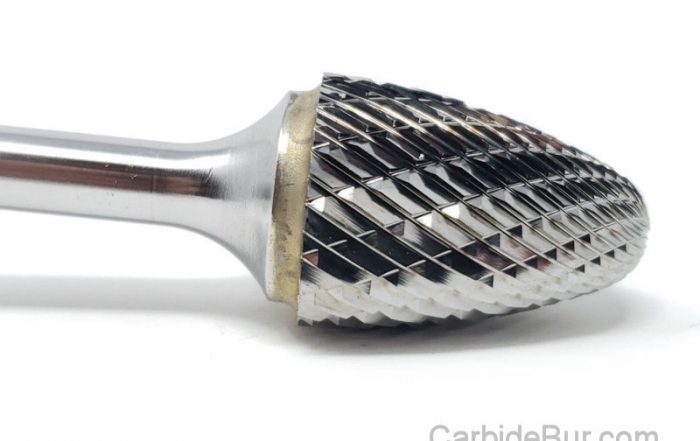
How to Stop Aluminum from Clogging Your Carbide Burr
How to Stop Aluminum from Clogging Your Carbide Burr Aluminum is widely used in automotive work, welding, metal fabrication, aerospace components, and general machining. It is lightweight, relatively easy to machine, and versatile across many [...]
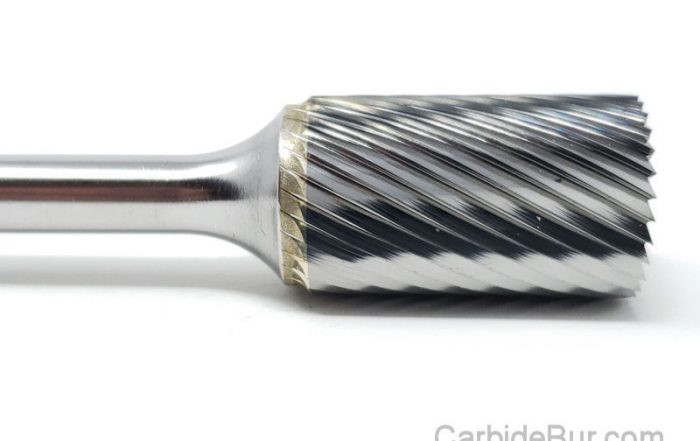
Carbide Burrs for Intake Manifolds: Shaping, Cleanup, and Fitment
Carbide Burrs for Intake Manifolds: Shaping, Cleanup, and Fitment Intake manifold work often involves more than simply bolting a component onto an engine. Depending on the application, metal intake components may have casting irregularities, rough [...]
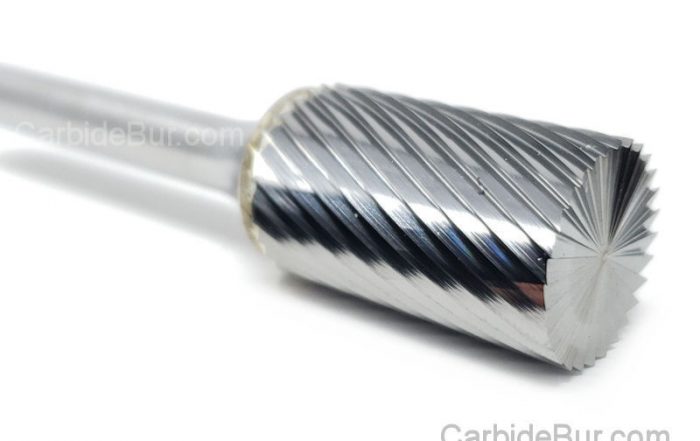
Why Long-Shank Carbide Burrs Are Useful for Hard-to-Reach Areas
Why Long-Shank Carbide Burrs Are Useful for Hard-to-Reach Areas When working on metal parts, the area that needs grinding or shaping is not always easy to reach. Recessed openings, deep cavities, interior surfaces, and complicated [...]
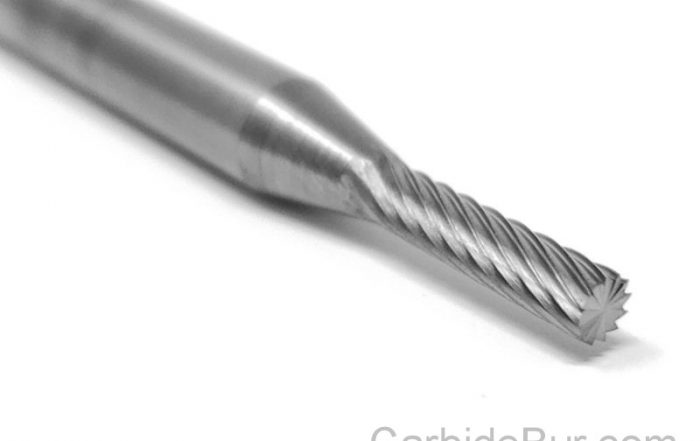
Choosing Carbide Burrs for Stainless Steel Fabrication
Choosing Carbide Burrs for Stainless Steel Fabrication Stainless steel is widely used in fabrication because of its corrosion resistance, strength, and durability. However, those same properties can make it challenging to machine and finish. Removing [...]
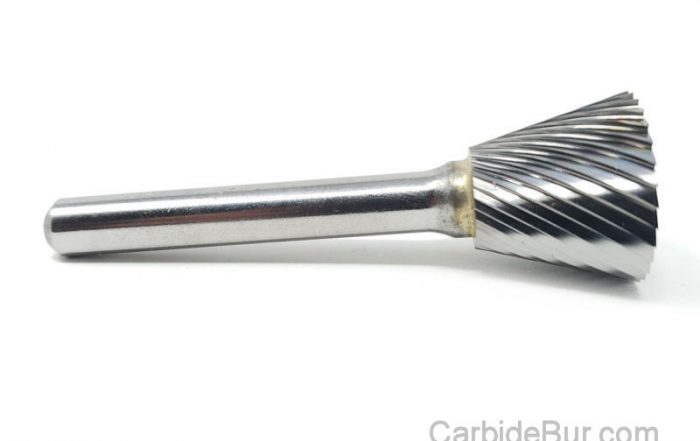
Can You Use Carbide Burrs in a Dremel? Shank Sizes Explained
Can You Use Carbide Burrs in a Dremel? Shank Sizes Explained If you use a Dremel or another rotary tool for detail work, metal shaping, or small fabrication projects, you may wonder whether you can [...]
How to Choose the Best Carbide Burr for Welding and Metal Fabrication
How to Choose the Best Carbide Burr for Welding and Metal Fabrication Welding and metal fabrication often require more than joining two pieces of metal together. Once the welding is finished, fabricators frequently need to [...]
Carbide Burrs for Cylinder Heads: What Automotive Enthusiasts Need to Know
Carbide Burrs for Cylinder Heads: What Automotive Enthusiasts Need to Know Cylinder head work is an important part of engine building, restoration, and performance machining. Whether you are cleaning up casting imperfections, refining port surfaces, [...]
Engine Porting 101: How Carbide Burrs Help Shape Cylinder Head Ports
Engine Porting 101: How Carbide Burrs Help Shape Cylinder Head Ports Engine performance enthusiasts, automotive machinists, and engine builders often look for ways to improve airflow through an engine's cylinder heads. One technique used in [...]
When to Use a 4-Inch or 9-Inch Die Grinder Extension
When to Use a 4-Inch or 9-Inch Die Grinder Extension Metal fabrication, welding, automotive repair, and engine building often require working in places where a standard die grinder and carbide burr cannot easily reach. Recessed [...]
Why Buy USA-Made Carbide Burr Tools? What Buyers Should Compare
Why Buy USA-Made Carbide Burr Tools? What Buyers Should Compare When shopping for carbide burr tools, it's tempting to compare products based on price alone. However, professionals who use rotary cutting tools for welding, metal [...]
