
Turbocharge Your Ride: Porting Tips with Carbide Burs to Boost Horsepower
Most engine tweaks demand costly parts or hours in the shop. But what if you could boost horsepower by simply refining your ports with carbide burs? This precise approach to engine tuning lets you squeeze more power without major performance mods. Keep reading for porting tips that can transform your ride’s output without breaking the bank. For more information, check out this link.

Mastering Carbide Burs for Porting
Understanding the power of carbide burs can open up a new world of possibilities for your engine. From subtle improvements to noticeable gains, let’s delve into the details of mastering this tool.
Understanding Carbide Burs
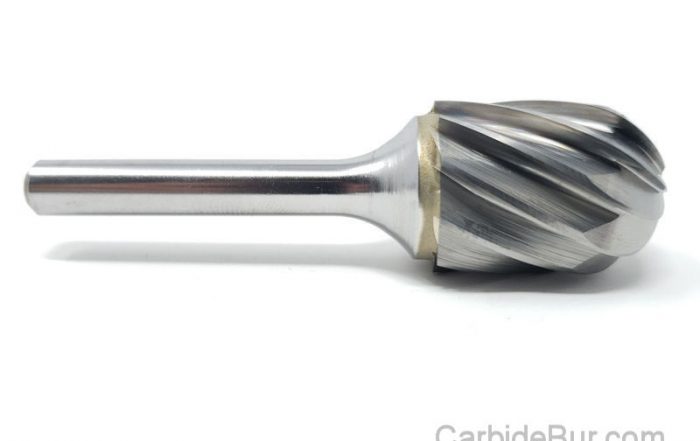
Carbide burs are like the secret weapons for your engine. These tools carve through metal, refining engine ports to allow for better airflow. Better airflow means more power, which is what every enthusiast craves. The magic lies in their ability to shape intricate details with precision, giving your engine that much-needed edge.
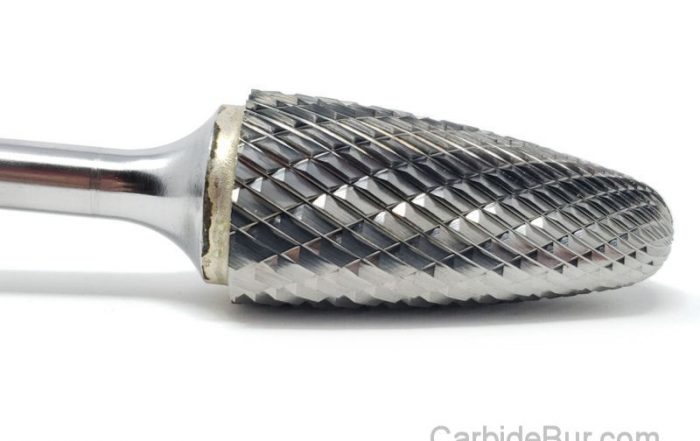
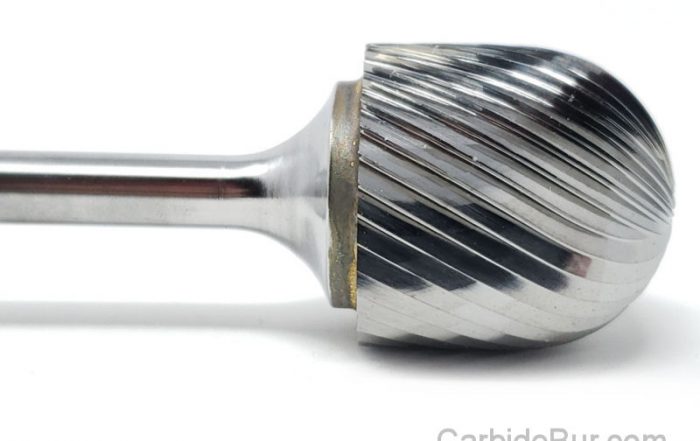
Many people overlook the value of using the right tools for porting. Yet, choosing carbide burs can drastically change results. They come in various shapes and sizes, each designed for specific tasks. This versatility makes them indispensable for fine-tuning engine performance.
For more insights on how these tools are used in foundries, check out this guide.
Choosing the Right Burs
Picking the right burs is a bit like choosing the right spice for a recipe. Some are aggressive and remove material fast, while others are fine and precise. Knowing which to use can make or break a project.
-
Coarse burs: Best for removing lots of material quickly.
-
Fine burs: Ideal for finishing touches and smoothing surfaces.
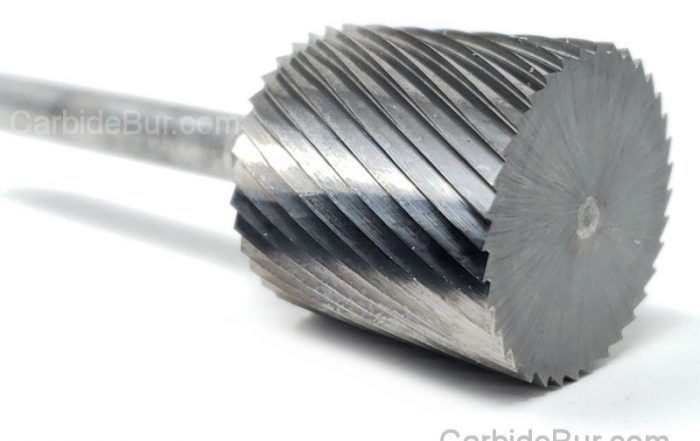
You want the right balance between speed and precision. It’s about matching the bur to the task at hand. Consider what each job requires and select accordingly. This could mean choosing a cone-shaped bur for tight areas or a cylinder shape for broader surfaces.
Safety Tips for Porting
Safety is vital when working with powerful tools. Taking the right precautions ensures you can focus on the job without worry.
-
Wear protective gear: Always use goggles and gloves.
-
Secure your workpiece: Make sure everything is clamped down securely to avoid accidents.
-
Ventilation is key: Work in a well-ventilated area to avoid inhaling metal dust.
By following these steps, you keep yourself safe and your work precise. This not only protects you but also guarantees a higher quality finish on your engine components.
Porting Tips to Boost Horsepower
Enhancing horsepower doesn’t always mean a full engine overhaul. With the right porting strategies, you can achieve significant gains.
Pre-Porting Preparation
Preparation is crucial before any porting begins. This sets the stage for a successful project, ensuring you get the most out of your efforts.
Start by cleaning the engine parts thoroughly. Remove any grime or debris that could interfere with the porting process. Having a clean workspace allows you to see what you’re doing and execute with precision.
Next, sketch out your porting plan. Knowing where to remove material saves time and prevents mistakes. Having a clear blueprint will guide your actions and help focus your efforts on areas that need improvement.
Techniques for Effective Porting
Effective porting requires a mix of technique and patience. Here’s how to get the best results:
-
Start small: Remove a little material at a time. You can always take more off, but you can’t put it back.
-
Check your work regularly: Measure often to avoid over-porting.
-
Smooth transitions: Ensure the transitions between sections are smooth to improve airflow.
These techniques help maintain control over the process, ensuring each modification enhances performance. For detailed techniques, refer to this step-by-step guide.
Common Mistakes to Avoid
Even seasoned tuners can slip up. Here are pitfalls to watch out for:
-
Rushing the job: Take your time to avoid costly mistakes.
-
Ignoring measurements: Always verify changes with measurements.
-
Skipping safety checks: Always double-check your setup before starting.
Avoiding these mistakes not only saves time but ensures the integrity of your engine remains intact.
Performance Mods without Major Overhauls
You don’t need to spend a fortune to see improvements. Small changes can lead to big results when done right.
Enhancing Engine Tuning
Engine tuning is more than just a tweak here and there. It’s about understanding your engine’s needs and making smart adjustments.
Fine-tuning the mixture of air and fuel can lead to noticeable gains. It’s about finding that perfect balance that gives your engine the power it needs without overtaxing its components.
Cost-Effective Modifications
Cost-effective mods are about getting the most bang for your buck. Here are some ideas:
-
Cold air intakes: Improve airflow without breaking the bank.
-
High-flow filters: An easy upgrade for better performance.
These modifications offer a great return on investment, providing noticeable improvements without major expenditure.
Long-term Maintenance Tips
Keeping your engine in top shape requires regular maintenance. This ensures all the hard work you’ve put in continues to pay off.
-
Regular inspections: Check for wear and tear regularly.
-
Timely replacements: Don’t wait too long to replace worn parts.
By staying on top of maintenance, you prolong the life of your modifications and keep your ride running smoothly.
Engaging in these strategies ensures your car performs at its best, offering you the thrill of the ride without the stress of constant repairs. Keep exploring, keep tuning, and watch your engine reach new heights.
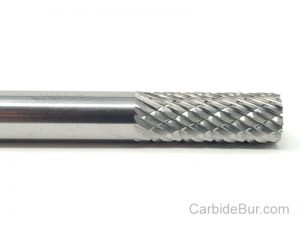
Check out all our USA made carbide bur cutting tools here
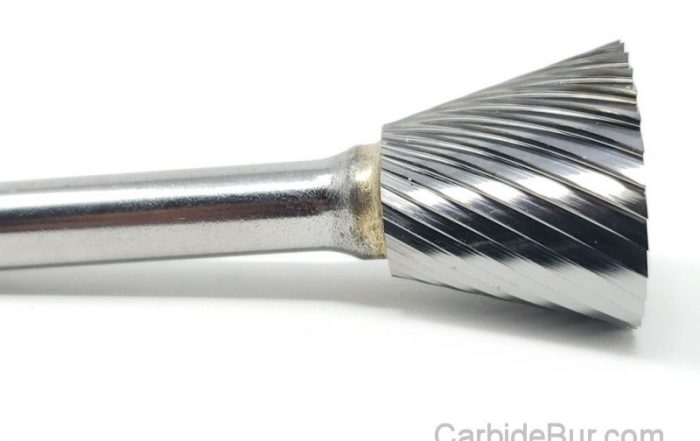
1/8 vs 1/4 Inch Carbide Burrs: What’s the Difference?
1/8 vs 1/4 Inch Carbide Burrs: What's the Difference? Choosing between a 1/8 inch carbide burr and a 1/4 inch carbide burr can change how your project turns out. Many machinists and hobbyists overlook how [...]
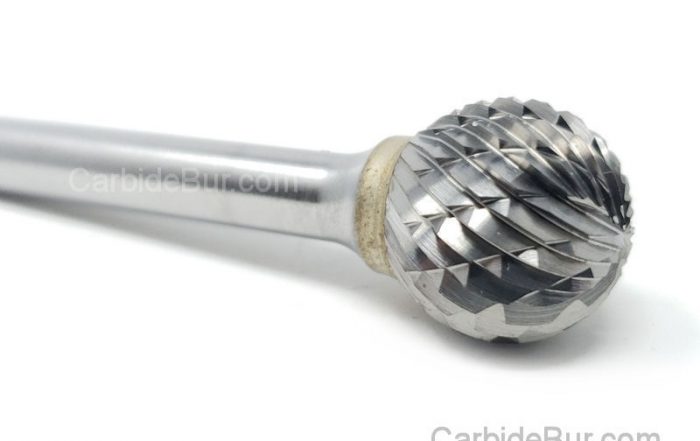
Best Carbide Burr for Removing Flash From Castings
Best Carbide Burr for Removing Flash From Castings Removing flash from castings is a task that can slow down your entire metalworking process if you don’t have the right tools. Picking the best carbide burr [...]
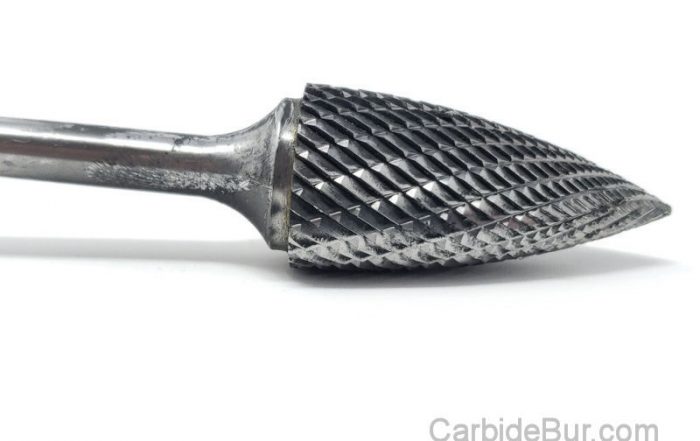
What RPM Should You Use for a 1/4 Inch Carbide Burr?
What RPM Should You Use for a 1/4 Inch Carbide Burr? Most machinists guess the right speed for a 1/4 inch carbide burr and hope for the best. Using the wrong carbide burr RPM can [...]
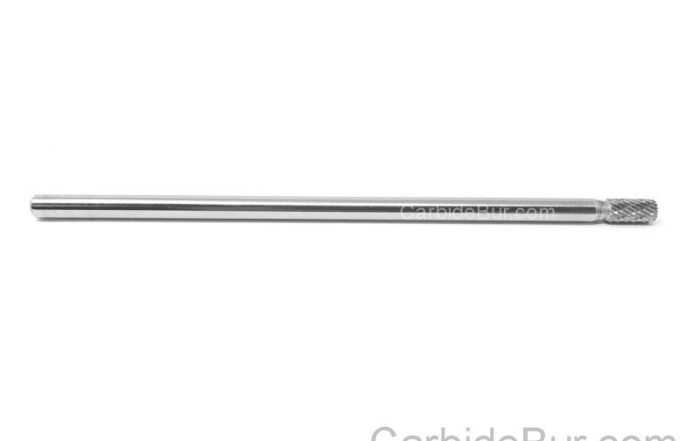
Long Shank Carbide Burrs: When Do You Need One?
Long Shank Carbide Burrs: When Do You Need One? Most machinists overlook the power of long shank carbide burrs until a project demands precision in tight spaces. When your usual tools can’t reach intricate contours, [...]
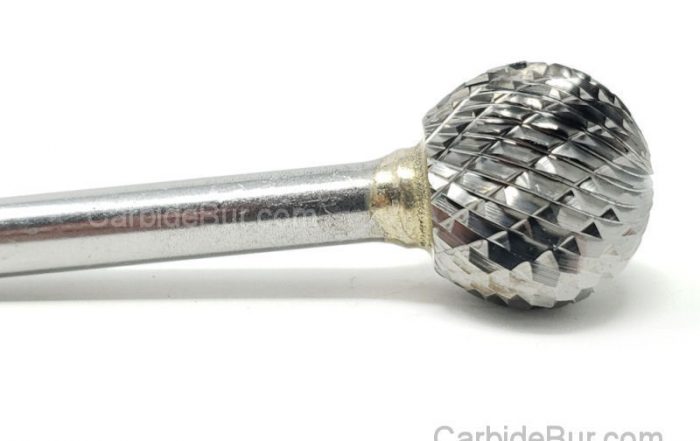
How Deep Can a Carbide Burr Cut Metal?
How Deep Can a Carbide Burr Cut Metal? Carbide burrs often get praised for their precision, but many users hit a wall wondering how deep they can actually cut metal. The truth is, cutting depth [...]
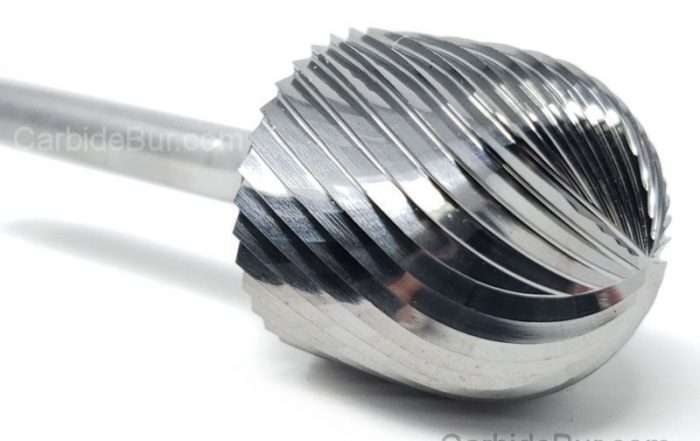
How to Use Carbide Burrs for Port Matching
How to Use Carbide Burrs for Port Matching Most engine builds hit a wall when airflow doesn’t flow smoothly between the ports and manifolds. If your engine isn’t breathing right, your performance stalls. Using the [...]
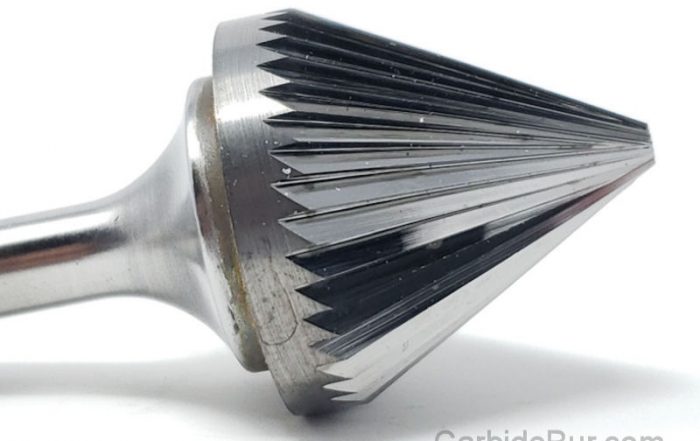
Best Carbide Burr for Porting Intake Manifolds
Best Carbide Burr for Porting Intake Manifolds Porting intake manifolds can make or break your engine’s airflow, yet many struggle with the right tools for the job. Choosing the best carbide burrs is key to [...]
Best Carbide Burr for Concave Surfaces
Best Carbide Burr for Concave Surfaces Concave surfaces can turn a straightforward project into a frustrating challenge if you don’t have the right tool. Carbide burrs designed for these tricky curves make all the difference [...]
How to Grind a Slot in Metal With a Carbide Burr
How to Grind a Slot in Metal With a Carbide Burr Grinding a precise slot in metal can feel like a tricky task, especially if you’re unsure which tools to trust. Carbide burr grinding offers [...]

Best Carbide Burr for Inside Corners
Best Carbide Burr for Inside Corners Working in tight inside corners can turn even simple projects into frustrating tasks. Many carbide burrs just don’t fit or cut cleanly where you need them most. The best [...]
What Size Carbide Burr Do I Need?
What Size Carbide Burr Do I Need? Picking the wrong carbide burr can turn a simple project into a frustrating mess. You might have the best machining tools but still miss the mark if your [...]
How to Smooth Sharp Metal Edges With a Carbide Burr
How to Smooth Sharp Metal Edges With a Carbide Burr Sharp metal edges can turn your project from professional to risky in seconds. If you’ve struggled with smoothing metal edges without scratching or weakening the [...]
