
From Hobbyist to Pro: Essential Carbide Burs and Garage Tips for Perfecting Your Porting Projects
You’ve spent hours on porting projects that just don’t look or feel professional. Small garages often struggle to match the quality of bigger shops without breaking the bank. Using the right carbide burs and smart garage tips can change that, letting your DIY porting deliver professional-grade results. Let’s explore how affordable tools and tool scaling can take your small shop projects to the next level. For more information, you can check out this link.

Essential Carbide Burs Selection
Choosing the right carbide burs is the first step to elevating your porting projects. It’s not just about the tool, but how it fits into your process.
Choosing the Right Burs
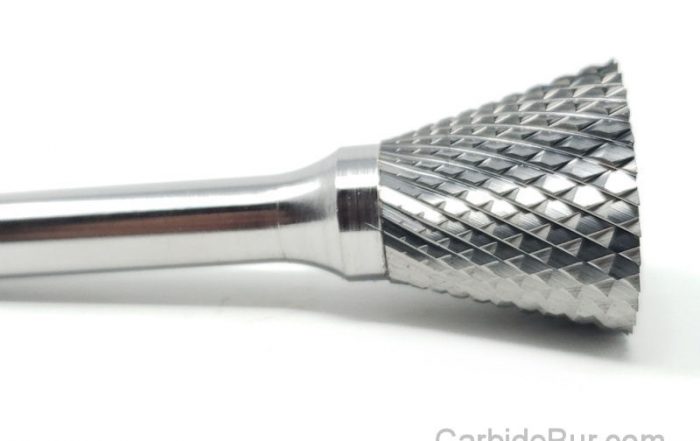
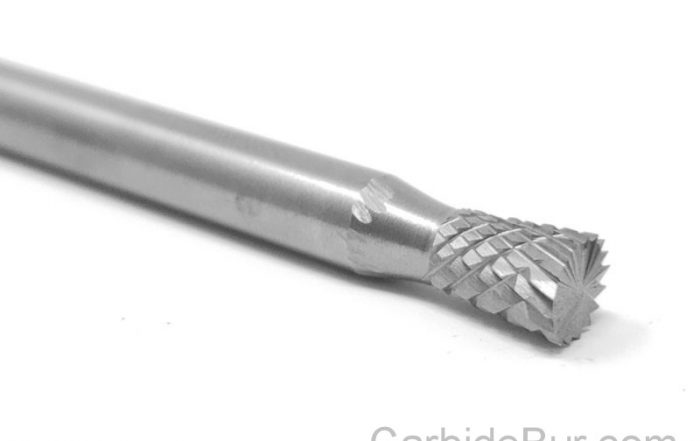
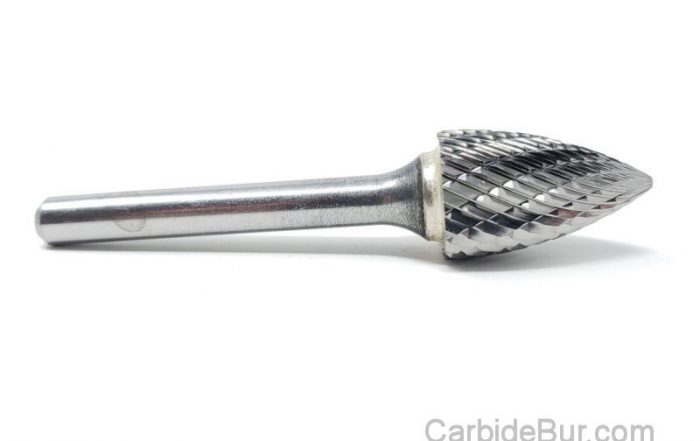
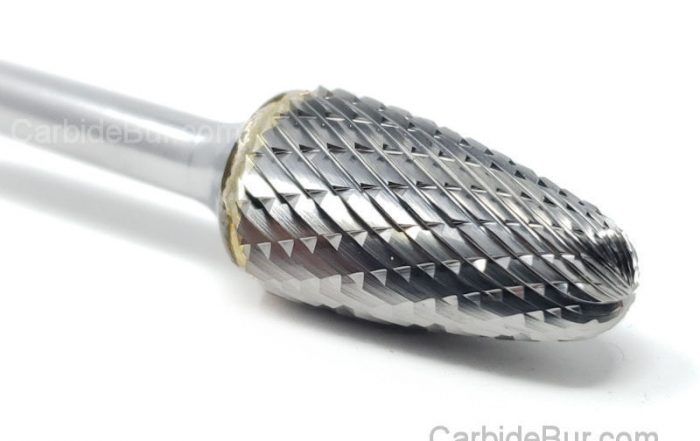
Picking the perfect burs can seem daunting, but it’s simpler than you think. Start with what your project needs. Are you working on metals, wood, or plastics? Carbide burs come in various shapes and sizes to match these materials. For instance, a tungsten carbide bur can be ideal for metal due to its durability and precision. This guide on carbide tools offers an in-depth look at the strengths of different materials.
Most people believe you need a vast collection of burs, but in reality, a few versatile options can cover most tasks. Focus on quality over quantity. A well-chosen set will last longer and perform better, ultimately saving you money.
Affordable Tools for Small Shops
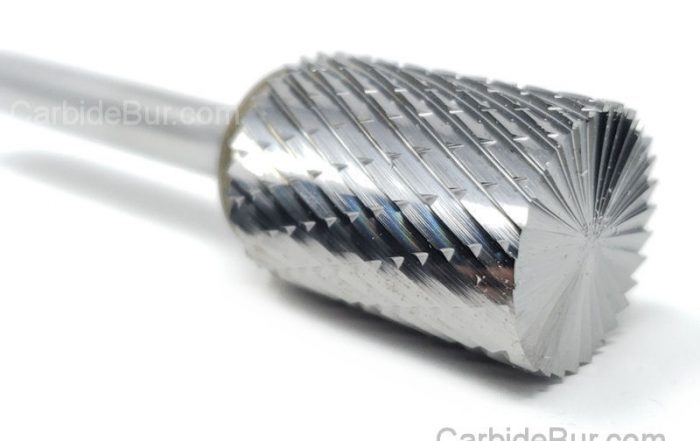
You don’t need to spend a fortune to get professional-grade tools. Affordable options are plentiful if you know where to look. Online platforms often offer competitive prices on high-quality tools. For example, this tungsten cylinder bur is both affordable and effective for woodworking and metalwork.
Consider investing in second-hand equipment or refurbished tools. These can be as good as new but at a fraction of the cost. The key is to research and ensure the tools meet your standards. By focusing on budget-friendly options, you can equip your shop for success without overspending.
Garage Setup for Professional-Grade Results
Your garage setup can drastically impact your project outcomes. Optimizing your space and tools is crucial for achieving professional-grade results.
Tool Scaling Techniques
Scaling your tools involves choosing the right ones for your project’s scope and size. Not every project needs an industrial-sized tool. Sometimes, smaller tools can offer better precision and control, which is essential for intricate porting tasks. CNC machining tools can provide precision that manual tools cannot match, especially for detailed work.
Most people think bigger is better, but that’s not always true. Smaller, more precise tools can help you avoid overworking material, leading to a cleaner finish. Assess your project needs and match the tool scale accordingly.
Space-Saving Garage Tips
A cluttered workspace can hinder your efficiency. Organizing your garage is essential for smooth operations. Start by decluttering and only keep what you need. Wall-mounted racks or pegboards can free up floor space and keep tools within easy reach.
Think about multi-functional equipment. A tool that serves multiple purposes saves space and reduces the number of items you need. For more ideas on organizing your garage for efficiency, consider this insightful article.
Perfecting Your Porting Projects
With the right burs and a well-organized garage, you’re on your way to perfecting your porting projects. Let’s dive into some best practices.
DIY Porting Best Practices
To achieve the best results, follow proven porting practices. First, plan your project thoroughly. Know exactly what you want to achieve before you start. This foresight will minimize mistakes and material waste.
Use a steady hand and let the bur do the work. Applying too much pressure can damage both the tool and the material. Regularly check your progress and adjust as needed. This approach can help you maintain control and precision.
Achieving Professional-Grade Results
Achieving professional-grade results requires patience and attention to detail. Focus on the finish. A smooth, polished finish is a hallmark of quality workmanship. Take your time sanding and buffing to reach the desired level of shine.
Don’t rush the process. The longer you wait and the more care you take, the better your results will be. Each project is an opportunity to refine your skills and deliver work that rivals that of professional shops. With these insights, you’re equipped to turn your small garage into a hub of professional-grade craftsmanship.
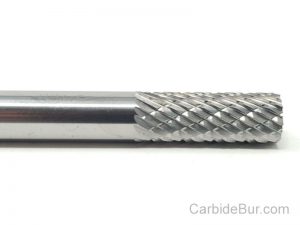
Check out all our USA made carbide bur cutting tools here
Carbide Burr vs. Grinding Stone: Which Is Better for Metal Removal?
Carbide Burr vs. Grinding Stone: Which Is Better for Metal Removal? When you need to remove metal, smooth a rough edge, or shape a metal component, two common options are carbide burrs and grinding stones. [...]
Carbide Burr Safety: RPM, Eye Protection, and Common Mistakes
Carbide Burr Safety: RPM, Eye Protection, and Common Mistakes Carbide burrs are versatile cutting tools used for metal fabrication, welding cleanup, engine porting, deburring, and general material removal. When used correctly, they can help remove [...]
How to Stop Aluminum from Clogging Your Carbide Burr
How to Stop Aluminum from Clogging Your Carbide Burr Aluminum is widely used in automotive work, welding, metal fabrication, aerospace components, and general machining. It is lightweight, relatively easy to machine, and versatile across many [...]
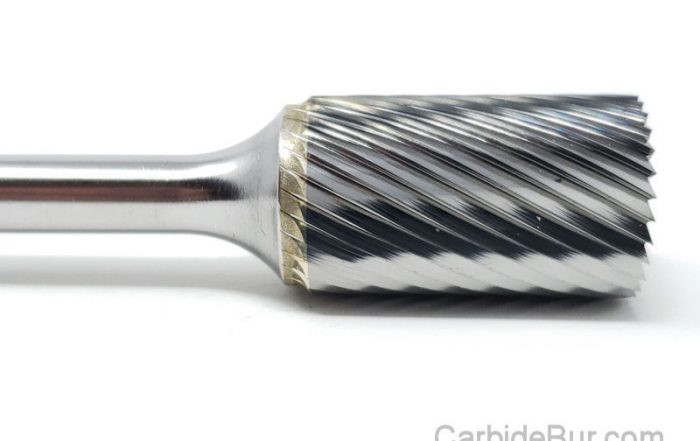
Carbide Burrs for Intake Manifolds: Shaping, Cleanup, and Fitment
Carbide Burrs for Intake Manifolds: Shaping, Cleanup, and Fitment Intake manifold work often involves more than simply bolting a component onto an engine. Depending on the application, metal intake components may have casting irregularities, rough [...]
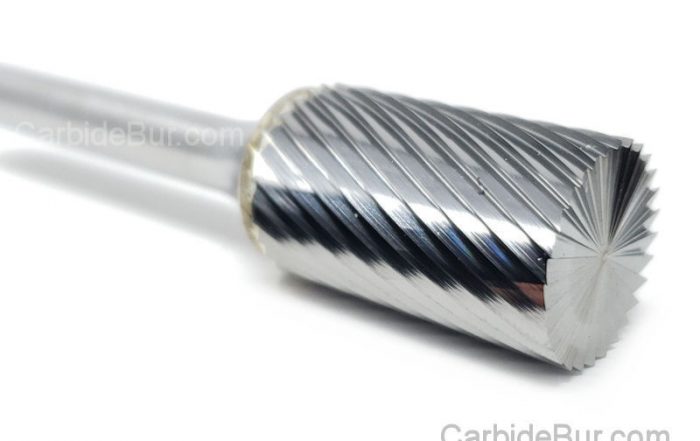
Why Long-Shank Carbide Burrs Are Useful for Hard-to-Reach Areas
Why Long-Shank Carbide Burrs Are Useful for Hard-to-Reach Areas When working on metal parts, the area that needs grinding or shaping is not always easy to reach. Recessed openings, deep cavities, interior surfaces, and complicated [...]
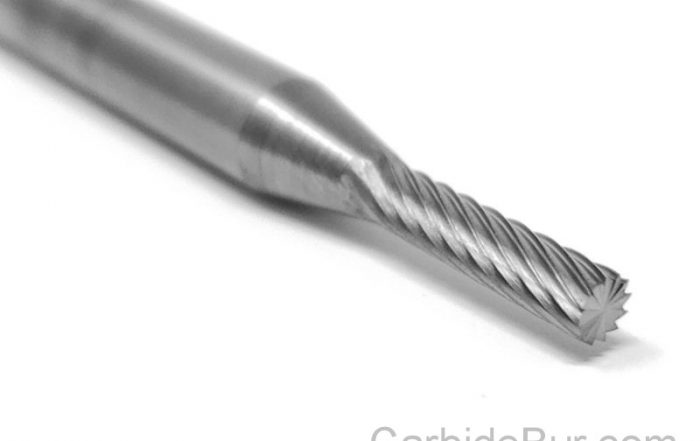
Choosing Carbide Burrs for Stainless Steel Fabrication
Choosing Carbide Burrs for Stainless Steel Fabrication Stainless steel is widely used in fabrication because of its corrosion resistance, strength, and durability. However, those same properties can make it challenging to machine and finish. Removing [...]
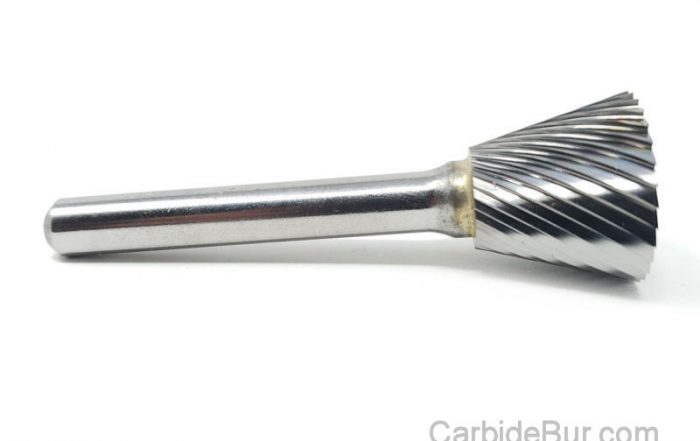
Can You Use Carbide Burrs in a Dremel? Shank Sizes Explained
Can You Use Carbide Burrs in a Dremel? Shank Sizes Explained If you use a Dremel or another rotary tool for detail work, metal shaping, or small fabrication projects, you may wonder whether you can [...]
How to Choose the Best Carbide Burr for Welding and Metal Fabrication
How to Choose the Best Carbide Burr for Welding and Metal Fabrication Welding and metal fabrication often require more than joining two pieces of metal together. Once the welding is finished, fabricators frequently need to [...]
Carbide Burrs for Cylinder Heads: What Automotive Enthusiasts Need to Know
Carbide Burrs for Cylinder Heads: What Automotive Enthusiasts Need to Know Cylinder head work is an important part of engine building, restoration, and performance machining. Whether you are cleaning up casting imperfections, refining port surfaces, [...]
Engine Porting 101: How Carbide Burrs Help Shape Cylinder Head Ports
Engine Porting 101: How Carbide Burrs Help Shape Cylinder Head Ports Engine performance enthusiasts, automotive machinists, and engine builders often look for ways to improve airflow through an engine's cylinder heads. One technique used in [...]
When to Use a 4-Inch or 9-Inch Die Grinder Extension
When to Use a 4-Inch or 9-Inch Die Grinder Extension Metal fabrication, welding, automotive repair, and engine building often require working in places where a standard die grinder and carbide burr cannot easily reach. Recessed [...]
Why Buy USA-Made Carbide Burr Tools? What Buyers Should Compare
Why Buy USA-Made Carbide Burr Tools? What Buyers Should Compare When shopping for carbide burr tools, it's tempting to compare products based on price alone. However, professionals who use rotary cutting tools for welding, metal [...]
