
Mastering Engine Modification: A Visual Tutorial on Carbide Tools for V8 Builders
Most V8 builders spend hours sanding ports by hand, chasing inconsistent results. That slow grind leaves you wondering if there’s a better way to shape your engine’s airflow. This step-by-step engine build tutorial shows how carbide burs and carbide tools cut through the hassle, making V8 engine porting faster and more precise. Learn more about selecting the right tools for precision and efficiency here.

Introduction to Engine Modification
When it comes to unlocking the full potential of a V8 engine, modification is key. This involves more than just a tune-up; it’s about precision and performance. Let’s start by understanding the tools that make this possible.
Understanding Carbide Tools
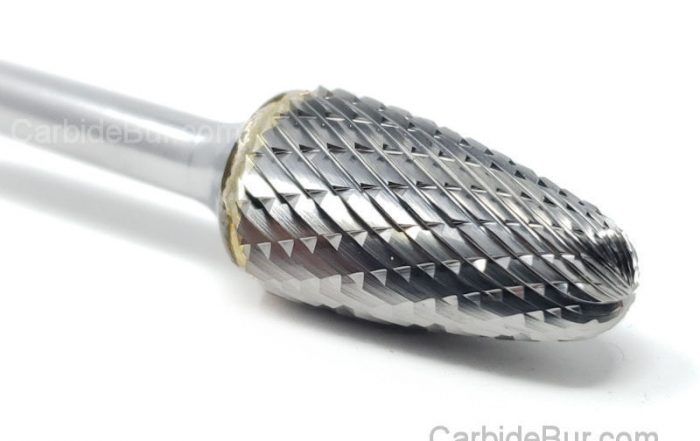
Carbide tools are game-changers in engine modification. These tools are made from a metal compound known for its toughness and heat resistance. They cut through metal with precision, making tasks easier for you. With carbide tools, you can create smoother surfaces faster than traditional methods. This means less time spent on tedious sanding and more time enjoying your engine’s improved performance. For a deeper dive into how these tools work in foundries, check out this resource.
Importance of V8 Engine Porting
Porting your V8 engine isn’t just a fancy term; it’s a critical step in enhancing airflow. Better airflow means better combustion, leading to increased horsepower. By using carbide burs, you can achieve consistent results every time. Think of it as giving your engine a breath of fresh air. Most builders underestimate the impact of precise porting, but it’s the secret sauce to unlocking more power.
Carbide Burs in Action
Once you understand the tools, it’s time to see them in action. Let’s explore a step-by-step tutorial to put this knowledge into practice.
Step-by-Step Porting Tutorial
-
Preparation: Ensure your engine is clean and secure. Safety first!
-
Choosing the Right Bur: Select a bur that suits the metal type. This choice affects the cut’s precision.
-
Initial Cutting: Start with light pressure to avoid overcutting.
-
Fine Tuning: Use a finer bur for smooth finishes.
Each step ensures that your work is both precise and effective. Remember, the key is consistency. For more tips on tool selection, this guide offers valuable insights.
Visual Guide to Carbide Usage
Seeing is believing. Visual guides can make complex steps seem simple. Videos showing carbide burs in action provide clarity and confidence. You’ll notice the immediate impact of even slight adjustments. The difference in performance is not just noticeable; it’s measurable.
Enhancing Performance with Carbide
Now that you’ve got the basics down, let’s focus on maximizing your engine’s performance with the right carbide tools.
Selecting the Right Carbide Tools
Choosing the right tools is as crucial as the porting process itself. Consider factors like the type of metal and the desired finish. High-speed steel might be cheaper but lacks the durability of carbide. For an in-depth comparison of these materials, visit this comparison.
Tips for Successful Engine Modification
-
Test on a Scrap Piece: Always test your tools on a scrap piece of metal.
-
Steady Hands, Steady Cuts: Keep your hand steady for consistent cuts.
-
Regular Maintenance: Clean your tools regularly to prolong their lifespan.
These tips are simple yet effective. They ensure that your engine modification journey is smooth and rewarding. Remember, the longer you wait to start, the more you miss out on your engine’s full potential.
By integrating these strategies, you position yourself to achieve the best results for your engine. With carbide tools, precision is no longer a dream but a reality. Keep pushing forward, and soon you’ll master the art of engine modification.
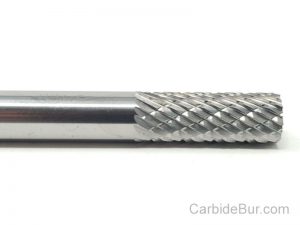
Check out all our USA made carbide bur cutting tools here
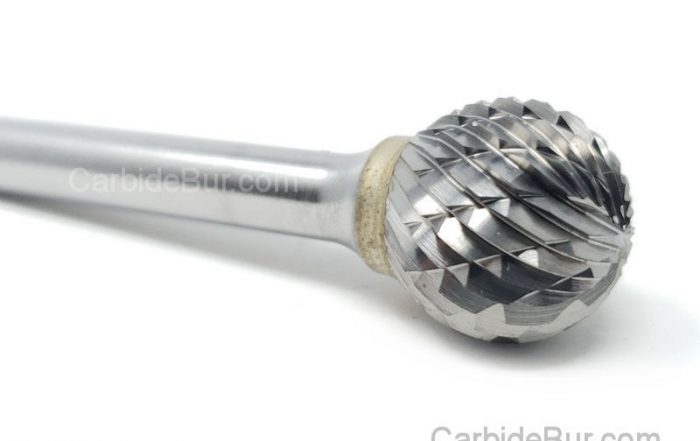
Carbide Burr vs. Grinding Stone: Which Is Better for Metal Removal?
Carbide Burr vs. Grinding Stone: Which Is Better for Metal Removal? When you need to remove metal, smooth a rough edge, or shape a metal component, two common options are carbide burrs and grinding stones. [...]
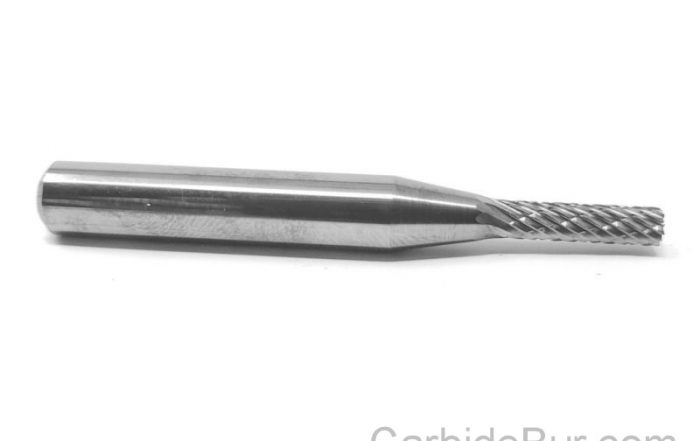
Carbide Burr Safety: RPM, Eye Protection, and Common Mistakes
Carbide Burr Safety: RPM, Eye Protection, and Common Mistakes Carbide burrs are versatile cutting tools used for metal fabrication, welding cleanup, engine porting, deburring, and general material removal. When used correctly, they can help remove [...]
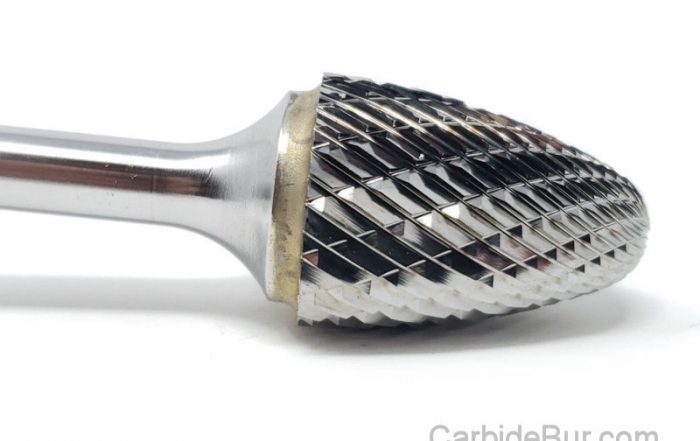
How to Stop Aluminum from Clogging Your Carbide Burr
How to Stop Aluminum from Clogging Your Carbide Burr Aluminum is widely used in automotive work, welding, metal fabrication, aerospace components, and general machining. It is lightweight, relatively easy to machine, and versatile across many [...]
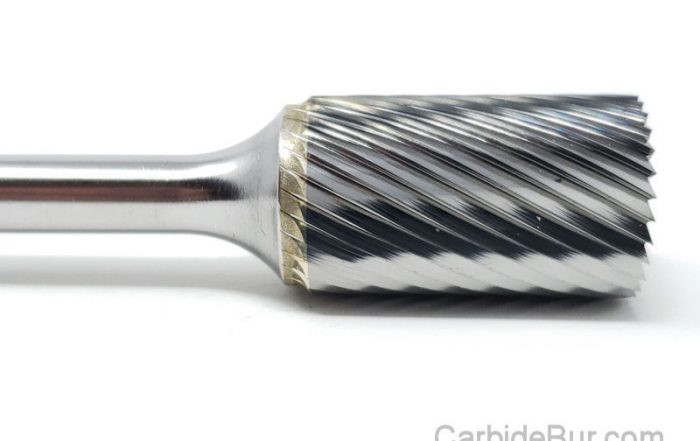
Carbide Burrs for Intake Manifolds: Shaping, Cleanup, and Fitment
Carbide Burrs for Intake Manifolds: Shaping, Cleanup, and Fitment Intake manifold work often involves more than simply bolting a component onto an engine. Depending on the application, metal intake components may have casting irregularities, rough [...]
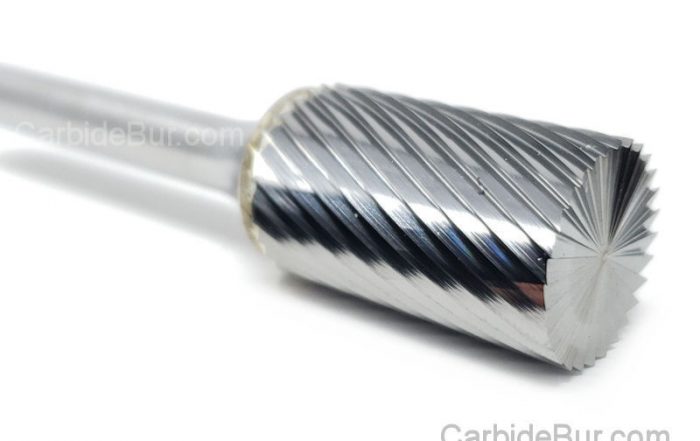
Why Long-Shank Carbide Burrs Are Useful for Hard-to-Reach Areas
Why Long-Shank Carbide Burrs Are Useful for Hard-to-Reach Areas When working on metal parts, the area that needs grinding or shaping is not always easy to reach. Recessed openings, deep cavities, interior surfaces, and complicated [...]
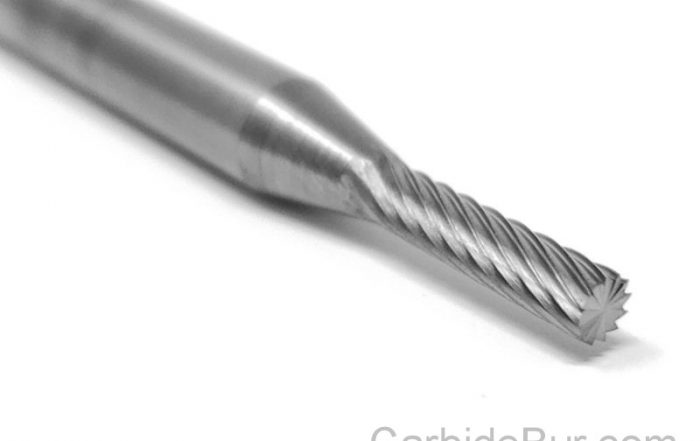
Choosing Carbide Burrs for Stainless Steel Fabrication
Choosing Carbide Burrs for Stainless Steel Fabrication Stainless steel is widely used in fabrication because of its corrosion resistance, strength, and durability. However, those same properties can make it challenging to machine and finish. Removing [...]
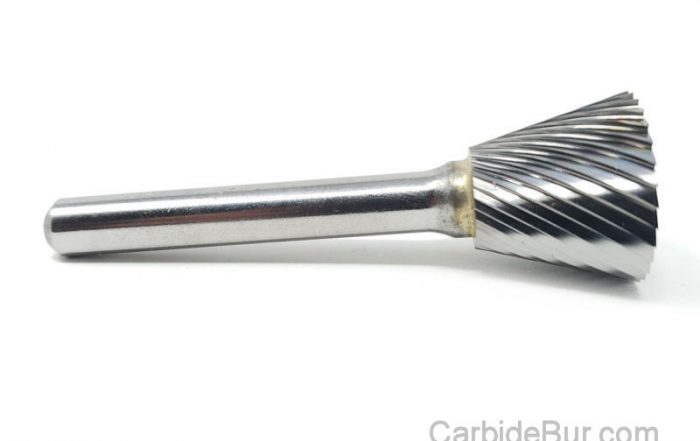
Can You Use Carbide Burrs in a Dremel? Shank Sizes Explained
Can You Use Carbide Burrs in a Dremel? Shank Sizes Explained If you use a Dremel or another rotary tool for detail work, metal shaping, or small fabrication projects, you may wonder whether you can [...]
How to Choose the Best Carbide Burr for Welding and Metal Fabrication
How to Choose the Best Carbide Burr for Welding and Metal Fabrication Welding and metal fabrication often require more than joining two pieces of metal together. Once the welding is finished, fabricators frequently need to [...]
Carbide Burrs for Cylinder Heads: What Automotive Enthusiasts Need to Know
Carbide Burrs for Cylinder Heads: What Automotive Enthusiasts Need to Know Cylinder head work is an important part of engine building, restoration, and performance machining. Whether you are cleaning up casting imperfections, refining port surfaces, [...]
Engine Porting 101: How Carbide Burrs Help Shape Cylinder Head Ports
Engine Porting 101: How Carbide Burrs Help Shape Cylinder Head Ports Engine performance enthusiasts, automotive machinists, and engine builders often look for ways to improve airflow through an engine's cylinder heads. One technique used in [...]
When to Use a 4-Inch or 9-Inch Die Grinder Extension
When to Use a 4-Inch or 9-Inch Die Grinder Extension Metal fabrication, welding, automotive repair, and engine building often require working in places where a standard die grinder and carbide burr cannot easily reach. Recessed [...]
Why Buy USA-Made Carbide Burr Tools? What Buyers Should Compare
Why Buy USA-Made Carbide Burr Tools? What Buyers Should Compare When shopping for carbide burr tools, it's tempting to compare products based on price alone. However, professionals who use rotary cutting tools for welding, metal [...]
